

You’ve probably spent more time scrolling on the toilet than you’d like to admit. Maybe you’ve tried fiber supplements, prune juice, or just accepting your fate as someone who needs a 20-minute “bathroom break” every morning. Then you stumbled across something called the 7-second poop method and thought, “Wait, is that even possible?”
Here’s the thing: the method is real, it’s backed by legitimate digestive health principles, and no, it’s not some internet gimmick that’ll have you doing weird things in your bathroom. What it actually is might change your entire morning routine—and give you back a surprising chunk of your day.
Introduction to the Poop Method
The 7-second poop method, created by renowned gastroenterologist Dr. Gina Sam, is a straightforward yet powerful way to support healthy bowel movements and tackle chronic constipation. This method blends deep breathing, gentle stretches, and drinking warm water into a simple morning routine that helps wake up your digestive system and set the stage for regular bowel movements. By making this poop method part of your daily ritual, you can boost your digestive health, ease symptoms of constipation, and enhance your overall well-being. Whether you’re looking to improve your morning routine or just want to feel better each day, this method offers a natural, effective approach to supporting your body’s health from the inside out.
Understanding Digestive Health
Your digestive health is the foundation of your overall well-being. A well-functioning digestive system ensures that your body can break down food, absorb nutrients, and eliminate waste efficiently. However, everyday factors like stress, a poor diet, and lack of exercise can disrupt this balance, leading to issues such as constipation, acid reflux, or even irritable bowel syndrome (IBS). The 7-second poop method takes a functional medicine approach, focusing on natural strategies to encourage efficient bowel movements and support gut health. By addressing the root causes of digestive disorders—like stress, inactivity, and dietary habits—this method helps reduce uncomfortable symptoms and promotes a healthier, happier gut. Incorporating regular movement, mindful eating, and stress reduction into your routine can make a significant difference in your digestive health and overall quality of life.
What Is the 7-Second Poop Method?
The 7-second poop method is a quick morning ritual designed to help your body have faster, easier bowel movements—especially if you’re dealing with mild constipation or sluggish digestion. The name sounds like magic, but the reality is more practical and honestly more useful.
This approach was popularized by renowned gastroenterologist Dr. Gina Sam, a New York-based digestive health specialist who started talking about the concept in media interviews and clinic education. Her aim was simple: help people establish daily habits that make bathroom visits predictable and efficient, without relying on medication or laxatives.
Now, before you expect to sit down and be done in exactly seven seconds, let’s clarify something important. The “7 seconds” refers to the time the actual bowel movement takes once you feel the urge and your body is properly primed—not the entire morning routine. The full method involves drinking warm water, doing some gentle stretches, and practicing relaxed breathing. That might take 10-15 minutes total. But when it works, the time spent actually on the toilet can be remarkably brief.
The core components are straightforward: hydration to wake up your digestive tract, light movement to get things flowing, and deep breathing to relax your pelvic floor muscles and signal your body that it’s safe to let go.
How the 7-Second Poop Method Works
Your digestive system doesn’t operate like an on-demand delivery service. It needs certain signals to move stool through your intestines and out of your body. The 7-second poop method essentially stacks several of those signals together first thing in the morning, when your gut is naturally primed to respond.
When you drink warm water after waking, you trigger something called the gastrocolic reflex—a natural increase in colon motility that happens when your stomach senses food or liquid. This reflex is strongest in the morning, which is why many people naturally feel the urge to go after breakfast or coffee. The method takes advantage of this biological window.
Constipation affects an estimated 4 million Americans each year, and one of the most common culprits is simply not giving the body the right cues at the right time. Dehydration, sedentary mornings, stress, and ignoring the urge to go all contribute to sluggish bowels. The method addresses these factors in one streamlined routine. Constipation affects millions of people worldwide and can stem from poor diet, stress, and sedentary lifestyles.
Light stretching and movement help physically stimulate the abdomen and intestines, encouraging stool to move downward. Meanwhile, deep breathing activates your parasympathetic nervous system—the “rest and digest” mode—which tells your pelvic floor muscles to relax. Straining happens when those muscles are tense; relaxation lets things pass naturally.
This is a lifestyle-based technique, not a pharmaceutical intervention. It’s not designed to replace medical care for serious digestive disorders, but for everyday sluggishness and mild chronic constipation, it can make a real difference by supporting digestive health, which is a key component of overall health.
Preparing for the Method
Getting the most out of the 7-second poop method starts with a little preparation. Begin by making sure you drink plenty of water throughout the day to keep your body and digestive system hydrated. Eating a balanced diet rich in fiber—think fruits, vegetables, whole grains, and legumes—can help your bowels move more smoothly. Regular exercise is also key, as it increases blood flow and naturally stimulates healthy bowel movements. Some people find that adding apple cider vinegar, which contains acetic acid, to their diet can give digestion a gentle boost and help ease constipation symptoms. However, before making any changes—especially if you have existing medical conditions or take medication—it’s wise to consult a healthcare professional. Taking these steps will help your body respond better to the poop method and set you up for digestive success.
The Role of Deep Breathing
Deep breathing is a vital part of the 7-second poop method, and for good reason. When you take slow, intentional breaths, you help relax your pelvic floor muscles and increase blood flow to your digestive tract—both of which are essential for a smooth, natural bowel movement. Deep breathing also helps reduce stress, which is a common trigger for constipation and other digestive disorders. To make deep breathing part of your morning routine, simply set aside a few minutes to focus on your breath. Inhale deeply through your nose, feel your abdomen expand, and exhale slowly, letting your body relax. This simple practice not only supports the poop method but also helps you start your day feeling calm and centered.
Step-by-Step: How to Do the 7-Second Poop Method
Ready to try this tomorrow morning? Here’s exactly what to do, broken down into a sequence you can follow immediately.
Step 1: Hydrate first thing. Within 10-15 minutes of waking up—before coffee, before breakfast—drink a full glass of warm water. Aim for about 8-12 ounces. The warmth helps stimulate your digestive tract more effectively than cold water, and the hydration softens stool that’s been sitting in your colon overnight. Think of it as gently waking up your gut.
Step 2: Optional apple cider vinegar addition. If you tolerate it well, you can add 1-2 teaspoons of apple cider vinegar to your warm water. Some people find this gives their digestion an extra boost. However, this is completely optional—the method works without it, and if you have acid reflux or a sensitive stomach, skip this step entirely.
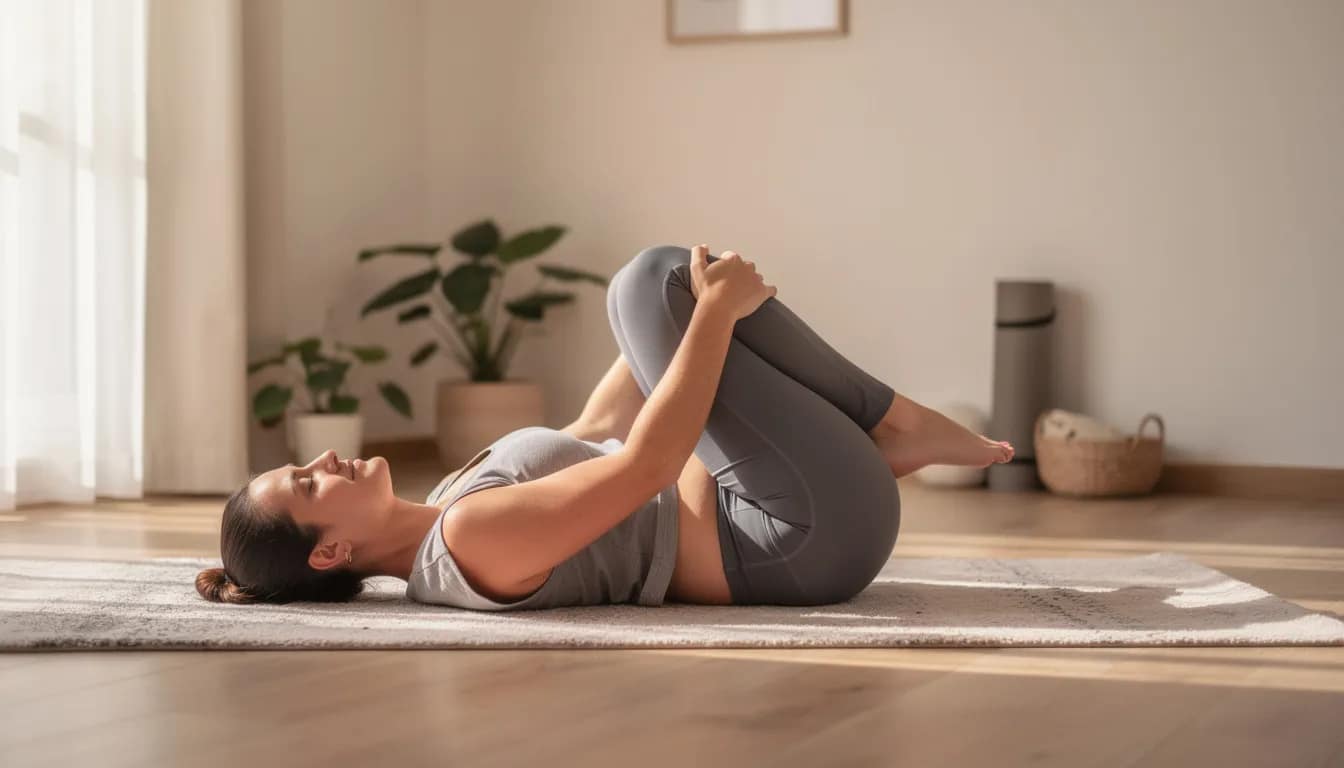
Step 3: Gentle movement. Spend 2-3 minutes doing simple stretches that lightly compress your abdomen. Try lying on your back and pulling your knees to your chest (sometimes called the wind relieving pose because it helps release trapped gasses). Hold for 20-30 seconds, breathing deeply. A seated forward bend also works—sit with legs extended, reach toward your toes, and let your belly fold over your thighs. These gentle stretches massage your intestines and encourage movement. Gentle stretches such as torso twists and cat-cow poses can also help wake up the core and intestines, further supporting healthy digestion.
Step 4: Deep breathing. Take 5-10 slow belly breaths. Inhale deeply through your nose, letting your abdomen expand fully. Then exhale slowly through your mouth, consciously relaxing your abdominal wall and pelvic floor on the exhale. This signals your body to shift into “rest and digest” mode, making it easier to relax on the toilet.
Step 5: Bathroom time. When you feel the urge, go to the toilet. Sit with a slight forward lean, and if possible, elevate your feet on a small stool to create a more natural position that mimics squatting. This straightens the anorectal angle and makes elimination easier. Breathe, relax, and let your body do the work without straining.
When the method works as intended, the actual bowel movement can happen in just a few seconds—minimal effort, no straining, no endless scrolling. That’s where the “7 seconds” idea comes from. Practicing this routine regularly can support better health by promoting regular bowel movements, which contribute to overall well-being.
Origin and Evolution of the Method
The 7-second poop method traces back to Dr. Gina Sam, a board-certified gastroenterologist who practices in New York. Around the mid-2010s, she began discussing a “7-second morning ritual” in media interviews and patient education, focusing on quick daily habits that could help people reduce constipation without reaching for laxatives or medication.
Her original emphasis was practical: proper hydration, relaxed breathing, good toilet posture, and not ignoring the body’s natural urges. The “7 seconds” framing was partly marketing—a memorable hook to help people remember that efficient bowel movements are possible when you set up the right conditions. It was never meant to promise literal seven-second bathroom visits for everyone.
Then social media got hold of it. TikTok, Instagram, and YouTube creators started sharing their own versions, and the method evolved—sometimes productively, sometimes into territory that strayed pretty far from the original concept. Some influencers added apple cider vinegar as a core component (it wasn’t in Dr. Sam’s original approach). Others promoted aggressive abdominal massage or even bizarre “hacks” like rubbing your fists together to stimulate supposed colon pressure points. These additions have little scientific support.
The core habits, though, have remained consistent across the most legitimate versions: drink warm water in the morning, move your body a bit, breathe deeply to relax, and approach the toilet with focus rather than distraction. That foundation aligns with broader functional medicine approaches to digestive health and makes the method more than just a viral trend.
Scientific Basis: What We Actually Know
Let’s be honest: no one has run a randomized controlled trial specifically on the “7-second poop method” as a branded package. But each component has research supporting its potential benefits for gut health and bowel regularity.
Hydration is one of the most evidence-backed interventions for constipation. Studies show that drinking adequate fluids—around 1.5-2 liters per day—combined with fiber intake improves stool frequency and consistency in people with chronic constipation. Dehydration is one of the most common causes of hard, difficult-to-pass stool, and morning hydration specifically takes advantage of overnight fluid loss and the natural gastrocolic reflex.
Warm water specifically has some support in clinical experience and small studies suggesting it can stimulate gastric emptying and bowel motility more effectively than cold water. The warmth may have a mild relaxing effect on smooth muscle in the digestive tract, though large-scale trials are limited.
Movement and yoga poses have stronger evidence. Research shows that regular physical activity reduces constipation prevalence, and certain yoga sequences—including positions that compress the abdomen—can ease constipation and reduce bloating. Even modest daily walking improves stool frequency in some people.
Deep breathing and relaxation work through the vagus nerve, which plays a crucial role in regulating gut motility. Diaphragmatic breathing shifts the body from sympathetic (“fight or flight”) to parasympathetic (“rest and digest”) mode. This can reduce pelvic floor tension that contributes to straining and incomplete evacuation.
Apple cider vinegar has the weakest evidence of the bunch. While some small studies suggest acetic acid may have modest effects on blood sugar and digestion, data specifically for constipation relief are preliminary and mixed. The functional medicine community often recommends it, but mainstream gastroenterology doesn’t consider it a proven constipation treatment.
Important caveat: persistent constipation can be linked to conditions like IBS, hypothyroidism, medication side effects, or pelvic floor dysfunction. The 7-second method may help mild cases, but it’s not a substitute for proper medical evaluation when symptoms are severe or ongoing.
Benefits Reported With the 7-Second Poop Method
People who’ve adopted this morning ritual report several improvements, though it’s important to set realistic expectations rather than promising miracles.
Comfort and ease are the most commonly reported benefits. Users describe less straining, reduced feelings of incomplete emptying, and more efficient bowel movements overall. When your body is properly primed, elimination becomes smoother and requires less effort. This alone can reduce discomfort and the risk of strain-related issues like hemorrhoids. Additionally, regular bowel movements can lead to increased energy, mental clarity, and productivity, as a healthy gut supports overall vitality.
Time savings add up surprisingly fast. If you’re currently spending 15-20 minutes on the toilet each morning, cutting that down to a few minutes reclaims significant time over a year. You also avoid the numb-leg shuffle that comes from sitting too long—a benefit that might sound silly until you’ve experienced it one too many times.
Predictability and confidence matter more than you might think. Many people experience anxiety around bathroom timing, especially before work, travel, or social events. Establishing more regular bowel movements through a consistent morning routine reduces that uncertainty and the stress that comes with it.
Most people see changes over several days to a few weeks of consistent practice, not necessarily on day one. And if your bowel habits are already healthy, you may not notice dramatic differences—the method is most useful for those dealing with sluggishness or mild chronic constipation.
How to Use the Method Safely (Who Should Be Cautious)
The routine is gentle and low-risk for most healthy adults, but some common-sense precautions apply.
If you’re considering adding apple cider vinegar to your warm water, check with a healthcare professional first if you have GERD, gastritis, stomach ulcers, Barrett’s esophagus, chronic kidney disease, or take medications that could interact (like diuretics or insulin). ACV’s acidity can aggravate these conditions or affect medication absorption.
Anyone experiencing sudden severe constipation, blood in the stool, unexplained weight loss, fever, or anemia should seek medical care promptly. These are red flag symptoms that warrant professional evaluation, not a home remedy. The 7-second method is designed for everyday maintenance, not emergency treatment.
Older adults, pregnant people, and those with known pelvic floor disorders should discuss new bowel routines with a healthcare provider or pelvic floor therapist. What works for a healthy 30-year-old might not be appropriate for everyone.
Finally, avoid overdoing abdominal pressure or holding your breath while straining. These habits can raise blood pressure and worsen hemorrhoids. The whole point of the method is relaxation and gentle stimulation—not force.
Apple Cider Vinegar: Optional Add-On, Not the Core Method
There’s been some confusion online, so let’s clear it up: the original 7-second concept from Dr. Gina Sam did not require apple cider vinegar. The core of the poop method is warm water, movement, and relaxed breathing. ACV got added later by wellness influencers and functional medicine practitioners, and while it’s not harmful for many people, it’s not essential.
Some people add 1-2 teaspoons of raw, unfiltered apple cider vinegar to their morning warm water because they believe it supports digestion and blood flow to the gut. There’s limited research suggesting acetic acid may modestly affect gastric acid production and blood sugar control, which could theoretically support overall digestive health. But the evidence specifically for constipation relief is thin.
The potential downsides are more concrete: enamel erosion on teeth, throat irritation, heartburn, and stomach upset—especially if you take ACV undiluted or in large amounts. If you want to try it, always dilute it, limit total intake to 1-2 tablespoons per day, and never take it straight before bed.
If you notice burning, nausea, or worsened acid reflux symptoms, skip the ACV entirely. The method works perfectly well with plain warm water, and that’s what most digestive experts recommend as the foundation.
Practical Morning Routine Example
Here’s how this might look on a typical weekday morning for someone who wakes at 6:30 AM:
6:30 AM – Wake up. Before reaching for your phone or coffee maker, head to the kitchen and pour yourself a full glass of warm water (not hot, just comfortably warm). Drink it within the next 10 minutes while you’re doing other morning tasks like brushing teeth or getting dressed.
6:40-6:45 AM – Gentle stretches. Find a spot on the floor or your bed. Lie on your back and pull your knees to your chest, holding for 20-30 seconds while breathing deeply. Then do a simple seated forward fold—sit with legs extended, reach toward your toes, and relax your belly. This takes maybe 2-3 minutes total.
6:45-6:47 AM – Deep breathing. Sit comfortably and take 5-10 slow belly breaths. Inhale through your nose for 4 seconds, letting your abdomen expand. Exhale through your mouth for 6 seconds, consciously relaxing your pelvic floor and abdominal muscles. One minute of this makes a difference.
6:47-6:55 AM – Bathroom visit. When the urge hits, go. Use a small stool to elevate your feet if you have one. Lean slightly forward, breathe, relax, and let your body do the work. If everything’s primed correctly, you may be done in under a minute.
For early risers who wake at 5 AM, the routine is the same—just shifted earlier. If you exercise in the morning, you can do your stretches as part of your warm-up. And if you share a bathroom, do the water and stretching in your bedroom first, then head to the bathroom when you feel ready.
The key isn’t perfect timing—it’s consistency. Doing roughly the same routine at roughly the same time each day trains your gut to expect this pattern, making healthy bowel movements more predictable over time.
Additional Lifestyle Habits to Support the 7-Second Method
The morning routine works best when it’s part of a bigger picture. Your gut doesn’t reset every 24 hours—what you eat, drink, and do throughout the day affects how smoothly things move the next morning.
Diet matters more than almost anything else. Aim for about 25-30 grams of fiber per day from whole food sources: berries, pears, broccoli, leafy greens, beans, and whole grains. If you’re currently eating much less fiber, increase gradually over a few weeks to avoid gas and bloating. Fiber adds bulk to stool and helps it move through your intestines more easily.
Hydration doesn’t stop after your morning glass. Most adults should aim for 6-8 cups of fluids throughout the day, adjusting for climate, exercise, and body size. Water is ideal, but herbal teas and water-rich foods (cucumbers, watermelon, soups) count too. Chronic dehydration is one of the sneakiest causes of constipation.
Regular movement keeps your gut moving. Aim for at least 20-30 minutes of walking or light exercise most days. If you sit for long periods at work, take short movement breaks every hour. Physical activity stimulates colonic transit—literally helping stool move through your intestines faster.
Establish eating patterns and don’t ignore urges. Eating meals at roughly the same times each day helps regulate your digestive system. And when you feel the urge to go, go. Repeatedly ignoring it trains your body to suppress the reflex, making constipation worse over time.
Manage stress and prioritize sleep. Chronic stress literally freezes your digestive system by keeping you in “fight or flight” mode. Simple practices like a few minutes of deep breathing before bed, limiting screen time in the evening, and getting 7-8 hours of sleep support gut motility. Your body does a lot of digestive work while you sleep—don’t shortchange it.
Maintaining a Regular Practice
Consistency is the secret to unlocking the full benefits of the 7-second poop method. By committing to this morning ritual—drinking a full glass of warm water, doing gentle stretches, and practicing deep breathing—you train your body to expect and respond to these healthy cues. Over time, this can lead to more regular bowel movements and improved digestive health. Supporting your routine with a balanced diet, staying hydrated, and managing stress will further enhance your overall well-being. Remember, the key is to make the poop method a natural part of your daily life. With a little dedication, you’ll not only enjoy the benefits of a healthier gut but also set a positive tone for your entire day.
Common Questions and Misconceptions
Will I really poop in 7 seconds? The “7 seconds” is more of a catchy name than a literal promise. When the method works well, the actual elimination can be very quick—a few seconds rather than minutes of straining. But the full routine takes 10-15 minutes, and results vary by individual.
How fast should I see results? Some people notice improvement within a few days. Others may need 2-3 weeks of consistent practice, especially if making broader changes to diet and hydration. Don’t expect overnight transformation, but do expect gradual improvement.
Can I do the method at night instead of morning? You can try, but it’s less effective. The gastrocolic reflex is strongest in the morning after waking, so that’s when your body is most primed to respond. Evening attempts miss this natural window.
Is it safe to do every day? Yes, for most healthy adults. The components—warm water, gentle stretching, deep breathing—are all low-risk daily habits. If you’re adding apple cider vinegar and experience any discomfort, reduce or eliminate that component.
What about the “fist-rubbing” trick I saw on TikTok? That’s a separate viral hack with no scientific support. It claims rubbing your knuckles together stimulates a “colon reflex point,” but there’s no evidence this does anything for bowel movements. Stick to the hydration-movement-breathing approach.
How often should I be pooping anyway? Anywhere from three times a day to three times a week can be normal, depending on the person. The goal is regularity and ease, not hitting a specific number. If you’re comfortable and not straining, you’re probably fine.
When to See a Doctor Instead of Relying on the 7-Second Method
The poop method is a lifestyle tool, not a treatment for serious medical conditions. Certain symptoms should prompt you to consult a healthcare provider rather than trying to manage things at home.
Red flag symptoms that warrant prompt medical attention include: blood in your stool (red or black/tarry), severe abdominal pain, unplanned weight loss, fever accompanying digestive symptoms, or constipation that suddenly worsens after age 50. These could indicate conditions ranging from hemorrhoids to more serious digestive disorders.
If you’ve had chronic constipation lasting more than several weeks, or you find yourself needing laxatives frequently to have a bowel movement, that’s worth professional evaluation. Underlying issues like IBS, thyroid disorders, medication side effects, pelvic floor dysfunction, or structural colon problems can all cause persistent constipation and require specific treatment.
Keeping a brief symptom diary can be helpful if you decide to see a doctor. Track your stool frequency, consistency (the Bristol Stool Scale is a useful reference), any pain or discomfort, and what you’ve tried. This gives your healthcare provider concrete information to work with.
The 7-second method can complement medical treatment, but it shouldn’t replace proper diagnosis and care when symptoms are concerning.
Key Takeaways
The 7-second poop method is a morning ritual that combines drinking warm water, gentle stretches, and deep breathing to help your body have faster, easier bowel movements. The “7 seconds” refers to how quick elimination can be once you’re properly primed—not an instant fix.
The core pillars are simple: hydrate with warm water first thing, do a few yoga poses or gentle stretches to stimulate your gut, practice relaxed breathing to activate your “rest and digest” system, and use good toilet posture when you go. Adding apple cider vinegar is optional and not necessary for the method to work.
This approach can be a helpful, low-risk tool for easing constipation when combined with adequate fiber, fluids, regular movement, and stress management. It’s most effective for mild sluggishness, not severe or chronic digestive disorders.
Start tomorrow morning. Warm water, a few stretches, some deep breaths. See what happens. And if symptoms persist or worsen, consult a healthcare professional to rule out underlying issues. Your gut will thank you—and so will your schedule.