
Spending way too long on the toilet, struggling through each bowel movement like you’re solving a complex math problem? Your bathroom struggles might have a surprisingly simple solution that doesn’t involve expensive supplements or drastic dietary changes.
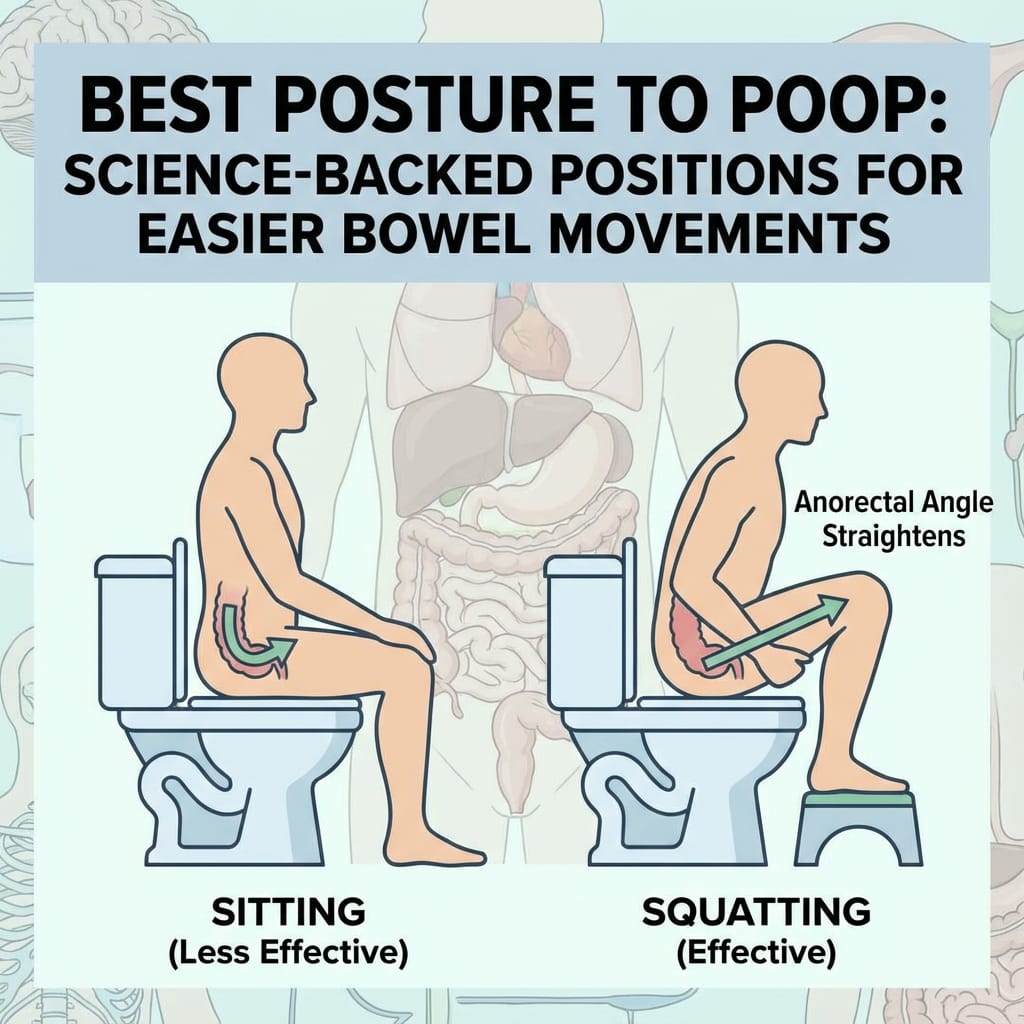
The answer lies in something you probably never considered: your posture. The concept of the best poop position—such as squatting or using a footstool to mimic squatting—can help straighten the rectal canal, making bowel movements easier and reducing straining.
This comprehensive guide explores the research behind optimal defecation posture, provides step-by-step instructions for better positioning, and explains exactly why these changes can revolutionize your digestive wellness. It highlights how adjusting your poop position can improve bowel emptying and make your bathroom experience more comfortable. Whether you’re dealing with chronic constipation, occasional digestive conditions, or simply want more efficient bathroom visits, understanding the best position to poop could save you significant time and discomfort.
Introduction to Healthy Bowel Movements
Look, healthy bowel movements are basically the unsung heroes of feeling awesome, and they’re doing way more heavy lifting for your overall health than you probably realize. Your body’s got this amazing waste-elimination system that’s basically like having a built-in cleanup crew working 24/7. When everything’s flowing smoothly, life is good – you feel lighter, clearer, and ready to take on the world. But when things get backed up? Oh boy, suddenly you’re dealing with constipation drama, irritable bowel syndrome shenanigans, or other digestive plot twists that turn your simple bathroom visit into an epic battle of wills.
Here’s something that’ll blow your mind: the way you actually sit on the toilet can be the difference between a quick, satisfying visit and a 20-minute wrestling match with your own digestive system. Who knew, right? Getting yourself a defecation posture modification device – basically a fancy way of saying “toilet stool” or “potty stool” – can completely transform your bathroom experience. It’s like giving your body the “oh THAT’S what we’re supposed to be doing” moment, where everything suddenly clicks into place and your digestive system stops fighting against you.
But wait, there’s more to this whole digestive happiness puzzle! You’ve got to team up with your gut by making some smart lifestyle moves. Loading up on fiber-rich superstars like leafy greens, beans, and whole grains is like giving your stool the perfect texture – soft and cooperative instead of stubborn and difficult. Chugging enough water keeps your whole digestive operation running like a well-oiled machine. And here’s the kicker: even just taking a daily walk can literally wake up your digestive tract and get things moving like clockwork.
When you combine the right bathroom posture with these gut-friendly habits, you’re basically creating the perfect storm for effortless bowel movements, zero constipation drama, and an all-around happy digestive system. Whether you’re dealing with some digestive challenges or just want to feel incredible every single day, these simple tweaks can completely change your bathroom game and have you feeling like a whole new person.
The Optimal Pooping Position: Squatting vs Sitting
The squatting position reigns supreme as the most effective posture for bowel movements, and the science is remarkably clear. When you squat, your anorectal angle opens to approximately 126 degrees, compared to just 92 degrees when sitting upright on a toilet. This 34-degree difference might seem small, but it creates a dramatically straighter pathway through your rectum. According to research, squatting is considered the best poop position for optimal bowel emptying and reduced straining.
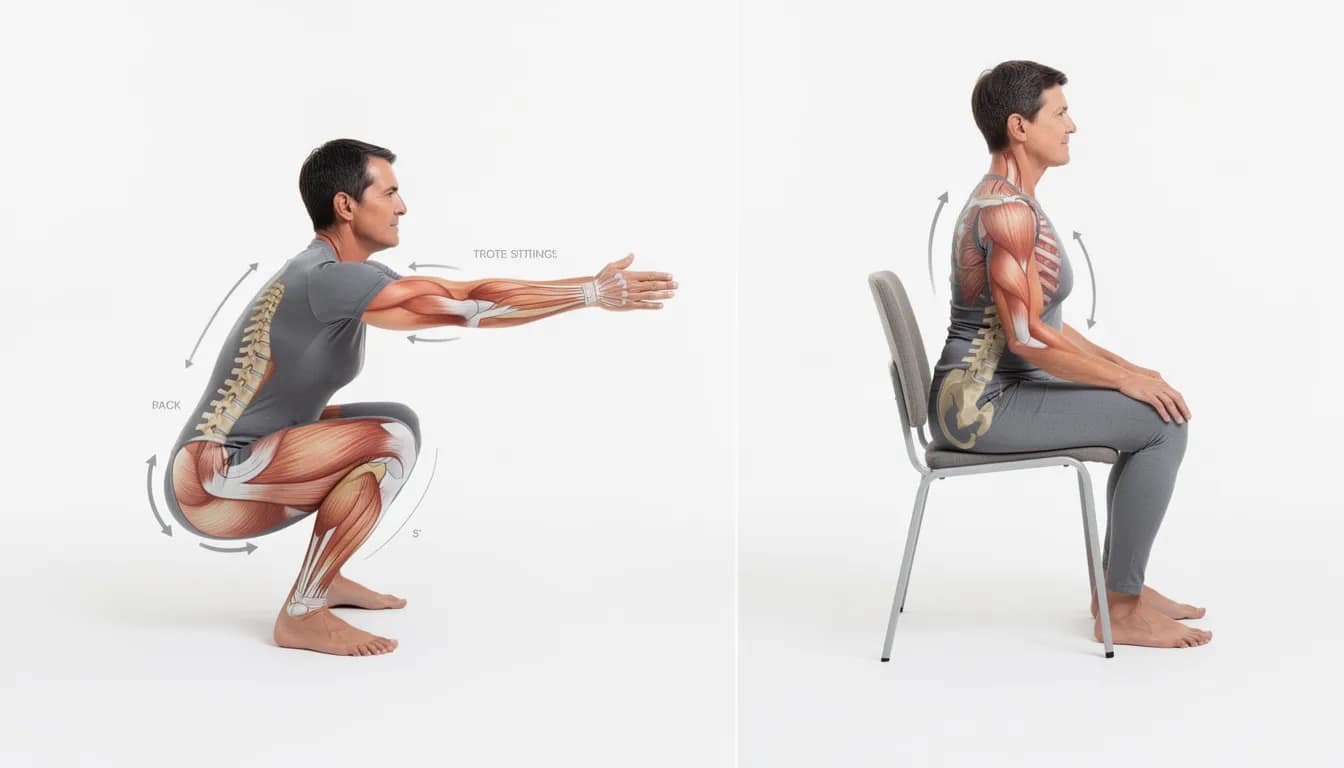
Traditional sitting on Western toilets creates a significant bend in your rectum that requires more straining and effort to overcome. Think of your digestive system like a garden hose – when it’s kinked, water flow slows dramatically. When straightened, everything flows smoothly. Your rectum operates on the same principle, making the squatting position a supreme great solution for bowel movements.
The challenge is that modern toilets aren’t designed for squatting. However, you can achieve most of squatting’s benefits by using a defecation posture modification device (commonly called a foot stool or toilet stool) to elevate your knees above your hips. This modified squatting position mimics the natural posture your digestive system evolved to use, making bowel movements easier and more complete by adjusting your poop position for better results.
Research consistently shows that even partial squatting – achieved by elevating your knees just 35 degrees above your hips – provides measurable improvements in bowel movement duration and reduces the sensation of incomplete evacuation. You don’t need to achieve a full squat to experience significant benefits.
How Your Anatomy Affects Bowel Movement Posture
Understanding your pelvic floor anatomy explains why posture makes such a dramatic difference in bathroom efficiency. The star player in this anatomical drama is the puborectalis muscle, which wraps around your rectum like a supportive sling. This muscle serves a crucial function – it maintains continence when you’re standing or sitting by creating a bend in your rectum that prevents accidental bowel movements.
When you sit on the toilet in an upright position, this puborectalis muscle remains partially contracted, maintaining that protective bend. It’s doing its job perhaps too well, creating resistance that requires extra effort to overcome. The muscle doesn’t fully understand that you actually want to have a bowel movement right now.
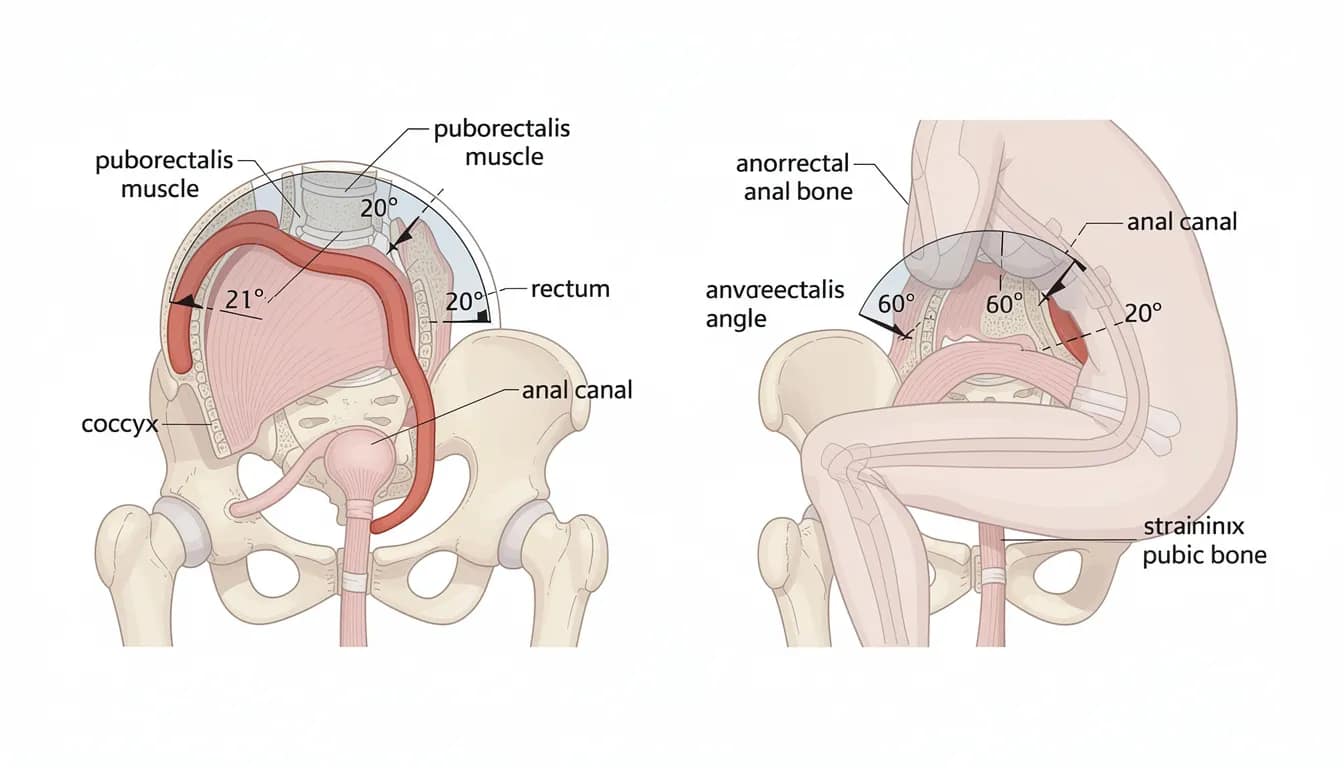
The magic happens when you move into a squatting position. The puborectalis muscle finally relaxes completely, allowing your rectum to straighten into its most efficient configuration. The anorectal angle increases from that restrictive 92 degrees to a much more accommodating 126 degrees, creating what researchers describe as an optimal “straight line” pathway for elimination.
Gravity becomes your ally in the squatting position, working with your rectal muscles rather than against them. Your abdominal muscles can work more efficiently, requiring less straining pressure to achieve complete bowel movements. This anatomical alignment explains why many people experience that “aha!” moment the first time they try proper positioning – their body finally understands what it’s supposed to be doing.
The large intestine can empty more completely in this position, reducing the likelihood of feeling like you haven’t finished. This complete evacuation is particularly important for preventing constipation and maintaining allover gut health.
Step-by-Step Guide to Perfect Pooping Posture
Achieving the ideal position for defecation doesn’t require acrobatic skills or expensive equipment. Follow this systematic approach to optimize your posture and transform your bathroom experience.
Start by placing a 6-9 inch footstool in front of your toilet. The height matters – too low and you won’t achieve adequate knee elevation; too high and you might experience leg numbness or discomfort. Most people find the 7-8 inch range works perfectly, but you may need to experiment to find your optimal height.
Sit on the toilet normally, then place both feet flat on the footstool. Your knees should now be elevated higher than your hips at approximately a 35-degree angle. This positioning mimics the natural squatting posture while maintaining the stability and comfort of sitting.
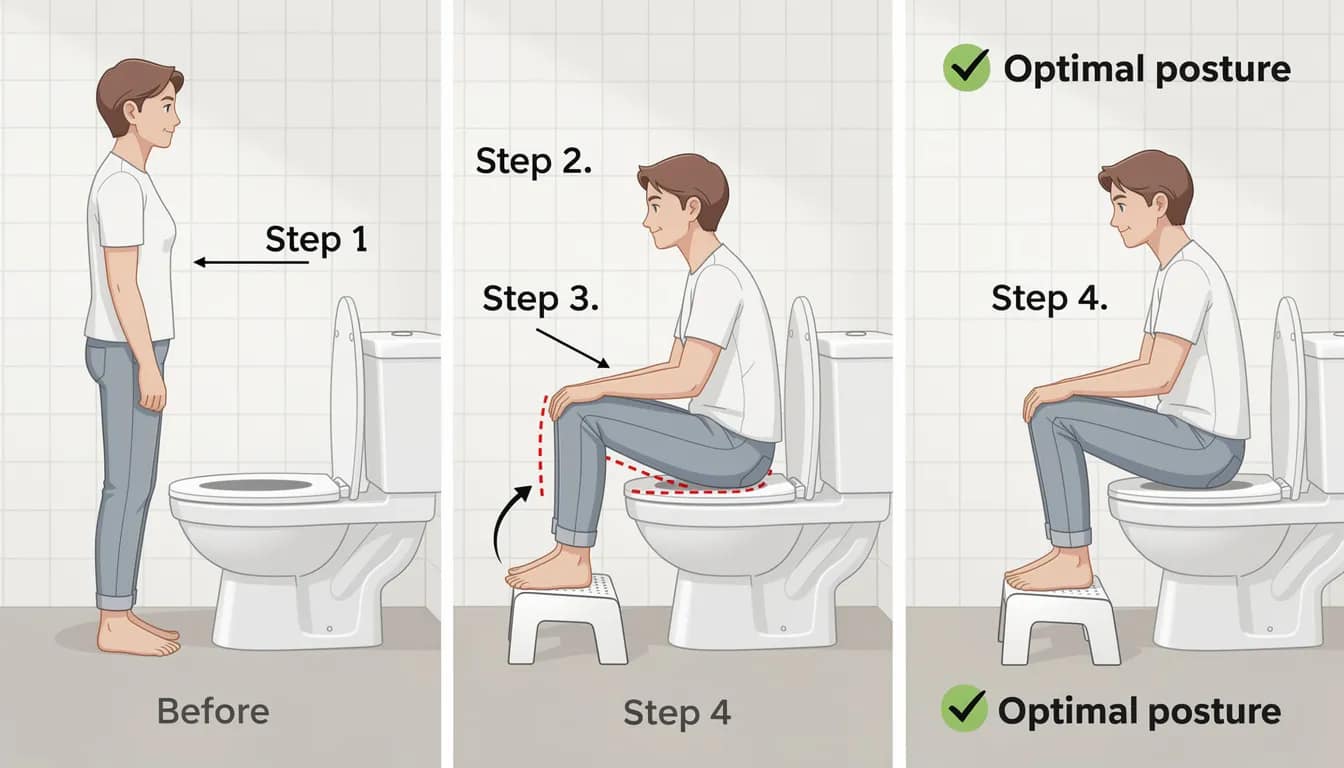
Lean forward slightly, resting your elbows on your knees or thighs. This forward lean of about 15-20 degrees further optimizes your anorectal angle. Avoid leaning too far forward (over 45 degrees) as this can compress your abdominal organs and actually make elimination more difficult.
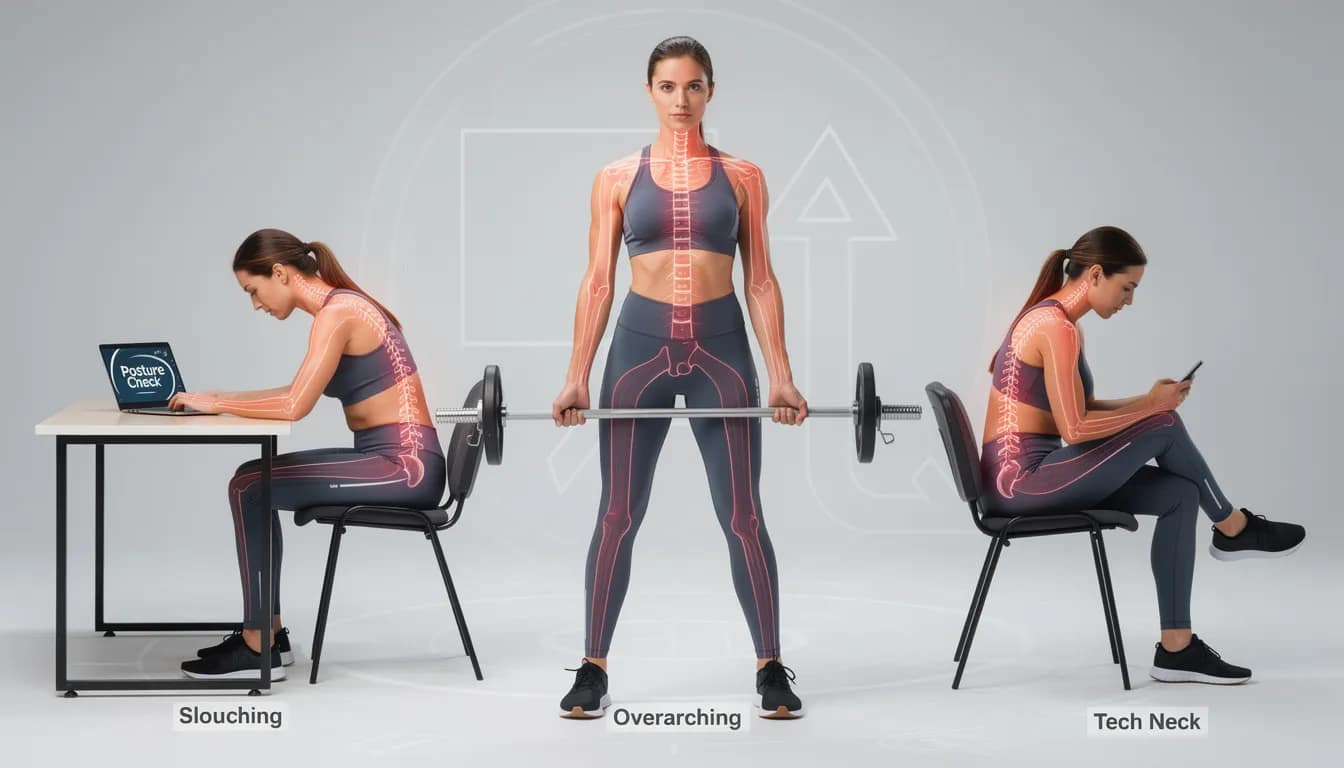
Keep your back straight rather than hunching over completely. Think of maintaining good posture while leaning forward from your hips, not curving your spine. Your feet should remain hip-width apart on the footstool for optimal stability and muscle engagement.
Breathe naturally and avoid holding your breath while attempting to have a bowel movement. Many people instinctively hold their breath when concentrating, but natural breathing helps your pelvic floor muscles stay relaxed. Deep, slow breaths can actually facilitate the relaxation needed for easy elimination.
Allow your body time to adjust to this new position. The first few times might feel awkward, but most people adapt quickly once they experience the efficiency improvements. Remember that this positioning works best when you lean forward slightly with your hips flexed, creating the closest approximation to natural squatting that’s practical on modern toilets.
Tools and Equipment for Better Bathroom Posture
Commercial Footstools and Toilet Aids
The market offers numerous options for achieving better defecation posture, with the Squatty Potty being the most recognizable brand. The Squatty Potty Original stands 7 inches high, fits neatly around most toilet bases, and costs approximately $25-35. Its curved design allows it to slide under the toilet when not in use, making it ideal for shared bathrooms.
Bamboo toilet stools present an eco-friendly alternative, typically ranging from $30-50. These sustainable options often feature attractive wood grain finishes that complement modern bathroom decor while providing the same postural benefits as plastic alternatives.
For households with multiple users of different heights, adjustable stools offer versatility. These models typically adjust from 6-9 inches and cost between $40-60. Some feature telescoping legs, while others use removable spacers to customize the height for each family member.
Travelers dealing with digestive conditions can benefit from portable, foldable stools designed specifically for consistent posture away from home. These compact options fold flat for easy packing and typically weigh less than two pounds. While slightly more expensive at $50-80, they ensure you can maintain optimal posture regardless of toilet designs encountered during travel.
DIY Alternatives Using Household Items
You don’t need to purchase specialized equipment to start experimenting with better pooping posture. A stack of hardcover books approximately 6-8 inches high works as an immediate test solution. Wrap them in a towel for comfort and stability, though this arrangement works best as a temporary trial before investing in proper equipment.
Small step stools designed for children often provide the perfect height for adult foot elevation. Check that the stool can support adult weight safely and provides adequate width for comfortable foot placement.
An overturned storage container or sturdy plastic bins can serve as makeshift foot elevation. Ensure whatever you use can safely support your weight and won’t slide around on your bathroom floor. Adding rubber pads to the bottom prevents slipping.
Yoga blocks offer another creative solution, particularly the larger foam varieties. Two blocks side by side often provide the right height and width, plus they’re designed to support body weight during exercise. This option works well for people already practicing yoga who have blocks available.
Research and Scientific Evidence
The scientific literature consistently supports the benefits of modified defecation posture across multiple studies and populations. A landmark 2019 Japanese study involving 52 participants demonstrated that using squatting devices resulted in 51% faster bowel movements compared to standard sitting positions. Participants reported significant improvements in both efficiency and comfort.
Iranian research published in 2020 focused specifically on straining reduction, finding a remarkable 34% decrease in the effort required for complete evacuation when participants used elevated foot positioning. This study was particularly significant because it measured objective physiological responses rather than relying solely on subjective reports.
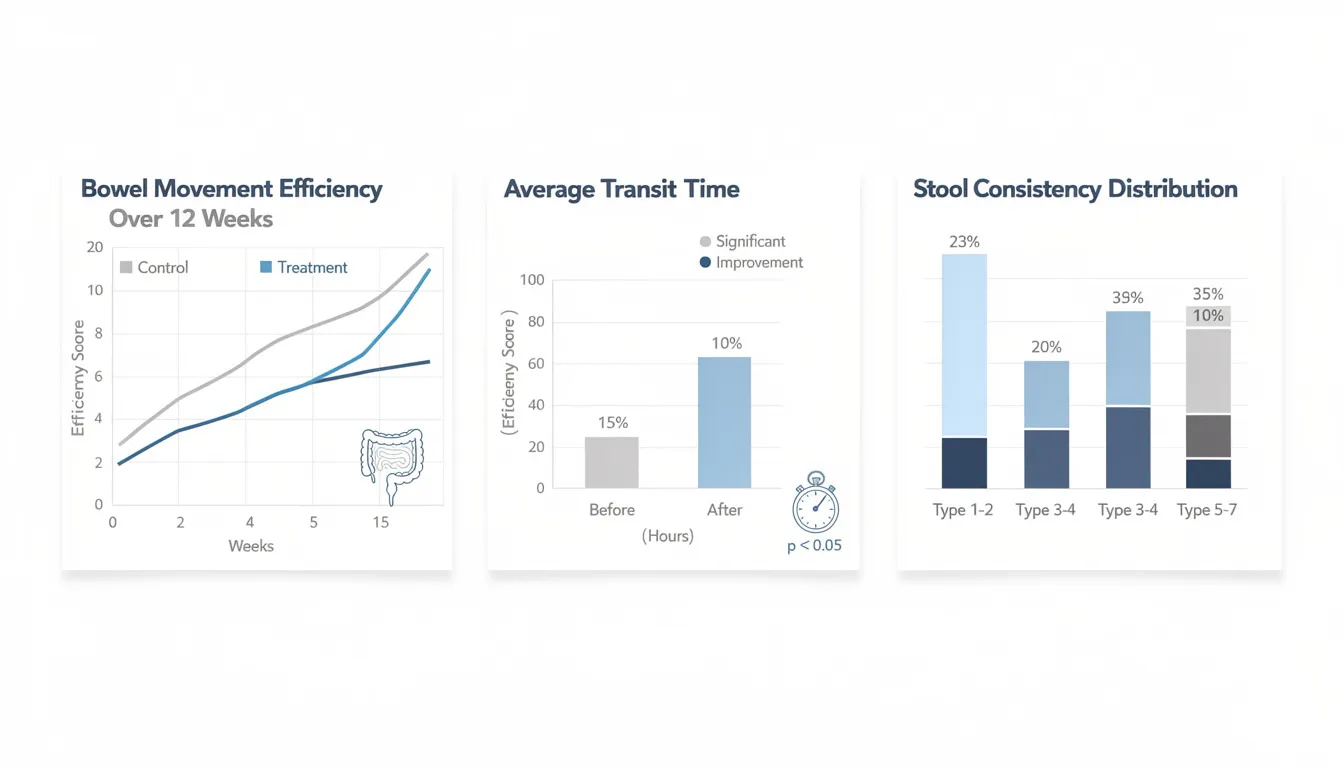
A comprehensive Taiwanese study tracked evacuation times precisely, documenting improvements from an average of 130 seconds in standard sitting positions to just 51 seconds when using proper foot elevation. This represents a 60% reduction in bowel movement duration – a substantial time savings that adds up over months and years.
Perhaps most convincingly, a meta-analysis examining six different studies found consistent improvements in defecation efficiency with posture modification across diverse populations and study designs. This type of analysis, which combines results from multiple independent studies, provides the strongest scientific evidence for treatment effectiveness.
Additional research has documented specific improvements in symptoms of constipation, with many participants reporting more complete emptying and reduced need for straining. These studies consistently show that proper positioning helps manage digestive conditions more effectively than posture changes alone, though they work synergistically with other treatments.
The research also indicates that benefits appear quickly – most participants notice improvements within the first week of consistent posture modification, making this a low-risk intervention worth trying for anyone experiencing digestive difficulties.
Leaning Forward vs Backward: Which Direction Works Best
The direction you lean while on the toilet significantly impacts the effectiveness of your bowel movements, and the research strongly favors forward leaning. A gentle forward lean of 15-20 degrees optimizes your rectoanal angle, creating the most efficient pathway for elimination while maintaining comfort and stability.
This forward positioning works by further straightening the natural bend in your rectum, complementing the benefits you gain from elevating your knees. When you lean forward slightly with your elbows resting on your knees, you’re essentially creating the closest possible approximation to natural squatting while remaining seated.
Leaning too far forward, however, can become counterproductive. Angles exceeding 45 degrees may compress your abdominal organs, potentially making it harder rather than easier to have a complete bowel movement. The key is finding that sweet spot where you feel a gentle stretch in your hip area without strain in your back or compression in your abdomen.
Backward leaning actually increases the bend in your rectoanal angle, making evacuation more difficult. This position works against your digestive system’s natural mechanics, requiring more straining and potentially contributing to issues like hemorrhoids or other bowel disorders over time.
Some people instinctively lean backward during bowel movements, often because they’re compensating for suboptimal positioning or trying to create more abdominal pressure. However, proper forward positioning with elevated knees typically eliminates the need for this compensation, allowing your pelvic floor muscles to function as designed.
A gentle rocking motion between neutral and slightly forward positions can help stimulate natural bowel reflexes, particularly for people dealing with occasional constipation. This movement encourages your digestive system’s natural peristaltic waves while maintaining optimal anatomical alignment.
Health Benefits of Proper Pooping Posture
Adopting optimal defecation posture provides measurable health benefits that extend far beyond bathroom convenience. Research indicates that proper positioning reduces the risk of hemorrhoids by decreasing straining pressure by up to 40%. This reduction occurs because the straightened rectum requires significantly less force to empty, reducing the pressure on delicate anal blood vessels.
Preventing pelvic floor dysfunction represents another crucial benefit, particularly for women who may develop urinary incontinence from excessive straining over time. When you can achieve complete bowel movements without straining, you preserve the integrity of your pelvic floor muscles that support both bowel and bladder function.
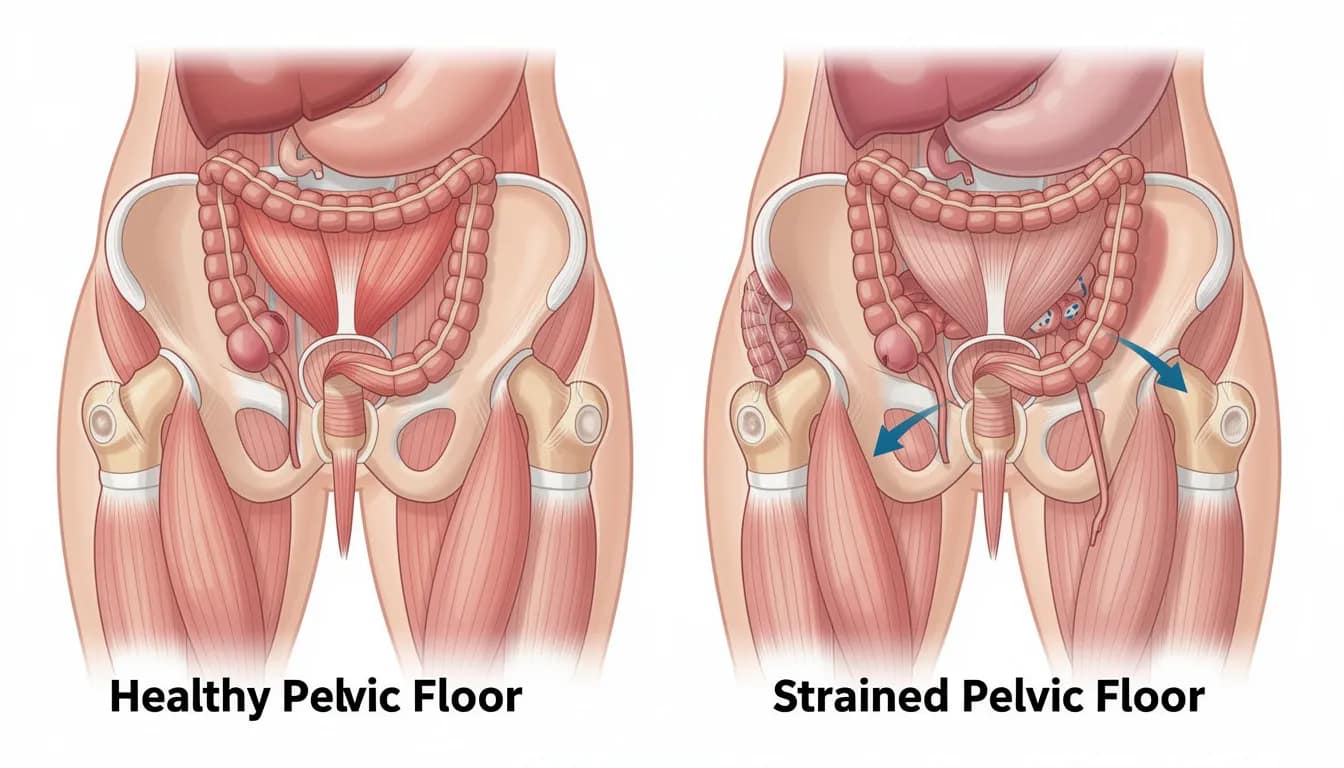
The decreased straining also reduces the likelihood of developing anal fissures – painful tears in the anal tissue that can result from forcing hard stools through a bent rectum. Proper posture allows for gentler, more natural evacuation that protects these delicate tissues.
Improved complete evacuation offers benefits for your overall digestive wellness. When your bowel movements are more thorough, you reduce the toxic buildup that can occur when waste remains in your large intestine longer than necessary. This more complete emptying supports your body’s natural detoxification processes.
Long-term benefits may include reduced risk of diverticular disease, a condition where small pouches form in the colon wall, often related to chronic straining and incomplete evacuation. While multiple factors contribute to this condition, reducing straining pressure through better posture may offer protective benefits.
Many people also report improved energy and mental clarity following more efficient bowel movements. This connection between digestive efficiency and overall well-being reflects the intimate relationship between gut health and whole body health, including skin health and immune support.
Common Mistakes and How to Avoid Them
Using a footstool that’s too high represents one of the most frequent errors people make when trying to improve their pooping posture. Stools over 10 inches can cause leg numbness, circulation problems, and actually make it harder to maintain proper positioning. If your legs start falling asleep, your stool is likely too high.
Rushing the process instead of allowing your natural reflexes to work defeats the purpose of postural optimization. Even with perfect positioning, your body needs time for the complex coordination between your nervous system, abdominal muscles, and pelvic floor. Give yourself at least 5-10 minutes to allow the position to work effectively.
Straining or holding your breath increases abdominal pressure unnecessarily and works against the natural relaxation that proper positioning encourages. Your improved posture should make elimination easier, not require more force. If you find yourself straining significantly, check your foot stool height and forward lean angle.
Sitting too long on the toilet, particularly over 10-15 minutes, can actually worsen hemorrhoids and other digestive conditions regardless of your positioning. Prolonged sitting increases pressure on anal blood vessels. If nothing happens within 15 minutes, it’s better to try again later when you feel a natural urge.
Ignoring natural urges and delaying bathroom visits trains your body to suppress its normal elimination reflexes. This habit can lead to chronic constipation as your digestive system becomes less responsive to signals for bowel movements. When you feel the urge, respond within a reasonable timeframe.
Many people also make the mistake of changing too many variables at once. If you’re starting a new posture routine while also changing your diet, adding fiber rich foods, or taking stimulant laxatives, you won’t know which intervention is providing benefits. Start with posture modification alone, then add other changes gradually.
Finally, expecting immediate dramatic changes can lead to disappointment. While many people notice improvements within days, some bodies take up to a week to adapt to new positioning. Consistency matters more than perfect execution during the adjustment period.
Additional Tips for Constipation Relief
While proper posture forms the foundation of efficient elimination, combining it with other evidence-based strategies creates a comprehensive approach to preventing constipation and maintaining optimal digestive health. Staying hydrated by drinking 8-10 glasses of water daily helps maintain proper stool consistency, making elimination easier regardless of your position.
Consuming 25-35 grams of fiber daily from fruits, vegetables, and whole grains provides the bulk necessary for healthy bowel movements. Focus on leafy greens, beans, and whole grains rather than relying solely on fiber supplements. This natural approach supports your digestive system’s overall function while working synergistically with proper posture.
Regular exercise plays a crucial role in digestive motility. Taking 10-15 minute walks after meals stimulates the natural muscular contractions that move waste through your large intestine. This gentle movement, combined with proper toilet positioning, creates an optimal environment for regular elimination.

Establishing a regular bathroom schedule helps train your digestive system to work predictably. Try sitting on the toilet 15-30 minutes after breakfast, when your body’s natural gastrocolic reflex is strongest. This timing, combined with proper posture, maximizes your chances of successful elimination.
Consider probiotics containing 10-50 billion CFUs to support gut health and regularity. These beneficial bacteria help maintain the healthy digestive environment necessary for proper bowel function. Look for products containing multiple strains rather than single-strain formulations. In addition to probiotics, consider adding a comprehensive vitamin to your routine for overall health and digestive support. High-quality supplements like d supreme can further support gut and immune health. Choosing a health vitamin can also promote bone health, immune support, and gut health as part of a well-rounded approach.
Manage stress through relaxation techniques, as chronic stress can significantly impact digestive function and contribute to both chronic constipation and chronic diarrhea. Your digestive system contains more nerve cells than your spinal cord, making it extremely sensitive to psychological stress.
For those dealing with specific digestive conditions like irritable bowel syndrome or ulcerative colitis, work with healthcare providers to develop comprehensive treatment plans that include postural modification alongside other medical interventions.
When to Consult a Healthcare Professional
While improved pooping posture can significantly help with common digestive issues, certain symptoms require professional medical evaluation. Constipation lasting more than 3 weeks despite posture changes, dietary modifications, and lifestyle adjustments warrants a healthcare consultation to rule out underlying conditions.
Blood in your stool or severe abdominal pain during bowel movements always requires immediate medical attention. These symptoms could indicate serious digestive disorders that need proper diagnosis and treatment beyond simple posture modification.
Sudden changes in bowel movement frequency, consistency, or other symptoms that persist for more than 2 weeks should be evaluated by a healthcare professional. This is particularly important for older adults, who may experience digestive changes related to medications or age-related health conditions.
Complete inability to pass stool for more than 3 days represents a medical emergency requiring immediate attention. This level of constipation can indicate serious blockages or other conditions that need professional treatment.
If digestive symptoms are accompanied by unexplained weight loss, fever, or severe fatigue, seek medical evaluation promptly. These additional symptoms might indicate underlying health conditions that require comprehensive diagnostic evaluation and treatment.
Remember that while proper posture represents an excellent first-line approach for digestive wellness and health promotion, it’s one tool in a comprehensive toolkit. Healthcare providers can help you develop personalized strategies that might include dietary changes, stress management, calcium absorption optimization through diet, and other interventions tailored to your specific needs.
Don’t hesitate to discuss posture modification devices like a potty stool with your healthcare provider, particularly if you’re dealing with chronic digestive conditions. Most medical professionals appreciate patients who take proactive steps toward managing their health and can provide valuable guidance on integrating postural changes with other treatments.
Your digestive health impacts your whole body health, from immune support to heart health, making it worth investing in proper evaluation and treatment when simple interventions aren’t sufficient. The combination of professional guidance and evidence-based self-care strategies like optimal posture creates the best foundation for long-term digestive wellness and overall health.
Conclusion and Next Steps
Look, optimizing your pooping posture is basically the bathroom hack you never knew you needed – but once you try it, you’ll wonder how you’ve been doing this wrong your entire adult life. Grab yourself a toilet stool or potty stool (yes, that’s a real thing and no, it’s not just for toddlers), lean forward a little like you’re about to tell someone a secret, and get those knees up higher than your hips. Your body will go “oh THAT’S what we’re supposed to be doing” and suddenly everything just… works better. It’s like finally finding the right angle for your phone charger, except for your digestive system.
Here’s the thing though – you can’t just fix your squat game and call it a day. The real magic happens when you team up your new bathroom posture with the good stuff: fiber-rich foods that actually move things along, enough water to keep everything flowing (and I mean ENOUGH, not just that one sad glass you had at lunch), and some regular movement to keep your whole system happy. Think of it as the holy trinity of not being miserable in the bathroom. If you’re dealing with the fun stuff like chronic constipation or irritable bowel syndrome, this combo can be a total game-changer for managing all those annoying symptoms and getting your gut back on track.
Now, as you’re figuring this whole thing out, pay attention to what your body’s telling you. Everyone’s digestive system has its own personality – some are drama queens, some are super chill, and some need a little extra coaxing. It might take some time to find your sweet spot and routine, which is totally normal. But if you’re still stuck in bathroom purgatory after giving these changes a fair shot, don’t be a hero about it – go talk to a healthcare professional who can give you the personalized game plan your body actually needs.
Taking control of your digestive situation isn’t just about better bathroom breaks (though honestly, that alone is worth it). It’s like upgrading your entire body’s operating system – better immune function, clearer skin, more energy, the whole package. Start small, keep it sustainable, and before you know it, you’ll be that person who actually looks forward to bathroom time instead of dreading it. Your future self will thank you for finally getting your digestive act together.
Additional Resources
Ready to stop treating your bathroom visits like a daily mystery novel where you never know how it’s gonna end? Here are some absolutely game-changing resources to help you figure out this whole pooping thing once and for all:
- International Foundation for Gastrointestinal Disorders (IFFGD): www.iffgd.org – These folks have the real deal on all those digestive disasters you’ve been Googling at 2 AM, from the “why does my stomach hate me” syndrome to the “I haven’t pooped in three days” panic.
- The Squatty Potty® Official Site: www.squattypotty.com – Turns out your toilet posture has been completely wrong this whole time. Who knew that little stool could be the difference between struggle-city and smooth sailing?
- Mayo Clinic – Constipation Basics: www.mayoclinic.org – Finally, some no-nonsense advice that doesn’t involve your aunt’s weird prune juice recipe or drinking more water (though seriously, drink more water).
- Harvard Health – Fiber: How Much Do You Need?: www.health.harvard.edu – Because apparently just throwing random vegetables at your face isn’t the scientific approach to getting things moving down there.
- Yoga for Digestive Health: Search for local classes or online videos that focus on gentle movement and poses to support gut health and pelvic floor muscles – Yeah, your insides need a good stretch too, and trust me, your bathroom routine will thank you for it.
- Digestive Health Newsletter: Subscribe to reputable newsletters for weekly or twice weekly insights, tips, and the latest research on digestive conditions and overall gut health – Because staying updated on poop science is totally normal adult behavior, right?
For more support, consider joining online forums or support groups for people managing digestive disorders – seriously, you’ll find your people who actually understand why you’re excited about a good bowel movement. And don’t forget to check with your healthcare provider before making significant changes to your health routine, especially if you have chronic digestive conditions (because nobody wants to be that person who messed themselves up following internet advice).
Your journey to better digestive health starts with knowledge, the right tools, and a commitment to small, positive changes – basically, it’s time to get your poop together and become the bathroom champion you were always meant to be.