
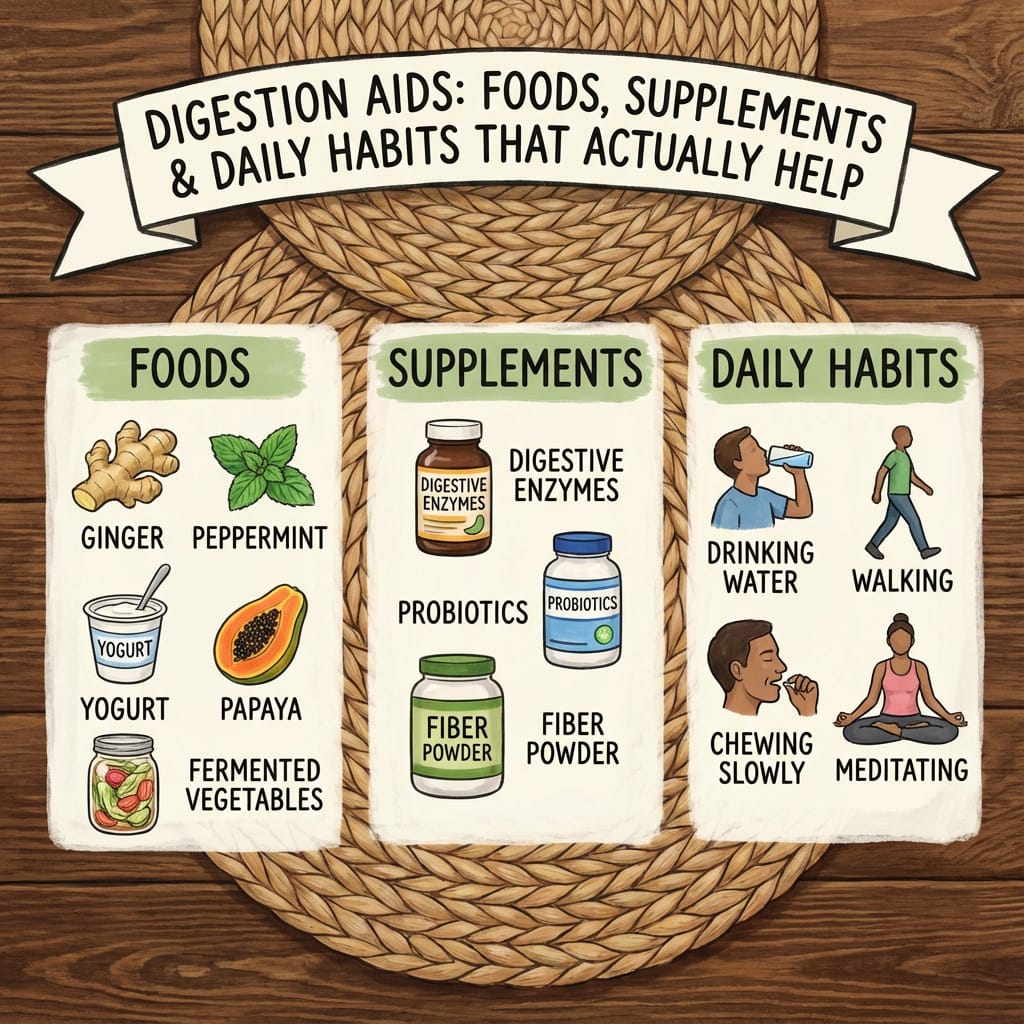
Let’s be honest—nobody wants to think about their digestive system until it starts making itself known. The bloating that turns your favorite jeans into a torture device. The after-dinner heartburn that has you sleeping propped up like a hospital patient. The bathroom schedule that’s become as unpredictable as British weather.
Here’s the thing: your digestive tract is processing roughly 30 tons of food over a lifetime, and it could probably use some backup. The good news? You don’t need a pharmacy’s worth of pills or a degree in gastroenterology to help it along. The right digestion aids—from everyday foods to targeted supplements to simple habit shifts—can make a genuine difference.
This guide covers the practical stuff that actually works. No mystical cleanses. No expensive miracle cures. Just straightforward strategies backed by what research shows and what real stomachs actually respond to.
Quick-start: simple digestion aids you can use today
Before we dive into the science and the specifics, here are immediate wins you can implement right now. Think of this as your cheat sheet while you read the rest.
- Drink 1–2 glasses of water with each meal to help your body break down food and keep things moving
- Add one piece of fruit and one serving of vegetables to your day—today, not Monday
- Walk for 10–15 minutes after dinner instead of collapsing on the sofa immediately
- Swap one fried meal this week for a grilled, baked, or steamed option
- Try a small pot of yogurt with live and active cultures at breakfast or as a snack
- Sip peppermint tea or ginger tea after a heavy meal if you’re prone to bloating
- Eat a ripe banana or a bowl of oats—both are gentle, effective digestion aids that most stomachs tolerate well
These aren’t complicated. They’re not expensive. But stacked together, they create an environment where your gut health can actually improve. The sections below explain why these work and give you even more options to choose from.
How digestion works and why it needs support
Your digestive system is essentially a long, sophisticated processing plant that runs from your mouth to your colon. Food enters, gets mechanically broken down by chewing and muscle contractions, then chemically dismantled by stomach acid, bile, and digestive enzymes. Along the way, nutrients get absorbed through the walls of your small intestine, and what’s left continues to your large intestine where water is reclaimed and waste is formed.
When this digestive process works smoothly, you barely notice it. When it doesn’t? You notice everything—the bloating, the gas, the stomach pain, the constipation or diarrhea that throws off your entire day.
Modern life hasn’t been kind to our guts. Low-fiber diets packed with processed foods, sedentary desk jobs, high-fat fried foods grabbed on the go, and chronic stress all conspire against smooth digestion. Irritable bowel syndrome now affects roughly 10–15% of adults in Western countries, and digestive problems like acid reflux and constipation are among the most common reasons people visit their doctors.
This is where digestion aids come in. These are simply foods, habits, or targeted supplements that support your body’s natural digestive work. Supporting bowel health is a key goal of using digestion aids, as a healthy bowel is essential for overall gut function and preventing digestive diseases. Fiber and probiotics are especially beneficial for maintaining or improving bowel health by promoting beneficial gut bacteria and regularity. Some aids are foundational—eating more fiber rich foods, drinking enough water, moving your body. Others are more specialized—probiotic supplements for gut bacteria balance, digestive enzymes for specific intolerances, fiber supplements when food alone isn’t enough. The key is matching the right aid to what your body actually needs.
Managing blood sugar and digestion: why it matters and how to do it
When it comes to digestive health, blood sugar might not be the first thing on your mind—but it should be. Research shows that the digestive system and blood sugar regulation are closely linked, especially for people dealing with digestive disorders like irritable bowel syndrome or inflammatory bowel disease. Fluctuating blood sugar can make digestive problems worse, and a struggling digestive tract can, in turn, throw your blood sugar out of balance.
So, how do you keep both your gut and your glucose in check? Start with fiber rich foods. Whole grains, leafy greens, and citrus fruits are all-stars here—they slow down the digestion of carbohydrates, helping to prevent those sharp blood sugar spikes that can leave you feeling sluggish or jittery. These foods also feed healthy gut bacteria, which play a crucial role in maintaining a healthy gut and supporting overall digestion.
Fermented foods, such as miso soup, are another secret weapon. They encourage the growth of healthy gut bacteria, which not only aid digestion but also help your body process and regulate blood sugar more efficiently. A gut full of friendly bacteria is better equipped to handle the ups and downs of daily eating, reducing your risk of digestive problems like acid reflux and even more serious health issues.
To put it simply: a diet rich in whole grains, leafy greens, citrus fruits, and fermented foods supports both your digestive system and your blood sugar. This double benefit can help ease symptoms of digestive disorders, keep your gut health on track, and lower your risk of developing conditions like inflammatory bowel disease. It’s a win-win for your gut and your overall health.
Fibre-rich digestion aids: whole foods that keep things moving
If there’s one digestion aid that outperforms almost everything else for sheer reliability, it’s fiber. This isn’t glamorous advice, but it works. Fiber adds bulk to your stool, helps it retain water so it passes more easily, and feeds the healthy gut bacteria that influence everything from immunity to how gassy you feel after lunch.
The numbers matter here. According to the U.S. National Academy of Medicine, adult women should aim for about 25 grams of fiber daily, and adult men should target around 38 grams of fiber. Most people get roughly half that. Closing this gap is one of the most impactful things you can do for bowel regularity and overall health.
There are two types worth knowing about. Soluble fiber dissolves in water to form a gel-like substance that slows digestion and helps stabilize blood sugar. Think oats, barley, apples, and beans. Insoluble fiber doesn’t dissolve—it adds bulk to stool and helps break down food particles move through your digestive tract faster. Think whole wheat, brown rice, vegetables, and the skins of fruits.
Stock your kitchen with these high-fiber digestion aids:
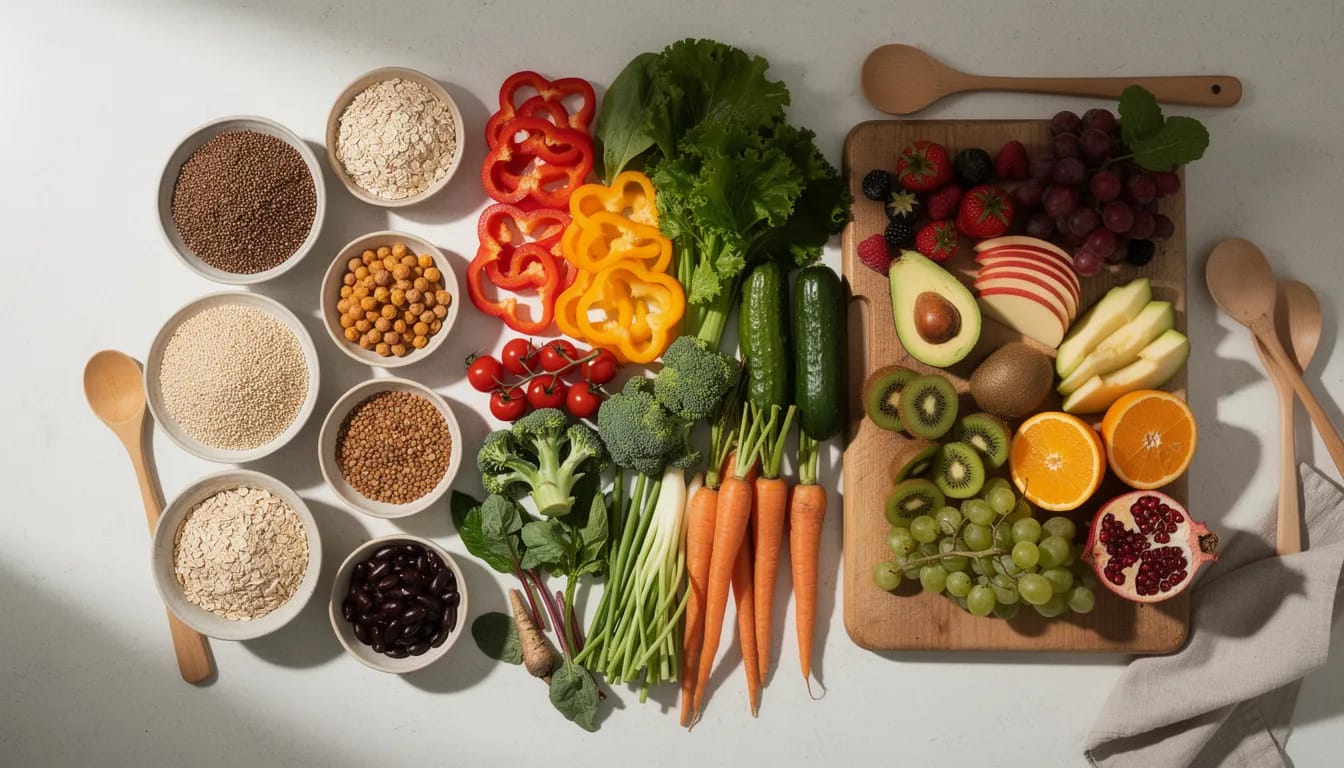
- Grains: oats, barley, wholegrain bread, brown rice, quinoa, whole wheat pasta
- Legumes: beans, lentils, chickpeas, black-eyed peas
- Seeds: chia seeds, flaxseeds, pumpkin seeds
- Fruits: apples, pears, berries, bananas, oranges
- Vegetables: carrots, beetroot, broccoli, Brussels sprouts, leafy greens like spinach and kale
One important note: if you’re prone to irritable bowel syndrome or bloating, don’t go from 12 grams of fiber to 35 grams overnight. Your gut needs time to adjust. Increase gradually over 1–2 weeks and drink plenty of water alongside—fiber without fluid can actually worsen constipation rather than relieve constipation.
Practical ways to add more fibre without upsetting your stomach
- Swap white bread for wholegrain bread—even just for your morning toast
- Trade sugary breakfast cereal for porridge oats topped with berries
- Replace white rice with brown rice or quinoa (start with a 50/50 mix if the texture feels strange)
- Snack on a small handful of nuts and seeds instead of crisps
- Add a side salad with mixed leafy greens to lunch
- Make overnight oats with chia seeds and berries—prep the night before, eat in the morning
- Cook lentil soup or dal twice a week as an easy fiber boost
- Throw a handful of spinach into smoothies, scrambled eggs, or pasta sauces
- Increase fiber gradually—roughly 5 extra grams every few days
- Pair every fiber increase with extra fluids (water, herbal tea) to help it work properly
The goal isn’t perfection on day one. It’s building habits that stick.
Hydration and gut-friendly drinks
Water doesn’t get the credit it deserves as a digestion aid. It dissolves nutrients so your body can absorb them, keeps stool soft enough to pass without straining, and works in partnership with fiber to prevent the uncomfortable backup that makes you feel sluggish and bloated.
Most adults should aim for around 1.5–2 litres of fluid per day. This increases if you’re exercising, sweating in hot weather, or eating more fiber than usual. Some people need to restrict fluids for medical reasons—always follow your doctor’s advice if that applies to you.
Not all drinks are created equal for digestion. Water—plain, still, room temperature or cold—is the gold standard. Weak herbal teas like peppermint, ginger, and chamomile can soothe the digestive tract and ease symptoms of bloating or nausea. Diluted fruit juice in small amounts is fine for most people. Warm water with lemon works well for some, though the “detox” claims attached to it are mostly marketing fluff.
Practical hydration habits:
- Keep a refillable water bottle at your desk and take sips throughout the day
- Drink a glass of water with each meal to aid digestion
- Start your morning with a glass of water before coffee
- Sip slowly rather than gulping large amounts at once
- Choose herbal teas in the evening when you’re winding down
Drinks that may aggravate digestive issues
- Sugary fizzy drinks: The carbonation causes gas build-up, and excess sugar can trigger diarrhea in some people
- Large amounts of fruit juice: High in sugar and acidic, which can worsen acid reflux and upset stomachs
- Strong coffee (more than 2–3 cups): Can increase stomach acid, trigger heartburn, and speed up bowel movements uncomfortably
- Highly caffeinated energy drinks: Often combine caffeine, sugar, and carbonation—a triple threat for sensitive guts
- Alcohol, especially spirits and large volumes of beer: Irritates the stomach lining, disrupts gut bacteria, and can cause diarrhea
- Very acidic mixers: Citrus fruits juices and tomato-based drinks may worsen gastroesophageal reflux disease symptoms
Gentler alternatives:
- Caffeine-free herbal teas instead of coffee after 2pm
- Still water with a splash of juice instead of fizzy drinks
- Low-fat milk or lactose-free milk if dairy products don’t trigger symptoms
- Plant-based milks (oat, almond, soy) if you struggle to digest lactose
Fat, spice, and common food triggers to go easy on
Sometimes the best digestion aid isn’t adding something—it’s removing what’s causing trouble. Certain foods are notorious for slowing digestion, irritating the gut lining, or triggering symptoms like heartburn, cramping, and urgent bathroom trips.
High-fat foods like fried foods (chips, fried chicken, battered fish), creamy sauces, pastries, and fast-food burgers sit heavily in your stomach. Fat takes longer to digest than protein or carbohydrates, and for people with irritable bowel syndrome, inflammatory bowel disease, or functional dyspepsia, greasy meals often trigger bloating, nausea, and abdominal pain. They also relax the lower oesophageal sphincter, making acid reflux more likely.
Spicy foods—chilli, hot curry, jalapeños, sriracha—are common triggers for heartburn, diarrhea, and stomach upset. This doesn’t mean you need to eat bland food forever, but if you’re experiencing digestive disorders, dialing back the heat often helps.
Acidic foods and drinks deserve attention too. Tomato-based sauces, citrus fruits and juices, vinegar-heavy dressings, and even chocolate can worsen reflux symptoms in susceptible people. Coffee and peppermint, while helpful for some digestive issues, can actually aggravate gastroesophageal reflux disease by relaxing that sphincter valve.
Common trigger foods to watch:
- Fried foods (chips, fried chicken, doughnuts, battered anything)
- Creamy, high-fat sauces and dressings
- Spicy dishes with lots of chilli
- Large amounts of raw onion and garlic (especially for IBS)
- Tomato sauces and citrus fruits juices
- Chocolate (sadly)
- Fatty cuts of red meat
The best way to identify your personal triggers is keeping a simple food and symptom diary for 1–2 weeks. Write down what you eat, when symptoms appear, and how severe they are. Patterns usually emerge quickly.
Gentler cooking methods and swaps for a calmer gut
- Grill, bake, steam, or air-fry instead of deep-frying—you’ll cut fat significantly without sacrificing flavour
- Trim visible fat from meat and choose lean cuts like chicken breast, turkey, and white fish
- Use herbs for flavour: basil, parsley, dill, thyme, and rosemary add interest without irritation
- Try mild spices in smaller amounts: turmeric, coriander, and cumin are often tolerated better than chilli
- Swap tomato sauce for cream-based or vegetable-based sauces if tomatoes trigger your reflux
- Choose grilled salmon with steamed vegetables instead of fish and chips
- Replace 2–3 fried or takeaway meals per week with home-cooked alternatives—start there, not with a total diet overhaul
Small, sustainable swaps beat dramatic short-lived changes every time.
Probiotics, prebiotics, and fermented foods as digestion aids
Your gut is home to trillions of bacteria, fungi, and other microorganisms—collectively called the gut microbiome. These good bacteria do more than just sit there. They help break down certain nutrients your own enzymes can’t handle, produce short chain fatty acids that nourish your intestinal lining, influence gas production, support your immune system (a weakened immune system often starts with gut problems), and even communicate with your brain.
Probiotics are live friendly bacteria—like certain strains of Lactobacillus and Bifidobacterium—that you consume through food or dietary supplements to support this internal ecosystem. Prebiotics are types of fiber that feed these healthy bacteria, helping them thrive. Think of probiotics as planting seeds and prebiotics as fertilizing the soil.
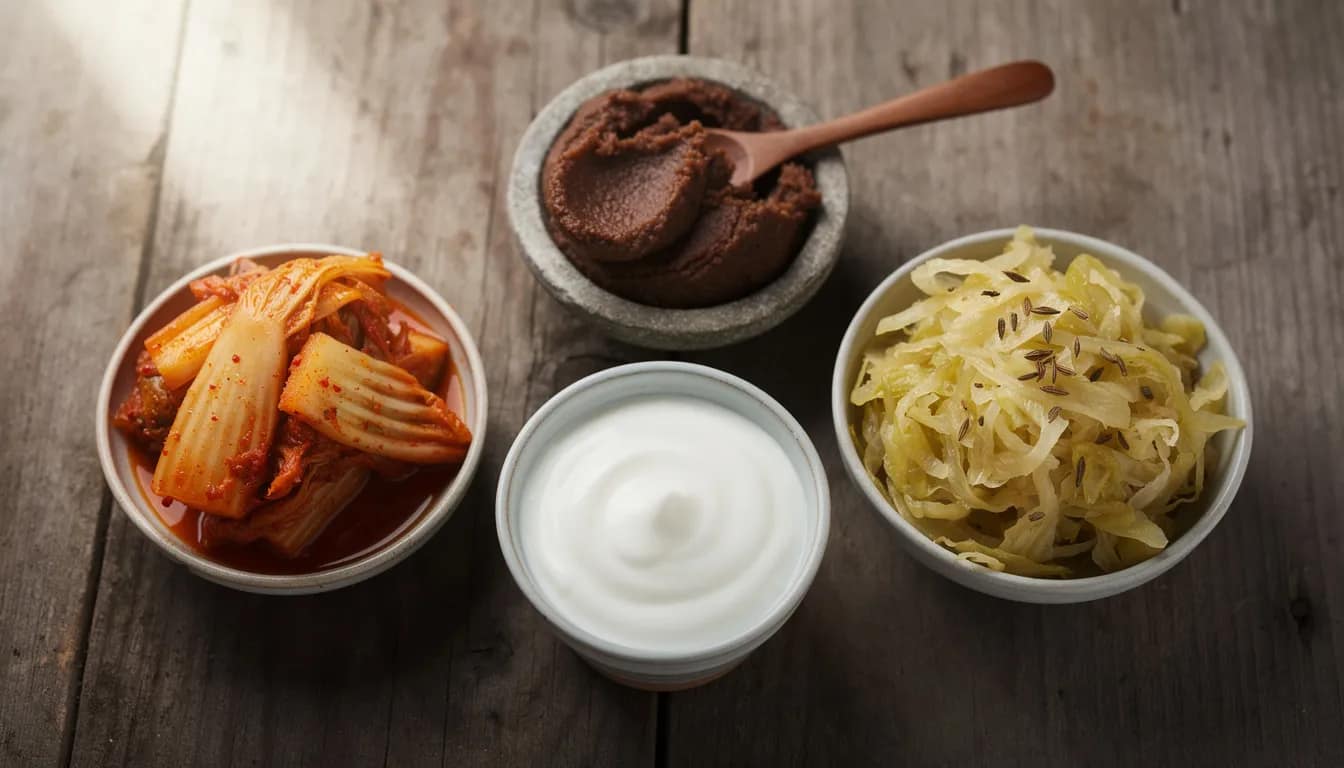
Fermented foods are the original probiotic delivery system. During fermentation, bacteria break down sugars and produce beneficial compounds. These foods, such as kimchi, also contribute to maintaining or improving bowel health by promoting beneficial gut bacteria. Look for foods like:
- Yogurt with live and active cultures (check food labels—not all yogurt contains them)
- Kefir—a tangy fermented milk drink with diverse bacterial strains
- Kimchi—Korean fermented cabbage, spicy and rich in good bacteria
- Sauerkraut—fermented cabbage, found naturally in the refrigerated section (shelf-stable versions are usually pasteurized, killing the bacteria)
- Miso soup—fermented soybean paste, a staple in Japanese cuisine
- Tempeh—fermented soybeans with a nutty flavour
- Kombucha—fermented tea, choose low-sugar versions
Prebiotic-rich plant foods include:
- Onions, garlic, and leeks
- Asparagus and artichokes
- Bananas (especially slightly underripe)
- Oats
- Chicory root and Jerusalem artichoke
Non-digestible fibers like inulin and chicory root are common sources of prebiotics.
A heads-up: some of these prebiotic foods are high in FODMAPs and may trigger symptoms in people with IBS. If you’re sensitive, introduce them slowly and in small amounts, or work with a dietitian to identify which ones you tolerate.
Research shows that probiotics can help some people with irritable bowel syndrome symptoms, antibiotic-associated diarrhea, and general bloating. But effects vary by strain and individual—what works brilliantly for your colleague might do nothing for you.
Choosing and using probiotic supplements safely
- Look for products listing specific strains (e.g., Lactobacillus rhamnosus GG, Bifidobacterium animalis subsp. lactis) not just genus names
- Check the label for CFU count—1–10 billion CFU per dose is typical for general digestive health
- Try one product at a time for at least 2–4 weeks to assess whether it helps your symptoms
- Store according to package directions—some require refrigeration
- Pregnant women, people with serious chronic illness, those with a weakened immune system, or anyone who’s had recent major surgery should consult a healthcare professional before taking probiotic supplements
- Mild temporary gas or bloating when starting is common—but stop and seek advice if symptoms are severe or don’t settle within a week or two
Digestive enzymes and fibre supplements as targeted aids
Sometimes the issue isn’t what you’re eating—it’s that your body struggles to break down certain foods properly. That’s where digestive enzymes come in.
Your body naturally produces enzymes throughout the digestive tract: amylase for carbohydrates, protease for proteins, lipase for fats, and brush-border enzymes like lactase for breaking down dairy sugar. When production falls short—due to age, pancreatic issues, or specific intolerances—undigested food causes bloating, gas, cramping, and other digestive issues.
Over-the-counter enzyme products typically contain some combination of:
- Lactase—helps break down lactose for people who can’t digest lactose from dairy products properly
- Alpha galactosidase—breaks down complex sugars in beans, lentils, and certain vegetables that cause gas (this is the active ingredient in products like Beano)
- Lipase—supports fat digestion
- Protease and papain/bromelain—protein-digesting enzymes derived from pigs or plant foods like papaya and pineapple
- Amylase—helps break down starches
The best digestive enzymes for you depend entirely on what you struggle to digest. If dairy products cause bloating and diarrhea, lactase tablets taken with your first bite of pizza can make a real difference. If beans and lentils turn you into a human balloon, alpha galactosidase might help.
Fibre supplements serve a different purpose. When you can’t get enough fiber from whole grains and vegetables—or when high-fiber foods cause too much discomfort—supplements like psyllium husk, methylcellulose, or wheat dextrin can fill the gap. Psyllium is particularly useful because it helps both constipation (by adding bulk and water) and mild diarrhea (by absorbing excess fluid).
That said, whole foods should remain the foundation. Supplements are exactly that—supplemental. They’re useful for targeted support, not a replacement for eating actual vegetables.
How to use supplements: directions, precautions, and labelling
- Take enzyme capsules shortly before or with the meal that typically causes problems—not hours later
- Take fibre supplements with at least a full glass of water—without enough fluid, they can cause blockages
- Be aware that in the U.S. and many other countries, supplement claims are not pre-evaluated by regulators like the FDA
- Look for disclaimers like “not intended to diagnose, treat, cure, or prevent any disease”—this is legally required language
- Check ingredient lists for allergens: dairy, soy, gluten, nuts, and shellfish may appear in enzyme or probiotic formulations
- Stop the product and seek medical advice if you experience rash, severe abdominal pain, persistent diarrhea, difficulty swallowing, or breathing problems
- Consult a healthcare professional before starting any digestion-aid supplement if you’re on prescription medications, pregnant or breastfeeding, or managing a chronic health condition
Reading food labels and supplement labels carefully isn’t paranoia—it’s basic self-preservation.
Lifestyle digestion aids: movement, posture, and stress management
Food and supplements are only part of the picture. How you move, sit, breathe, and cope with stress all influence how well your digestive system functions.
Physical activity is one of the most underrated digestion aids. A brisk 20–30 minute walk on most days stimulates intestinal contractions that move food through your system. Even a gentle 10–15 minute stroll after dinner can reduce bloating and help relieve constipation. You don’t need to run marathons—consistent, moderate movement does the job.
Posture matters more than you’d think. Sitting upright while eating allows food to travel downward naturally and reduces pressure on your stomach that can push acid upward. Avoid lying down within 2–3 hours after large meals—this is especially important if you experience heartburn or gastroesophageal reflux disease. Raising the head of your bed slightly (not just with extra pillows, but tilting the bed frame) can help with night-time reflux.
The gut-brain connection is real and powerful. Your digestive tract contains more nerve cells than your spinal cord, and it’s in constant two-way communication with your brain. Stress, anxiety, and poor sleep can trigger or worsen stomach pain, cramping, diarrhea, constipation, and IBS symptoms. Johns Hopkins Medicine and other major institutions now recognize this gut-brain axis as central to digestive health.
Practical stress-reduction digestion aids:
- Slow breathing exercises—5 seconds in, 5 seconds out, for 2–3 minutes
- Mindfulness or meditation apps (even 10 minutes helps)
- Gentle yoga, particularly poses that involve twisting or stretching the abdomen
- Regular bedtimes and 7–8 hours of sleep
- Short breaks from screens before bed to help your nervous system wind down
A healthy person with good digestive health usually has both physical and mental factors working in their favor. Address both.

When to seek medical advice instead of self-treating
Digestion aids are helpful for everyday discomfort—but they’re not substitutes for proper medical care. See a doctor if you experience:
- Unintentional weight loss without trying to lose weight
- Blood in your stool (bright red or dark/tarry)
- Severe or persistent abdominal pain that doesn’t improve with simple measures
- Fever alongside digestive symptoms
- Difficulty swallowing or food feeling stuck
- Vomiting that doesn’t stop or contains blood
- Symptoms that regularly wake you at night
- Heartburn more than twice a week for several weeks—this may indicate GERD requiring treatment
- Constipation or diarrhea lasting more than 3–4 weeks
- New digestive symptoms appearing after age 50—screening for certain nutrients deficiencies and conditions becomes more important
These could indicate serious conditions like inflammatory bowel disease, Crohn’s disease, coeliac disease, ulcers, or even cancer. Crohn’s disease is a type of inflammatory bowel disease that causes intestinal inflammation, strictures, and flare-ups; diet management is especially important during symptom exacerbations. Digestion aids and dietary supplements can ease symptoms, but they don’t diagnose or treat underlying disease.
Be open with your GP, gastroenterologist, or qualified dietitian about ongoing symptoms and all supplements you’re taking. Some supplements interact with prescription medications or mask health issues that need proper investigation.
Overcoming common challenges: troubleshooting digestive setbacks
Even with the best intentions, digestive setbacks happen. Maybe it’s a bout of constipation that just won’t budge, a sudden case of diarrhea, or that all-too-familiar stomach pain after a meal. The good news? Most common digestive issues can be managed with a few smart tweaks to your diet and daily habits.
If constipation is your nemesis, focus on increasing your intake of soluble fiber—think psyllium or oats—and make sure you’re drinking plenty of water. This combo helps relieve constipation and keeps things moving smoothly, promoting bowel regularity and a healthy gut. On the flip side, if diarrhea is the problem, try cutting back on acidic foods like citrus fruits and steering clear of fried foods, which can irritate your digestive system and make symptoms worse.
Supporting your gut’s healthy bacteria is another key strategy. Probiotic supplements or foods with live and active cultures, such as yogurt, can help restore balance and ease digestive issues. These friendly bacteria are especially helpful if you’ve recently taken antibiotics or are dealing with ongoing digestive disorders.
It’s also worth paying attention to how certain foods affect you. Dairy products, for example, can be tough for some people to digest and may need to be limited or swapped for lactose-free alternatives. And if you’re not sure what’s causing your symptoms, keeping a food and symptom diary can help you spot patterns and avoid repeat offenders.
Finally, don’t hesitate to seek expert advice. Consulting with a healthcare professional—like those at Johns Hopkins Medicine—can provide personalized guidance and help you navigate persistent digestive problems, whether it’s constipation, diarrhea, or unexplained stomach pain. With the right support and a few targeted changes, you can overcome setbacks and keep your digestive health on track.
Putting it all together: a simple day of digestion-friendly choices
Theory is great. Practice is better. Here’s what a day built around effective digestion aids might look like for a healthy person:
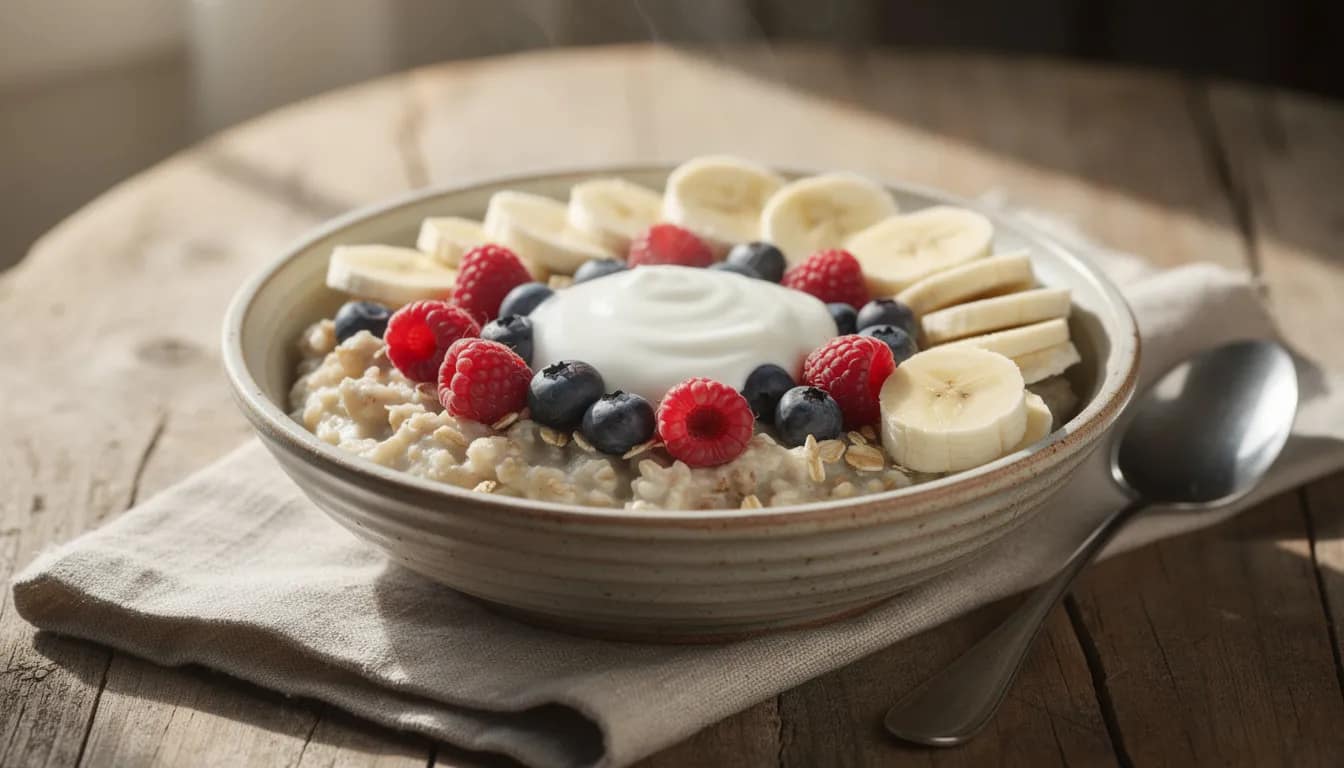
Morning: Start with a glass of water before anything else. Breakfast is overnight oats made with rolled oats, chia seeds, a sliced banana, and a dollop of live yogurt. This delivers soluble fiber, probiotics, and hydration in one bowl. Sip water or weak tea with breakfast.
Mid-morning: Refill your water bottle. If you’re hungry, grab a small handful of almonds or a piece of fruit like an apple or pear.
Lunch: Wholegrain bread sandwich with lean protein (chicken, turkey, hummus, or egg), plus a mixed salad with leafy greens, cucumber, and tomato (skip the tomato if reflux is an issue). Drink water with your meal. Avoid the temptation to eat at your desk while stressed—take even 15 minutes to sit and eat properly.
Afternoon: Another glass of water. A small pot of kefir or yogurt if you need a snack. Walk to get a drink rather than having everything within arm’s reach.
Dinner: Grilled fish (salmon, cod, or sea bass) with quinoa and steamed vegetables—broccoli, carrots, courgette. This is moderate in fat, high in fiber, and gentle on digestion. Finish with peppermint or chamomile tea if you’re prone to evening bloating.
After dinner: A 10–15 minute walk. Avoid lying down for at least 2 hours. Wind down with low-stress activities and get to bed at a consistent time.
For sensitive IBS stomachs: Swap the overnight oats for cooked oatmeal (easier to digest for some). Replace the banana with a small portion of strawberries or blueberries. Choose lactose-free yogurt. Stick to low-FODMAP vegetables like carrots, courgette, and spinach rather than onion, garlic, or large amounts of broccoli. Eggs for breakfast can work well. Monitor portions of any legumes.
This example demonstrates the key principles: consistent hydration, fiber spread throughout the day, fermented foods for healthy bacteria, lower-fat proteins, movement after meals, and stress management in the evening.
The bottom line: You don’t need to overhaul your entire life to improve digestion. Eat more plant foods and whole grains. Drink plenty of water. Move your body. Eat less of the certain foods that trigger your symptoms. Add fermented foods where you can. Use targeted supplements—lactase for dairy, psyllium for fiber, probiotics for gut support—when they make sense for your situation.
Small, steady changes in what you eat, drink, and do can transform how you feel within weeks. Your gut works hard for you every single day. Give it a bit of help, and it’ll return the favor.
Start with one tip from this guide. Just one. Try it for a week. Then add another.
Your digestive system will thank you—and so will everyone who no longer has to hear about your stomach troubles.