

Let’s be honest: nobody talks about their digestive issues at dinner parties. But plenty of us are dealing with bloating after meals, that post-burrito regret, or wondering why our bathroom schedule has become as unpredictable as the weather.
If that sounds familiar, you’re in the right place. This guide covers everything you need to know about supporting your digestion—from the foods that actually help to the supplements worth trying, and when it’s time to call in a professional.
Quick answers: what is “digestion support” and who is it for?
Digestion support refers to the daily habits, dietary choices, and targeted supplements that help reduce bloating, gas, indigestion, and irregularity. It’s not about fixing something broken—it’s about helping your body do what it already does, just more smoothly.
It starts with what you eat. Fiber-rich foods like vegetables, fruits, whole grains, beans, and nuts form the foundation of digestive health. Most people don’t get enough fiber, and adding it gradually (we’ll get to why “gradually” matters) can make a noticeable difference in how you feel after meals.
Hydration and healthy fats matter more than you think. Your digestive tract needs adequate fluids to move things along, and the type of fat you eat affects how quickly your stomach empties. Swapping fried foods for gentler options like olive oil or baked fish can ease that heavy, sluggish feeling. Staying hydrated and eating a balanced diet also promote a healthy microbiome, which supports good health and helps prevent disease.
Stress management isn’t just for your mind. Your gut has its own nervous system—the enteric nervous system—with millions of neurons that respond to stress. When you’re anxious, your digestion literally slows down or speeds up unpredictably. Techniques that calm your nervous system (walking, breathing exercises, even just eating without scrolling) can genuinely help.
Evidence-based supplements fill the gaps. Probiotics introduce good bacteria to your gut, prebiotics feed them, and digestive enzymes help break down tricky foods like dairy products or beans. For some people, these are game-changers. If your body doesn’t produce enough digestive enzymes, it can lead to adverse health outcomes such as malnutrition or gastrointestinal irritation, so addressing these issues is important.
So what symptoms can digestion support actually help with? Think: after-meal heaviness that makes you want to unbutton your pants, heartburn that flares up after late dinners, constipation that seems worse on busy workdays, and gas after high-FODMAP meals (looking at you, garlic and onions).
How quickly will you notice a difference? Most people experience mild improvements—less bloating, more regular bowel movements—within 1–4 weeks of consistent diet and supplement changes. Your body needs time to adjust, especially your microbiome.

How the digestive system works (and why it sometimes struggles)
Your digestive system is essentially a 30-foot processing plant that turns the meal you just ate into usable energy and nutrients. Here’s the journey in plain English.
Food enters through your mouth, where chewing and saliva (containing the digestive enzyme amylase) start breaking down starches. It travels down the esophagus into your stomach, where hydrochloric acid and pepsin tackle proteins—this acidic environment sits at a pH between 1 and 3, strong enough to denature most foods into a thick paste called chyme.
From there, the partly digested meal moves into the small intestine, where the real magic happens. Your pancreas releases enzymes like lipase (for fat), protease (for proteins), and more amylase (for carbohydrates). The pancreas produces the most important digestive enzymes, which break down carbohydrates, proteins, and fats. Your gallbladder squirts in bile to emulsify fats so lipase can access them. The small intestine’s surface area—amplified 600-fold by tiny finger-like projections called villi—absorbs about 90% of nutrients into your bloodstream.
Finally, whatever’s left enters the colon, where trillions of gut bacteria ferment undigested fibers. This produces gases (hydrogen, methane) and short-chain fatty acids that nourish your intestinal lining. Both fiber and probiotics have the ability to aid digestion, but they do so through different mechanisms: fiber’s capacity to absorb water and provide bulk supports regularity, while probiotics help maintain a healthy balance of gut bacteria. When everything’s balanced, this process feels fine. When it’s not, you get bloating, discomfort, and irregular bowel movements.
Key organs involved:
- Mouth: Mechanical chewing + salivary amylase begins starch breakdown
- Stomach: Acid and pepsin break down proteins
- Pancreas: Releases digestive enzymes (amylase, lipase, protease)
- Gallbladder: Stores and releases bile for fat digestion
- Small intestine: Primary absorption site for nutrients
- Colon: Water absorption, fermentation by gut bacteria, stool formation
Why does digestion struggle in modern life?
Here’s the thing: your gastrointestinal tract evolved for a different world. It wasn’t designed for large evening meals eaten at 9 PM, ultra-processed foods packed with fat and stripped of fiber, eight hours of sedentary desk work, irregular meal timing, or the chronic stress of modern life that literally alters gut motility.
Consider the difference: A high-fat fast-food lunch (burger, fries, soda) slows stomach emptying, triggers excess acid, provides almost no fiber, and can leave you feeling heavy for hours. A fiber-rich home-cooked meal (grilled chicken, brown rice, roasted vegetables) moves through more efficiently, feeds your good bacteria, and keeps blood flow to your digestive organs steady rather than overwhelmed.
The average American chews about 32 times per bite—studies show that 40+ chews can elevate satiety hormones by 20–30% and reduce intake by about 12%. Even something as simple as slowing down helps.
Everyday food habits that support smoother digestion
Diet is the foundation of digestion support, full stop. Many people can reduce common complaints—bloating, reflux, sluggish bowels—by adjusting what and when they eat. No supplements required.
More fiber, but slowly
Fiber is the unsung hero of digestive health, but most people don’t get nearly enough. Aim for about 25 grams per day if you’re a woman and 30 grams if you’re a man. Great sources include oats, beans, lentils, raspberries, pears, carrots, and whole grains like whole wheat bread and cereals.
But here’s the catch: if you increase fiber too quickly, your gut bacteria will throw a party—and you’ll feel every bit of the gas and bloating that comes with it. Add fiber to your diet gradually over 2–3 weeks. Your microbiome needs time to adjust.
Know your fiber types
Soluble fiber (found in oats, apples, citrus fruits, and barley) dissolves in water and forms a gel that slows digestion—helpful for blood sugar control and cholesterol. Insoluble fiber (found in whole wheat, brown rice, broccoli, and most vegetables) adds bulk to stool and speeds transit through the colon.
If you have irritable bowel syndrome, you may tolerate oats and cooked vegetables better than bran or raw salads. Pay attention to what your body tells you.
Gentler fats, less heartburn
High intakes of fried foods, fast-food burgers, and creamy sauces slow stomach emptying and can trigger heartburn. Fat itself isn’t the enemy—but the type and amount matter. Swap in grilled chicken, baked fish, or lean meat with olive oil instead of deep-fried options 3–4 times per week. For better digestive and overall health, try to reduce your intake of red meat such as pork and beef, and choose lean meats like turkey, fish, and chicken more often. Your stomach (and heart disease risk) will thank you.
Portion size and meal timing
If you’re prone to reflux, smaller and more frequent meals work better than three large ones. And avoid lying down for at least 2–3 hours after dinner—gravity helps keep stomach acid where it belongs.
Track your triggers
Keep a simple 7–14 day food and symptom log. Note what you eat, when you eat it, and how you feel afterward. Common triggers include onions, garlic, wheat, very spicy dishes, carbonated drinks, alcohol, large amounts of chocolate or coffee, and for many, dairy products like milk or ice cream. Some people discover they’ve been eating foods their body simply doesn’t digest well—and the fix is straightforward once you identify it.
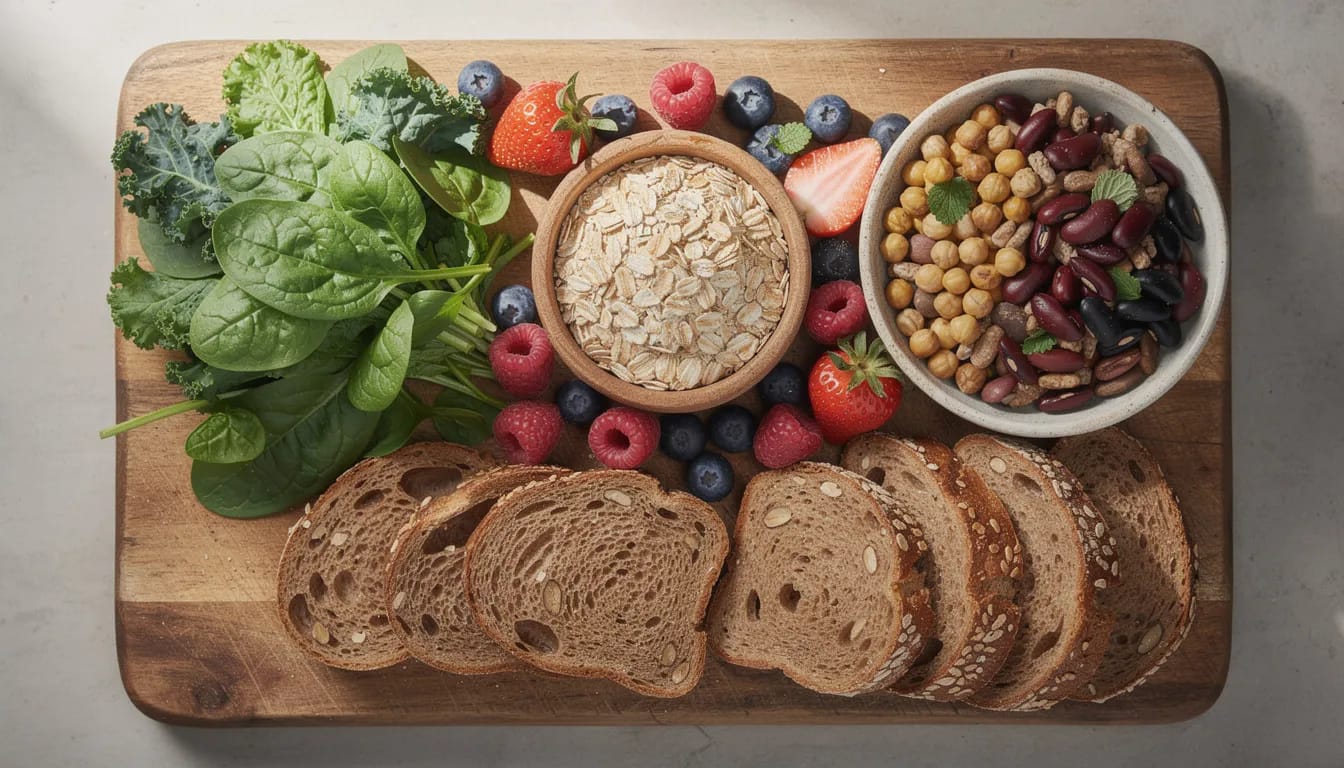
The role of fiber in digestive health
A high fiber diet is one of the most effective ways to support your digestive health and keep your digestive system running smoothly. Fiber acts as a natural aid for digestion, helping to prevent common digestive problems like constipation, diarrhea, and bloating. It works by helping break down foods, supporting the absorption of nutrients, and keeping things moving through your small intestine and colon.
There are two main types of fiber—soluble and insoluble—and both are essential for a healthy digestive tract and gut health. Soluble fiber dissolves in water to form a gel-like substance, which can help lower cholesterol and stabilize blood sugar levels. You’ll find soluble fiber in foods like oats, beans, apples, citrus fruits, carrots, and barley. Insoluble fiber, on the other hand, doesn’t dissolve in water. Instead, it adds bulk to your stool and helps food pass more quickly through the gastrointestinal tract, reducing the risk of constipation. Good sources of insoluble fiber include whole-wheat flour, wheat bran, nuts, and a variety of vegetables.
Eating a variety of fiber-rich foods—such as brown rice, whole wheat bread, beans, and plenty of fruits and vegetables—can help increase fiber intake and support the growth of good bacteria in your gut. This not only aids digestion but also helps reduce the risk of heart disease and other digestive problems. Lean meat, poultry, and fish can be included in a high fiber diet as they are low in fat and can help aid digestion without the heaviness that comes from fried foods or high-fat meals.
It’s important to increase fiber in your diet gradually, giving your body time to adjust and minimizing any temporary bloating or gas. Drinking plenty of water is also crucial, as fiber needs fluid to move efficiently through your digestive system and prevent constipation. Regular exercise can further boost blood flow to your gastrointestinal tract, supporting both digestion and the growth of good bacteria.
Managing stress is another key factor in maintaining digestive health. Stress can trigger symptoms of irritable bowel syndrome (IBS) and disrupt the balance of your gut, so incorporating relaxation techniques, exercise, or meditation can make a real difference.
While most people can get all the fiber and digestive support they need from a balanced diet, some may consider dietary supplements like digestive enzyme supplements, alpha-galactosidase (which helps break down complex sugars in beans and vegetables), or lactase (which helps digest lactose in milk and dairy products). However, it’s always best to talk to your doctor before starting any new supplements, especially if you have existing health conditions or take medication.
Fermented foods like yogurt and kefir are also excellent for gut health, as they contain probiotics—live bacteria that support your digestive system and immune function. By focusing on a diet rich in whole grains, fruits, vegetables, and lean proteins, and by staying active and managing stress, you can help your body maintain good digestive health and reduce the risk of digestive problems—no dinner party confessions required.
Hydration and movement: simple lifestyle levers for better digestion
Water intake and physical activity are often overlooked, but they’re incredibly powerful tools for easing constipation and bloating. If you’ve ever wondered why fiber alone didn’t fix your digestive problems, this might be the missing piece.
Drink plenty of fluids
Most adults should aim for around 1.5–2 liters (roughly 6–8 cups) of non-alcoholic fluids per day, adjusted for heat and exercise. A simple strategy: start with a full glass of water at breakfast and have another with each main meal.
Here’s why this matters: fiber works by absorbing water and adding bulk to stool. If you increase fiber without increasing fluids, things can actually get more stuck. Drinking enough helps fiber do its job and keeps everything moving smoothly through your colon.
Choose drinks that help, not hurt
- Plain water, herbal teas (peppermint, ginger, chamomile), and diluted fruit juice are ideal
- Limit caffeinated coffee and strong black tea to 1–2 servings per day if they aggravate reflux or cause urgency
- Energy drinks can worsen symptoms for some people
Move your body to move your gut
Regular movement stimulates intestinal motility—the rhythmic contractions that propel food through your digestive tract. You don’t need to become a marathon runner. A 10–15 minute walk after lunch or dinner can make a real difference. Take the stairs instead of the elevator. Aim for at least 150 minutes of moderate activity per week (brisk walking, cycling, swimming).
Exercise also improves blood flow to your digestive organs and helps manage stress, which directly affects gut function.
Don’t slouch after eating
This sounds minor, but posture matters. Slouching at your desk after a large meal compresses your stomach and can worsen heartburn. Sit upright or, better yet, take a short walk. It reduces upper-abdominal pressure and lets gravity aid digestion.

Digestive support from the inside: probiotics, prebiotics & enzymes
Beyond food and lifestyle, some people use targeted dietary supplements—probiotics, prebiotics, and digestive enzymes—to support gut comfort, especially for bloating, gas, and irregularity. Let’s break down what each one actually does.
Probiotics: adding good bacteria
Probiotics are live beneficial bacteria that you take in capsule, powder, or food form. Common strains include Bifidobacterium and Lactobacillus, found in yogurt with live cultures, kefir, and some fermented foods. Typical daily doses are measured in the billions of CFUs (colony-forming units).
Probiotics can help with gut health support after antibiotic use (which tends to wipe out both harmful and helpful bacteria), reducing symptoms in some people with IBS, and maintaining regularity. Benefits typically take 2–4 weeks to notice—your microbiome needs time to shift.
Prebiotics: feeding the good guys
Prebiotics are specific fibers that feed the good bacteria already living in your gut. They include inulin, fructo-oligosaccharides, and resistant starch, found naturally in bananas, onions, garlic, leeks, asparagus, oats, and available as dedicated supplements.
When gut bacteria ferment these fibers, they produce short-chain fatty acids that nourish your intestinal lining and help regulate gut motility.
Synbiotics: the combination approach
Some products combine prebiotics and probiotics in one formula, aiming to improve survival and growth of the supplemented strains. These “synbiotic” products can be convenient if you want both benefits without managing multiple supplements.
Digestive enzymes: helping your body break down food
A digestive enzyme supplement contains proteins that help break down carbohydrates, fats, and proteins. Key examples include:
- Lactase: Helps break down lactose for people who struggle to digest milk and dairy products (about 65–70% of adults globally have some degree of lactose intolerance)
- Alpha galactosidase: Helps break down complex sugars in beans, lentils, and certain vegetables that cause gas
- Broad-spectrum blends: Contain amylase, protease, and lipase to aid digestion of complex meals
When might you consider each option?
- Lactase tablets: Take before ice cream or pizza if you’re lactose intolerant
- Alpha galactosidase: Take with beans, chickpeas, or cruciferous vegetables if they give you gas
- Probiotic trial: After a short antibiotic course or if you’re experiencing ongoing irregularity
- Enzyme blend: With a particularly heavy, festive meal when you know you’re eating more than usual
A word on safety
Most people tolerate these supplements well, but if you have chronic conditions like inflammatory bowel disease, pancreatitis, or immune compromise, or if you’re on medication, check with a doctor before starting anything new. Supplements should complement—not replace—medical advice.

Recognizing when you need professional help
Most mild digestive issues respond to the self-care strategies we’ve covered. But certain signs mean it’s time to see a doctor—and sooner is better than later.
Red-flag symptoms that need prompt attention:
- Unintentional weight loss over several weeks
- Persistent vomiting that doesn’t resolve
- Black or tarry stools (can indicate bleeding in the upper GI tract)
- Visible blood in stool
- Difficulty swallowing or pain when swallowing
- Severe or sudden abdominal pain
- Any change in bowel habits lasting longer than 4–6 weeks, especially if you’re over 50
Family history matters
If you have a family history of colorectal cancer, celiac disease, or inflammatory bowel disease, and you’re experiencing new digestive symptoms, don’t wait to get checked out.
Watch for patterns that suggest something more
Recurring heartburn—more than twice a week for several weeks—shouldn’t be managed indefinitely with over-the-counter antacids. About 20% of adults experience weekly GERD symptoms, and chronic use of acid-blocking medication can have its own consequences. Similarly, long-term reliance on laxatives for constipation is a sign to discuss options with a gastroenterologist or primary care provider.
Come prepared to your appointment
Bring a 1–2 week symptom and food diary. Note what you eat, when symptoms occur, stool patterns, and anything that seems to make things better or worse. This helps clinicians identify patterns and decide whether tests like blood work, stool studies, breath tests, or endoscopy are needed.
The bottom line
Daily habits, smart food choices, and targeted supplements can meaningfully support your digestive health. Eating more fiber, drinking plenty of fluids, moving your body, managing stress, and using probiotics or enzymes when appropriate—these strategies work for most people.
But they should complement, not replace, professional care when serious or persistent symptoms appear. About 70 million Americans deal with digestive disorders each year. You’re not alone, and help is available.
Your gut does a lot for you. Feed it well, treat it kindly, and listen when it tells you something’s off. That’s digestion support in a nutshell—and it’s something you can start today.