
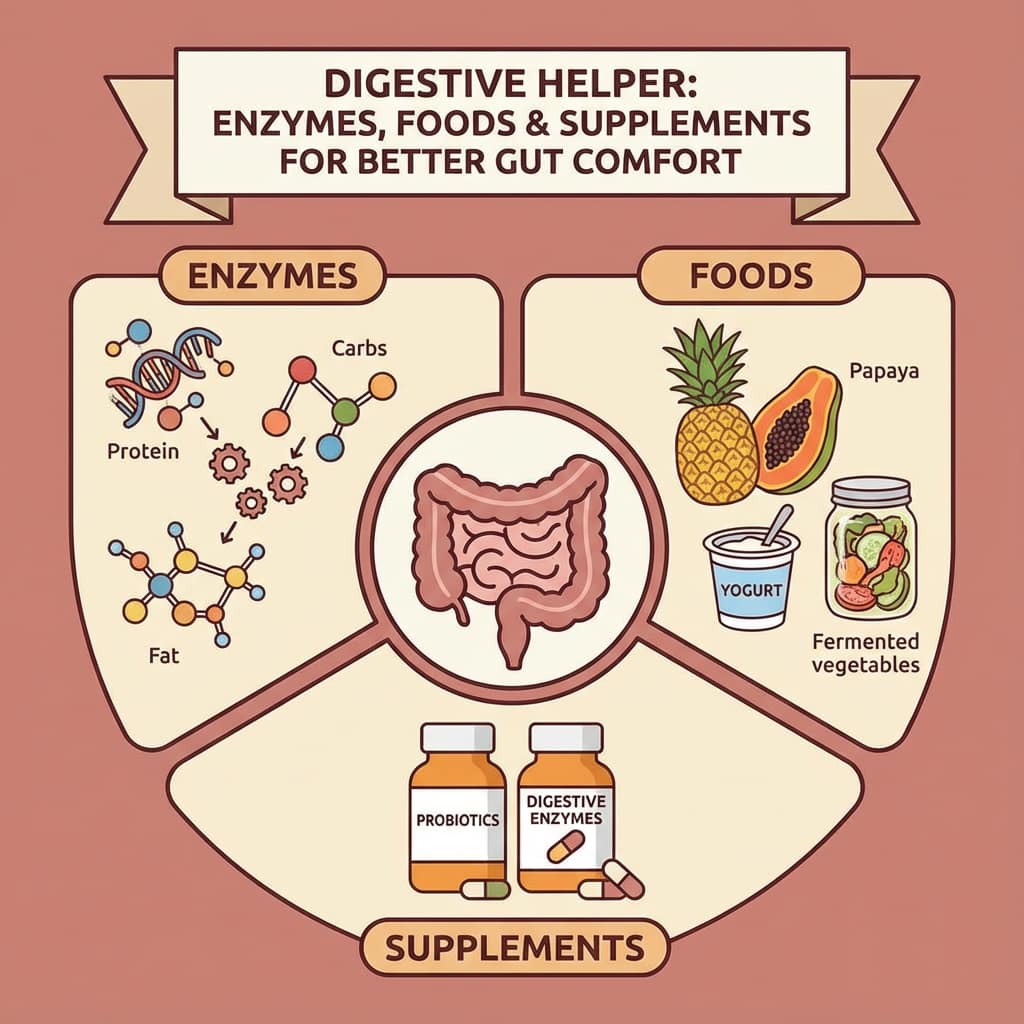
Quick answer: What is a “digestive helper” and who actually needs one?
Let’s cut straight to it. A “digestive helper” is any tool that supports your body in breaking down food and keeping things moving comfortably—whether that’s digestive enzymes in capsule form, gut-friendly foods on your plate, probiotics in your yogurt, or simply making sure to drink plenty of water with meals. Drinking plenty of fluids, especially water, is important to support digestion, prevent constipation, and help fiber work effectively. No single magic pill exists, but the right combination of helpers can make a big difference between feeling light and energized versus bloated and sluggish.
The issues most people want help with are pretty universal: gas that shows up at the worst possible moments, bloating after meals that makes your pants feel two sizes smaller, heartburn creeping up at night, constipation stretching over several days, loose stools that keep you guessing, or that “heavy stomach” feeling after fatty or dairy-rich foods. Sound familiar? You’re definitely not alone.
Here’s the good news: most people can first improve digestion through diet and habits alone. Eating more fiber, drinking plenty of water, chewing thoroughly, and managing stress can work wonders. But some folks genuinely benefit from targeted digestive enzyme supplements or probiotics—especially if issues have lasted more than two to four weeks despite lifestyle tweaks. Antibiotics can wipe out helpful gut bacteria, but probiotics can help restore healthy bacteria after taking antibiotics. Think of helpers in four main categories: digestive enzymes that break down carbohydrates, fats, and proteins; gut-friendly foods that supply fiber and nutrients; probiotics and prebiotics that nurture good bacteria in your gut; and adequate fluids paired with fiber to keep bowel movements regular.
Herbal teas like peppermint, chamomile, or valerian root are also popular. Herbs like ginger and peppermint can help with digestive issues such as bloating and gas.
One important safety note before we dive deeper: persistent pain, blood in the stool, unexplained weight loss, or symptoms that start suddenly after age 50 should send you to a doctor before you start self-treating with any supplement.
How digestion works (and where “helpers” fit in)
Understanding the basics of how your digestive system operates makes choosing the right helper much easier—otherwise you’re just throwing random supplements at a mystery problem and hoping something sticks.
Here’s the journey: digestion starts in your mouth, where chewing breaks food into smaller pieces and salivary amylase begins working on starches. Your stomach then takes over with hydrochloric acid and pepsin, which start breaking down proteins into smaller peptides. Next, food enters the small intestine—this is where the real magic happens. Bile from your liver emulsifies fats, while your pancreas releases a powerful cocktail of enzymes: amylase for carbs, lipase for fats, and protease for proteins. These enzymes transform your lunch into absorbable nutrients that pass through the intestinal wall into your bloodstream. Finally, whatever’s left travels to the large intestine, where trillions of bacteria ferment fiber, produce beneficial compounds, and form gas as a byproduct.
The pancreas deserves special credit here. It’s the main factory for digestive enzymes handling carbohydrates, proteins, and fats, while the small intestine’s lining also produces its own “brush border” enzymes to finish the job.
So where do digestive helpers step in? When this system gets stressed. Heavy meals can temporarily overload your enzyme capacity. Low-fiber diets slow motility, leading to constipation. Antibiotics can wipe out helpful gut bacteria alongside harmful ones. And some people genetically lack specific enzymes—lactase deficiency being the classic example that makes dairy products a digestive nightmare.
Healthy digestion ultimately depends on three pillars: adequate enzymes to break down food, an intact gut lining to absorb nutrients properly, and a balanced gut microbiome to support everything from immune function to regularity. Different digestive helpers target different pillars—which is why understanding your specific issue matters.
Enzyme deficiency and insufficiency: when your body needs extra help
Sometimes, no matter how carefully you eat or how much you tweak your diet, your digestive system just doesn’t seem to cooperate. If you’re constantly battling bloating, gas, discomfort, or unpredictable bowel movements, enzyme deficiency or insufficiency could be the missing piece of the puzzle.
Digestive enzymes—like amylase, lipase, and protease—are the unsung heroes that help break down carbohydrates, fats, and proteins into absorbable nutrients your body can actually use. When your body doesn’t produce enough of these enzymes, food isn’t digested properly. The result? Nutrients slip through unabsorbed, and undigested food can ferment in your gut, leading to classic digestive symptoms: bloating, gas, pain, and sometimes even diarrhea or constipation. Over time, this can leave you feeling drained, uncomfortable, and frustrated.
Enzyme insufficiency can show up for many reasons. For some, it’s linked to underlying conditions like irritable bowel syndrome, celiac disease, Crohn’s disease, or lactose intolerance. For others, it’s a side effect of stress, aging, or a diet heavy in processed and fried foods—which are notoriously tough on the digestive tract and can make it harder for your body to keep up with enzyme production. Not getting enough fiber from whole grains, fruits, and vegetables can also slow things down, making symptoms worse.
If you suspect enzyme issues, a registered dietitian can be a game-changer. They’ll look at your diet, symptoms, and medical history to pinpoint what’s going on. Sometimes, simple changes—like adding more fiber-rich foods, drinking plenty of water, or swapping fried foods for whole grains and vegetables—can make a big difference. In other cases, targeted support with digestive enzyme supplements, fiber supplements, or probiotics may be helpful to get your system back on track.
Don’t overlook the power of lifestyle tweaks, either. Managing stress, eating regular meals, and including herbal teas made from peppermint leaves, chamomile, or valerian root can help reduce inflammation and soothe the digestive tract. These small changes can support your body’s natural enzyme production and ease digestive discomfort.
If your symptoms are persistent or severe, or if you have a known digestive disease, it’s important to work with your healthcare provider to develop a personalized plan. They can help you figure out if you need specific enzyme supplements, like lactase for lactose intolerance, or if there’s an underlying issue that needs medical attention.
The bottom line? Enzyme deficiency and insufficiency don’t have to rule your life. With the right mix of dietary changes, supplements, and lifestyle support, you can help your digestive system do its job—so you can get back to feeling comfortable, energized, and in control.
Digestive enzyme supplements as a digestive helper
Walk into any health store and you’ll find shelves of digestive enzyme supplements promising to banish bloating and help you eat without regret. But what are these actually doing?
Over-the-counter digestive enzyme blends typically come as capsules or tablets combining several key enzymes: amylase to break down starches into sugars, lipase to handle fats, and various proteases to chop proteins into amino acids. Many formulas also include specialized enzymes like lactase (for milk sugar), alpha-galactosidase (for beans and cruciferous vegetables), and cellulase or hemicellulase to help break down tough plant fibers your body can’t digest on its own.
The logic is straightforward: these enzymes help break food into smaller components before it reaches your lower digestive tract. When less undigested material arrives in your colon, there’s less for bacteria to ferment—which means less form gas, reduced bloating, and less discomfort after eating.
Quality products typically list individual enzyme activities using standardized units (like HUT for protease, SKB for amylase, or FIP for lipase) rather than just milligram amounts of a vague “proprietary blend.” Some formulas also include soothing herbal additions like ginger, slippery elm, or peppermint leaves to calm the digestive tract alongside the enzymatic action.
Important reality check: these supplements are not FDA-approved to cure diseases. They may ease symptoms around meals, but they don’t replace medical care for chronic conditions like pancreatitis, celiac disease, or inflammatory bowel disease. Think of them as support staff, not surgeons.
Targeted support: dairy, gluten & heavy meals
Not all digestive discomfort is created equal. Some people react mainly to dairy products, others to wheat and gluten, and plenty of folks only struggle after particularly rich, high-fat restaurant meals. Understanding your triggers helps you choose the right digestive helper.
Dairy digestion: The enzyme lactase breaks down lactose, the natural sugar in milk. People with lactose intolerance don’t produce enough lactase, so undigested lactose travels to the colon where bacteria feast on it and produce gas, bloating, and sometimes diarrhea—typically 30 minutes to a few hours after consuming milk, ice cream, or soft cheeses. Taking a lactase supplement before dairy can prevent this cascade entirely.
Gluten and casein: The proteins in wheat, barley, rye, and oats (gluten) and in dairy (casein) are notoriously difficult for the body to fully break down. These proteins contain proline-rich sequences that resist normal digestion, and sensitive individuals may experience bloating or discomfort even without having celiac disease. This is different from medically diagnosed celiac disease, which is an autoimmune condition requiring strict gluten avoidance.
Specialized enzyme blends containing DPP-IV (dipeptidyl peptidase IV) can help break down these stubborn peptides. They may reduce symptoms after incidental gluten exposure—like when your “gluten-free” restaurant order was prepared on a shared surface—but they absolutely do not make gluten safe for people with celiac disease. If you have celiac, no enzyme supplement replaces a strict gluten-free diet.
Think about those “challenging meals” where enzymes might help: Friday-night pizza with its wheat crust and melted cheese, a holiday buffet loaded with creamy casseroles and fried foods, or a restaurant celebration featuring fried appetizers, rich mains, and decadent dessert. These are exactly the scenarios where targeted enzyme support can make the difference between enjoying the evening and regretting it later.
When and how to take digestive enzymes
Timing matters. Most full-spectrum enzyme supplements work best when taken shortly before or with the first bites of a meal—not on an empty stomach hours before eating.
A general pattern that works for most people: one capsule with smaller, simpler meals; two capsules with larger or fattier meals. Always check the label directions for your specific product, as potency varies between brands.
Many people use enzymes strategically rather than daily—when eating out, traveling, or during stressful periods when digestion feels sluggish. If you find yourself needing them with every single meal, that’s a conversation worth having with a healthcare professional to rule out underlying conditions.
Effects are usually noticeable within the same meal. Less pressure, less belching, reduced bloating over the following few hours. Unlike some probiotics that need weeks to colonize your gut, enzymes work immediately on the food in front of them.
Start with the lowest recommended dose for about a week. Monitor how you feel, watch for any side effects like nausea or cramping, and note any interactions with medication you’re already taking. Gradual experimentation beats aggressive supplementation every time.
Who might need prescription enzyme therapy instead?
Over-the-counter enzyme blends help many people, but some conditions require medically supervised pancreatic enzyme replacement therapy (PERT).
PERT contains precisely regulated doses of amylase, lipase, and protease for patients whose pancreas cannot produce sufficient enzymes on its own. These prescription products are standardized and monitored, unlike the variable formulations you’ll find at health stores.
Conditions that may require prescription enzymes include:
Condition | Why PERT is needed |
|---|---|
Cystic fibrosis | Thick mucus blocks pancreatic ducts from childhood |
Chronic pancreatitis | Ongoing inflammation damages enzyme-producing tissue |
Pancreatic cancer | Tumors can obstruct enzyme flow |
Surgical removal | Loss of pancreatic or small intestine tissue |
These prescription enzymes are monitored by physicians—typically gastroenterologists—and dosed based on fat intake and symptom response.
Warning signs that suggest you need medical evaluation rather than store-bought digestive helpers: floating, very greasy stools; unintentional weight loss; persistent abdominal pain that doesn’t improve. These symptoms can indicate exocrine pancreatic insufficiency or other serious conditions requiring proper diagnosis.
One common misconception: current evidence does not support prescription enzymes as a treatment for irritable bowel syndrome alone, even though IBS symptoms can sometimes overlap with enzyme insufficiency. Different problems need different solutions.
Food-based digestive helpers: everyday diet choices
Here’s something most people overlook while hunting for the perfect supplement: daily food choices form the foundation of gut comfort, often more powerfully than any capsule you could swallow.
Dietary fiber is the unsung hero of digestion. Adults are commonly advised to aim for around 25–30 grams of fiber per day from a mix of vegetables, fruits, pulses, and whole grains. Fiber adds bulk to stools, feeds beneficial gut bacteria, and helps maintain regular bowel movements. Most people don’t get enough fiber—not even close.
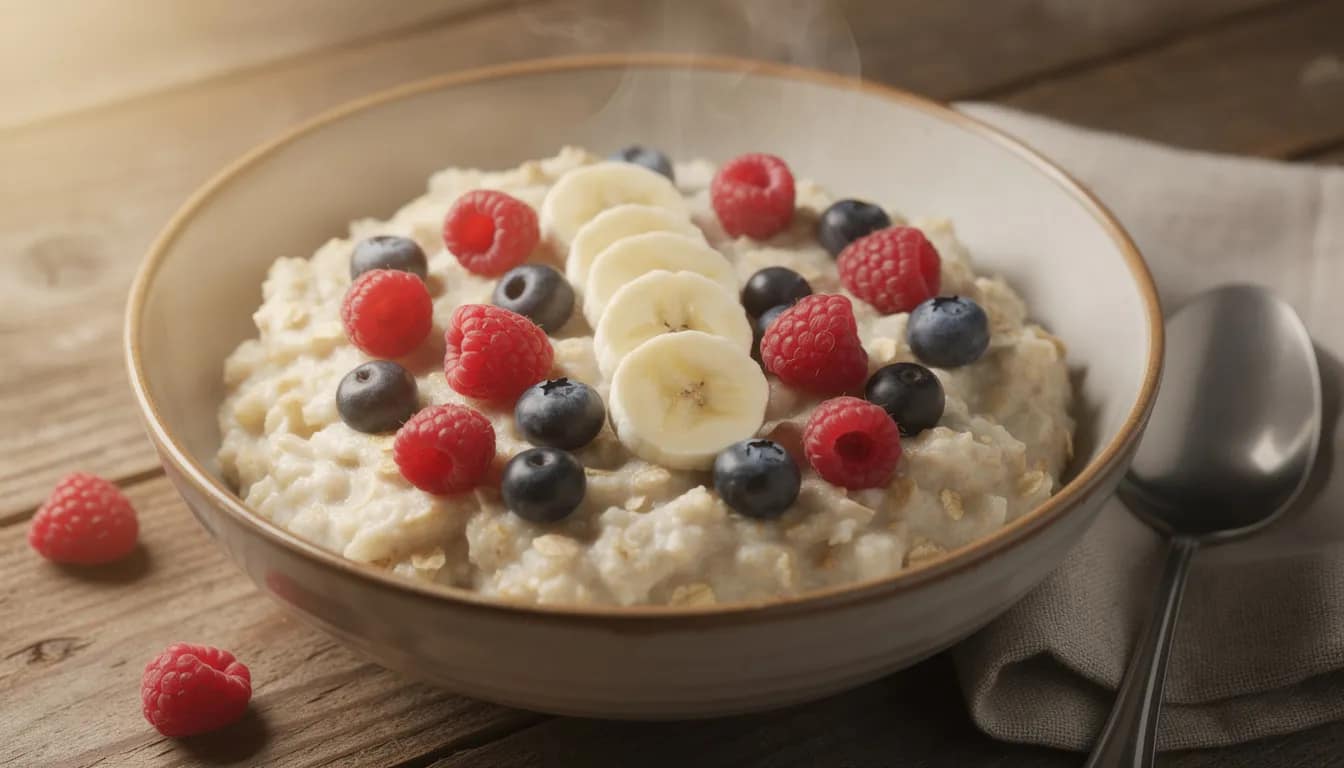
Concrete examples of high-fiber options that are often well tolerated: oats for breakfast, lentil soup for lunch, and a side of carrots, broccoli, or leafy greens at dinner. These foods deliver fiber alongside vitamins, minerals, and phytonutrients that support overall gut health.
For people who bloat with cereals and some grains—common in those with irritable bowel syndrome—focus instead on fiber from fruit, vegetables, and small portions of seeds or pulses. Increase quantities slowly over one to two weeks. Sudden fiber increases overwhelm the system and ironically cause more gas and bloating.
Simple rule: drink a glass of water with each meal. Fluids help fiber soften stool and move waste through the intestines efficiently. Fiber without adequate water is like trying to push dry cement through a pipe.
Fluids, fats & spices: small changes with big impact
Fluids partner with fiber to keep everything moving. Aim for six to eight glasses of water daily, adjusting for climate and activity level. Drinking plenty of fluids is especially important if you’re increasing fiber intake or taking fiber supplements.
Greasy fast foods—chips, burgers, deep-fried dishes—are notoriously slow to empty from the stomach and frequently trigger heartburn or that miserable “heavy” sensation that lingers for hours. Your body struggles to produce enough lipase to handle excessive fat all at once.
Consider swapping frying for grilling, baking, or steaming. Choose lean meats or plant proteins over heavily marbled red meat. These simple substitutions can reduce inflammation in your gut and make digestion notably easier.
Spice sensitivity varies dramatically between individuals. Hot peppers, strong garlic, and large amounts of onion can aggravate heartburn or IBS in some people while causing zero issues for others. If spicy foods bother you, test smaller amounts or switch to milder seasonings like herbs and citrus zest.
For those with frequent heartburn or IBS, keeping a simple food-and-symptom diary over one to two weeks can reveal patterns you’d never notice otherwise. Common trigger ingredients include tomato sauces, citrus fruits, fizzy drinks, and acidic foods. A registered dietitian can help interpret your diary and create a personalized plan if you’re struggling to identify triggers on your own.
Probiotics, prebiotics & fiber supplements as digestive helpers
Time to untangle three terms that often get lumped together: probiotics are live helpful bacteria; prebiotics are fibers that feed those bacteria; and fiber supplements are bulking or gel-forming agents that regulate stool consistency.
Common probiotic sources include live yogurt, kefir, sauerkraut, kimchi, and multi-strain supplements containing Lactobacillus and Bifidobacterium species. These good bacteria can help reduce gas, support regularity, and maintain a healthy balance in your gut microbiome. Specific strains like Bifidobacterium infantis 35624 have evidence showing they may help reduce symptoms in some patients with irritable bowel syndrome.
Prebiotic fibers occur naturally in foods like garlic, onions, bananas, and oats. They selectively nourish beneficial gut bacteria already living in your colon, essentially acting as fertilizer for your internal garden. When gut bacteria ferment these fibers, they produce short-chain fatty acids that support the intestinal lining and may reduce inflammation.
Fiber supplements like psyllium husk, wheat dextrin, or methylcellulose can help both constipation and loose stools when introduced slowly with plenty of water. Psyllium is particularly versatile—it adds bulk to loose stools while softening hard ones, making it helpful for varied digestive symptoms.
Safety note: people with serious illness or compromised immune system function should speak with a doctor before starting high-dose probiotic capsules or suddenly increasing fiber intake. What’s helpful for most people can occasionally cause problems for those with specific health conditions.
Digestive enzymes vs. probiotics: choosing the right helper
Here’s the key distinction: enzymes act on the food you just ate, physically breaking down carbohydrates, fats, and proteins into smaller pieces your body can absorb. Probiotics don’t digest food directly—they support the overall gut environment where digestion happens.
Feature | Digestive Enzymes | Probiotics |
|---|---|---|
How they work | Break down food molecules | Support gut microbiome balance |
When effects occur | Same meal, immediate | Days to weeks of consistent use |
Best for | Post-meal bloating, gas, heaviness | Irregular bowel patterns, IBS symptoms |
Duration of use | As needed with challenging meals | Often ongoing for maintenance |
Simple decision guide: if your digestive symptoms occur immediately after meals—bloating, gas, discomfort within an hour or two—enzymes targeting food breakdown may help. If you’re dealing with patterns of irregular stools, persistent bloating throughout the day, or IBS-type symptoms that don’t clearly connect to specific meals, probiotics and prebiotics may be more beneficial.
Many people benefit from combining approaches: a short course of enzymes with heavy meals plus a longer-term focus on fermented foods, prebiotic fibers, and a generally varied diet. Neither enzymes nor probiotics replace medical evaluation if symptoms are severe, bloody, or associated with unintended weight loss or night sweats.
When experimenting, trial one change at a time for two to four weeks. This lets you reliably tell whether a specific digestive helper is actually doing something useful versus just coinciding with a natural fluctuation.
When to stop self-help and see a doctor
Most mild digestive issues genuinely can improve with lifestyle changes and over-the-counter helpers. But your gut is also quite good at signaling when something more serious needs attention—if you know what to watch for.
Red flags that warrant professional evaluation: new or severe abdominal pain, especially if it wakes you at night; blood or black color in stools; persistent vomiting; fever accompanying digestive symptoms; or sudden changes in bowel habits lasting more than several weeks despite your best efforts. These aren’t situations for more chamomile tea or an extra enzyme capsule.
People over about 50 years of age with new digestive symptoms should be particularly cautious. Even if symptoms seem mild, age-related conditions like colorectal cancer can present with subtle changes in bowel habits or vague discomfort. Getting checked sooner provides peace of mind and catches any issues early when they’re most treatable.
If you’re already diagnosed with conditions such as celiac disease, inflammatory bowel disease, or pancreatitis, discuss any new supplement—including digestive enzymes, valerian root, lemon balm, or high-dose probiotics—with your gastroenterologist before adding them to your routine. What’s helpful for the general population may interact with your condition or medication in unexpected ways.
Here’s the reassuring truth: for most people, a combination of realistic dietary shifts, smart use of digestive helpers, and timely medical input when needed can restore comfortable, predictable digestion over time. Your gut isn’t broken—it might just need the right support to function at its best. Start with one change, give it a few weeks, and pay attention to what your body tells you. That feedback is more valuable than any supplement label.