
Ever wonder why your grandmother always told you to drink plenty of water, especially when you complained about feeling sluggish after meals? Turns out, she was onto something bigger than just old wives’ tales. The relationship between drinking water and your digestive system is more complex and crucial than most people realize.
If you’ve ever felt like your digestive tract is running on empty, struggling with constipation, or just can’t seem to absorb nutrients properly despite eating well, the answer might be simpler than you think. Your body’s most basic need – water – could be the missing piece in your digestive puzzle.
Let’s dive into the science behind how proper hydration transforms your digestive health and why every glass of water you drink is working overtime to keep your gut happy.
Introduction to Digestion
Look, your digestive system is basically running the whole show when it comes to how awesome you feel every day. And honestly? Most of us are treating it like that friend we take for granted until something goes wrong. Every single time you grab a bite or take a sip of something, your body’s doing this incredible behind-the-scenes magic trick—breaking down all that food into the good stuff that keeps you energized, growing, and fixing whatever needs fixing. The whole adventure kicks off right there in your mouth where your teeth are doing their thing and your spit (which is way more sophisticated than it sounds) starts working on those carbs. Then whoosh—down the food highway it goes through your throat and lands in your stomach, where some seriously powerful acid and digestive juices jump in to tackle proteins and fats like they’re solving a puzzle.
From there, things get really interesting. That partially digested food takes a little trip into your small intestine, which is basically the MVP of your entire digestive game. This is where the real action happens—water swoops in to help dissolve all those nutrients so they can hitch a ride through your bloodstream and get delivered to every corner of your body like the world’s most efficient delivery service. Whatever’s left over then makes its way to your large intestine (fancy name for your colon), where water and electrolytes get one last chance to be useful before everything else gets packaged up for its final exit strategy.
Here’s the thing though—and this is where most people mess up—proper hydration is absolutely crucial for keeping this whole digestive highway running like a well-oiled machine. When you drink enough water, everything flows smoothly through your system, you dodge the constipation bullet, and your stomach acid and digestive juices stay perfectly balanced like some kind of internal chemistry lab. But skip out on water? Oh boy, your digestive system basically hits the brakes, and you end up dealing with rock-hard stools, bloating that makes you feel like you swallowed a balloon, and general discomfort that follows you around all day.
But supporting your digestive health isn’t just about chugging water all day long. You’ve got to be smart about incorporating hydrating foods into your daily routine—we’re talking fruits, vegetables, and whole grains that come packed with both water and fiber. These two work together like the ultimate tag team to keep everything moving along nicely and promote those regular bowel movements that make you feel like a champion. Think of fiber as your intestine’s personal cleaning crew, and water as the supervisor making sure they can actually do their job properly—preventing constipation and supporting a happy, healthy bowel situation.
Now, you can definitely get creative with other fluids too. Herbal teas and low-sugar drinks can absolutely contribute to your daily water goals. But here’s where you want to be a little careful—limiting those caffeine-loaded drinks and sugary concoctions with weird artificial stuff is probably a smart move, since they can sometimes throw your digestive system for a loop. And while staying hydrated is super important, there’s actually such a thing as drinking too much water during meals, which can leave you feeling bloated and uncomfortable. Your best bet? Sip water between meals and avoid turning your stomach into a swimming pool all at once.
Don’t sleep on exercise either—it’s like having a personal trainer for your digestive system. Physical activity literally gives your intestines a gentle nudge, encouraging regular bowel movements and helping your body release those digestive enzymes that make everything work better. When you combine regular movement with a balanced diet and proper hydration, you’ve basically created the perfect storm for maintaining a healthy digestive system and feeling awesome overall.
At the end of the day, maintaining a healthy digestive system is all about finding that sweet spot—drinking enough water, eating plenty of fiber-rich foods, staying active, and making smart choices about what else you’re putting in your body. These habits don’t just help you avoid annoying digestive problems like constipation; they actually support weight management, boost your energy levels, and reduce your risk of developing more serious digestive issues down the road. When you make hydration a priority, you’re not just investing in your digestive health—you’re investing in feeling incredible every single day.
The Quick Answer: Yes, Water Is Essential for Digestion
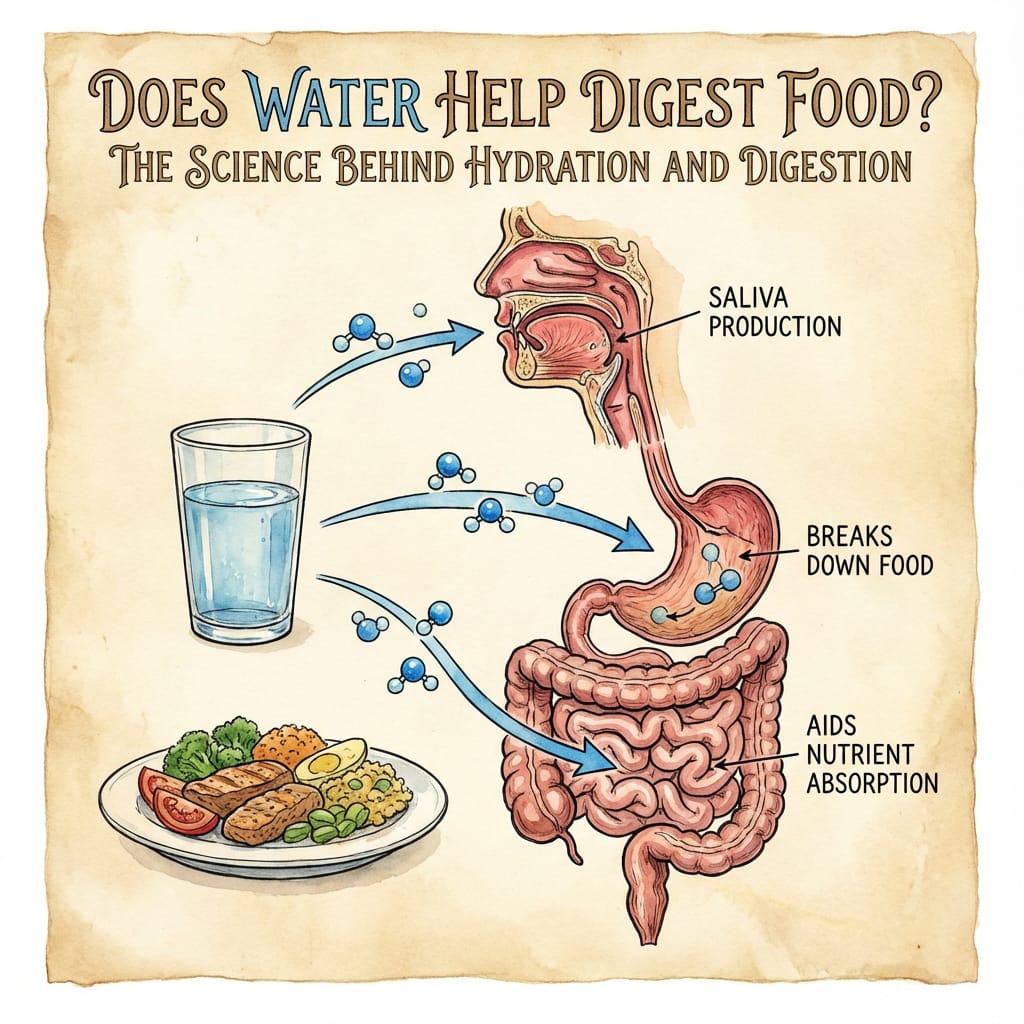
Here’s the bottom line: water directly supports food breakdown at every stage of the digestive process. From the moment food enters your mouth to when waste leaves your body, water is the unsung hero making it all happen.
Your digestive system depends on proper hydration to function efficiently. When you maintain adequate water intake – typically 8-10 glasses daily for most adults – you enable efficient nutrient absorption and waste elimination. Without enough water, your entire digestive process slows down like a machine running without oil.

Research shows that your digestive tract maintains remarkably consistent water levels regardless of whether you drink with meals. Studies found that gastric contents remain approximately 49% water, while intestinal contents stay around 76% water, demonstrating your body’s sophisticated regulation system. This means your digestive system will pull water from wherever it can find it to maintain these critical levels.
The key insight? Your body prioritizes digestion so heavily that it will borrow water from other systems when you’re not drinking enough. This is why dehydration can lead to everything from dry mouth to harder stools – your body is redirecting water to keep your digestive juices flowing.
How Water Facilitates Food Digestion Throughout Your Body
Let’s trace exactly how water helps break down your meals, starting from your first bite and following the journey through your digestive tract.
Saliva Production: Your Digestive System’s Opening Act
When you take that first bite, your mouth immediately springs into action. Saliva, which is 95% water, begins breaking down starches and lubricates food for easier swallowing. Without adequate hydration, saliva production drops significantly, making it harder to chew, swallow, and begin the initial breakdown of complex carbohydrates.
When you stay hydrated, your salivary glands can produce up to 1.5 liters of saliva daily. This isn’t just spit – it’s a sophisticated cocktail of enzymes, electrolytes, and water that starts the digestive process before food even reaches your stomach.
Stomach Acid Balance: Creating the Right Chemistry
Here’s where things get interesting. Many people worry that drinking water during meals dilutes stomach acid, but research shows the opposite. Water actually helps create the right consistency for optimal digestion by enabling your stomach to produce the perfect concentration of digestive juices.
Your stomach maintains its acid levels through sophisticated feedback mechanisms. When water enters, your stomach responds by adjusting acid production to maintain the ideal pH for protein breakdown. The water doesn’t weaken digestion – it provides the medium that allows pepsin and other digestive enzymes to work effectively.
Small Intestine Function: Where the Magic Happens
In your small intestine, water becomes absolutely critical for nutrient absorption. This 20-foot-long organ needs water to dissolve nutrients so they can cross the intestinal wall and enter your bloodstream. Fat-soluble vitamins, minerals, and other nutrients literally cannot be absorbed without adequate water as the transport medium.
Studies show that the small intestine maintains approximately 76% water content regardless of drinking patterns, but when you’re dehydrated, your body has to work much harder to maintain these levels.
Large Intestine Processing: The Final Stretch
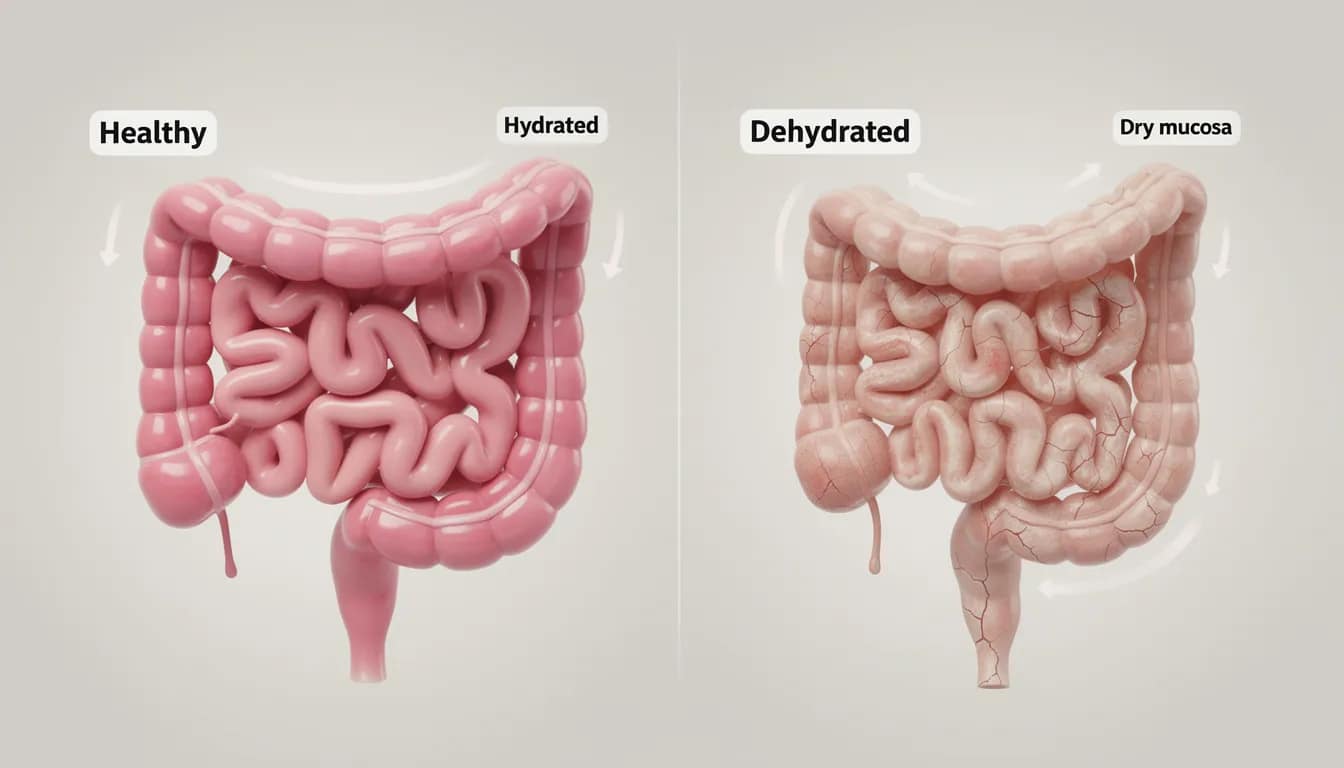
Your large intestine’s primary job is removing excess water from waste material to form solid stool. However, when you’re not drinking enough water, your colon becomes overly efficient at water extraction, leading to hard, difficult-to-pass stools. Maintaining proper hydration keeps this process balanced, ensuring healthy bowel movements without excessive water removal.
Water’s Role in Nutrient Transportation
The connection between water and nutrient absorption goes deeper than you might expect. Your blood plasma – the liquid portion of your blood – is 90% water and serves as the highway system for delivering dissolved vitamins and minerals throughout your body.
Cellular hydration is particularly crucial for absorbing specific nutrients like vitamin B12, iron, and folate. These nutrients require adequate cellular water content to cross cell membranes and reach their target destinations. When you’re dehydrated at the cellular level, even eating nutrient-rich foods won’t provide optimal benefits.
Water-soluble vitamins, including vitamin C and the entire B-complex family, require adequate hydration for proper processing and utilization. Unlike fat-soluble vitamins that can be stored in tissue, water-soluble vitamins are constantly being filtered through your kidneys and need regular water intake to maintain optimal levels.
The absorption process itself depends on proper hydration. Nutrients dissolved in water can easily cross the intestinal epithelium, while inadequate hydration creates a thicker, more viscous environment that impedes this crucial transfer.
What Happens When You Don’t Drink Enough Water
The consequences of inadequate hydration on your digestive system are more severe and immediate than most people realize. Let’s look at the specific ways dehydration disrupts your gut health.
Digestive Slowdown: When Everything Grinds to a Halt
When you don’t consume enough water, food transit time dramatically increases from the normal 24-72 hours to 5 or more days. This isn’t just uncomfortable – it’s a complete disruption of your digestive system’s natural rhythm.
Research involving water restriction in laboratory animals showed that reducing water intake by just 50% approximately doubled gastrointestinal transit time. This means food sits in your digestive tract twice as long as it should, leading to increased fermentation, gas production, and nutrient malabsorption.
Constipation Development: The Domino Effect
Hard, dry stools form when your colon absorbs excess water from waste material. This happens because your body prioritizes water for vital functions like maintaining blood pressure and brain function, leaving your digestive tract to make do with whatever remains.
The progression is predictable: insufficient water intake leads to harder stools, which require more straining to eliminate, which can lead to hemorrhoids and other complications. It’s a cascade effect that starts with something as simple as not drinking enough fluids.
Reduced Enzyme Production: Chemistry Gone Wrong
When you’re dehydrated, your pancreatic and bile secretions can decrease by up to 30%. These digestive juices are crucial for breaking down fats, proteins, and complex carbohydrates. Without adequate water to maintain normal production levels, your body struggles to extract nutrients from food effectively.
This reduction in digestive juices creates a vicious cycle: poor digestion leads to nutrient deficiencies, which can further impair your body’s ability to maintain proper hydration and digestive function.
Acid Reflux Risk: When Concentration Backfires
Insufficient water intake can lead to more concentrated stomach acid, which is more likely to irritate the esophageal lining and cause acid reflux symptoms. While stomach acid needs to be acidic to work properly, when it becomes too concentrated due to dehydration, it can splash back into the esophagus more easily and cause more damage when it does.
Optimal Water Intake Strategies for Better Digestion
Now for the practical part – how to time and structure your water intake for maximum digestive benefit. The key isn’t just drinking more water; it’s drinking the right amount at the right times.
Morning Routine: Starting Strong
Begin each day with 16 ounces of water upon waking to kickstart your digestive processes. Your body has been fasting and processing overnight, and this morning hydration helps replace fluids lost through respiration and supports the production of digestive juices for your first meal.
This isn’t just about rehydration – it’s about preparing your digestive system for the day ahead. That morning water intake stimulates gastric secretions and helps your stomach prepare for the incoming food.
Meal Timing: Strategic Hydration
Drink 8 ounces of water about 30 minutes before eating to optimize stomach preparation without overfilling your stomach. During meals, stick to small sips rather than large gulps. This approach maintains proper hydration while allowing your stomach to focus on mechanical and chemical breakdown of food.
The goal is supporting digestion without diluting digestive juices or creating excessive stomach distension that could slow gastric emptying.
Post-Meal Hydration: Timing Matters
Wait 60-90 minutes after eating before resuming normal water consumption. This allows your stomach to concentrate on digesting the meal without interference from large volumes of liquid. After this window, you can resume regular hydration to support the later stages of digestion in your small and large intestines.
Evening Habits: Planning for Rest
Stop drinking large amounts of water 2 hours before bed to prevent sleep disruption while still maintaining adequate hydration. Your digestive system continues working overnight, but excessive evening fluid intake can interrupt the sleep your body needs for proper digestive recovery.
Foods That Support Hydration and Digestion
Smart food choices can significantly boost your hydration status while providing additional digestive benefits. These foods work synergistically with your water intake to optimize digestive health.
High-Water Content Powerhouses
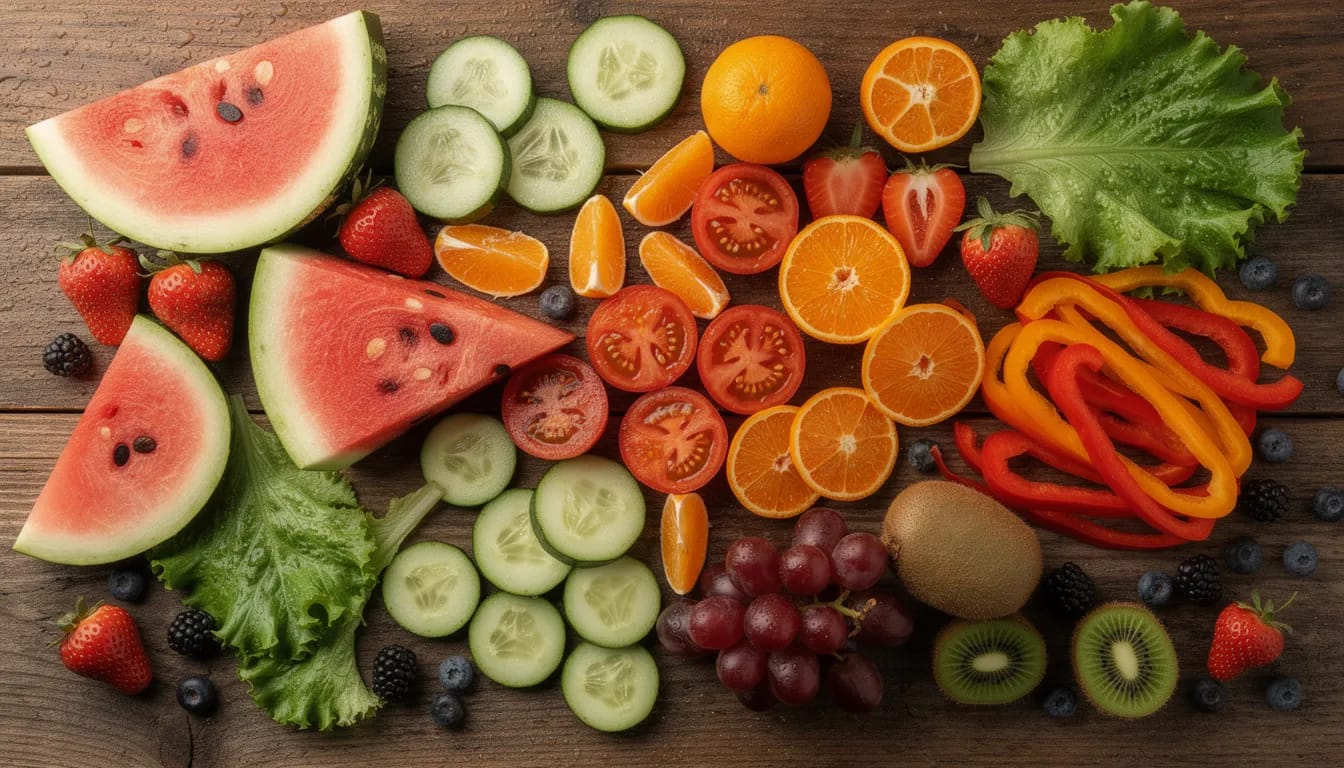
Watermelon contains 92% water and provides natural electrolytes that support fluid balance. Cucumber, at 95% water, offers additional fiber that works with water to promote healthy bowel movements. Tomatoes provide 94% water content plus lycopene and other nutrients that support overall digestive health.
These hydrating foods don’t just add to your fluid intake – they provide the fiber, vitamins, and minerals that work together with water to optimize digestive function.
Fiber-Rich Hydration Partners
Apples, pears, and berries require adequate water for proper processing of their high fiber content. When you eat these foods without sufficient hydration, the fiber can actually contribute to constipation rather than preventing it. The combination of fiber plus adequate water creates the ideal environment for healthy digestion and regular bowel movements.
Whole grains work similarly – they provide beneficial fiber that needs water to function properly in your digestive system. When you increase fiber intake, you must correspondingly increase water consumption.
Herbal Teas: Functional Hydration
Ginger tea provides hydration while actively aiding digestion through compounds that stimulate gastric motility and reduce nausea. Peppermint tea offers fluid replacement plus natural compounds that can reduce bloating and support smooth muscle relaxation in the digestive tract.
These herbal teas count toward your daily fluid intake while providing specific digestive benefits that plain water doesn’t offer. They’re particularly useful for people who struggle to drink enough plain water throughout the day.
Age-Related Changes in Hydration and Digestion
As we age, the relationship between hydration and digestive health becomes even more critical, yet more challenging to maintain.
The 65+ Challenge
Adults over 65 face a 40% higher dehydration risk due to decreased thirst sensation and kidney function changes. This isn’t just about feeling thirsty less often – it’s about physiological changes that make maintaining proper hydration more difficult just when digestive health becomes more fragile.
The decreased thirst sensation means older adults often don’t drink enough water until they’re already experiencing symptoms of dehydration. By then, digestive function may already be compromised.
Slower Gastric Processing
As we age, food stays in the stomach 20-30% longer when hydration is insufficient. This delayed gastric emptying can lead to feelings of fullness, bloating, and reduced appetite, creating a cycle where older adults eat less and potentially become more malnourished.
Proper hydration helps maintain normal gastric emptying rates and supports better nutrient absorption from smaller meal portions.
Medication Impacts
Common medications including diuretics, antacids, and blood pressure medications can significantly affect hydration status. Diuretics increase water loss, while some antacids can interfere with normal digestive fluid production. Blood pressure medications may affect kidney function and fluid balance.
Understanding these interactions is crucial for maintaining digestive health while managing other health conditions.
Kidney Function Considerations
Declining kidney function requires more conscious water intake for effective waste elimination. When kidneys can’t concentrate urine as effectively, the body needs more water to eliminate the same amount of waste products. This puts additional strain on maintaining proper hydration for digestive health.
Common Myths About Water and Digestion Debunked
Let’s address the persistent myths that prevent people from optimizing their hydration for digestive health.
Myth: Water During Meals Harms Digestion
The belief that drinking water with meals dilutes digestive juices and harms digestion persists despite scientific evidence to the contrary. Research consistently shows that moderate water intake (4-8 ounces) during meals actually aids food breakdown by helping create the optimal consistency for enzymatic action.
Your stomach has sophisticated mechanisms for maintaining proper acid concentration regardless of water intake. The temporary dilution that occurs when you drink water is quickly corrected by increased acid production.
Myth: Cold Water Slows Digestion
Many people avoid cold water believing it slows digestion, but your body temperature quickly warms consumed water regardless of its starting temperature. The digestive impact of cold versus room temperature water is negligible in healthy individuals.
Some studies suggest that cold water might temporarily affect gastric contractions, but this doesn’t translate to impaired digestion or nutrient absorption. The effect, if any, is minimal and temporary.
Myth: You Need Massive Amounts of Water
While hydration is crucial, more isn’t always better. Excessive water intake can lead to water intoxication and electrolyte imbalances. The key is consistent, adequate intake rather than forcing yourself to drink enormous quantities.
Your body provides clear signals about hydration needs through thirst, urine color, and digestive symptoms. Learning to read these signals is more effective than following arbitrary high-volume recommendations.
Signs Your Digestive System Needs More Water
Your body provides clear warning signs when hydration levels aren’t supporting optimal digestive function. Learning to recognize these signals can help you address issues before they become serious problems.
Bowel Movement Frequency Changes
Having fewer than 3 bowel movements per week indicates insufficient hydration affecting your digestive system. Normal transit time depends on adequate water to keep things moving smoothly through your intestines. When frequency drops, it’s often one of the first signs that you need to increase your fluid intake.
Track your bathroom habits for a week to establish your normal pattern, then notice changes that coincide with decreased water intake or increased water loss through exercise, sweating, or hot weather.
Stool Consistency Problems
Hard, pellet-like stools clearly indicate that your colon is absorbing too much water from waste material. Normal stool should be soft and well-formed, not dry and difficult to pass. This change often happens gradually, making it easy to miss until constipation becomes uncomfortable.
The Bristol Stool Chart provides a useful reference for normal stool consistency. Types 3 and 4 indicate adequate hydration, while types 1 and 2 suggest insufficient water intake.
Urine Color as a Diagnostic Tool
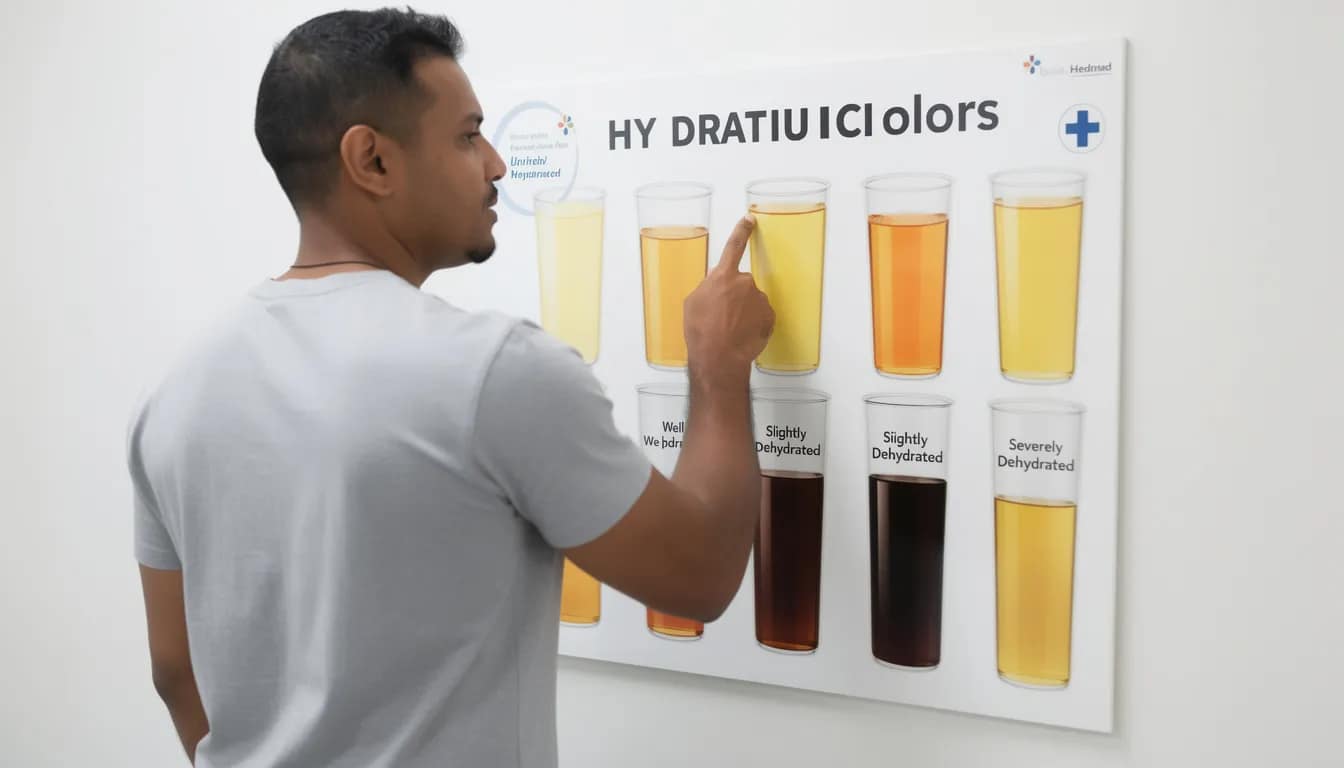
Dark yellow urine indicates dehydration that’s likely affecting your overall digestion. Pale yellow urine suggests adequate hydration for digestive health. This simple visual check provides immediate feedback about your hydration status throughout the day.
Check your urine color first thing in the morning and several times throughout the day to assess whether you’re maintaining adequate hydration for optimal digestive function.
Digestive Discomfort Patterns
Bloating, gas, and cramping often improve within days of increased water intake. These symptoms can result from slowed transit time, concentrated digestive juices, or inadequate lubrication in the digestive tract. When you address hydration, these issues often resolve more quickly than expected.
Pay attention to the timing of digestive discomfort relative to your water intake. Many people notice improvement in symptoms within 24-48 hours of increasing their fluid consumption.
The Energy Connection
Poor digestion due to dehydration can affect your overall well being and activity level. When your digestive system struggles, your body diverts energy from other functions to support digestion. This can leave you feeling sluggish and tired, especially after meals.
Proper hydration supports efficient digestion, which in turn supports better energy levels throughout the day. Many people report improved mental clarity and physical energy when they optimize their water intake for digestive health.
Weight and Metabolism Factors
Adequate hydration supports healthy weight management by improving nutrient absorption and supporting proper metabolism. When your digestive system functions efficiently, your body can better extract nutrients from food and eliminate waste products effectively.
Dehydration can also be mistaken for hunger, leading to increased food intake when what your body actually needs is fluids. Learning to distinguish between thirst and hunger can support both digestive health and weight management goals.
The relationship between proper hydration and your digestive system isn’t just about preventing constipation or staying comfortable – it’s about optimizing one of your body’s most complex and important systems. Water helps break down food, transport nutrients, support healthy gut bacteria, and eliminate waste efficiently.
Whether you’re dealing with digestive conditions, trying to lose weight, or simply want to feel your best, maintaining adequate hydration provides the foundation for better digestion and overall health. Start by assessing your current water intake honestly, then make gradual adjustments to support your digestive tract’s incredible daily work.
Your gut will thank you, your energy levels will improve, and you’ll discover that something as simple as drinking enough water can transform how you feel every day. The science is clear: water doesn’t just help digest food – it’s absolutely essential for maintaining a healthy digestive system that supports your entire body’s well being.