
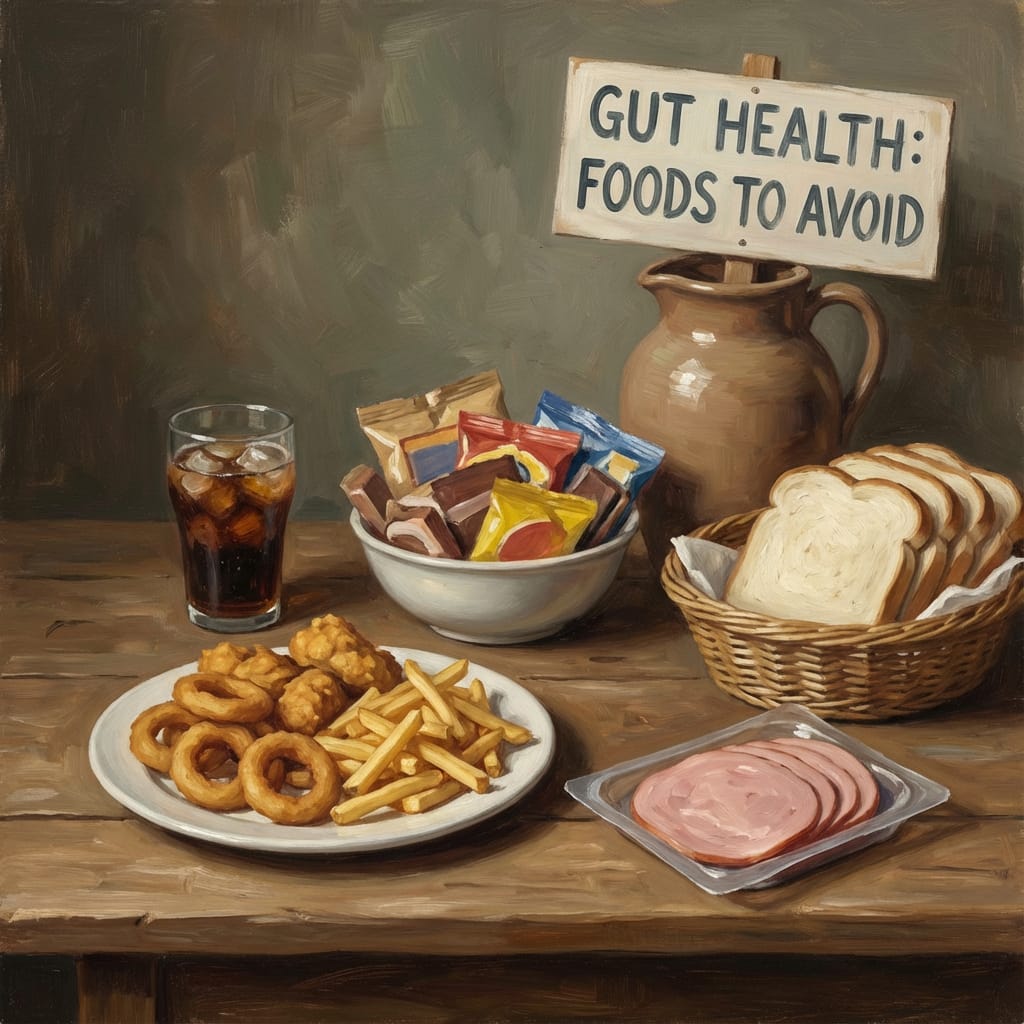
Look, nobody wants to think about what’s happening in their intestines. We’d all rather pretend our digestive system is a magic black box where food goes in, energy comes out, and everything in between is none of our business.
But here’s the thing: that “black box” is actually home to trillions of bacteria, and what you feed them determines whether you feel like a well-oiled machine or a bloated, gassy mess wondering why your pants feel two sizes too small after lunch.
The foods you eat every day are either feeding the helpful gut bacteria that keep things moving smoothly, or they’re throwing a party for harmful bacteria that produce inflammation, gas, and that lovely “why did I eat that” feeling.
Making the right food choices is essential for good gut health, which helps your digestive system function at its best.
This guide breaks down exactly which foods are sabotaging your gut health, why they’re problematic, and what to eat instead. No complicated science lectures. No unrealistic demands to eat nothing but kale for the rest of your life. Just practical, actionable information to help your digestive system do its job without all the drama.
Gut health is also linked to improved mental health and stronger immunity, making it even more important to pay attention to what you eat.
Quick Answer: The Main Foods To Avoid For Better Gut Health
Before we dive into the why and how, here’s your at-a-glance hit list. If you’re in a hurry and just want to know what to cut back on, these are the main offenders making your gut unhappy.
Food Category | Why It’s Problematic |
|---|---|
Ultra-processed foods | Low fiber, high additives that disrupt gut bacteria |
Added sugar products | Feed harmful gut bacteria, damage intestinal lining |
Artificial sweeteners | Alter microbiome composition, may increase inflammation |
Sugary drinks & energy drinks | Liquid sugar hits fast, spikes blood sugar, drives dysbiosis |
Alcohol | Damages gut lining, increases intestinal permeability |
Fried foods | Inflammatory fats, difficult to digest |
Fast food meals | Generally unhealthy; contain oodles of sodium, preservatives, refined carbohydrates, and added sugar—combines multiple gut-stressing elements at once |
Processed carbs | Spike blood sugar, promote inflammation, disrupt gut bacteria (e.g., white bread, pasta) |
Processed meats | Linked to colorectal cancer, negative bacterial shifts |
Processed plant-based meats | Often just as additive-heavy as their meat counterparts |
Red and cured meats | Excess consumption reduces microbial diversity |
Refined grains | Stripped of fiber, spike blood sugar |
High-sodium packaged snacks | Contribute to inflammation and bacterial imbalance |
Sugar alcohol products | Cause gas, bloating, and diarrhea in many people |
Very spicy foods | Trigger symptoms in people with irritable bowel syndrome or reflux |
Dairy and gluten | Problematic for those with specific food sensitivities |
Individual tolerance varies significantly. Your coworker might demolish spicy tacos without blinking while you’re reaching for antacids. The goal isn’t perfection—it’s reducing the categories that consistently cause you digestive issues and prioritizing foods for gut health that support your overall digestive health.
What Is Gut Health And Why Does It Matter?
When experts talk about gut health, they’re referring to the condition of your entire digestive tract—from your stomach through your small and large intestines—and the trillions of microorganisms living there. This community of bacteria, viruses, and fungi is called your gut microbiome, and it’s essentially a second brain running operations you never even think about.
Your gut flora breaks down food your body can’t digest on its own, produces vitamins (like B12 and K), and regulates your immune system. In fact, somewhere between 50-70% of your immune cells hang out in gut-associated lymphoid tissue. When your gut bacteria are balanced, your immune system works better. When they’re not, you’re more prone to inflammation, infections, and chronic diseases.
Here’s where it gets interesting: your gut and brain are in constant communication through something called the gut-brain axis. This is why digestive discomfort often comes with brain fog, anxiety, or irritability. A healthy gut supports nutrient absorption, regular bowel movements, stable energy, clearer skin, and reduced risk for conditions ranging from heart disease to mental health issues. Your gut isn’t just processing last night’s dinner—it’s influencing your entire body.
Understanding Gut Bacteria And Its Role In Digestion
Your gut is home to a bustling metropolis of microorganisms—collectively known as the gut microbiome—that work around the clock to keep your digestive system humming. These gut bacteria aren’t just passive residents; they’re active partners in breaking down food, absorbing nutrients, and defending your body against harmful invaders. When your gut microbiome is balanced, you enjoy smoother digestion, fewer gut symptoms, and better overall gut health.
A healthy gut is all about balance. Beneficial bacteria help digest fiber-rich foods like whole grains, fruits, and vegetables, producing short-chain fatty acids that nourish your gut lining and keep inflammation in check. On the flip side, a diet heavy in processed foods, artificial sweeteners, and unhealthy fats can disrupt this balance, allowing less-friendly bacteria to take over—a state called dysbiosis. This imbalance is linked to digestive issues like bloating, constipation, and even irritable bowel syndrome (IBS).
Want to support a healthy gut microbiome? Focus on eating foods rich in fiber and fermented foods like yogurt and kefir, which introduce more beneficial bacteria into your system. The more you feed your good gut bacteria, the more they’ll reward you with better digestion, a stronger immune system, and a happier, healthier gut.
Signs Your Diet May Be Harming Your Gut
Your body is constantly sending signals about how your food choices are affecting your digestive system. Most people ignore these signals until they become impossible to ignore. Here’s what to watch for:
Digestive symptoms:
- Frequent bloating that makes you feel like you swallowed a balloon
- Excessive gas (we’re talking clearing-the-room levels)
- Constipation, diarrhea, or alternating between both
- Abdominal cramping, especially after meals
- Acid reflux or heartburn that shows up regularly
Non-digestive symptoms (yes, your gut affects these too):
- Persistent fatigue that sleep doesn’t fix
- Brain fog and difficulty concentrating
- Low mood, irritability, or anxiety
- Frequent colds or infections
- Unexplained skin issues like acne or eczema
- Chronic bad breath that mouthwash can’t touch
These gut symptoms often intensify after meals heavy in fried foods, sugary drinks, alcohol, or heavily processed snacks. If you’re noticing patterns, consider tracking your food and symptoms for 2-4 weeks with a simple diary. Write down what you eat and how you feel 2-6 hours later. This basic detective work can reveal connections you’d otherwise miss—and it’s useful information to bring to a clinician if symptoms persist.
The Dangers Of Bad Bacteria In The Gut
Not all gut bacteria are your friends. When harmful gut bacteria start to outnumber the beneficial ones, your digestive system—and your overall health—can take a serious hit. An overgrowth of bad bacteria can trigger inflammation, digestive discomfort, and even impact your mental health, leading to symptoms like brain fog or low mood.
What fuels these troublemakers? Diets high in sugar, salt, unhealthy fats, and ultra processed foods give bad bacteria the upper hand. This can set the stage for digestive disorders, frequent bloating, and a weakened immune system. On the other hand, eating a diet rich in whole grains, fruits, vegetables, and lean proteins helps keep your gut microbiome balanced and supports the growth of beneficial bacteria.
To tip the scales in your favor, minimize fried foods, processed snacks, and foods high in added sugars. Instead, load up on foods rich in fiber and antioxidants, and consider adding fermented foods or probiotic supplements to your routine. These healthy habits can help crowd out bad bacteria, reduce digestive issues, and support your overall health from the inside out.
The Top Foods And Drinks To Avoid For A Healthy Gut
Now we get into the specifics. The worst foods for gut health tend to share common patterns: they’re low in fiber, high in refined carbohydrates, loaded with added sugars, packed with unhealthy fats, contain multiple additives, and often deliver excess sodium. Avoiding these foods is important for optimal digestion and maintaining a healthy gut environment.
The following sections break down each problematic category with real examples and practical alternatives. For example, Ultra-Processed Foods (UPFs) contain additives that can disrupt gut flora and weaken the protective mucus layer, making them especially harmful for gut health. You don’t need to eliminate everything overnight—that’s a recipe for feeling deprived and giving up. Instead, identify the 1-2 categories you consume most frequently (for many people, that’s sugary drinks and fast food) and start there.
Small, sustainable changes beat dramatic overhauls every time. Your gut bacteria didn’t get imbalanced in a day, and they won’t rebalance in a day either.
1. Foods High In Added Sugar
Let’s clarify something important: natural sugars in whole fruit, plain dairy, and vegetables aren’t the enemy. These come packaged with fiber, vitamins, and compounds that slow absorption and feed beneficial gut bacteria. The problem is added sugar—the refined stuff manufacturers dump into packaged foods to make them taste irresistible.
When you consume high amounts of added sugar (think soft drinks, candy, pastries, sweetened yogurts, flavored coffees), you’re essentially throwing a feast for harmful gut bacteria and yeasts while starving the beneficial bacteria. High added sugar intake disrupts your gut microbiome balance and can actually damage your intestinal barrier—the protective lining that keeps bacterial toxins from leaking into your bloodstream (hello, leaky gut).
Research suggests that eating patterns with more than about 10% of daily calories from added sugars (roughly 50 grams on a 2,000-calorie diet) are linked to increased inflammation and metabolic problems. For reference, a single 12-ounce soda contains about 39 grams.
Common sources to watch:
- Sodas and sweet teas
- Energy drinks
- Commercial smoothies
- Breakfast cereals and granola bars
- Cookies, donuts, and pastries
- Bottled sauces and dressings with high fructose corn syrup
- Flavored yogurts
Practical swaps:
- Water or unsweetened tea instead of soda
- Plain yogurt with fresh fruit instead of flavored yogurt
- Tomato sauce without added sugar
- Dark chocolate with minimal sugar instead of milk chocolate
2. Artificially Sweetened Foods And Drinks
Here’s where things get frustrating. You switch to diet soda thinking you’re doing your gut a favor, only to discover artificial sweeteners might be causing their own problems. Products labeled “sugar-free,” “diet,” or “light” often contain sweeteners that can still disturb your healthy gut bacteria.
The main culprits include aspartame, sucralose, saccharin, and acesulfame-K. Studies suggest these may alter gut bacteria composition and potentially increase inflammation or glucose intolerance. A UK study found that certain artificial sweeteners encouraged pathogenic shifts in gut bacteria—not exactly what you signed up for when you chose the diet version.
Typical products to reconsider:
- Diet sodas
- Sugar-free energy drinks
- Light yogurts
- Sugar-free candies and gums
- Low-calorie dessert syrups
- Some protein bars
Some people notice more bloating or gas after switching to heavy artificial sweetener use. Individual responses vary significantly—some people tolerate them fine, others don’t.
Better alternatives:
- Water with citrus slices
- Unsweetened sparkling water
- Small amounts of stevia or monk fruit (early research suggests these may be less harmful)
- Lightly sweetened drinks with minimal added sugar if you need a transition step
Try a 2-3 week break from artificial sweeteners to see if your digestive discomfort improves. You might be surprised.
3. Sugar Alcohols (Polyols)
If you’ve ever demolished a bag of sugar-free candy and spent the next several hours running to the bathroom, you’ve met sugar alcohols. These include erythritol, xylitol, sorbitol, mannitol, and maltitol—common in “low-carb,” “keto,” or “no added sugar” products.
Sugar alcohols pull water into your intestines and get fermented by your gut bacteria, producing gas, bloating, and osmotic diarrhea. People with irritable bowel syndrome or sensitive digestion often react strongly, but even people with iron stomachs can hit their limit.
Products where they hide:
- Sugar-free candies and mints
- “Diabetic” chocolates
- High-protein or keto snack bars
- Some chewing gums
- Certain low-calorie ice creams
Small amounts might be tolerated, but higher doses (several sugar-free candies or large portions of diet ice cream) commonly trigger symptoms. Check ingredient lists for names ending in “-ol” and consider choosing snacks sweetened with small amounts of real sugar, fruit, or stevia instead.
4. Sugary Beverages And Energy Drinks
Liquid sugar hits your digestive system fast and hard. Without fiber to slow things down, sodas, sweet teas, bottled lemonades, sports drinks, and fancy coffeehouse concoctions spike your blood sugar, fuel inflammation, and create an environment where bad bacteria thrive.
Let’s talk numbers:
- A 12-oz regular soda: ~35-40 grams of sugar
- A large flavored coffee drink: 50-60+ grams of sugar
- Some energy drinks: 50+ grams plus artificial dyes
Many fruit drinks and “juice cocktails” are essentially soda in disguise—loaded with added sugars and stripped of fiber. Whole fruit is beneficial because the fiber slows absorption; fruit-flavored drinks offer none of that protection.
Healthier hydration options:
- Plain water (revolutionary, I know)
- Herbal tea
- Unsweetened iced tea
- Seltzer with a splash of 100% fruit juice
- No-sugar electrolyte drinks for athletes who actually need electrolyte replacement
5. Alcohol
Your gut lining really doesn’t appreciate alcohol. Even moderate drinking can harm the protective barrier of your digestive tract, alter your gut microbiome composition, and increase intestinal permeability—the scientific term for leaky gut.
Frequent heavy drinking (more than 7 drinks per week for women, 14 for men) is particularly damaging and tied to reflux, gastritis, and liver problems that further complicate digestion. Common gut-related symptoms after drinking include heartburn, diarrhea, abdominal pain, and worsened IBS symptoms.
Even moderate intake can be problematic for people with existing IBS, IBD, or reflux. And honestly, no amount is completely risk-free for gut health.
Harm reduction strategies:
- Build in alcohol-free days each week
- Choose smaller servings
- Alternate alcoholic drinks with water
- Experiment with non-alcoholic options like mocktails or sparkling water
- Talk to a clinician if reducing alcohol feels difficult
6. Fried Foods And Fast Food Meals
Deep-fried foods—fried chicken, French fries, onion rings, breaded fish, doughnuts—are cooked in oils that, when repeatedly heated, generate inflammatory compounds and trans fats. Your gut bacteria don’t appreciate this, and studies show people who frequently consume fried meats have less diverse microbiota and higher inflammation markers.
Fried foods containing unhealthy fats can slow the digestion process and cause gastrointestinal discomfort. Additionally, certain cooking oils, like vegetable, corn, and peanut oils when heated, can damage the gut.
Large fast food meals are particularly problematic because they combine multiple gut-stressing elements: refined white buns, fried meats, sugary sauces, and soda. This combination slows stomach emptying, promotes acid reflux, and encourages growth of less-beneficial gut microbes over time.

Realistic swaps:
- Grilled or baked mains instead of fried
- Salads with olive oil-based dressings
- Oven-baked potato wedges
- Water instead of soda at restaurants
The goal isn’t never eating fast food again—it’s reducing frequency from several times per week to once weekly or less.
7. Processed And Ultra-Processed Foods
Ultra-processed foods are industrial formulations with long ingredient lists, multiple additives, refined flours, and industrial oils. Think packaged snacks, instant noodles, toaster pastries, frozen entrées, and shelf-stable baked goods that somehow stay “fresh” for months.
Here’s a sobering statistic: ultra-processed foods account for nearly 60% of caloric intake in the typical American diet.
Emulsifiers like carboxymethylcellulose and polysorbate-80 can disrupt your gut barrier and alter your microbiome in experimental studies. The combined effect—low fiber, high refined carbs, high sodium, and multiple additives—contributes to chronic inflammation, IBS symptoms, and higher risk of conditions like IBD and colorectal cancer.
Important distinction: Minimally processed foods (plain frozen vegetables, canned beans in water, plain yogurt) are generally fine. The concern is about heavily engineered products, not all convenience foods.
What to do:
- Choose foods closer to their original form
- Read ingredient lists—look for recognizable, kitchen-style ingredients
- Cook simple meals at home more often
- Reserve ultra-processed snacks as occasional extras, not daily staples
8. Processed Meats And Excess Red Meat
Processed meats include bacon, sausages, hot dogs, salami, pepperoni, deli cold cuts, and jerky made with nitrites and high salt levels. The World Health Organization has classified processed meat as a carcinogen, with strong links to colorectal cancer and negative shifts in gut bacteria.
Red meat (beef, pork, lamb) in large portions several times per week can reduce microbial diversity and increase inflammatory metabolites. Your gut bacteria produce a compound called TMAO from carnitine in red meat, which is linked to cardiovascular risk and pro-inflammatory signaling.
The nuance: Small, occasional servings of lean, unprocessed red meat are different from daily heavy or processed meat consumption. This isn’t about becoming vegetarian—it’s about frequency and quality.
Better protein options for most meals:
- Fish (salmon, sardines, trout—rich in beneficial fatty acids)
- Skinless poultry
- Eggs
- Tofu and tempeh
- Beans and lentils
Gradually shift red meat from several times per week to once weekly or less, and limit processed meats to rare occasions.
9. Refined Grains And High-Glycemic Foods
Refined grains have had their bran and germ removed, stripping away most fiber, vitamins, minerals, and compounds that feed your beneficial gut bacteria. What’s left digests quickly, spikes blood sugar, and leaves your gut microbes hungry.
Common refined grain products:
- White bread
- Regular pasta
- White flour tortillas
- Many breakfast cereals
- Pastries and baked goods
- Crackers made with refined flour
Regular high-glycemic eating is associated with systemic inflammation and may worsen conditions like irritable bowel syndrome and fatty liver disease.
Better alternatives:
- Oats (steel-cut or rolled)
- Brown or wild rice
- Quinoa
- Whole-wheat or legume pasta
- Breads with whole grain as the first ingredient
Pro tip: Cooking rice or potatoes, cooling them, and then reheating increases their resistant starch content—a type of fiber that nourishes your gut microbes.
10. High-Sodium Packaged Foods
Chronic high sodium intake through instant noodles, canned soups, boxed meal kits, chips, and salty snacks contributes to inflammation while altering your gut microbial balance. Many restaurant and fast-food meals exceed 1,000 mg sodium in a single serving, quickly surpassing the typical 2,300 mg/day upper limit.
Research has linked high-salt diets to less favorable gut bacteria and potential autoimmune risk.
Practical changes:
- Use herbs, spices, citrus, and vinegar to flavor food instead of salt-heavy sauces
- Choose lower-sodium versions of canned products
- Rinse canned beans and vegetables before use
- Cook at home more often where you control the salt
11. Spicy, Fatty, And Highly Acidic Foods (For Sensitive Guts)
Not everyone needs to avoid spices. Many spices are actually beneficial. But certain people with IBS, reflux, or inflammatory conditions react strongly to capsaicin-rich foods like hot peppers and chili sauces.
Rich, high-fat spicy meals (heavily seasoned fried dishes, spicy fast food) are especially likely to cause heartburn and indigestion. Acidic foods that commonly worsen reflux include citrus juices, tomato-based sauces, and vinegar-heavy dishes in large quantities.
What to try:
- Reduce heat levels gradually
- Choose milder spices (turmeric, ginger, cumin)
- Pay attention to your symptom patterns
- Keep a food diary to identify your specific triggers
These are individual triggers, not universal “bad” foods. Some people thrive on spicy foods; others don’t. Know your own tolerance.
12. Dairy And Gluten-Containing Foods (When You’re Sensitive)
Lactose intolerance affects many adults who have reduced lactase enzyme activity. Undigested lactose passes into your colon where bacteria ferment it, producing gas, bloating, and diarrhea. Many people develop lactose intolerance in their teens or 20s, and symptoms may intensify over time.
Gluten (found in wheat, barley, and rye) is harmful for people with celiac disease and non-celiac gluten sensitivity—but not necessarily for everyone. If you don’t have these conditions, eliminating gluten provides no gut health benefit.
Common sources:
- Dairy: Milk, cream, soft cheeses, ice cream
- Gluten: Bread, pasta, pastries, beer, many sauces and processed foods
Alternatives if you’re sensitive:
- Lactose-free milk
- Hard cheeses (lower lactose)
- Yogurt with live cultures (the bacteria help digest lactose)
- Rice, quinoa, and certified gluten-free oats
Important: Get medical evaluation before permanently eliminating whole food groups to avoid nutrient deficiencies.
13. Certain Vegetables, Legumes, And Corn (For IBS And Sensitive Digestion)
This section comes with a big asterisk: fiber rich foods like beans, lentils, cruciferous vegetables, and corn are generally excellent for overall gut health. But they can provoke symptoms in people with IBS or during IBD flares.
High-FODMAP foods (onions, garlic, some beans, certain fruits) contain fermentable carbohydrates that cause gas and bloating in sensitive guts. Corn specifically has a tough outer cellulose that can appear undigested in stool and cause bloating in some individuals.
Improving tolerance:
- Soak and thoroughly cook beans
- Steam or roast vegetables
- Eat smaller portions
- Increase fiber gradually rather than suddenly
A structured low-FODMAP trial under dietitian guidance can help identify individual triggers without cutting out all plant foods long-term. These foods are “gut-healthy overall” but “temporarily problematic for certain conditions.”
Acid Reflux And Gut Health: Foods That Can Trigger Symptoms
If you’ve ever felt that burning sensation after a heavy meal, you know how uncomfortable acid reflux can be. Certain foods are notorious for relaxing the lower esophageal sphincter—the muscle that keeps stomach acid where it belongs—allowing acid to creep up and cause those classic symptoms. Fried foods, processed meats, and anything high in added sugars or unhealthy fats are common culprits that can trigger acid reflux and disrupt your healthy gut.
But it’s not all bad news. Choosing foods rich in fiber, like whole grains, fruits, and vegetables, can help keep acid reflux at bay and support a healthy gut microbiome. Eating smaller, more frequent meals, maintaining a healthy weight, and steering clear of tight clothing can also make a big difference. If you’re prone to reflux, try elevating the head of your bed and keeping a food diary to identify your personal triggers.
Remember, a healthy gut isn’t just about what you avoid—it’s about building a balanced gut microbiome with smart food choices and healthy lifestyle habits. By identifying and steering clear of your trigger foods, you’ll not only reduce acid reflux but also support your overall digestive health and well-being.
What To Eat Instead: Gut-Friendly Food Swaps
Supporting your gut microbiome isn’t just about restriction—it’s about replacing harmful foods with nourishing alternatives. Making these swaps can improve gut health by supporting a diverse and balanced gut microbiome. Here’s your swap guide:
Instead of… | Choose… |
|---|---|
Soda | Water, herbal tea, or unsweetened sparkling water |
White bread | Whole grain bread with fiber |
Processed snacks | Nuts, seeds, fresh fruit |
Fast food burgers | Homemade grilled chicken or bean-based bowls |
Sugary cereal | Oatmeal with berries |
Fried chicken | Baked or grilled chicken |
Ice cream | Plain yogurt with fruit and a drizzle of honey |
Chips | Veggie sticks with hummus |

Beneficial categories to emphasize:
- Fiber rich fruits and vegetables
- Legumes (beans, lentils, chickpeas—as tolerated)
- Whole grains (oats, brown rice, quinoa): Whole grains are beneficial for gut health because they contain fiber, which supports a healthy gut microbiome.
- Fermented foods (yogurt with live cultures, kefir, sauerkraut, kimchi)
- Healthy fats (olive oil, avocado, nuts, seeds)
- Prebiotic-rich foods (garlic, onions, leeks, asparagus—if tolerated)
Build meals around plants and minimally processed proteins using the plate method: ½ vegetables, ¼ whole grains or starchy vegetables, ¼ protein.
Encourage gradual change: add one gut-friendly food per day or upgrade one meal per week. Small wins accumulate into major improvements for good gut health.
Practical Tips For Reducing Gut-Harming Foods
Modern life makes processed and convenience foods tempting. Between work, family, and the general chaos of existence, sometimes a drive-through meal feels like the only option. Progress matters more than perfection. Remember, lifestyle factors such as stress, sleep, and diet all play a role in gut health, so it’s important to consider your overall habits, not just what you eat.
Start with a short audit:
- Track packaged snacks, sugary drinks, alcohol, and fast-food meals for 3-7 days
- Look for patterns without judgment
- Identify your biggest sources of gut-harming foods
Choose one or two high-impact changes:
- Eliminate weekday soda
- Swap daily fast food lunch for a homemade option three times per week
- Replace afternoon candy with fruit and nuts
Plan ahead:
- Batch-cook simple meals on Sundays
- Prep veggies and grains in advance
- Keep easy gut-friendly staples on hand: frozen vegetables, canned beans, oats, eggs
Read labels:
- Limit products with long ingredient lists
- Watch for multiple sugars and artificial sweeteners
- Look for fiber content and recognizable ingredients
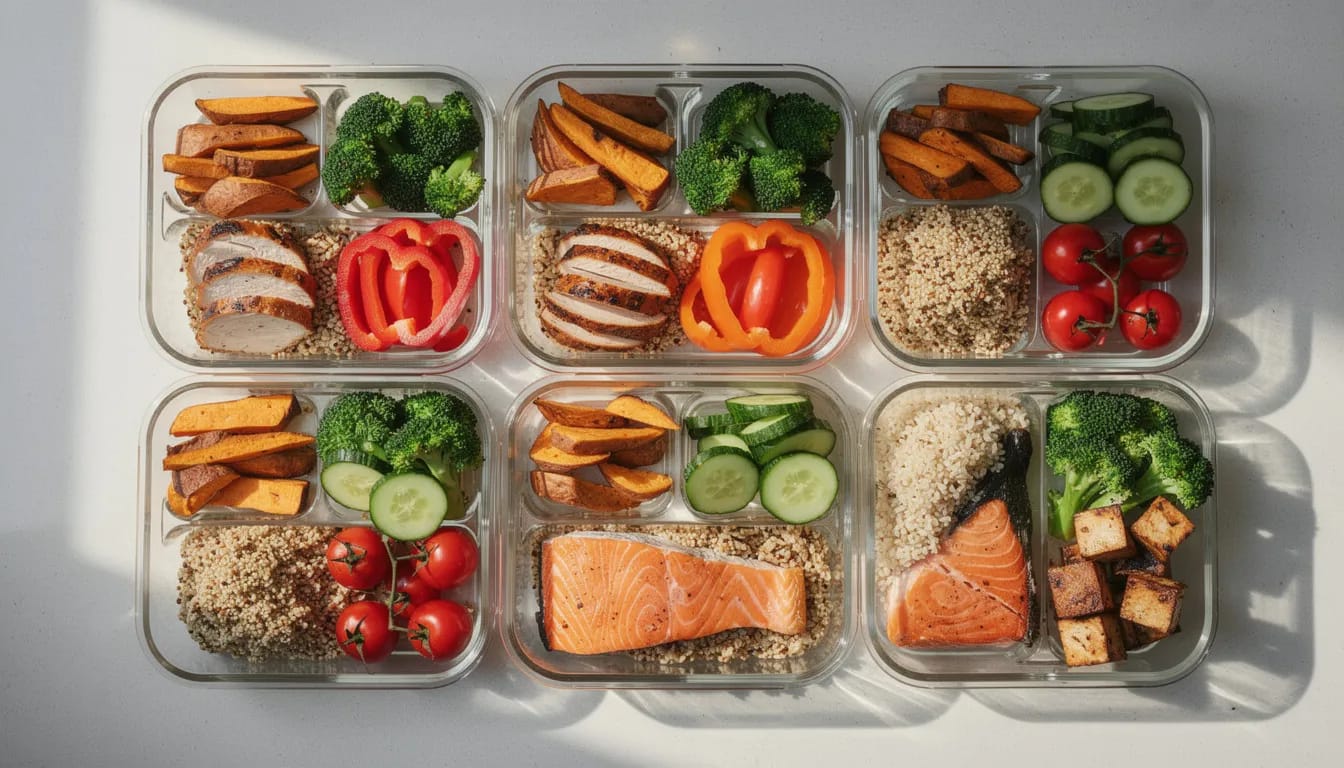
Add before you subtract: Prioritize adding more fiber and fermented foods first. These often naturally crowd out processed options as you fill up on the good stuff.
Slip-ups are normal. Long-term patterns matter more than individual meals. One burger won’t wreck your gut; eating that burger every day might. Addressing lifestyle factors like stress management, quality sleep, and balanced nutrition can help improve gut health over time.
When To Seek Professional Help
Persistent digestive issues lasting more than a few weeks warrant medical evaluation—not just more self-directed diet changes. Your body might be telling you something beyond “eat better.”
Red-flag symptoms that need prompt attention:
- Unintentional weight loss
- Blood in stool
- Black or tarry stools
- Severe abdominal pain
- Waking at night with diarrhea
- Family history of bowel cancer or IBD
Consider consulting a gastroenterologist and a registered dietitian specializing in digestive health. These professionals can design tailored elimination or low-FODMAP plans, ensure you’re getting adequate nutrients, and distinguish between IBS, IBD, celiac disease, and other digestive disorders.
Don’t self-diagnose or permanently cut major food groups without supervision—especially for children, pregnant people, or those with chronic illnesses. Eliminating dairy, gluten, or entire food categories without guidance can lead to nutrient deficiencies and unnecessary restriction.
Your gut didn’t become an unhealthy gut overnight, and building a balanced gut microbiome takes time. But every swap counts. Every time you choose water over soda, whole grains over refined carbohydrates, or real food over ultra processed foods, you’re feeding your beneficial gut bacteria and starving the harmful bacteria that cause inflammation.
The right foods promote gut health. The following foods on the “avoid” list don’t mean forbidden forever—they mean reduce, minimize, and save for occasional indulgences.
Start with one change this week. Your gut will notice, even if you don’t feel it immediately. And over time, as your healthy gut microbiome establishes itself, you’ll likely notice improved energy, clearer thinking, better immune function, and—let’s be honest—much more pleasant bathroom visits.
Your digestive system has been working hard for you every single day. Time to return the favor.