
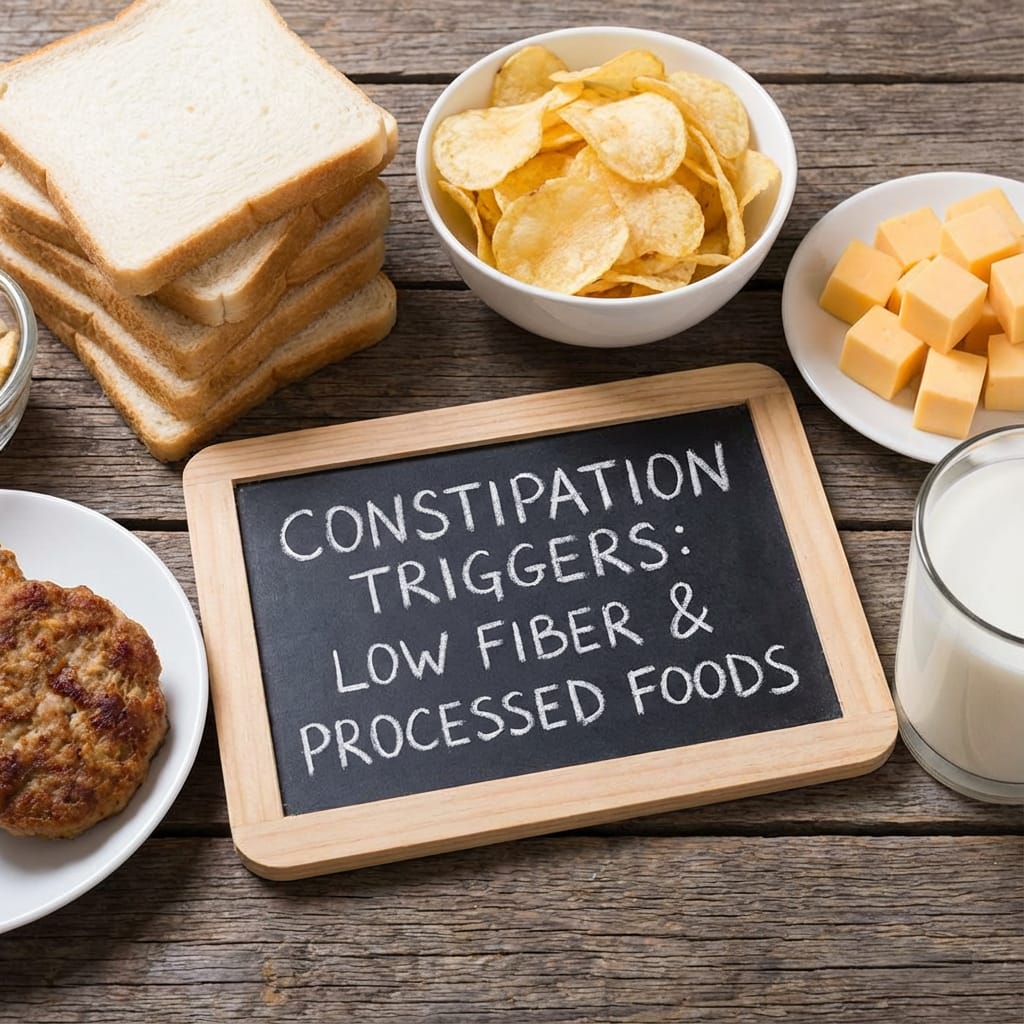
Ever sat there wondering why your gut has decided to go on strike? You’ve tried drinking water. You’ve paced around. You’ve made deals with the universe. And still… nothing.
Here’s the thing nobody told you: what you’re eating (or not eating) might be the whole problem. Certain foods are basically kryptonite for your digestive system, and if you’re loading up on them regularly, you’re setting yourself up for some seriously uncomfortable bathroom standoffs. Constipation makes it difficult to pass stool, leading to infrequent or hard bowel movements that can be both uncomfortable and frustrating.
The good news? Once you know which foods to avoid to avoid constipation, you can make simple swaps that get things moving again. Let’s break down exactly what’s clogging up the works—and what to do about it.
Quick Answer: Top Foods and Drinks to Avoid When You’re Constipated
If you’re currently in the middle of a constipation crisis and need answers fast, here’s the deal: certain low fiber, high fat, and high sodium foods can turn your digestive tract into a traffic jam. When bowel movements slow down, these are the first things to cut back on.
The main culprits to avoid right away:
- Processed snack foods (chips, crackers, cheese puffs)
- Fried foods and greasy meals (french fries, fried chicken)
- Red meat and processed meats (steak, hot dogs, bacon, deli meats)
- Full-fat dairy products (cheese, ice cream, cream-based sauces)
- Refined grains (white bread, white rice, pastries)
- Unripe bananas
- Frozen meals and packaged foods
- Alcohol
Processed foods as a category are especially problematic—they are typically low in nutritional value and fiber, but high in sodium and unhealthy fats, all of which contribute to constipation and slow down digestion.
These items tend to be low in dietary fiber and can actually pull water from your gut, leading to harder, drier stools that are genuinely difficult to pass. Nobody wants that.
The sections below explain exactly why each food type causes problems and—more importantly—what to eat instead for effective constipation relief.
How Food Choices Can Trigger or Worsen Constipation
Let’s get the definition out of the way. Constipation means fewer than three bowel movements per week, often with hard or lumpy stools, straining, or that frustrating feeling like you didn’t quite finish the job. Up to 16% of adults experience chronic constipation, and that number jumps to 30-35% in older adults.
So what’s actually happening in there?
When you eat a diet that’s low in fiber, high in fat, and loaded with sodium, your gut motility slows down. That means food moves through your digestive system at a snail’s pace, giving your colon way too much time to reabsorb water from your stool. The result? Hard, dry, painful bowel movements that feel like passing a brick. On the other hand, choosing the right foods can help make stools softer and easier to pass.
Foods providing less than about 2 grams of fiber per serving are the biggest offenders, especially when you’re eating them frequently. And here’s the kicker: dehydration, a sedentary lifestyle, and certain medications can compound the constipating effect, turning what could have been a minor slowdown into constipation symptoms lasting weeks.
The Role of Fiber in Preventing Constipation
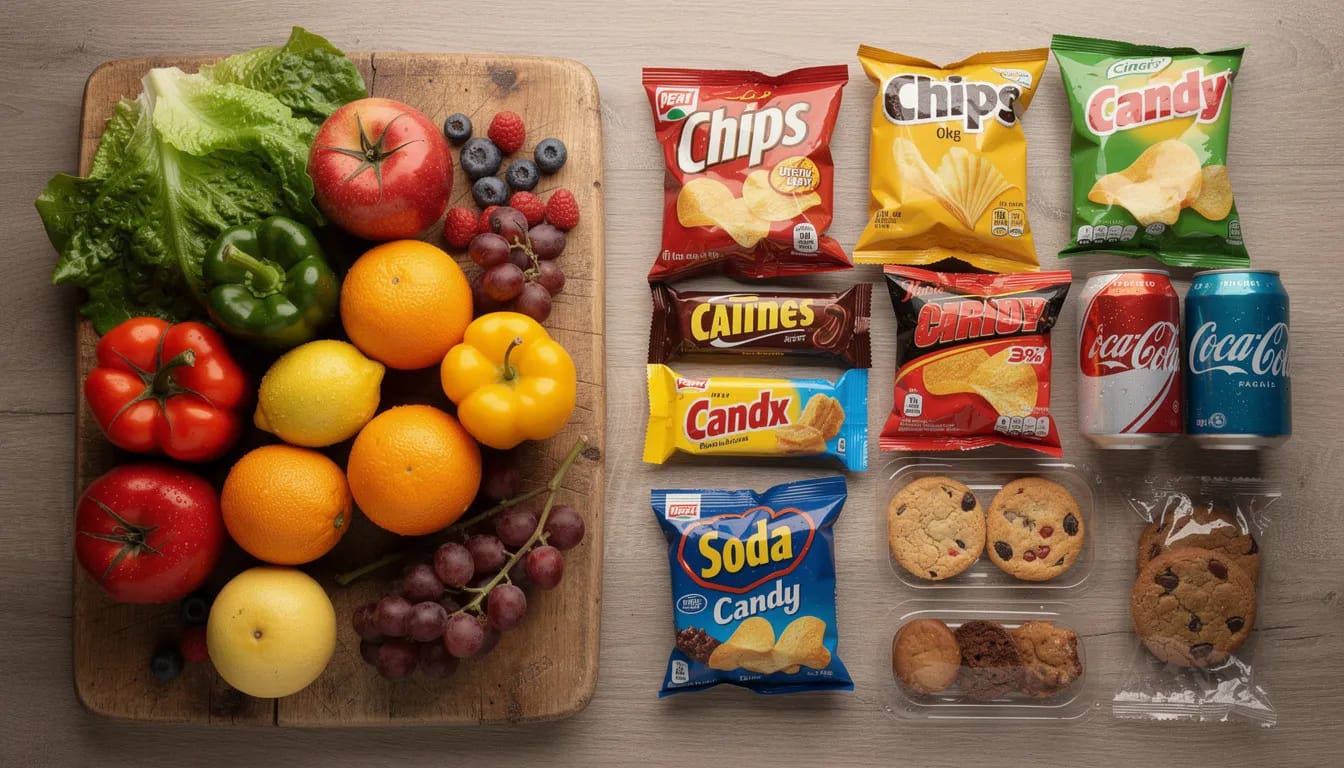
Here’s a number that might surprise you: adults typically need about 25-38 grams of fiber per day (dietary guidelines from the National Institute of Digestive and Kidney Diseases confirm this). But the average American gets roughly 15 grams. That’s less than half of what your gut needs to function properly.
Fiber intake affects your stool in two critical ways:
- It absorbs water, which softens everything up and makes passing stool way less of an ordeal
- It adds bulk, which speeds transit through your colon so there’s less time for water to get sucked out
The foods most likely to make constipation worse are the ones that are low in fiber yet packed with fat, sodium, or sugar. They create dense, dry stools that move through your system like molasses in January.
The rest of this article focuses on specific low fiber foods to avoid when constipated—plus higher-fiber swaps for your daily meals and snack foods that actually support regular bowel movements. Remember, maintaining a healthy balance of soluble and insoluble fiber is essential for optimal digestion and constipation relief.
Soluble Fiber
Soluble fiber is the type that dissolves in water and forms a gel-like substance in your gut. Think of it as nature’s stool softener—it softens everything up and makes bowel movements easier. This is your friend when you’re trying to relieve constipation.
Foods rich in soluble fiber include:
- Oats and oatmeal
- Barley
- Beans and lentils
- Apples and pears
- Prunes (a natural stool softener superstar)
- Citrus fruits
Soluble fiber is often better tolerated by people with irritable bowel syndrome who experience constipation-predominant symptoms. If that’s you, this is your go-to fiber type.
Pro tip: Increase soluble fiber gradually over 1-2 weeks and pair it with extra water. Adding fiber too fast without adequate hydration can cause gas and cramping—and nobody needs that on top of constipation.
Insoluble Fiber
Insoluble fiber is the roughage that doesn’t dissolve in water. It passes through your digestive tract largely unchanged, which sounds useless but is actually incredibly helpful.
Here’s what it does: insoluble fiber adds bulk to your stool and helps food move more quickly through your intestines. This reduces the time your colon has to pull water out of waste, making bowel movements easier and more frequent.
Great sources of insoluble fiber:
- Whole wheat bread
- Bran cereals
- Brown rice
- Quinoa
- Nuts and seeds
- Broccoli and carrots
- Leafy greens
The winning strategy? Balance both soluble and insoluble fiber. Relying on just one type isn’t as effective for managing constipation as combining them in your healthy diet.
Constipating Foods to Avoid or Limit
Now we’re getting to the meat of it (pun intended). This section details everyday foods and drinks that make constipation worse—and explains exactly why they have this effect.
The goal here isn’t necessarily total elimination. It’s about marked reduction during constipation episodes and mindful portion control for the long haul. You don’t have to swear off cheese forever. You just need to know when to back off.
Let’s break down each category.
Dairy Products (Milk, Cheese, Ice Cream)
Dairy is naturally low in fiber—as in zero grams. And when you’re consuming large portions daily, it can significantly slow digestion.
Here’s the science: high calcium and casein protein in foods like cheddar cheese, whole milk, and ice cream can bind with other substances in your intestines. According to gastroenterologist Dr. Chey, this can reduce smooth muscle contractions and contribute to firmer stools.
For people with lactose intolerance, it gets worse. You might experience bloating, gas, and abdominal pain on top of the constipation. Double trouble.
What to do: When you’re constipated, limit cheese, cream-based sauces, and ice cream. Consider lactose-free or plant-based alternatives, and always pair dairy products with fruits, high fiber vegetables, and whole grains to offset the binding effect.
Red Meat and Processed Meats
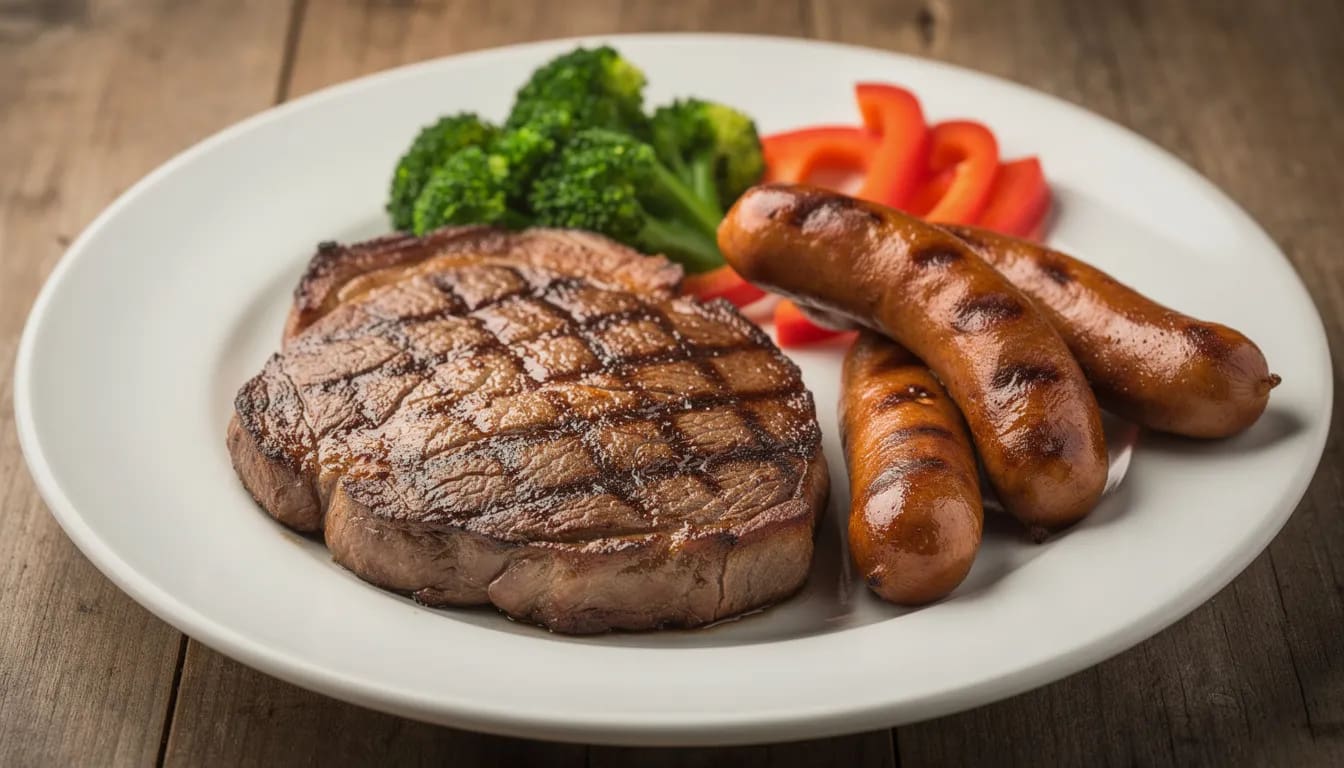
That juicy steak? Those crispy bacon strips? They contain virtually no fiber and are often loaded with saturated fat, which slows stomach emptying.
High-fat, high-protein meals require more digestive effort and extend transit time. This gives your colon more opportunity to pull water out of stool—exactly what you don’t want.
Research from gastroenterologist Dr. Beyder confirms that proteins and fats trigger hormones that delay gastrointestinal movement. Plus, large portions of red meat can displace fiber-rich foods on your plate, further lowering your daily fiber intake.
The fix: Limit red meat and processed meats (hot dogs, bacon, sausages, deli meats) when you’re dealing with constipation symptoms. Replace at least some servings with beans, lentils, kidney beans, tofu, or fish accompanied by vegetables and whole grains.
Eggs and Other Low-Fiber Protein Foods
Eggs are nutritious—packed with protein, vitamins, and essential nutrients. But here’s the catch: they contain zero dietary fiber. When you’re eating several eggs without fruits, vegetables, or whole grains alongside them, you’re contributing to a sluggish bowel pattern.
Large omelets loaded with cheese, breakfast sandwiches on white bread, egg-heavy brunches—these combinations are especially likely to worsen functional constipation.
Better approach: Keep eggs as a side rather than the entire meal. Always pair them with fiber sources like sautéed spinach, tomatoes, or whole grain toast. And if you’re relying on protein shakes or bars, check the label for at least 3-5 grams of fiber per serving.
Refined Grains and Baked Goods
Refined grains are products where the bran and germ have been stripped away, taking most of the fiber and nutrients with them. What’s left is basically digestive empty calories.
Common offenders:
- White sandwich bread
- White rice
- Regular pasta
- Crackers
- Pastries and doughnuts
- Most breakfast muffins
- Processed grains in packaged foods
These often provide under 1 gram of fiber per serving and may include added fats and too much sugar that further slow digestion.
The swap: Choose whole grain alternatives like whole wheat bread, brown rice, oats, quinoa, or whole grain pasta. During periods of constipation, these dietary changes can make a significant difference in bowel movement frequency.
Fried and Greasy Foods
French fries. Fried chicken. Onion rings. Fast-food burgers dripping with grease. These high fat foods are constipation culprits for multiple reasons.
Fried foods are often cooked in oils rich in saturated fat and trans fats. They remain in your stomach longer, delay intestinal movement by 20-30% according to motility studies, and lead to drier, harder stools.
Frequent consumption can irritate the gut and disrupt normal bowel patterns, especially in people with existing digestive health issues.
What helps: Favor baking, grilling, or steaming over deep-frying. Limit fast-food meals when you’re trying to achieve constipation relief. Your digestive motility will thank you.
Processed Snacks and Frozen Dinners
Those chips you’re munching on? The cheese puffs? The granola bars that seem healthy but really aren’t? Typically low in fiber, high in sodium, and loaded with refined carbohydrates.
Many frozen meals and convenience packaged foods combine refined grains, processed meats, and sauces high in salt—often delivering 400-800 mg of sodium per serving.
Here’s why that matters: excess sodium draws water out of your intestinal contents, contributing to drier stool and more difficult bowel movements. It’s the opposite of what you need.
Smarter alternatives:
Instead of… | Try… |
|---|---|
Chips | Air-popped popcorn |
Cheese puffs | Raw vegetables with hummus |
Candy bars | Fresh fruit |
Sugary granola bars | Unsalted nuts |
Frozen dinners <3g fiber | Frozen meals with 4-5g fiber and visible vegetables |
Unripe Bananas and Other Binding Fruits
Here’s a plot twist: not all fruit is created equal when it comes to constipation.
Green or unripe bananas contain resistant starch and tannins that can actually firm up your stool and make things worse. But as bananas ripen and develop those brown spots, their starch converts to softer, more digestible carbohydrates and soluble fiber that’s less binding.
Other “binding” preparations to watch:
- Applesauce without peel
- Large servings of low-fiber fruit or vegetable juices (the fiber gets stripped out)
- Very unripe fruits in general
What to do: Choose fully ripe bananas and whole fruits with skins (pears, apples, kiwis) rather than juices or unripe versions. A cooked cup of prunes or a couple of ripe kiwis daily has been shown in studies to boost bowel movement frequency.
Alcohol and Dehydrating Beverages
Alcoholic drinks—wine, beer, spirits—promote dehydration by increasing urine output and reducing overall body water. When you’re dehydrated, your colon compensates by pulling more water from stool, creating harder, smaller bowel movements.
Caffeine has a mixed effect. Modest amounts may actually stimulate the bowel and trigger muscle contractions that get things moving. But heavy intake without enough water? That’s dehydrating and can make occasional constipation worse.
The rule: Limit alcohol while you’re constipated. Match each caffeinated or alcoholic drink with at least one glass of water. And always drink plenty of water throughout the day—aim for at least 8 cups to support digestive health fiber function.
Better Food Choices to Support Regular Bowel Movements
Relief from constipation isn’t just about restriction—it’s about actively including foods for constipation that hydrate your body and supply more fiber. Avoidance alone won’t cut it.
Three key strategies to ease constipation:
- Increase fiber from whole foods (aim for 25-38 grams of fiber daily)
- Improve hydration with water-rich foods and beverages
- Use gentle cooking methods that support digestion
Here’s an example of what a day might look like:
- Breakfast: Steel-cut oats with berries and ground flaxseed
- Lunch: Large salad with chickpeas, leafy greens, and olive oil dressing
- Dinner: Grilled fish with roasted broccoli and quinoa
- Snacks: Apple slices, raw carrots, or a handful of almonds
High-Fiber Whole Foods to Choose More Often
Grains (aim for 4-8 grams of fiber per serving):
- Steel-cut oats
- Quinoa
- Barley
- Brown rice
- Bran-rich cereals
Fruits that aid constipation relief:
- Prunes (contain both fiber and sorbitol, a natural stool softener)
- Pears
- Apples with skin
- Kiwifruit (studies show 2 per day can boost movements)
- Berries
High fiber vegetables (aim for 2-3 cups daily):
- Broccoli
- Brussels sprouts
- Carrots
- Leafy greens (spinach, kale)
- Sweet potatoes with skin
Legumes (powerful fiber sources):
- Lentils
- Chickpeas
- Black beans
- Kidney beans
Add legumes to soups, salads, or main dishes a few times per week. They’re among the best foods for constipation prevention.
Hydration and Warm Beverages
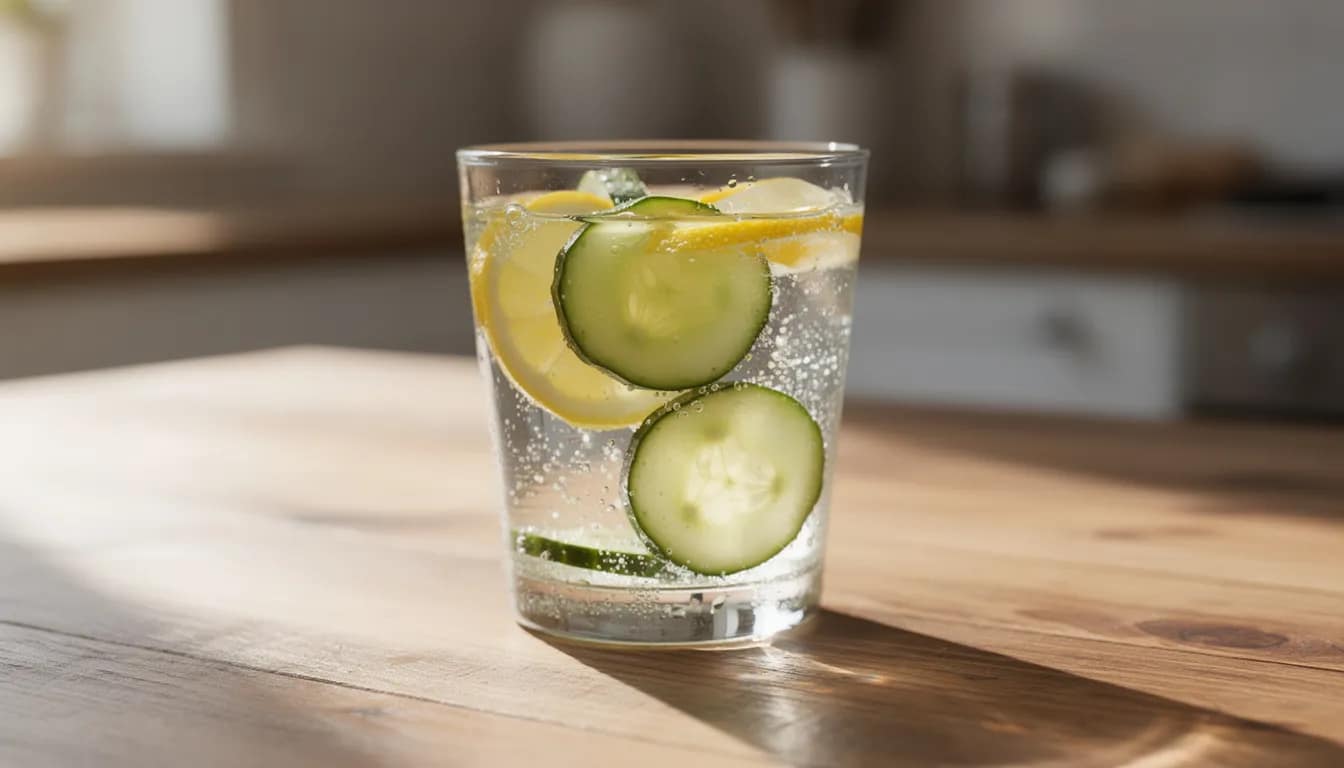
Adults should generally aim for at least 8 cups (about 2 liters) of water daily. Increase this on days when you’re eating enough fiber or when you’re physically active—fiber needs water to work properly.
Water-rich foods that help:
- Cucumbers
- Watermelon
- Oranges
- Broth-based soups
Morning trick: Sipping a warm beverage like herbal tea, warm lemon water, or coffee can stimulate the gastrocolic reflex and encourage healthy bowel movements. That’s why so many people find their morning coffee… productive.
Avoid sugary sodas and energy drinks. They provide little benefit for constipation and may worsen gut discomfort.
Cooking and Eating Habits That Help Digestion
How you eat matters almost as much as what you eat.
Helpful habits:
- Steam or lightly sauté vegetables to preserve fiber while making them easier to chew and digest
- Eat meals at consistent times to help regulate your body’s natural bowel rhythms
- Set aside unhurried morning bathroom time after breakfast to take advantage of natural digestive reflexes
- Chew food thoroughly and avoid very large, heavy meals to reduce bloating
These eating habits support smoother bowel movements and can help prevent constipation from becoming a recurring problem.
Constipation Prevention for Specific Groups
Look, constipation is like that uninvited guest who shows up to everyone’s party—it doesn’t care if you’re young, old, or somewhere in between, but some folks definitely get the VIP treatment when it comes to digestive drama. If you or someone you love happens to be in one of these “lucky” higher-risk groups (spoiler alert: it’s not actually lucky), don’t panic—a few simple game-changing tweaks to your routine can totally flip the script on your gut health and help you dodge the whole constipation circus before it even sets up camp in your intestines.
Practical Tips for Long-Term Constipation Prevention
Getting through one bout of constipation is one thing. Preventing it from coming back? That’s the real goal.
Key strategies for lasting regularity:
- Increase fiber gradually (add 5-10 grams per week rather than making sudden changes that cause gas)
- Move your body daily (20-30 minutes of walking can significantly improve digestive motility)
- Manage stress (it literally freezes your digestive system)
- Maintain consistent mealtimes to keep your gut on schedule
- Get adequate sleep (your gut has rhythms too)
Fiber supplements and bulk forming laxatives can help if you’re struggling to get enough fiber from food alone, but whole foods are generally the better long-term solution for making bowel movements easier.
One important note: a stool softener can provide short-term relief, but it’s not a substitute for dietary changes that address the root cause.
When to Talk to a Healthcare Professional
Most constipation responds to dietary changes within a few weeks. But sometimes you need professional help.
See a doctor if you experience:
- Constipation lasting longer than 3 weeks despite dietary changes
- New constipation after age 50
- Severe abdominal pain
- Blood in your stool
- Unintended weight loss
Some medications—including opioids, certain antidepressants, and iron supplements—can cause constipation and may require adjustment under medical supervision. If you suspect your meds are the problem, talk to your doctor before making changes.
Over-the-counter laxatives can help short term, but use them according to label instructions. The National Institute of Digestive and Kidney Diseases recommends working with a healthcare provider if you’re relying on them regularly.
The bottom line? Combining medical guidance with a long-term, fiber-rich eating pattern—while limiting the foods that make constipation worse—gives you the best chance of lasting relief.
Your gut has a job to do, and the right foods make that job infinitely easier. Start with one or two changes this week: swap white bread for whole grain, add a serving of leafy greens at dinner, drink an extra glass of water.
Small shifts add up. And before you know it, you’ll be the person who doesn’t dread bathroom time—just someone who gets in, gets out, and gets on with their day.
Your digestive system is ready when you are. Now go eat a pear.