
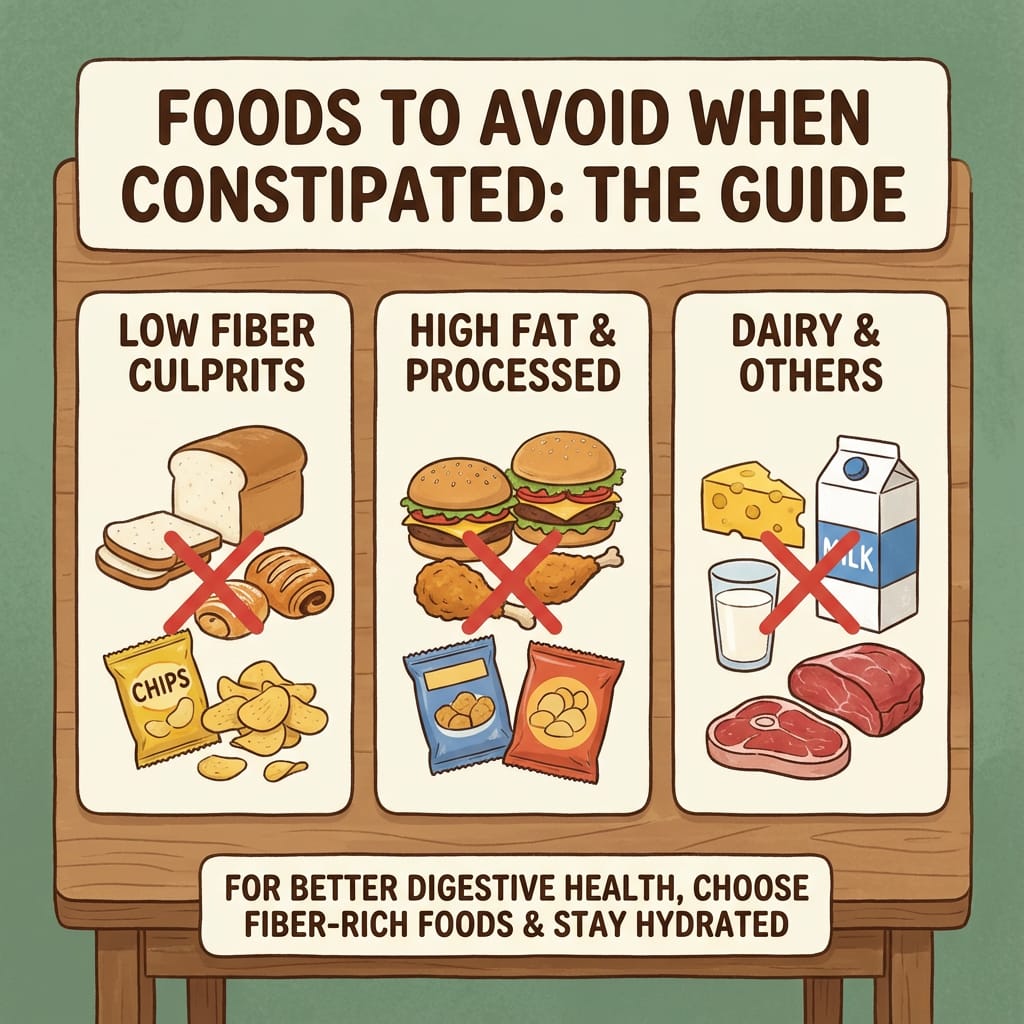
Struggling with constipation? Your diet might be working against you. While many people focus on what to eat for constipation relief, understanding which foods to avoid when constipated is equally crucial for your digestive health. The wrong dietary choices can turn occasional digestive issues into persistent discomfort, making constipation symptoms worse and preventing your body from achieving healthy bowel movements. Incorporating digestive health fiber is essential, as it plays a key role in regulating bowel movements and supporting overall digestive efficiency.
The truth is, certain foods can slow digestion, reduce fiber intake, and create the perfect storm for functional constipation. According to the National Institute of Digestive and Kidney Diseases, dietary fiber plays a major factor in maintaining regular bowel movements, and avoiding foods that counteract this process is essential for effective constipation relief.
In this comprehensive guide, we’ll explore the worst foods for constipation, explain why they disrupt your digestive system, and provide better alternatives to help you prevent constipation and maintain optimal digestive health.
Introduction to Digestive Health
Look, your gut is basically the CEO of your entire body – and when the CEO isn’t happy, nobody’s happy. Your digestive system (yeah, that whole magical tube situation plus all the backup organs) is working around the clock to break down whatever you’ve been throwing at it, grab all the good stuff your body actually needs, and kick out the trash like a very polite bouncer. When this whole operation is humming along smoothly, you’re not dealing with those “why won’t anything move” moments, and instead you’re enjoying bathroom visits that actually feel… normal? Revolutionary concept, right?
Here’s the thing about high fiber foods – we’re talking whole grains, fruits, vegetables, the works – they’re basically the unsung heroes of your digestive tract. These fiber superstars keep everything moving along like a well-oiled conveyor belt, bulk up your business so it’s actually manageable, and make your body’s whole “process and eliminate” routine way less dramatic. The National Institute of Diabetes and Digestive and Kidney Diseases isn’t just making this up for fun – they’re telling you that a high fiber diet is your digestive system’s best friend and the most no-brainer way to avoid those constipation standoffs we all know and dread.
Now here’s what you need to ditch: processed foods and refined grains are basically digestive system kryptonite. These sneaky culprits are missing all the dietary fiber your gut is desperately begging for, leaving your digestive tract confused and sluggish. And water? Yeah, you need to be chugging that liquid gold all day long because it helps fiber do its job properly and keeps everything soft enough to actually, you know, move. Make these stupidly simple food swaps and you’ll be preventing constipation, supporting your digestive health, and dodging digestive and kidney diseases like the bathroom champion you were meant to be!
Understanding Constipation
Constipation is like that uninvited guest who shows up at your digestive party and just won’t leave. This ridiculously common issue crashes into people’s lives at every age, bringing its signature calling cards: infrequent bathroom visits that feel like waiting for a lunar eclipse, rock-hard stools that could double as construction materials, and the kind of straining that makes you question your life choices. The usual suspects behind this digestive drama? Low fiber intake (because apparently we’re all living like medieval peasants), dehydration that would make a cactus weep, and those sneaky medications that turn your digestive tract into a traffic jam during rush hour. Catching these constipation red flags early means you can kick this unwelcome visitor to the curb before it moves in permanently and starts rearranging your entire bathroom routine.
Functional constipation is basically your body’s way of saying “Hey, your lifestyle choices are… interesting.” It’s not some mysterious medical condition lurking in the shadows – it’s your digestive system staging a rebellion against your diet and hydration habits. The good news? You can negotiate with this particular rebellion! Cranking up your fiber intake and making some dietary peace treaties – like actually drinking water instead of treating hydration like an optional side quest, and eating high fiber foods that don’t taste like cardboard – can get your bowel movements back on a regular schedule faster than you can say “daily regularity.” Your digestive system will go from passive-aggressive to genuinely grateful.
But here’s where things get real for a hot minute: sometimes constipation isn’t just being dramatic about your breakfast choices. It can be your body’s way of waving red flags about more serious digestive and kidney diseases hiding behind the scenes. If your constipation decides to become that friend who overstays their welcome for weeks, or if it brings along party crashers like severe pain or blood in your stool, it’s time to call in the professionals. Don’t mess around – get a healthcare expert to play detective and rule out the scary stuff. By understanding what makes your digestive system tick (and occasionally throw tantrums), you can take charge like the bathroom boss you were meant to be and keep your overall digestive health running smoother than a luxury car commercial.
Foods That Worsen Constipation
When you’re dealing with constipation, many foods can make the situation significantly worse. These problematic foods share common characteristics: they’re typically low fiber, high in saturated fat, or contain compounds that slow digestion and make stools harder to pass.
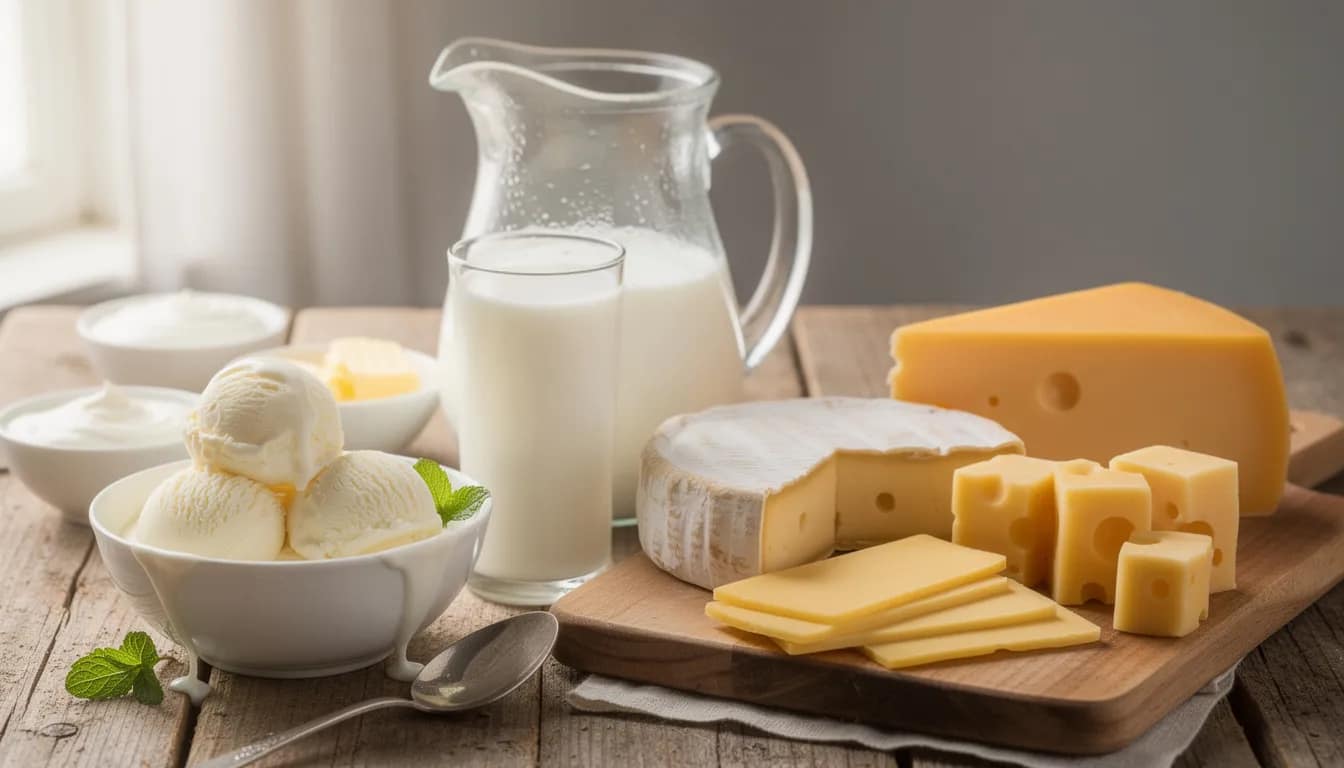
Dairy products like cheese, milk, and ice cream slow digestion due to their low fiber content and high fat composition. The calcium in dairy can bind substances in the digestive tract, while the lack of dietary fiber means these foods don’t add bulk to stool or stimulate the natural movements needed for healthy bowel movements.
Processed foods including white bread, crackers, and packaged foods represent another category of foods to avoid. These processed grains have been stripped of their natural fiber content during manufacturing, leaving behind refined grains that provide little nutritional benefit and can make constipation worse.
Red meat such as beef, pork, and lamb contains no fiber whatsoever and requires significant digestive energy to break down. The high fat content in red meat slows gastric emptying, while the complete absence of fiber means these foods contribute nothing to the bulk needed for regular bowel movements.
Fried foods like french fries, fried chicken, and donuts combine the worst elements for digestive health. These fast food staples are high in trans fats that slow intestinal transit while providing zero fiber to support healthy digestion.
Unripe bananas present a unique case – while ripe bananas can help ease constipation, unripe bananas contain resistant starch and tannins that can bind stool and worsen constipation symptoms. This shows how even seemingly healthy foods can be problematic depending on their preparation or ripeness.
High-sodium foods including frozen meals, canned soups, and hot dogs cause dehydration by drawing water from the colon, making stools harder and more difficult to pass. These snack foods and frozen dinners often combine high sodium with low fiber, creating a double threat to digestive health.
Why These Foods Cause Constipation
Understanding the mechanisms behind how certain foods worsen constipation helps explain why dietary changes are so effective for constipation relief. The digestive system relies on specific conditions to maintain healthy bowel movements, and problematic foods disrupt these natural processes in several ways.
Low fiber content represents the primary issue with most constipating foods. Foods with less than 2 grams of fiber per serving fail to add the necessary bulk to stool that stimulates bowel movements. Dietary fiber, particularly insoluble fiber, adds bulk and helps waste move through the digestive tract more efficiently.
High saturated fat content slows gastric emptying and reduces digestive system motility. When you eat foods high in fat, your body releases hormones that signal the digestive tract to slow down, giving more time for fat absorption but unfortunately also slowing the entire process of waste elimination.
Excessive sodium draws water from the colon through osmosis, concentrating waste and making stools harder and more difficult to pass. This dehydration effect compounds when you don’t drink plenty of water to compensate for the sodium intake.
Binding proteins like casein found in dairy products can slow intestinal transit time. These proteins can form gel-like substances in the digestive tract that slow the movement of waste through the intestines. Soluble fiber dissolves in water to form a gel like substance, which slows digestion and softens stool to promote regularity and prevent constipation.
The lack of water content in many processed foods contributes to overall dehydration and constipation. Fresh fruits and vegetables naturally contain significant water that helps keep the digestive system hydrated, while processed alternatives often lack this crucial component.
Specific Foods to Eliminate During Constipation
Dairy Products
Dairy represents one of the most problematic food categories for people experiencing constipation. The combination of high calcium content, saturated fat, and complete absence of fiber creates multiple obstacles to healthy digestion.
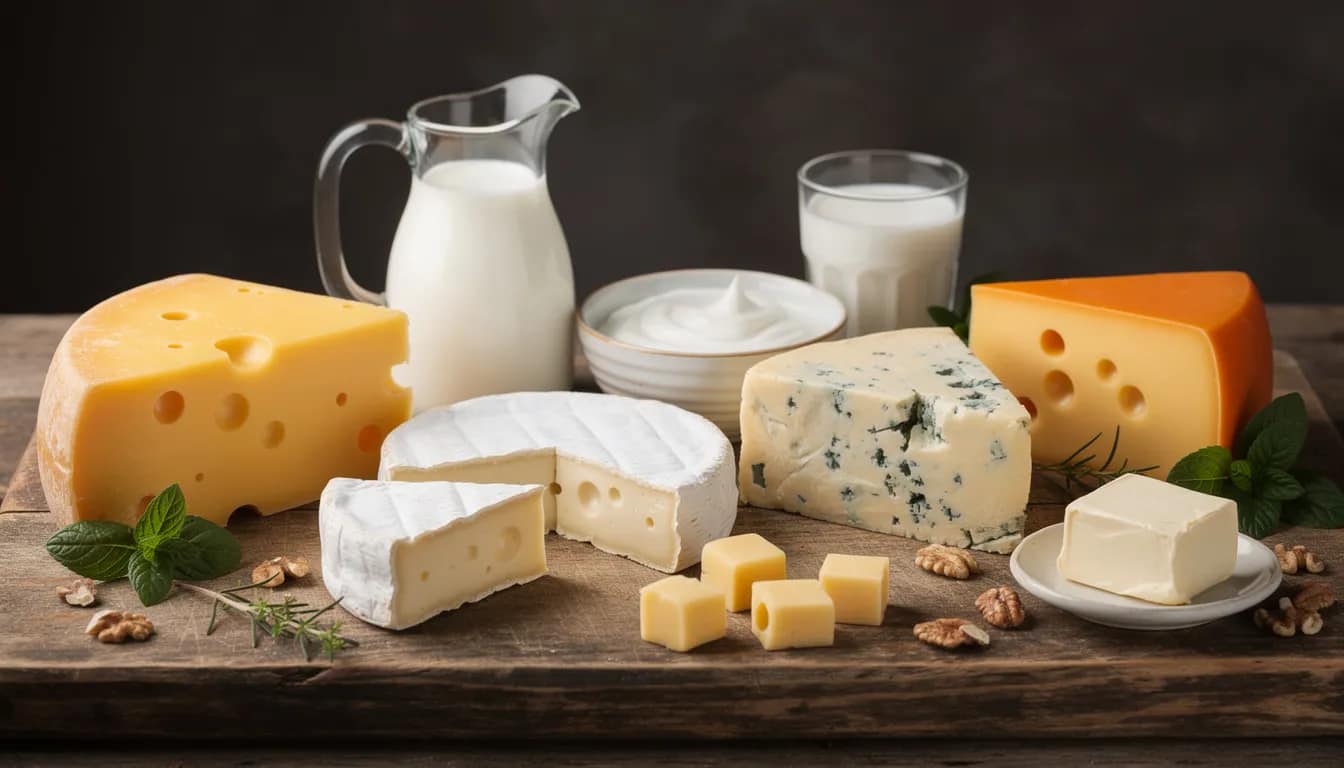
Whole milk, cheese, and butter contain high amounts of calcium that can bind substances in the intestines, slowing transit time and making constipation worse. Hard cheeses like cheddar and parmesan are particularly problematic due to their concentrated nature and high fat content.
Ice cream combines dairy with sugar and fat, creating a triple threat for digestive slowdown. The cold temperature can also slow digestive processes, while the high sugar content can disrupt the natural balance of gut bacteria needed for healthy digestion.
Yogurt without live cultures lacks the probiotics that support healthy digestion. While some fermented dairy products with active cultures may actually help digestive health, conventional yogurt often lacks these beneficial bacteria and retains the constipating properties of other dairy products.
Full-fat dairy products are particularly problematic due to their high saturated fat content, which significantly slows gastric emptying and reduces the natural motility of the digestive tract.
Processed and Refined Grains
Processed grains represent a major factor in modern constipation problems. The refining process removes the bran and germ – the parts of grains that contain most of the fiber necessary for healthy digestion.
White bread has had its bran and germ removed during processing, eliminating the insoluble fiber and leaving only starch. This refined product provides minimal nutritional benefit while taking up space in your diet that could be filled with high fiber foods.
Pastries, cookies, and cakes combine refined flour with sugar and fat, creating foods that are not only low fiber but also high in ingredients that can slow digestion. These packaged foods often contain preservatives and additives that may further disrupt digestive health.
Instant rice and regular pasta provide minimal fiber compared to whole grain alternatives like brown rice or whole wheat pasta. A cooked cup of white rice contains less than 1 gram of fiber, while brown rice provides over 3 grams – a significant difference for digestive health.
Crackers and pretzels are often high in sodium and low in fiber, combining two factors that can worsen constipation. Many snack foods in this category also contain trans fats that further slow digestive processes.
High-Fat and Fried Foods
Fried foods represent some of the worst foods for anyone dealing with constipation. The combination of high fat content, low fiber, and often high sodium creates a perfect storm for digestive problems.
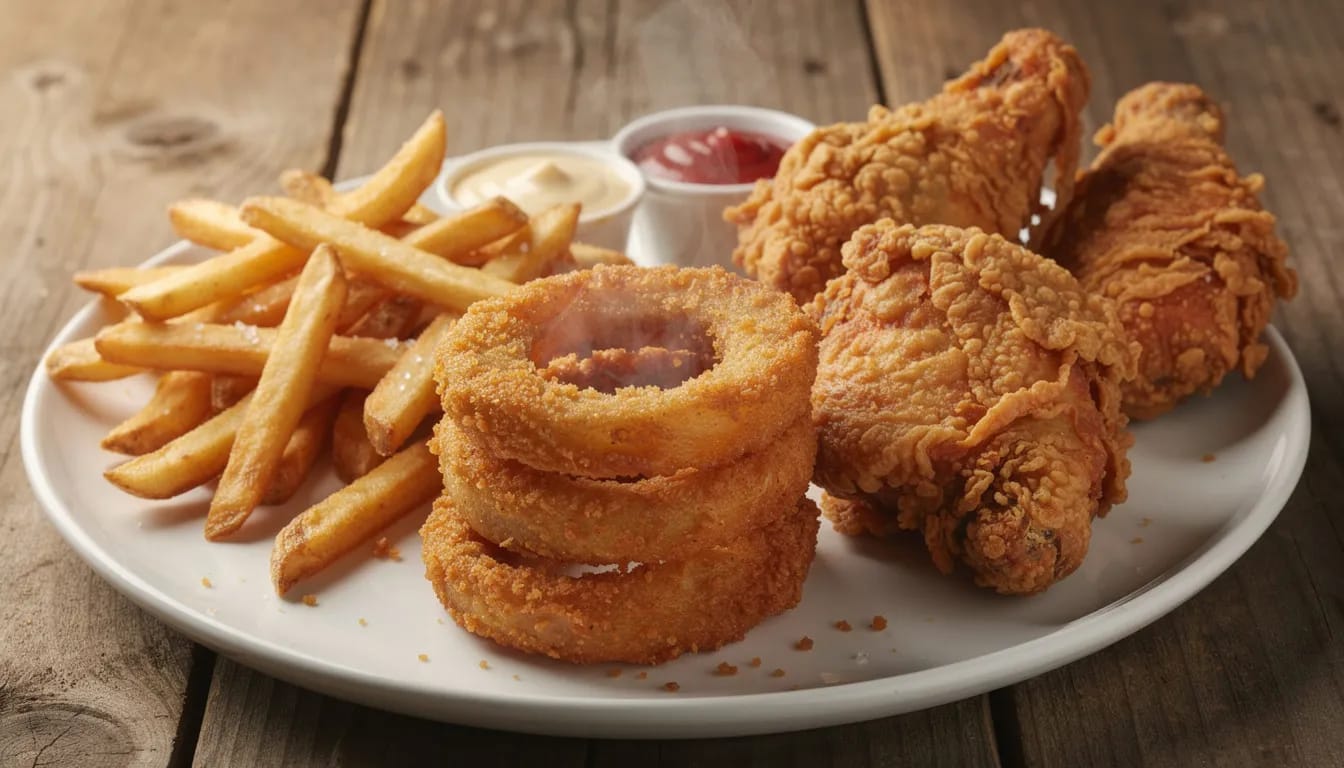
French fries and onion rings are deep-fried in oils that can contain trans fats, which slow digestion significantly. These fast food staples also typically lack any meaningful fiber content while providing excessive fat that delays gastric emptying.
Fried chicken and fish lose any potential fiber content from breading while gaining problematic fats that slow the entire digestive process. The high-temperature cooking also destroys many nutrients that might support digestive health.
Potato chips and corn chips combine high fat with high sodium, creating double constipation risk. These snack foods are designed to be consumed quickly and in large quantities, often displacing more nutritious, high fiber foods from the diet.
Fast food burgers often contain processed meat, refined buns, and minimal vegetables, creating a meal that’s entirely lacking in the fiber needed for healthy bowel movements while providing excessive fat and sodium.
Red Meat and Processed Meats
Red meat presents unique challenges for digestive health due to its complete lack of fiber and high fat content. While protein is essential for overall health, excessive consumption of red meat without adequate fiber can significantly worsen constipation.
Beef steaks and pork chops contain zero fiber and require significant digestive energy to break down. The high protein content, while nutritious, can slow digestion when not balanced with adequate fiber from other sources.
Bacon, sausage, and deli meats are particularly problematic because they combine the issues of red meat with additional processing, sodium, and preservatives. These processed meats often contain nitrates and excess sodium that can disrupt normal gut function and worsen constipation symptoms.
Ground beef in typical preparations often lacks the fiber-rich vegetables needed to balance its constipating effects. Dishes like plain hamburgers or meatballs without significant vegetable content can be particularly problematic.
Processed lunch meats often contain nitrates and excess sodium that worsen constipation while providing no fiber to support healthy digestion. The high sodium content can also contribute to dehydration, making constipation symptoms worse.
Certain Fruits and Vegetables
While most fruits and vegetables are excellent for digestive health, certain preparations or varieties can actually worsen constipation, particularly when consumed instead of more fiber-rich alternatives.
Unripe bananas with green skin contain high levels of resistant starch and tannins that can bind stool and slow transit through the digestive tract. The resistant starch in unripe bananas acts similarly to soluble fiber but can be constipating rather than helpful.
Applesauce without skin lacks the insoluble fiber found in whole apples with their skin intact. The processing removes the beneficial fiber while concentrating the sugars, making it less effective for constipation relief than whole fruits.
Canned fruits in heavy syrup provide sugar without the beneficial fiber found in fresh alternatives. The high sugar content can also disrupt the balance of gut bacteria needed for optimal digestive health.
White potatoes without skin offer starch but minimal fiber content. The skin of potatoes contains most of their fiber, so peeled potatoes provide little benefit for digestive health while taking up space that could be filled with high fiber vegetables.
Beverages That Contribute to Constipation
What you drink can be just as important as what you eat when it comes to maintaining healthy bowel movements. Several common beverages can actually worsen constipation by contributing to dehydration or disrupting normal digestive processes.
Alcoholic beverages like wine, beer, and spirits cause dehydration and slow intestinal motility. Alcohol acts as a diuretic, causing the body to lose more water than it takes in, which can make stools harder and more difficult to pass.
Caffeinated drinks including coffee, black tea, and energy drinks can have a diuretic effect, particularly when consumed in large quantities. While moderate caffeine intake may actually stimulate bowel movements in some people, excessive consumption can contribute to dehydration.
Sugary sodas and fruit juice provide empty calories without fiber or beneficial nutrients. These beverages can also disrupt the balance of gut bacteria and contribute to inflammation that may worsen digestive health.
Sports drinks high in sodium can contribute to dehydration when consumed in excess, particularly if you’re not engaging in intense physical activity that would require electrolyte replacement.

The key to healthy fluid intake is focusing on water and other hydrating beverages that support rather than hinder digestive function. Adequate fluid intake is essential for fiber to work effectively in adding bulk to stool and supporting healthy bowel movements.
Additional Dietary Factors to Consider
Beyond specific foods to avoid, several eating patterns and habits can worsen constipation even when you’re making good food choices. Understanding these factors can help you optimize your entire approach to digestive health.
Eating large portions of low fiber foods can overwhelm the digestive system and slow transit time. Even when individual foods aren’t particularly problematic, consuming large quantities can create issues, especially when fiber intake is already inadequate.
Combining multiple constipating foods in one meal compounds the problem significantly. A meal of white bread, cheese, and processed meat provides virtually no fiber while maximizing fat and sodium content, creating ideal conditions for constipation.
Inadequate water intake alongside any food can worsen constipation symptoms. Dietary guidelines recommend drinking plenty of water throughout the day, not just with meals, to support the digestive process and help fiber work effectively.
Eating too quickly without proper chewing makes digestion more difficult and can slow the entire process. Proper chewing breaks down food mechanically and starts the digestive process, supporting better overall digestive health.
Artificial sweeteners like sorbitol found in sugar-free products can cause digestive issues in some people. While these sweeteners don’t directly cause constipation, they can cause bloating and digestive discomfort that compounds existing issues.
Better Food Choices for Constipation Relief
Making positive dietary changes is just as important as avoiding problematic foods. The best foods for constipation relief provide high amounts of both soluble fiber and insoluble fiber while supporting overall digestive health.
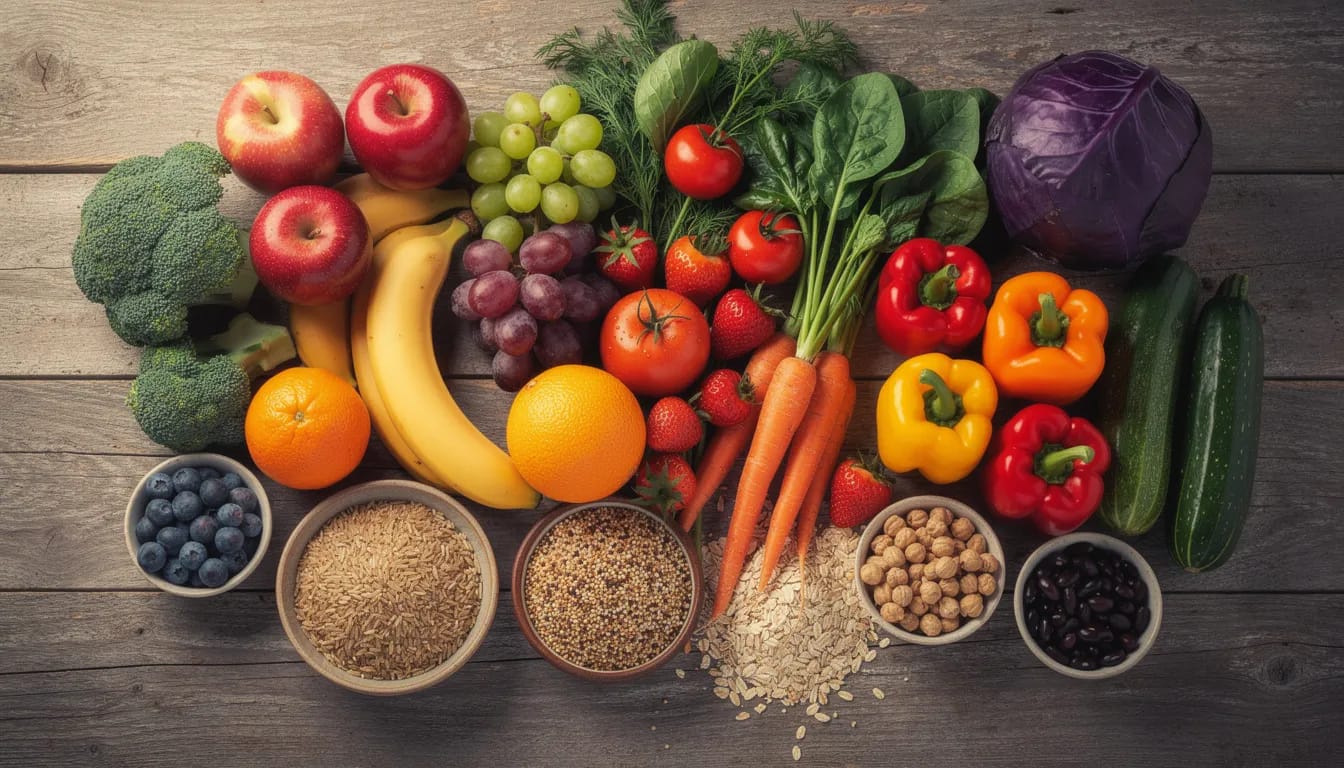
Whole grains like oatmeal, quinoa, and brown rice provide both soluble and insoluble fiber that adds bulk to stool and supports healthy bowel movements. These fiber foods contain significantly more fiber per serving than their refined counterparts and support long-term digestive health.
Fresh fruits such as prunes, pears, and ripe bananas offer natural stool softener properties along with beneficial fiber. Prunes are particularly effective, containing both fiber and sorbitol, which acts as a natural stool softener.
High fiber vegetables including broccoli, Brussels sprouts, and leafy greens add bulk to stool while providing essential nutrients. These vegetables contain insoluble fiber that adds bulk and helps waste move more efficiently through the digestive tract.
Legumes like black beans, kidney beans, lentils, and chickpeas are excellent sources of dietary fiber, providing both soluble and insoluble types. These foods can provide 6-8 grams of fiber per half-cup serving, making them highly effective for constipation relief.
Adding fiber to your diet should be done gradually to avoid digestive discomfort. Start with small increases and ensure adequate fluid intake to help the fiber work effectively. Vegetable juices can also contribute to both fiber and fluid intake when they contain pulp and aren’t overly processed.
A healthy diet for preventing constipation focuses on getting enough fiber from a variety of sources while maintaining adequate hydration. The goal is typically 25-35 grams of fiber per day for most adults, though individual needs may vary.
For some people, fiber supplements may be helpful, but whole food sources are generally preferable as they provide additional nutrients and support overall health. When considering supplements, look for products that provide both types of fiber and always increase intake gradually.
Common Mistakes to Avoid
Listen, when you’re trying to get things moving down there, it’s ridiculously easy to mess things up and make your digestive system even more stubborn than before. One of the biggest blunders? Going from zero to fiber hero overnight. You dump a mountain of fiber into your system thinking you’re doing yourself a favor, but instead you end up looking like you swallowed a balloon. Your gut basically goes “WHAT IS THIS MADNESS?” and responds with enough gas to power a small vehicle. The secret? Add fiber like you’re tiptoeing around a sleeping bear – slowly and carefully, giving your digestive system time to figure out what the heck is happening.
Here’s another face-palm moment that happens way too often: thinking those fancy fiber supplements are some kind of magic bullet while completely ignoring actual food. Sure, those powders and pills can help sometimes, but they’re basically the digestive equivalent of eating cardboard compared to getting your fiber from real, honest-to-goodness fruits, vegetables, and whole grains. Plus, going overboard with supplements can turn your stomach into a bubbling science experiment that nobody asked for.
Now let’s talk about the foods that are basically kryptonite for your colon. Red meat, those sad frozen dinners, fast food, and unripe bananas are like sending your digestive system a memo that says “Please slow down to a crawl, thanks.” These troublemakers are usually loaded with fat and sodium while being about as fiber-rich as a parking lot. Processed foods are the worst offenders – they’re basically designed to make your intestines go on strike.
And here’s the plot twist that gets everyone: you can eat all the fiber in the world, but if you’re not drinking enough water, you’re basically trying to push sand through a straw. Your body needs water to make the magic happen – to keep everything soft and moving like it should. Don’t forget that your entire body is in on this digestive game too. Regular exercise, not letting stress turn you into a pretzel, and eating like you actually care about yourself all work together to keep your system humming along. Once you stop stepping on these hidden landmines, you’ll actually start making progress instead of wondering why nothing’s working.
When to Consult a Healthcare Provider
While dietary changes can be highly effective for constipation relief, certain situations require professional medical attention. Recognizing when to seek help ensures that more serious underlying conditions aren’t overlooked.
Constipation that persists for more than three weeks despite dietary changes warrants evaluation by a healthcare professional. Chronic constipation may indicate underlying digestive conditions that require specific treatment beyond dietary modifications.
Severe abdominal pain that accompanies constipation symptoms can indicate complications or other medical issues that need immediate attention. Pain that’s severe or different from typical constipation discomfort should prompt medical evaluation.
Blood in stool or significant changes in bowel movement patterns should always be evaluated promptly. These symptoms can indicate more serious digestive conditions that require professional diagnosis and treatment.
Constipation that develops suddenly in adults over 50 or children under 2 may indicate underlying medical issues. Age-related changes in digestion or developmental issues in young children may require specialized medical attention.
Medications can sometimes cause constipation as a side effect, and alternatives should be discussed with healthcare providers. Many common medications, including some pain relievers, antidepressants, and blood pressure medications, can affect digestive function.
A healthcare professional can provide personalized guidance based on your specific situation, medical history, and symptoms. They can also rule out underlying conditions and provide additional treatment options if dietary changes alone aren’t sufficient for effective constipation relief.
Remember that maintaining digestive health involves more than just avoiding certain foods – it’s about creating a comprehensive approach that includes proper nutrition, adequate hydration, regular physical activity, and appropriate medical care when needed. By avoiding the foods that worsen constipation and focusing on those that support digestive health, you can take significant steps toward achieving regular, comfortable bowel movements and better overall health.