
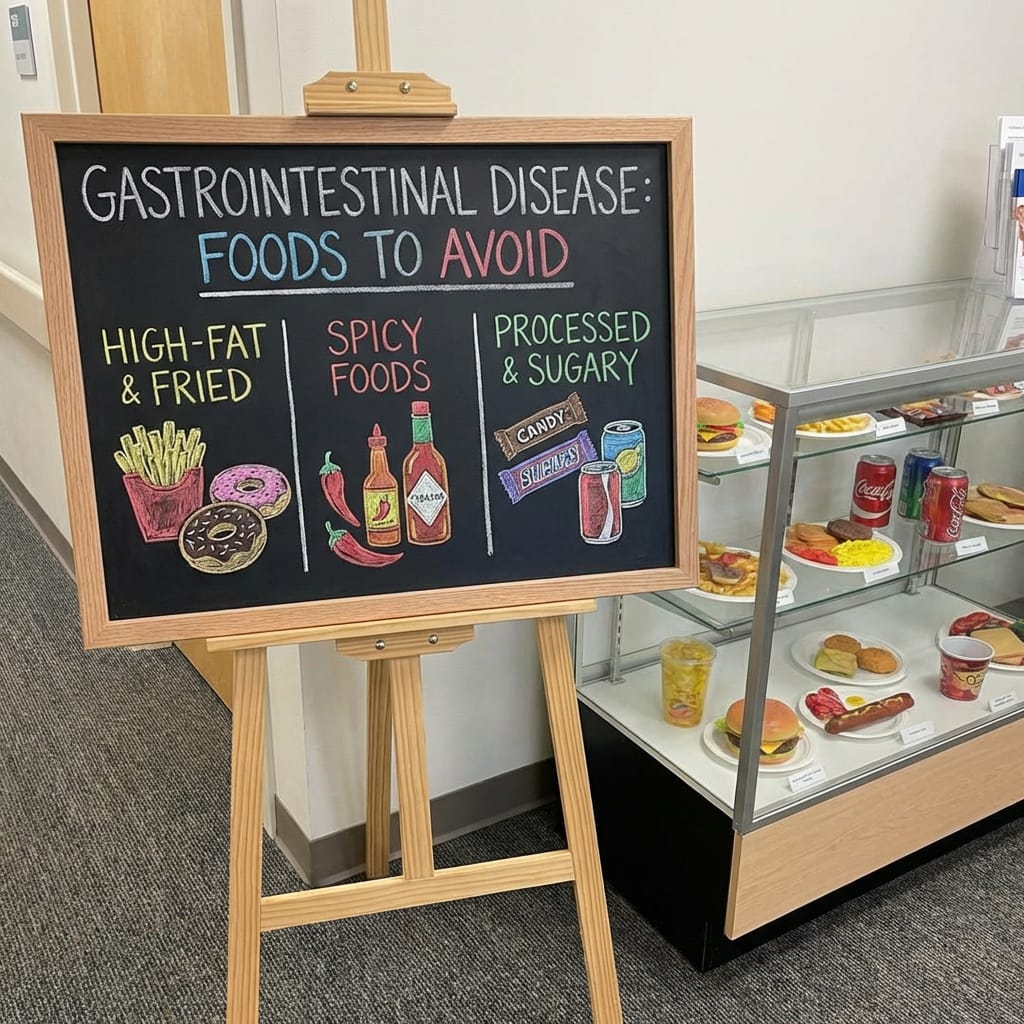
If your digestive system has ever staged a full rebellion after a meal—complete with bloating, cramping, heartburn, or urgent bathroom trips—you’re definitely not alone. Conditions like gastroesophageal reflux disease, irritable bowel syndrome ibs, inflammatory bowel disease, crohn’s disease, celiac disease, and general digestive sensitivity affect millions of people. And here’s the thing: what you eat directly determines whether you’re having a good gut day or hiding in the bathroom questioning your life choices.
The good news? Avoiding key trigger foods—we’re talking fried foods, ultra processed foods, alcohol, caffeine, certain fruits, dairy products, gluten, and more—can quickly reduce heartburn, gas, bloating, diarrhea, and constipation. While food triggers differ between people (because bodies are wonderfully annoying that way), research and clinical experience point to recurring “worst offenders” that anyone with gastrointestinal disorders should review and often limit.
This article will give you a practical, condition-agnostic list of foods to avoid or cut back on, with brief notes about why they cause trouble and what to choose instead. No complicated medical jargon, no impossible diet plans—just clear information to help you support gut health and finally get some relief. Probiotics can help maintain a healthy gut microbiome, and choosing lean proteins over high-fat meats can benefit gut health.

Consulting with a registered dietitian can help you identify food triggers specific to your digestive issues, and personalized care plans for digestive health often include dietary modifications tailored to your individual needs.
Introduction to Gastrointestinal Diseases
Gastrointestinal diseases are among the most common health issues worldwide, affecting millions of people and often disrupting daily life. Conditions like irritable bowel syndrome (IBS), gastroesophageal reflux disease (GERD), and inflammatory bowel disease (IBD) can cause a wide range of digestive symptoms, from abdominal pain and bloating to unpredictable changes in bowel habits. While the causes of these disorders are complex, one thing is clear: what you eat plays a major role in how you feel.
Certain foods—especially processed foods, spicy foods, and fried foods—are known to be some of the worst offenders for gut health. These foods can trigger or worsen symptoms, making it harder to maintain a healthy digestive system. On the other hand, a balanced diet that supports digestive health can help manage symptoms and improve overall well-being. In this article, we’ll break down which foods to avoid if you want to keep your gut happy, and why making smart food choices is essential for anyone dealing with gastrointestinal diseases like irritable bowel syndrome, inflammatory bowel disease, or gastroesophageal reflux disease.
Understanding IBS Symptoms
Irritable bowel syndrome (IBS) is a common digestive disorder that can make everyday life unpredictable. People with IBS often experience a mix of abdominal pain, bloating, and changes in bowel habits—sometimes swinging between constipation and diarrhea. These IBS symptoms can be triggered by a variety of factors, but certain foods are especially likely to cause trouble.
High fat foods, carbonated beverages, and artificial sweeteners are among the most common dietary triggers for people with irritable bowel syndrome. These foods can disrupt gut health, leading to increased discomfort and changes in bowel habits. For many, following a low FODMAP diet—which limits foods high in certain fermentable carbohydrates—can help reduce symptoms and support gut health. Increasing fiber intake, especially from whole grains, fruits, and vegetables, can also help regulate bowel habits and improve overall digestive function. However, it’s important to find the right balance, as too much fiber or the wrong types of fiber can sometimes worsen symptoms.
By paying attention to how your body responds to certain foods and making gradual changes, you can better manage IBS symptoms and support a healthier gut.
1. Deep-Fried and Other High-Fat Foods
Deep-fried and very fatty foods are essentially a slow-motion disaster for your digestive tract. They slow stomach emptying, relax the lower esophageal sphincter (that little valve keeping stomach acid where it belongs), and can trigger heartburn, nausea, and loose stools. Your gut basically has to work overtime to break down all that grease.
Here are the concrete offenders to watch out for:
- French fries and onion rings
- Fried chicken, tempura, and breaded fish
- Doughnuts, samosas, and spring rolls
- Fast food burgers with their high fat content
- Creamy sauces, gravies, and alfredo-style dishes
- Bacon, sausage, and fatty cuts of beef and pork
- Processed meats such as packaged lunch meats and sausages
- Red meat
People with gastroesophageal reflux disease often notice worse acid reflux within 1-2 hours after a high-fat meal. Those with irritable bowel syndrome or inflammatory bowel disease may experience cramping and urgency. It’s like your body is saying “absolutely not” in the most uncomfortable way possible.
Many healthcare professionals recommend avoiding high-fat and processed foods, including processed meats and red meat, to alleviate digestive symptoms and reduce the risk of gastrointestinal cancers.
Better alternatives include:
- Grilling, baking, or steaming your proteins
- Air-frying with minimal oil
- Trimming visible fat from meats before cooking
- Choosing lean cuts over marbled ones
2. Ultra-Processed and Packaged Foods
Ultra processed foods (UPFs) are those products with ingredient lists longer than a CVS receipt—packed with added sugars, preservatives, colorings, and emulsifiers that can disturb gut bacteria and promote inflammation. Food manufacturers design these for shelf life and taste buds, not digestive health.
Concrete examples to limit or avoid:
- Packaged cookies, cakes, and snack cakes
- Flavored chips and cheese puffs
- Instant noodles and ramen packets
- Frozen breaded meals and TV dinners
- Sugary breakfast cereals
- Processed snack bars with long ingredient lists
- Flavored instant soups
- Most fast food items
Studies link UPFs to higher risks of IBS symptoms, inflammatory bowel disease flares, constipation, and even colorectal cancer due to their low fiber intake and numerous additives. These processed foods essentially starve your healthy gut bacteria while feeding the troublemakers.
Focus instead on minimally processed foods:
- Plain oats and brown rice
- Unseasoned frozen vegetables
- Fresh meat and fish
- Whole fruit
- Single-ingredient items you can actually pronounce
3. Sugary Foods, Sodas, and High-Fructose Drinks
Excess simple sugars—especially fructose and high-fructose corn syrup—can pull water into the gut, feed gas-producing bacteria, and worsen bloating and diarrhea. Your digestive system wasn’t designed to handle the sugar tsunami that modern beverages deliver.
Items to avoid or seriously limit:
- Regular sodas and soft drinks
- Energy drinks with added sugar
- Sports drinks (yes, even the “healthy” ones)
- Sweetened iced tea
- Bottled fruit cocktails and juice drinks
- Candy and pastries
- Large servings of fruit juice
- Heavily sweetened coffee drinks (looking at you, frappuccinos)
High-fructose corn syrup, found in most sodas and commercial baked goods, is a major trigger for many people with irritable bowel syndrome or functional gastrointestinal disorders. It can cause intestinal malabsorption issues and gut dysbiosis.
Better alternatives:
- Plain water (revolutionary, I know)
- Herbal teas
- Diluted 100% fruit juice in small amounts
- Unsweetened sparkling water flavored with lemon, mint, or berries

4. Caffeine and Coffee-Based Drinks
Caffeine stimulates the gut, speeds transit, and can irritate the stomach lining and lower esophageal sphincter. That morning coffee that “gets things moving”? It’s doing exactly that—sometimes too aggressively for people with digestive conditions.
Sources of caffeine to watch:
- Brewed coffee and espresso drinks
- Strong black tea
- Many energy drinks
- Large amounts of dark chocolate products
- Pre-workout supplements
People with gastroesophageal reflux disease may notice more heartburn from both the acidity and the relaxation of the esophageal sphincter. Those with irritable bowel syndrome ibs may see more cramping, diarrhea, and unpredictable bowel movements.
Strategies to consider:
- Limit intake to one small cup per day
- Try low-acid coffee varieties
- Switch to decaffeinated options
- Explore herbal teas like chamomile or peppermint (though note that peppermint may worsen symptoms in some reflux patients)
5. Spicy Foods and Hot Peppers
Capsaicin—the compound that makes chili peppers hot—can irritate the esophagus, stomach, and colon, leading to burning, cramps, and diarrhea in sensitive people. What seems like flavorful fun at dinner can become digestive problems by morning.
Specific sources to be cautious with:
- Dishes heavy in chili (curries, hot wings, Sichuan-style stir-fries)
- Salsa with extra jalapeños
- Kimchi and other fermented spicy foods
- Hot sauces of all varieties
- Chili-based seasonings and rubs
Those with gastroesophageal reflux disease often experience nighttime reflux after spicy dinners. People with irritable bowel syndrome or inflammatory bowel disease may have painful, urgent bowel movements the next morning. Eating spicy foods close to bedtime especially tends to worsen symptoms.
Milder flavoring options that typically work better:
- Ginger and turmeric
- Basil, oregano, thyme, and rosemary
- Small amounts of black pepper
- Garlic-infused olive oil (for FODMAP-sensitive folks, the oil without the garlic pieces)
6. Problem Carbohydrates: Gas-Producing Vegetables, Legumes, and Certain Fruits
IBS sufferers often find relief by avoiding high FODMAP foods, which include various vegetables, fruits, and legumes.
Some carbohydrates are poorly absorbed and ferment in the colon (these are called FODMAPs), causing gas, bloating, and abdominal pain—especially in people with irritable bowel syndrome. Even fiber rich foods that are supposedly “healthy” can cause trouble when your digestive tract can’t handle them.
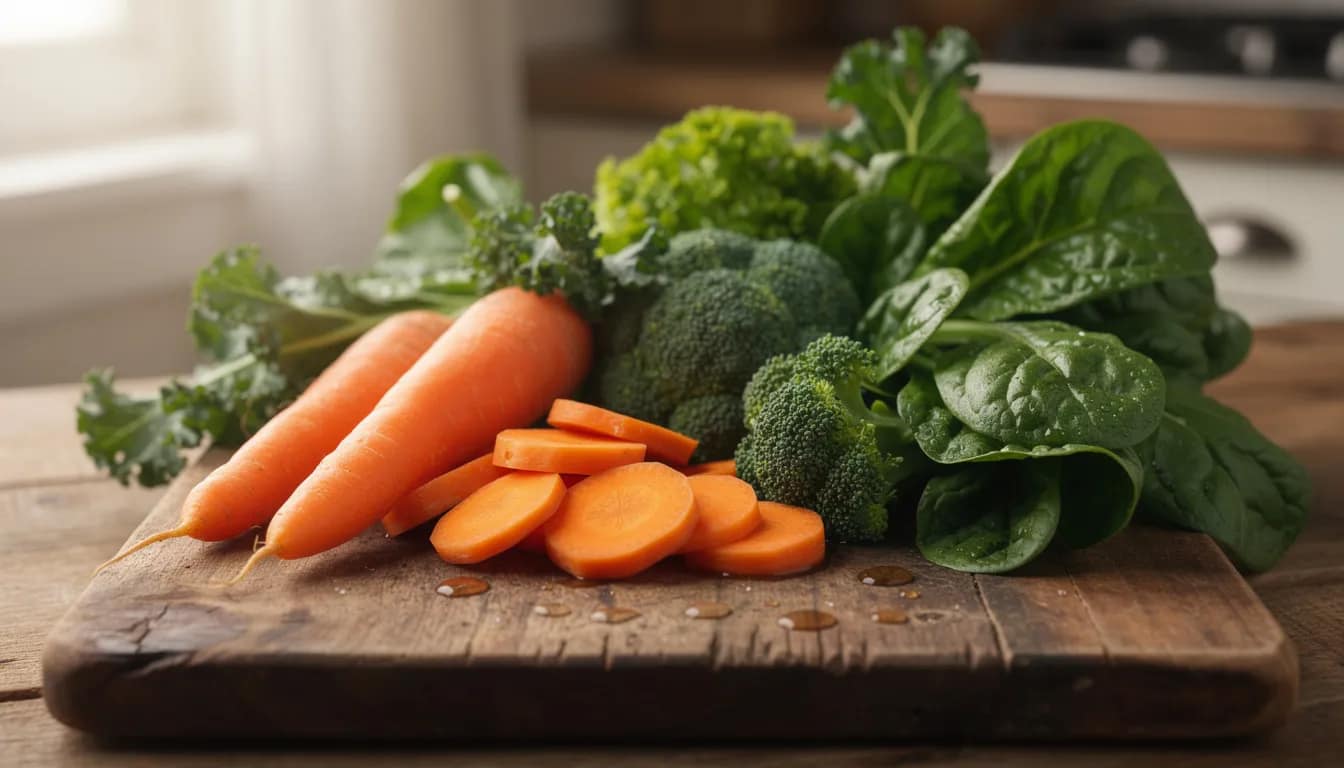
Cruciferous vegetables: Broccoli, cabbage, Brussels sprouts, cauliflower, and kale can trigger significant gas. Cooking them thoroughly often helps, but many patients still need to limit portions or avoid them during flares.
Legumes: Beans (kidney, black, pinto), lentils, chickpeas, and soybeans are common culprits due to raffinose and other fermentable fibers. Soaking and rinsing before cooking may reduce digestive symptoms but won’t eliminate them entirely.
High-fructose fruits: Apples, pears, mangoes, watermelon, cherries, dried fruits (raisins, dates, apricots), and fruit bars frequently trigger gastrointestinal symptoms in people with IBS.
Better-tolerated options to try:
- Cooked carrots, zucchini, and peeled potatoes
- Bananas, blueberries, grapes, oranges, and strawberries (Oranges and other citrus fruits are high in vitamin C, which is important for good health, but excessive consumption can cause digestive issues for some people.)
- Canned fruits in juice (not syrup)
- Small portions of other foods within your individual tolerance
7. Gluten-Containing Grains and Refined Starches
There’s an important distinction here: celiac disease requires strict lifelong gluten avoidance (no cheating, ever), while non-celiac gluten/wheat sensitivity and irritable bowel syndrome may involve wheat and certain grains as triggers without the autoimmune component.
Gluten-containing foods to avoid in celiac disease and suspected gluten sensitivity:
- Wheat bread, pasta, and crackers
- Many breakfast cereals
- Pastries, pizza crust, and baked goods
- Rye- or barley-based products
- Sauces thickened with wheat flour
In irritable bowel syndrome, it may be the fermentable carbohydrates in wheat (fructans) rather than gluten itself that drive gas and bloating. A gluten free diet might help even without true celiac disease.
Note on refined grains: White bread, white pasta, and many baked goods made from refined carbohydrates are low in dietary fiber and may contribute to constipation and blood sugar spikes that influence gut inflammation. They offer little nutritional benefit while potentially disrupting bowel habits.
Alternatives to explore:
- Brown rice, quinoa, millet, and buckwheat
- Certified gluten free oats
- Whole-grain corn products
- Gluten-free breads made with whole grain alternatives
8. Dairy Products and Lactose-Rich Foods
Lactose intolerance occurs when the small intestine lacks enough lactase enzyme. Without it, lactose ferments in the colon, causing gas, cramps, and diarrhea. It’s surprisingly common and often develops in adulthood. People who are lactose intolerant may experience digestive problems such as gas, cramps, and diarrhea after consuming dairy products.
Foods high in lactose:
- Regular cow’s milk
- Soft cheeses (cottage cheese, ricotta)
- Ice cream and milkshakes
- Cream soups and sauces
- Many commercial puddings
- Whey protein concentrates
Patients with irritable bowel syndrome or inflammatory bowel disease may have more pronounced digestive issues after dairy even without classic lactose intolerance. High-fat dairy also worsens acid reflux and can cause loose stools.
Alternatives that often work better:
- Lactose-free milk and ice cream
- Hard cheeses (cheddar, Parmesan) in small amounts—they’re naturally lower in lactose
- Yogurt with live cultures (if tolerated—the bacteria help digest lactose)
- Plant-based milks (oat, almond, soy, rice) without added gums or excessive sugar
9. Alcohol and Its Impact on the GI Tract
Alcohol irritates the stomach lining and intestinal lining, alters gut bacteria, speeds or slows motility depending on the amount, and relaxes the lower esophageal sphincter. It’s basically a multi-pronged attack on your digestive health. Alcohol can also increase muscle contractions in the gut, which may lead to symptoms like belly cramps and the urge to have a bowel movement. Drinking too much alcohol can worsen virtually every GI condition.
Especially problematic drinks:
- Spirits taken on an empty stomach
- Shots and strong cocktails
- Beer (carbonation plus fermentable carbs equals double trouble)
- Large amounts of wine
- Mixed drinks with sugary mixers
Patients with gastritis, pancreatitis, liver disease, inflammatory bowel disease (including crohn’s disease), and gastroesophageal reflux disease are particularly vulnerable to flares after even moderate drinking.
Current evidence suggests there’s no completely “safe” level of alcohol for gut health. Many people with chronic GI disease find that avoiding it entirely—or keeping to rare, small servings—provides the most relief for their digestive disorders.
10. Artificial Sweeteners and Sugar Alcohols
Several artificial sweeteners and sugar alcohols can alter gut bacteria and pull water into the bowel, causing gas and diarrhea. They’re marketed as “healthy” alternatives to sugar, but your digestive system often disagrees.
Common artificial sweeteners to watch:
- Aspartame
- Sucralose
- Saccharin
- Acesulfame-K
- Found in: diet sodas, sugar-free gums, “light” yogurts, many low-calorie snacks
Sugar alcohols (polyols):
- Sorbitol, mannitol, xylitol, maltitol, erythritol
- Found in: “sugar-free” candies, protein bars, keto desserts, diabetic-friendly sweets
People following a low fodmap diet, and those with diarrhea-predominant IBS, often get significant symptom relief by avoiding these ingredients entirely.
Practical tips:
- Read ingredient labels carefully
- Choose small amounts of regular sugar or maple syrup if needed
- Try natural low-calorie options like stevia or monk fruit, as individually tolerated
- Be especially wary of “sugar-free” products with multiple sugar alcohols
11. Carbonated Beverages and Bubbly Drinks
Carbon dioxide bubbles increase stomach distension, leading to belching, bloating, and sometimes reflux. All that gas has to go somewhere—either up or down—and neither direction is comfortable when you have digestive conditions.
Concrete examples:
- Regular and diet sodas
- Sparkling flavored waters with high carbonation
- Tonic water
- Beer
- Champagne and prosecco
- Club soda and seltzer
Those with gastroesophageal reflux disease, functional bloating, or early satiety often feel significantly better avoiding or strictly limiting carbonated beverages.
Alternatives:
- Still water (add lemon, cucumber, or mint for flavor)
- Herbal teas served warm or iced
- Lightly carbonated water left open to reduce fizz
- Infused water with fruit slices

12. Tailoring Your Diet and When to See a Specialist
Here’s the reality: gastrointestinal diseases are diverse, and not every food on this list will bother every person. Your neighbor might tolerate spicy foods just fine while a single cup of coffee sends them running. That’s why keeping a detailed food and symptom diary for at least 2 weeks can reveal your individual patterns. Track the following foods you eat, portion sizes, timing, and any digestive symptoms that follow within 24 hours.
Encourage gradual changes rather than attempting to overhaul your entire diet overnight. Remove or reduce one high-risk category at a time—for example, fried foods one week, sugary drinks the next—and monitor improvement. This approach helps you identify your specific triggers without feeling like you can’t eat anything.
When to see a professional:
- Symptoms are frequent, severe, or worsening despite dietary changes
- Alarm signs appear: unexplained weight loss, blood in stool, anemia, persistent vomiting, or difficulty swallowing
- You suspect celiac disease (requires blood tests and possibly endoscopy to diagnose)
- You need help with an ibs diet or low fodmap diet implementation
- Symptoms significantly impact your quality of life
For conditions such as celiac disease, inflammatory bowel disease, and significant gastroesophageal reflux disease, medical evaluation is essential alongside dietary changes. A gastroenterologist can order appropriate tests, and a GI-focused dietitian can help you navigate elimination diets without missing essential nutrients. These digestive diseases have many health benefits from proper treatment beyond just diet.
The bottom line? Smart food choices—especially avoiding the categories outlined in this article—can meaningfully reduce stomach pain, urgency, bloating, heartburn, and long-term complications in many digestive conditions. A healthy gut doesn’t happen overnight, but each meal is an opportunity to support your immune system and gut microbiome. Your balanced diet doesn’t have to be boring—it just has to work for your body.
Start with one change this week. Track how you feel. Adjust as needed. Your digestive system will thank you, and you might just discover that prevent constipation and other foods that cause trouble have been sabotaging you all along. Time to take control and finally enjoy meals without the aftermath.
Conclusion
In conclusion, gastrointestinal diseases like IBS, GERD, and IBD can have a major impact on your quality of life, but there are practical steps you can take to manage symptoms and support digestive health. Avoiding the worst foods for gut health—such as processed foods, spicy foods, and fried foods—can make a significant difference in reducing gastrointestinal symptoms and preventing flare-ups. Instead, focus on incorporating fiber rich foods, healthy fats, and lean proteins into your meals to help build a healthy gut and lower your risk of digestive disorders.
Beyond diet, maintaining a healthy lifestyle by staying hydrated, exercising regularly, and getting enough sleep can further support your digestive system. Remember, everyone’s gut is different, so it’s important to find what works best for you. Consulting with a healthcare professional or registered dietitian can help you develop a personalized plan to manage your digestive health and prevent gastrointestinal diseases. By taking a proactive approach and making informed food choices, you can enjoy many health benefits and keep your digestive system running smoothly.