
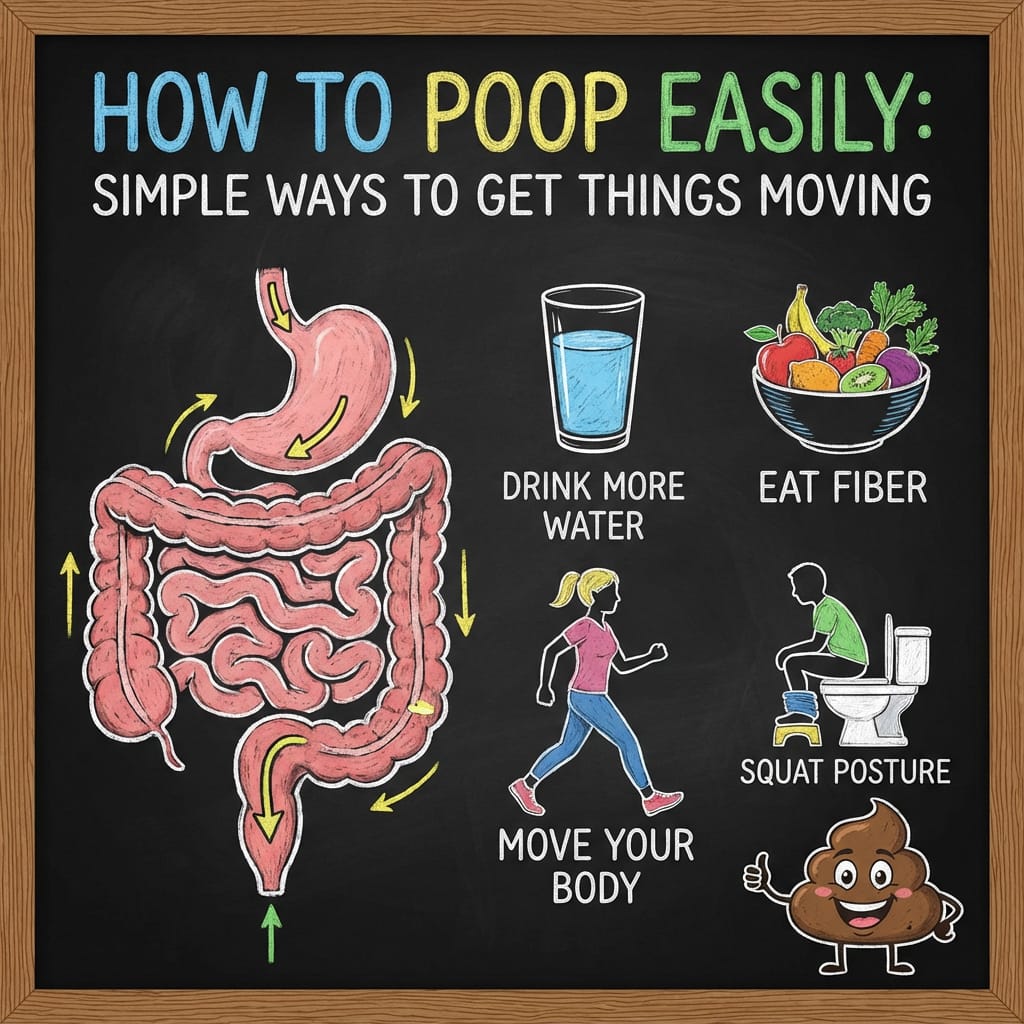
Let’s be honest: few things feel worse than sitting on the toilet, waiting, pushing, checking your phone, pushing again… and nothing. You’re not alone. Millions of people deal with this frustration daily, and the good news is that most of the time, the fix isn’t complicated.
Some readers may be looking for ways to poop fast, especially when constipation strikes suddenly. This article will cover both quick fixes to help you poop fast and long-term strategies for lasting digestive health.
Whether you’re dealing with occasional constipation after travel or you’ve been regularly constipated for weeks, this guide covers everything from same-day relief tactics to long-term habits that keep your digestive system humming along. No detox teas. No weird cleanses. Just practical strategies that actually work.
Maintaining overall health through diet, hydration, and exercise is key to supporting regular bowel movements and digestive well-being.
Quick ways to relieve constipation today (first things to try)
If you’re reading this while sitting on the toilet right now (no judgment), here’s what to try for fast constipation relief and to help you poop fast when you need immediate results:
- Drink 1–2 glasses of warm water first thing in the morning (about 250–300 ml each). Wait 20–30 minutes before heading to the bathroom. Warm liquid can stimulate your digestive tract and get things moving.
- Have a hot drink with breakfast—black coffee or caffeinated tea works well. Caffeine stimulates the colon, and many people feel the urge within 15–30 minutes of drinking water and coffee together.
- Do 5–10 minutes of light movement before sitting down. A brisk walk around the block, climbing stairs a few times, or even marching in place at home can wake up your gut and promote blood flow to your lower abdomen.
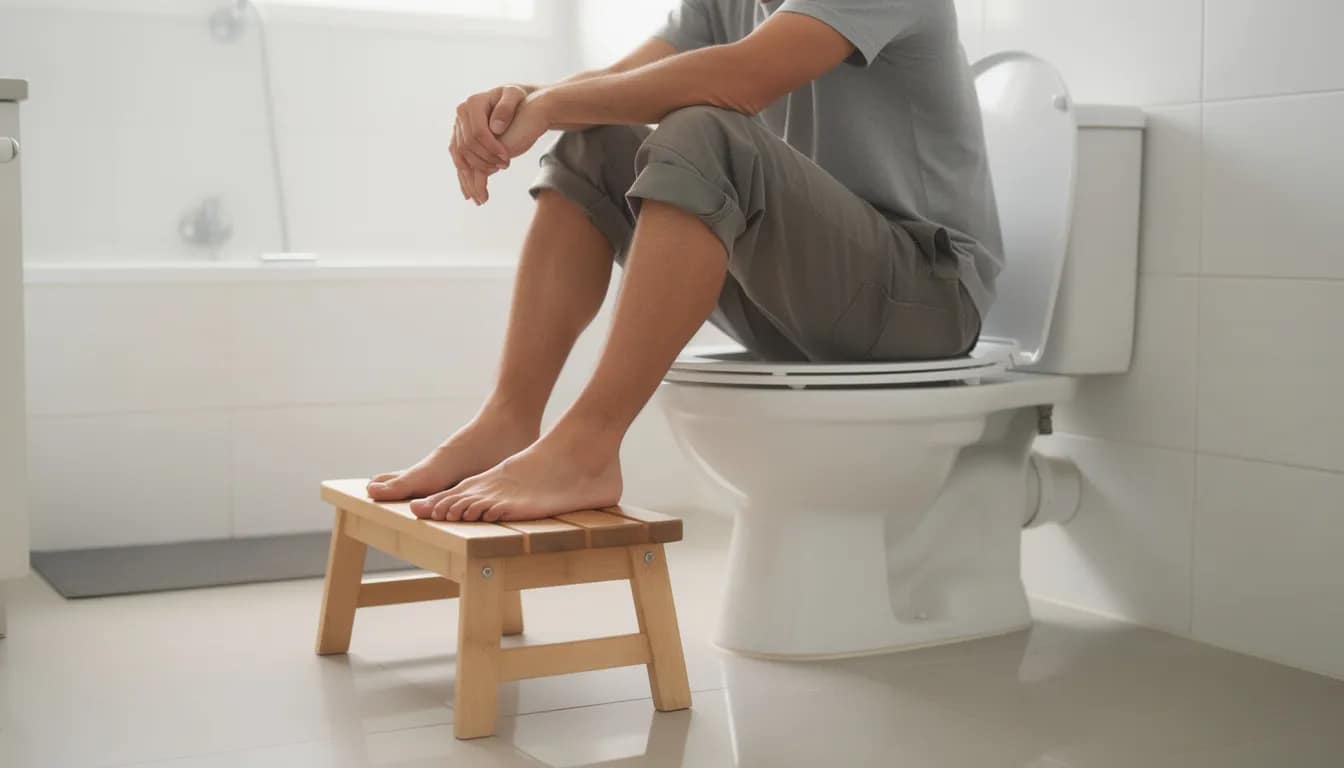
- Use a footstool under your feet (20–30 cm or about 8–12 inches high). A stack of books works too. This mimics a squatting position, relaxes your pelvic floor, and straightens the path for stool to pass. Lean slightly forward with your elbows on your thighs.
- Take 5 deep belly breaths while on the toilet. Breathe into your stomach, not your chest. Avoid excessive straining that lasts more than 5 minutes—it doesn’t help and can cause hemorrhoids.
- If nothing happens after 10 minutes, get up and try again later. Forcing it rarely works and often makes things worse.

What “easy pooping” actually means (and when it’s constipation)
“Easy pooping” isn’t about hitting some magical number of bowel movements per day. It means passing soft, formed stool without straining, pain, or feeling like you didn’t fully empty. If you can sit down, go within a few minutes, and walk away feeling complete—that’s the goal.
- Constipation is typically defined as fewer than 3 bowel movements per week OR having hard, dry, pellet-like stools that are difficult to pass. Symptoms of constipation also include needing to strain or feeling “blocked.”
- Normal frequency varies wildly. Some people poop naturally three times a day; others go every two or three days. What matters is YOUR normal. A noticeable change lasting more than 2–3 weeks is worth paying attention to.
- Average gut transit time is about 10–73 hours. Age, diet, certain medications, hydration, and activity level all affect how often you pass stool. There’s no single “right” number.
- Common constipation symptoms include: bloating, gas, abdominal discomfort, feeling like you can’t fully empty, and that general “blocked” sensation in your lower abdomen.
- Seek urgent medical care if you experience: severe sudden abdominal pain, vomiting, blood in stool, black or tarry stool, or inability to pass gas combined with constipation. The presence of other symptoms such as diarrhea, fever, or unexplained weight loss alongside constipation may indicate a more serious underlying issue. These could signal something more serious like faecal impaction or bowel obstruction.
Use food and fiber intake to make pooping easier
Diet is your single biggest lever for long-term constipation relief. No pill, powder, or supplement works as well as eating foods that naturally bulk up and soften your stool. The key is dietary fiber—and most people don’t get nearly enough.
- There are two types of fiber, and both help. Soluble fiber (oats, chia, beans) absorbs water and softens stool. Insoluble fiber (wheat bran, fibrous vegetables, whole grains) adds bulk and speeds transit through your large intestine.
- Daily fiber intake targets: Aim for a daily fiber intake of 22–34 grams for adults, adjusting gradually to avoid gas and bloating. About 25–30 grams for most women and 30–38 grams for most men. The average adult eats only around 15 grams. That gap explains a lot of bathroom struggles. Certain diets, such as the keto diet, can cause constipation due to their high fat content and low fiber intake.
- High fiber foods to stock up on: prunes, kiwi, pears with skin, apples with skin, oats, chia seeds, flaxseed, lentils, chickpeas, black beans, brown rice, quinoa, whole grain bread, almonds, carrots, broccoli, and leafy greens.
- Here’s what hitting your fiber goal might look like:
Meal | Example | Approx. Fiber |
|---|---|---|
Breakfast | Oatmeal with chia seeds and berries | 8–10 g |
Lunch | Lentil soup with whole wheat bread | 12–15 g |
Dinner | Bean chili or veggie stir-fry with brown rice | 10–12 g |
Snacks | Apple with skin, handful of almonds | 5–6 g |
- Increase fiber gradually over 5–7 days. Adding too much too fast causes gas, bloating, and cramping. Your gut needs time to adjust. And always pair more fiber with drinking plenty of water—otherwise fiber can actually worsen constipation.
- Think of a “poop-friendly plate”: Half vegetables and fruit, one-quarter whole grains, one-quarter protein, and a glass of water on the side.
Foods that can make you poop quickly
When you need relief within a few hours rather than days, certain fiber rich foods work faster than others thanks to natural compounds beyond just fiber.
- Prunes and prune juice are the classic choice. Try 4–6 prunes or about 120 ml (half cup) of prune juice. They contain both fiber and sorbitol, a natural sugar alcohol that pulls water into the colon. Many people feel results within a few hours.
- Eat prunes’ modern rival: kiwi fruit. Studies on chronic constipation found that 2 green kiwis per day improved stool frequency and softness, often within a few days of starting.
- Pears, apples, and grapes (with skin) also contain fiber and natural sorbitol. Aim for 1–2 servings per day when you’re feeling sluggish.
- Try a “poop smoothie” for breakfast: Blend water or plant milk, a handful of oats, a tablespoon of ground flax or chia, a handful of berries, and a prune or dried apricot. Drink it in the morning and see what happens.
- Note for those with diabetes or following a low-FODMAP diet: Some fruits may need adjustment. Talk with a clinician or dietitian about tailored fruit choices that won’t spike blood sugar or trigger digestive issues.
Drink enough water so your poop stays soft
Here’s the thing about your colon: its job is to absorb water from waste before you expel it. When you’re dehydrated, your colon pulls out even more water to keep your body hydrated—leaving you with hard stool that’s difficult to pass.
- Aim for about 1.8–2.5 liters of fluid intake daily for most healthy adults. That’s roughly 7–10 glasses (240 ml each) of water and other clear liquids, adjusted for hot weather and physical activity.
- Make drinking water automatic: Keep a 500 ml bottle on your desk and finish 3–4 refills throughout the day. Drink a glass with every meal and snack.
- Fiber only works if there’s enough water. Without adequate hydration, adding bulk to your diet can actually make constipation worse—fiber without water is like adding dry cement.
- Warm liquids in the morning are especially helpful. Herbal tea, warm lemon water, or broth can stimulate a bowel movement within about 30 minutes for many people.
- Limit high-sugar sodas and excessive alcohol. Both can dehydrate you and disrupt bowel habits over time.
Body position and movement: help gravity help you poop
Your body has a built-in kink in the rectum that helps you stay continent during the day. The problem? That same kink makes pooping harder when you’re sitting on a standard toilet. Gravity and positioning matter more than most people realize.
- The “squat-like” position opens everything up: Place your feet on a small footstool, bring your knees above your hips, lean your torso slightly forward with elbows resting on your thighs, and relax your belly. This straightens the anorectal angle and reduces the need for straining.
- Footstool height should be around 20–30 cm (8–12 inches). Don’t have a fancy bathroom stool? A sturdy box, stack of books, or even a small trash can flipped upside down works.
- Don’t sit and strain for more than 10 minutes. If nothing’s happening, get up, walk around for a bit, and try again later. Prolonged straining increases your risk factors for hemorrhoids and pelvic floor problems.
- Daily movement stimulates gut motility. Aim for 20–30 minutes of walking, cycling, or easy yoga on most days. Regular bowel movements are easier when your body is regularly moving.
- Try a pre-poop routine: Walk around your home for 5 minutes, then do 1–2 minutes of gentle abdominal circles with your hands over your lower abdomen (clockwise), then sit on the toilet in the squat position.
Simple abdominal and colonic massage
A gentle belly massage can help move gas and stool through your system, especially if you have slow-transit constipation or feel bloated but can’t go.
- Do a clockwise abdominal massage: Lie on your back with knees bent. Using your fingertips or flat hands, make small circles starting on your lower right abdomen, moving up toward your ribs, across under your ribs to the left, then down your left side. This follows the natural path of your colon.
- Spend 5–10 minutes massaging once or twice daily. Good times are in the evening before bed or about 30 minutes after breakfast when your gastrocolic reflex is active.
- Use light pressure only. This should feel gentle and relaxing. Stop if you experience significant severe pain, tenderness, or nausea.
- Skip this if you have: recent abdominal surgery, pregnancy complications, hernia, or serious abdominal conditions. Ask your healthcare provider before trying abdominal massage if any of these apply.
Over-the-counter options to help you poop (use carefully)
When making dietary changes and home remedies aren’t enough, pharmacy options can provide constipation remedies that work. But these are tools, not long-term solutions—and they work differently depending on type.
- Main categories of OTC laxatives: bulk-forming fiber supplements, osmotic laxatives, stimulant laxatives, stool softeners, suppositories, and mineral oil enemas.
- Fiber supplements (psyllium husk, methylcellulose, calcium polycarbophil): These work like concentrated dietary fiber, adding bulk to stool. They typically work within 12–72 hours and need plenty of water to work properly. A fiber supplement is often the first thing to try.
- Osmotic laxatives (polyethylene glycol/PEG powders, magnesium hydroxide): These pull water into the colon to soften stool mass. They work over 1–3 days. Stronger PEG solutions may require prescription medication.
- Stimulant laxatives (senna, bisacodyl): These stimulate intestinal contractions, often working in 6–12 hours. They’re effective for short-term use but shouldn’t be your daily routine. Reserve them for when other methods fail.
- Stool softeners (docusate sodium, docusate calcium): These help moisten hard stool by adding bulk and letting water penetrate. They’re often recommended when straining must be avoided—after surgery, childbirth, or with hemorrhoids.
- Rectal options (glycerin suppositories, bisacodyl suppositories, saline enemas): These act within minutes to an hour and are for more urgent relief, not daily use.
- Safety notes: Avoid frequent enemas without medical supervision. Ask a doctor before using magnesium-based products if you have kidney or heart disease. If you need laxatives for more than a week, it’s time to see your healthcare provider.
Natural and herbal aids (use with caution)
“Natural” doesn’t mean “safe for everyone.” Some plant-based products can treat constipation, but they come with real risks if misused.
- Psyllium and ground flaxseed are well-researched, generally safe fiber options when taken with plenty of water. They promote bowel regularity without harsh side effects.
- Senna, cascara, and certain “detox” teas contain natural stimulant laxatives. They can cause cramping, electrolyte imbalances, and dependence if overused. That “gentle herbal tea” might be more powerful than you think.
- Talk to a clinician before starting herbal laxatives if you’re pregnant or breastfeeding, taking multiple medications (including tricyclic antidepressants or other drugs that cause constipation), or have chronic illness.
Medications that can cause constipation
Did you know that some of the most common medications in your cabinet could be the reason you’re feeling blocked up? Certain medications can slow down your digestive system and cause constipation as a side effect—even if you’re eating well and staying active. If you’ve noticed new or worsening constipation symptoms, it’s worth taking a closer look at your medication list.
Daily habits that support regular bowel movements
One-off fixes help in a pinch, but consistent daily routine matters more for long-term bowel regularity. Your gut is trainable—give it predictable signals and it learns when to go.
- Set a regular “toilet appointment.” Sit on the toilet for 5–10 minutes about 15–20 minutes after breakfast each day, even if you don’t feel the urge. You’re training your body’s gastrocolic reflex.
- Never ignore the urge. Repeatedly delaying bowel movements can desensitize your rectum and make stool drier and harder. When your body says go, go.
- Aim for at least 150 minutes per week of moderate physical activity (like brisk walking), spread across most days. Movement keeps your digestive tract active and can prevent constipation before it starts.
- Manage stress. Chronic stress can tighten pelvic floor muscles and slow digestion. Even 5-minute breathing exercises or a short walk after work can help. Your gut-brain connection is real.
- Prioritize sleep. Aim for 7–9 hours per night. Irregular sleep patterns can disrupt bowel rhythm and contribute to digestive issues.
- Reduce known triggers. Smoking, heavy alcohol use, and frequent processed meats and fast food meals all worsen bowel habits. Avoid foods you’ve noticed cause constipation for you personally.

When to worry about constipation and see a doctor
Most constipation is harmless—annoying, uncomfortable, but fixable with the strategies above. However, some symptoms signal an underlying health condition that needs medical evaluation.
- Red-flag signs that need prompt attention: blood mixed in stool, black or tarry stool, severe or worsening abdominal pain, unintentional weight loss, fever, or vomiting alongside constipation.
- See a clinician if constipation lasts longer than about 3 weeks despite making dietary changes and lifestyle adjustments, or if you frequently need laxatives, suppositories, or enemas just to have a bowel movement.
- Review your medications. Certain medications like opioid painkillers, some antidepressants, iron supplements, and antacids with aluminum or calcium can cause constipation. Talk to your prescriber about alternatives or management strategies.
- Underlying conditions may need specific treatment. Irritable bowel syndrome (including IBS lubiprostone therapy for some patients), ulcerative colitis, diabetes, thyroid disorders, neurological diseases, and pelvic floor dysfunction can all cause chronic constipation.
- If you’re over 45–50 or have family history of colon cancer, discuss screening with your doctor if your bowel habits change significantly without obvious reason.
- Don’t adjust prescription medications on your own. Always talk to a qualified health professional before starting, stopping, or changing medicines or supplements for constipation.
The reassuring truth? Most people can dramatically improve their bowel habits with consistent hydration, enough fiber, regular movement, and smart bathroom positioning. Start with one change today—warm water tomorrow morning, feet on a stool, or an extra serving of vegetables at dinner—and build from there.
Your gut is trainable. Give it the right signals, and it’ll cooperate.