
Dealing with constipation can be uncomfortable and frustrating, especially when you need relief fast. Whether you’re experiencing occasional constipation or struggling with chronic constipation, the discomfort of being unable to pass stool can significantly impact your daily life and overall gut health.
Constipation affects millions of people, with approximately one-third of women experiencing less frequent than daily bowel movements. Not consuming enough fiber is a common reason people experience constipation, along with other underlying health conditions. The good news is that there are proven methods to help you poop naturally and achieve fast constipation relief without always needing prescription medication. Dietary changes, such as gradually increasing fiber intake, are often recommended to manage constipation and support digestive health.
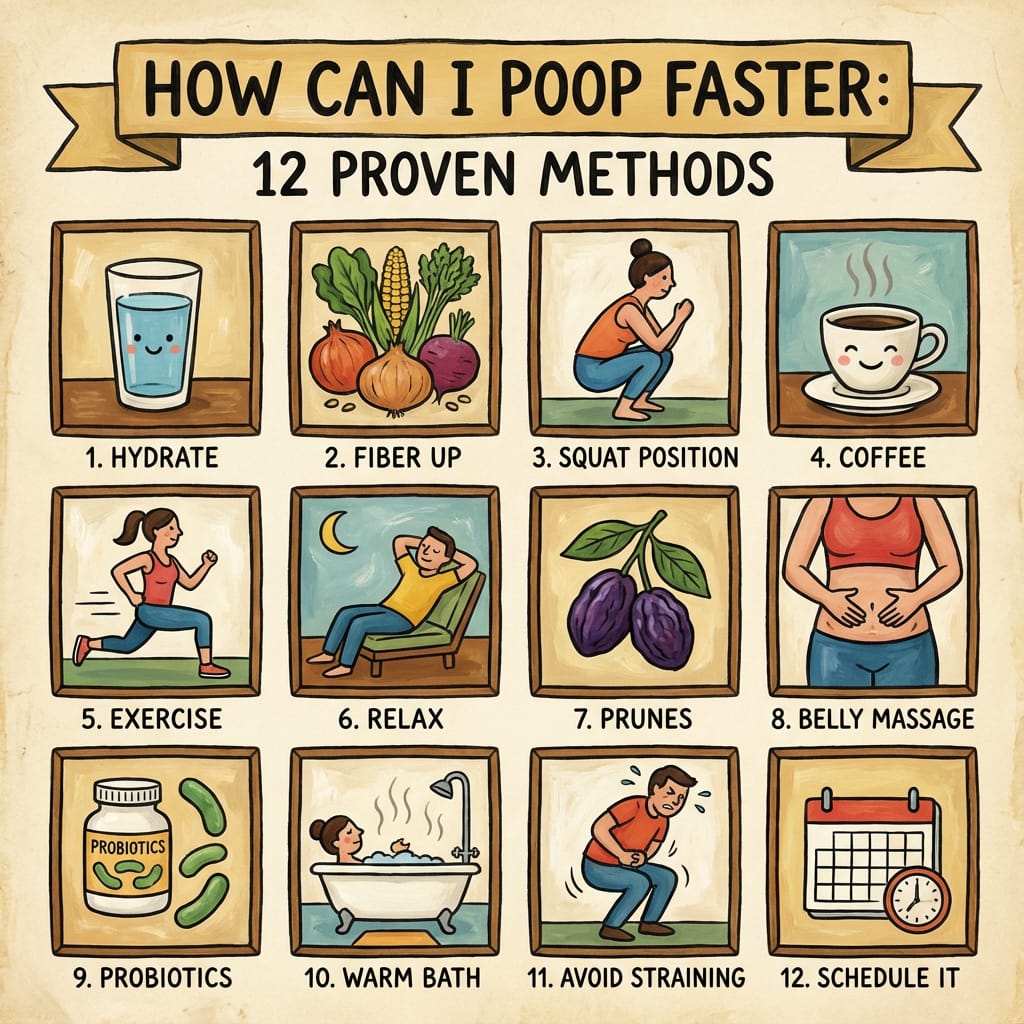
This comprehensive guide covers 12 evidence-based techniques to help you poop faster, ranging from immediate relief methods you can try right now to lifestyle changes that promote bowel regularity. From natural home remedies to over-the-counter options, you’ll discover multiple approaches to relieve constipation quickly and encourage bowel movements when you need them most.
Immediate Relief Techniques (0-20 Minutes)
When you need to poop instantly or within the next 20 minutes, these immediate techniques can help stimulate your digestive system and promote a bowel movement quickly.
Use a toilet stool: Elevating your feet with a toilet stool (like a Squatty Potty) helps position your body in a more natural squat, which straightens the rectum and reduces straining. This proper positioning can help prevent excessive straining during bowel movements, making it easier and more comfortable to pass stool.
Try the Proper Squatting Position
Research from Ohio State University reveals that body positioning plays a crucial role in bowel movement efficiency. The most natural position for defecation is squatting, while sitting on a standard toilet creates a bend in the rectum that makes it difficult to pass stool completely.
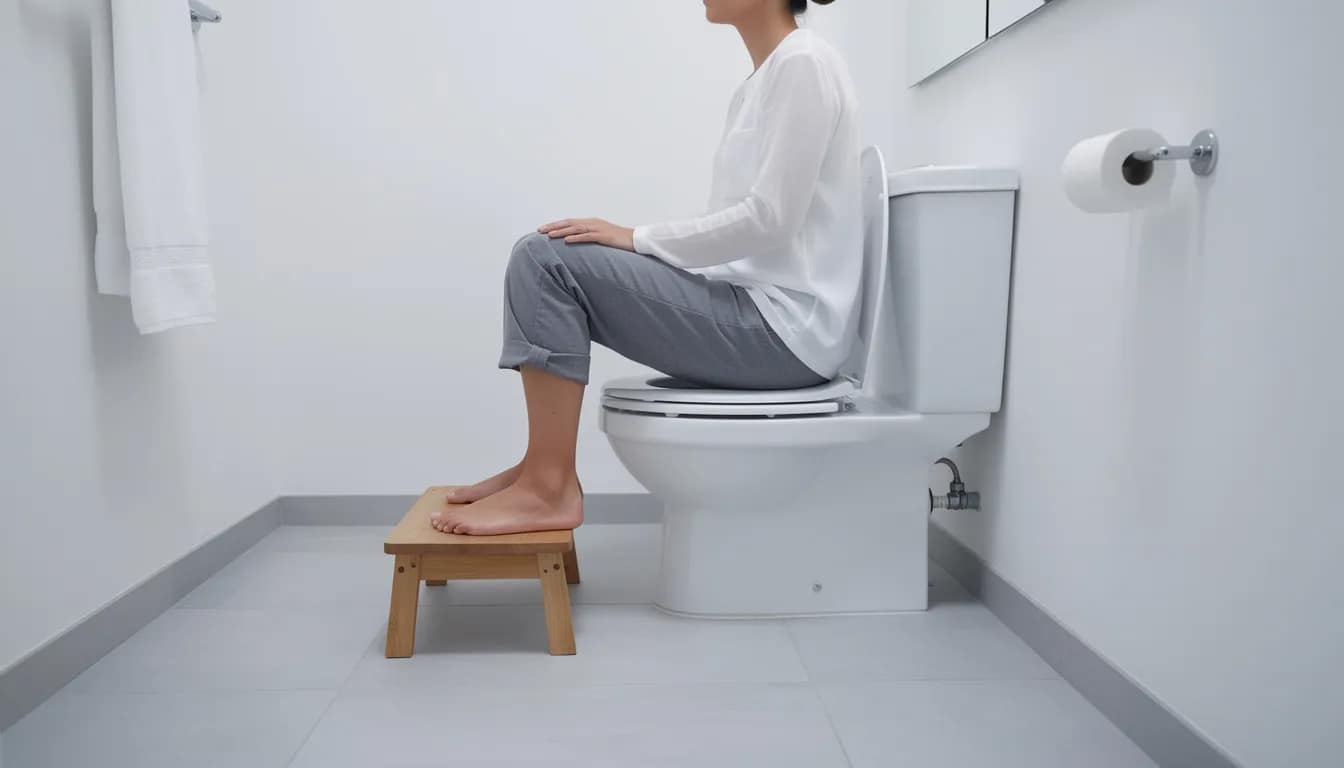
Using a toilet stool to elevate your knees above your hips mimics the squatting position. In a four-week study, 71 percent of participants experienced faster bowel movements, and 90 percent reported reduced straining when using a toilet stool. This simple positioning change can make stool easier to pass and help you achieve regular bowel movements.
Practice Deep Breathing Exercises
Deep breathing exercises stimulate the vagus nerve, which activates digestive reflexes and can help trigger a bowel movement. Sit comfortably and take slow, deep breaths for 5-10 minutes, focusing on expanding your diaphragm. This technique helps reduce stress and tension that may be contributing to your digestive issues.
Perform Gentle Abdominal Massage
Colonic massage can stimulate bowel motility and help relieve constipation. Using gentle pressure, massage your abdomen in clockwise circular motions for 2-3 minutes. Start at your lower right abdomen, move up toward your ribs, across to the left side, then down toward your pelvis. This follows the natural path of your large intestine and can help encourage movement.
Use Perineum Massage
The area between your anus and genitals contains pressure points that can help stimulate bowel movements. Apply gentle pressure with your fingertips to this area for 30 seconds to 2 minutes. This technique may help activate reflexes that promote the urge to defecate.
Insert a Glycerin Suppository
Glycerin suppositories provide relief within 15-20 minutes by lubricating the rectum and stimulating the urge to defecate. These are considered gentler than stimulant suppositories and are easier to insert due to their smaller size. The rectal area’s extensive blood supply allows for rapid absorption of the medication, making this an effective option when you need quick results.
Quick-Acting Foods and Drinks (30 Minutes-2 Hours)
Certain foods and beverages can help you poop faster by stimulating your digestive tract and providing natural laxative effects. Many foods and drinks work by adding bulk to stool, making it easier to pass. Increasing fiber intake is a key dietary strategy for promoting regular bowel movements.
Drink Warm Water or Herbal Tea
Warm water specifically stimulates the inner lining of the gut, triggering contractions that push stool along the digestive tract. Drink 8-12 ounces of warm water first thing in the morning or when you need relief. Hot water consumed upon waking is one of the simplest methods to flush the digestive system and promote bowel regularity.
Consume Prune Juice
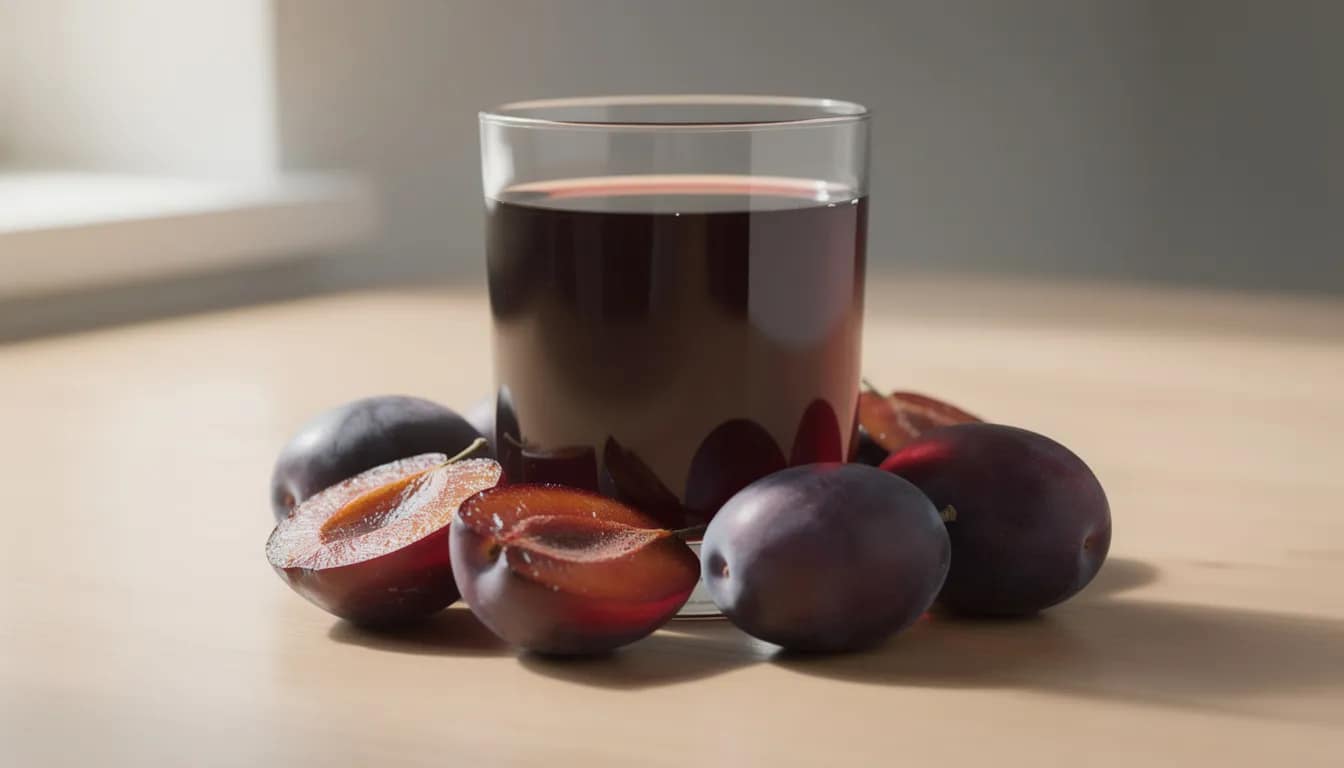
Prune juice contains natural sorbitol, a sugar alcohol that draws water into the intestines and helps soften stool. Drinking 4-6 ounces of prune juice can provide fast-acting results within 30 minutes to 2 hours. The combination of sorbitol and dietary fiber makes prunes particularly effective for constipation relief.
Drink Caffeinated Coffee
Coffee functions as a digestive stimulant with measurable effectiveness. Research shows that approximately 29 percent of people need to use the bathroom within 20 minutes of drinking coffee. The caffeine and other compounds in coffee stimulate colon contractions, making this a practical option when you need to encourage bowel movements quickly.
Eat Fresh Prunes
Eating 5-10 fresh prunes provides both soluble fiber and insoluble fiber along with sorbitol for dual-action relief. Prunes are one of the most effective high fiber foods for treating constipation naturally. The combination of fiber and natural sugars helps add bulk to stool while keeping it soft and easier to pass.
Try Apple Juice
Apple juice contains lower amounts of sorbitol compared to prune juice, making it a milder alternative for those with sensitive digestive systems. Drinking 6-8 ounces of apple juice can help relieve constipation without causing an upset stomach in most people.
Heat Therapy Methods
Heat therapy helps relax the muscles in your digestive tract and can stimulate bowel movements through improved blood flow and muscle relaxation.
Hot Water and Abdominal Massage
Drinking 8-10 ounces of hot water followed by gentle lower abdomen massage combines internal stimulation with external manipulation. The hot water stimulates gut contractions from within while the massage provides external encouragement for stool movement through the large intestine.
Hot Shower Therapy
Taking a hot shower and directing water on your lower back for 5-10 minutes helps relax the muscles that support your digestive system. The heat increases blood flow to the area and can help reduce tension that may be contributing to your inability to pass stool effectively.
Heating Pad Application
Applying a warm heating pad to your abdomen for 15-20 minutes while lying down can help relax intestinal muscles and promote bowel movements. Lie on your back with the heating pad on a low to medium setting, allowing the warmth to penetrate your abdominal muscles and potentially stimulate digestive activity.
Warm Bath Soak
Soaking in a warm bath for 10-15 minutes promotes overall muscle relaxation and can help reduce stress that contributes to constipation. The warm water helps relax your entire body, including the muscles involved in defecation, while also providing a calming environment that may help trigger the natural urge to go.
Physical Movement and Exercise
Exercise stimulates blood flow in gut muscles, causing them to contract more forcefully and push stool along the digestive tract. Movement is always beneficial for combating constipation and promoting healthy digestion.
Brisk Walking
Taking a 10-15 minute brisk walk helps stimulate bowel motility through gentle jarring motion and increased blood flow to your digestive organs. Walking is one of the most accessible forms of exercise for people of all fitness levels and can be particularly effective after meals when your digestive system is already active.

Simple Yoga Poses
Certain yoga poses can help stimulate your digestive system and relieve constipation. Child’s pose and gentle spinal twists help massage internal organs and promote movement through your intestines. These poses also help reduce stress, which can contribute to digestive issues and trouble pooping.
Knee-to-Chest Stretches
While lying on your back, bring each knee to your chest and hold for 30 seconds per leg. This stretch helps massage your intestines and can stimulate the urge to defecate. Repeat 3-5 times per leg, breathing deeply during each stretch.
Light Cardio Exercise
Gentle jumping jacks or marching in place for 2-3 minutes can help stimulate your digestive tract through rhythmic movement. This light cardiovascular activity increases blood flow throughout your body, including to your digestive organs, which can help encourage bowel movements.
Pelvic Tilts
Practice pelvic tilts while standing or sitting to activate your core muscles and potentially stimulate digestive function. Gently tilt your pelvis forward and backward 10-15 times, engaging your abdominal muscles with each movement. This exercise can help strengthen the muscles involved in defecation while promoting better posture on the toilet.
Fast-Acting Supplements and Natural Aids
Natural supplements and aids can provide relatively quick relief for constipation while being gentler than pharmaceutical options. Dietary supplements are products designed to supplement the diet and may include fiber, magnesium, and probiotics, but should be used with caution and ideally under medical guidance. Natural constipation remedies, such as herbal supplements and increased fiber intake, are popular, but it’s important to choose these remedies carefully for safety and effectiveness.
Magnesium Citrate
Magnesium citrate relaxes the bowels while pulling water into the intestines, which softens and bulks up stool, making it easier to pass. Taking 200-400mg with 8 ounces of water can provide relief within 30 minutes to 6 hours. Standard doses of 40-80 millimoles of magnesium ion typically provoke a bowel movement within this timeframe.
Psyllium Husk Fiber Supplements
Psyllium husk is a soluble fiber that absorbs water and forms a gel-like substance in your intestines, helping to bulk up stool and make it easier to pass. Mix one tablespoon of psyllium husk in 8-12 ounces of water and drink immediately, followed by another glass of water. This fiber supplement can provide relief faster than dietary fiber sources alone.
Probiotics
Probiotics containing Bifidobacterium and Lactobacillus strains can help improve gut health and promote regular bowel movements over time. While not providing immediate relief, these beneficial bacteria support healthy digestion and can help prevent constipation when taken regularly.
Aloe Vera Juice
Aloe vera juice has natural laxative properties and can help stimulate bowel movements. Drinking 2-4 ounces of pure aloe vera juice may provide relief within a few hours. Start with a smaller amount as aloe vera can cause cramping in some people, especially those with sensitive digestive systems.
Over-the-Counter Options for Rapid Relief
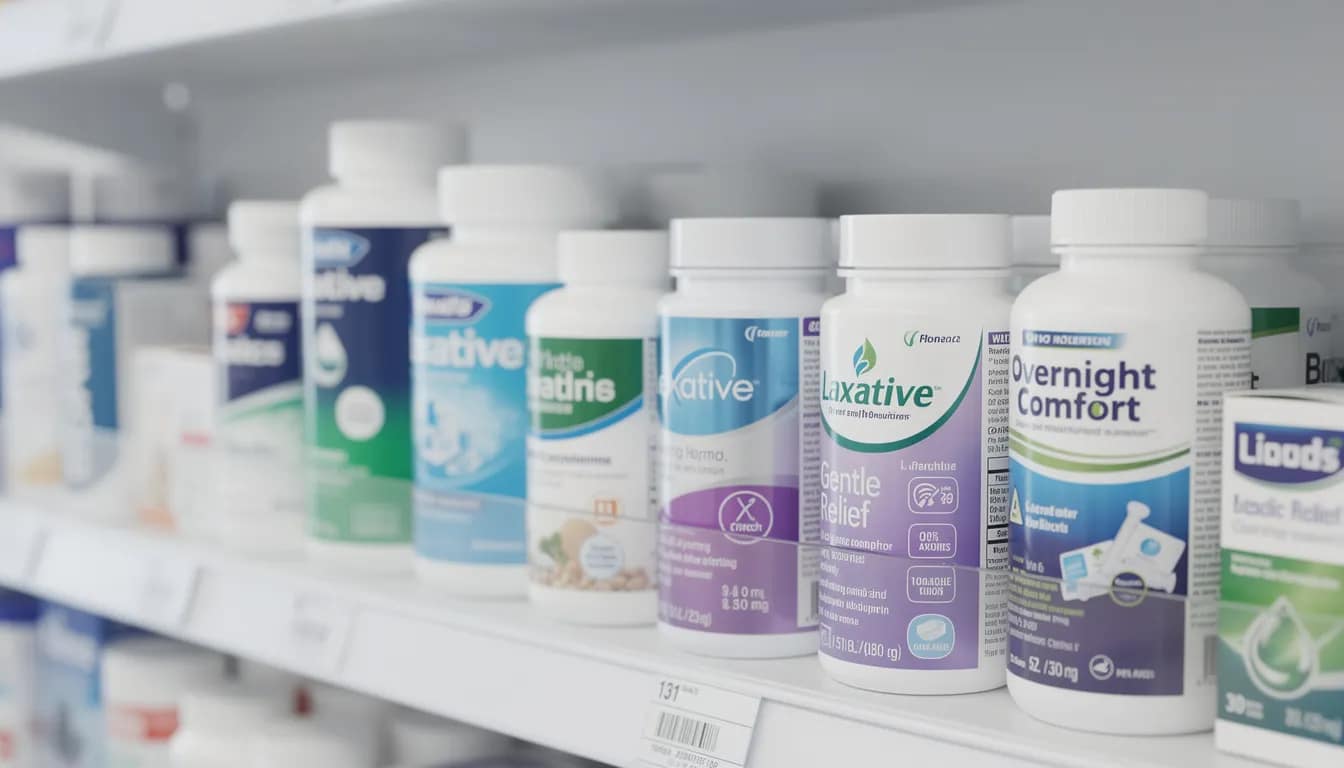
When natural methods aren’t providing sufficient relief, otc laxatives and stool softeners can help you achieve faster results. However, in some cases, severe or persistent constipation may require prescription medication prescribed by a healthcare provider.
Docusate Sodium (Colace)
Docusate sodium is a stool softener that works by allowing water and fat to penetrate stool, making it softer and easier to pass. While results typically occur within 1-3 days rather than hours, stool softeners are gentler than stimulant laxatives and less likely to cause cramping or an upset stomach.
Stimulant Laxatives
Stimulant laxatives like bisacodyl or senna cause intestinal contractions that force digestive contents through the tract. These provide relief within 6-12 hours and are effective for treating constipation when other methods have failed. However, stimulant laxatives should not be used regularly as they can lead to dependency.
Osmotic Laxatives (MiraLax)
Polyethylene glycol (PEG), marketed as MiraLax, is an osmotic laxative that moves fluids through the colon to relieve constipation. Research shows that most patients experience their first bowel movement within one day of starting PEG treatment. Lower doses produce more normal stool consistency, while higher doses may cause more liquid stools.
Mineral Oil
Mineral oil acts as a lubricant for stool passage and can be helpful when you feel blocked or have particularly hard stool. It coats the stool and intestinal walls, making passage easier. However, mineral oil should not be used long-term as it can interfere with the absorption of fat-soluble vitamins.
Emergency Measures (When Other Methods Fail)
When other methods haven’t provided relief and you’re dealing with severe constipation, these emergency measures can provide more immediate results.
Saline Enema
A saline enema involves introducing salt water into the rectum to stimulate bowel movements and soften impacted stool. Follow package instructions carefully, and use only as directed. Enemas provide relatively quick relief but should be used sparingly and only when other methods have failed.
Bisacodyl Suppository
Bisacodyl suppositories provide stronger stimulation than glycerin suppositories and typically work within 15-60 minutes. These stimulant suppositories cause more vigorous results and should be reserved for times when gentler methods haven’t been effective.
Fleet Enema
Fleet enemas are pre-packaged saline solutions that can provide immediate relief for severe constipation. These work by introducing fluid into the rectum to soften stool and stimulate the urge to defecate. Use only as directed and avoid frequent use, as enemas can disrupt the natural bacterial balance in your gut.
Phosphate Enema (Medical Guidance Required)
Phosphate enemas should only be used under medical guidance due to the risk of electrolyte imbalances. These powerful enemas can cause dangerous changes in blood chemistry and should never be used without proper medical supervision, especially in elderly individuals or those with kidney problems.
Lifestyle Factors That Speed Up Results
Maintaining certain lifestyle habits can help ensure faster results when you do experience constipation and promote overall bowel regularity. A low fiber diet is a common cause of constipation, and individuals following such a diet may benefit from fiber supplements or dietary adjustments. If your diet is low in fiber, aim to consume more fiber through high-fiber foods or supplements to help promote regularity.
Maintain Proper Hydration
Drinking water is essential for preventing and treating constipation. Aim for 8-10 glasses of water daily to maintain optimal stool consistency. Dietary fiber absorbs water, which makes stool bulkier and easier to move through the digestive tract. Without adequate fluid intake, increasing fiber can actually worsen constipation.
Don’t Delay Natural Urges
When you feel the urge to defecate, don’t delay. Postponing bowel movements can lead to harder stool and more difficulty passing it later. The natural urge signals that your body is ready to eliminate waste, and ignoring these signals can contribute to constipation symptoms.
Establish a Consistent Routine
Creating a regular bathroom routine, preferably after meals, can help train your body for regular bowel movements. The gastrocolic reflex naturally stimulates bowel activity after eating, making post-meal timing ideal for establishing a routine.
Manage Stress Levels
Stress affects bowel function by disrupting the normal functioning of your digestive system. Practice relaxation techniques such as deep breathing, meditation, or gentle exercise to help manage stress levels. High stress can slow digestion and contribute to constipation.
Avoid Constipating Foods
Certain foods can cause constipation or make existing constipation worse. Avoid foods that are low in fiber such as processed foods, cheese, fried foods, and white bread. These foods slows digestion and can contribute to hard stool formation. Instead, focus on eating foods high in fiber like fibrous vegetables, whole grains, and leafy greens.
When to Seek Medical Attention
While most constipation can be treated with home remedies and over-the-counter options, certain situations require medical intervention. If you experience other symptoms such as changes in bowel habits, severe discomfort, or unusual signs along with constipation, consult a healthcare provider.
Extended Periods Without Bowel Movements
Contact your healthcare provider if no bowel movement occurs after 3 days despite trying multiple methods. Extended constipation can lead to complications and may indicate an underlying health condition that requires professional treatment.
Severe Symptoms
Seek immediate medical care if you experience severe abdominal pain, vomiting, fever with constipation, or blood in your stool. These symptoms may indicate a serious condition such as bowel obstruction, ulcerative colitis, or other medical emergencies.
Persistent Cramping or Blood
Get medical help if you experience severe cramping that persists or notice blood in your stool. These symptoms can indicate inflammation, tears in the intestinal lining, or other serious conditions requiring prompt medical attention.
Medication Interactions
Consult your healthcare provider before using laxatives if you’re pregnant, nursing, or taking certain medications. Some laxatives can interact with prescription medications or may not be safe during pregnancy or breastfeeding.
Chronic Constipation Patterns
See a doctor if constipation becomes chronic, defined as having fewer than three bowel movements per week for several weeks. Chronic constipation may indicate irritable bowel syndrome, thyroid problems, or other underlying health conditions that require medical diagnosis and treatment. Your healthcare provider can help identify the root cause and develop an appropriate treatment plan.
Taking laxatives regularly can also lead to dependency, where your bowel becomes reliant on artificial stimulation. If you find yourself frequently needing to treat constipation with medications or supplements, it’s important to work with a medical professional to address the underlying causes.
Constipation doesn’t have to control your life. With these 12 proven methods, you now have a comprehensive toolkit to help you poop faster when you need relief. Start with the gentler approaches like proper positioning, warm water, and light exercise before progressing to stronger interventions.
Remember that maintaining a high fiber diet, drinking plenty of water, and staying physically active are your best defenses against constipation. However, when you do experience digestive issues, these evidence-based techniques can provide the fast constipation relief you’re seeking.
If you find yourself frequently struggling with bowel regularity despite implementing these strategies, don’t hesitate to consult with your healthcare provider to rule out any underlying health conditions and develop a personalized approach to maintaining healthy digestion.