
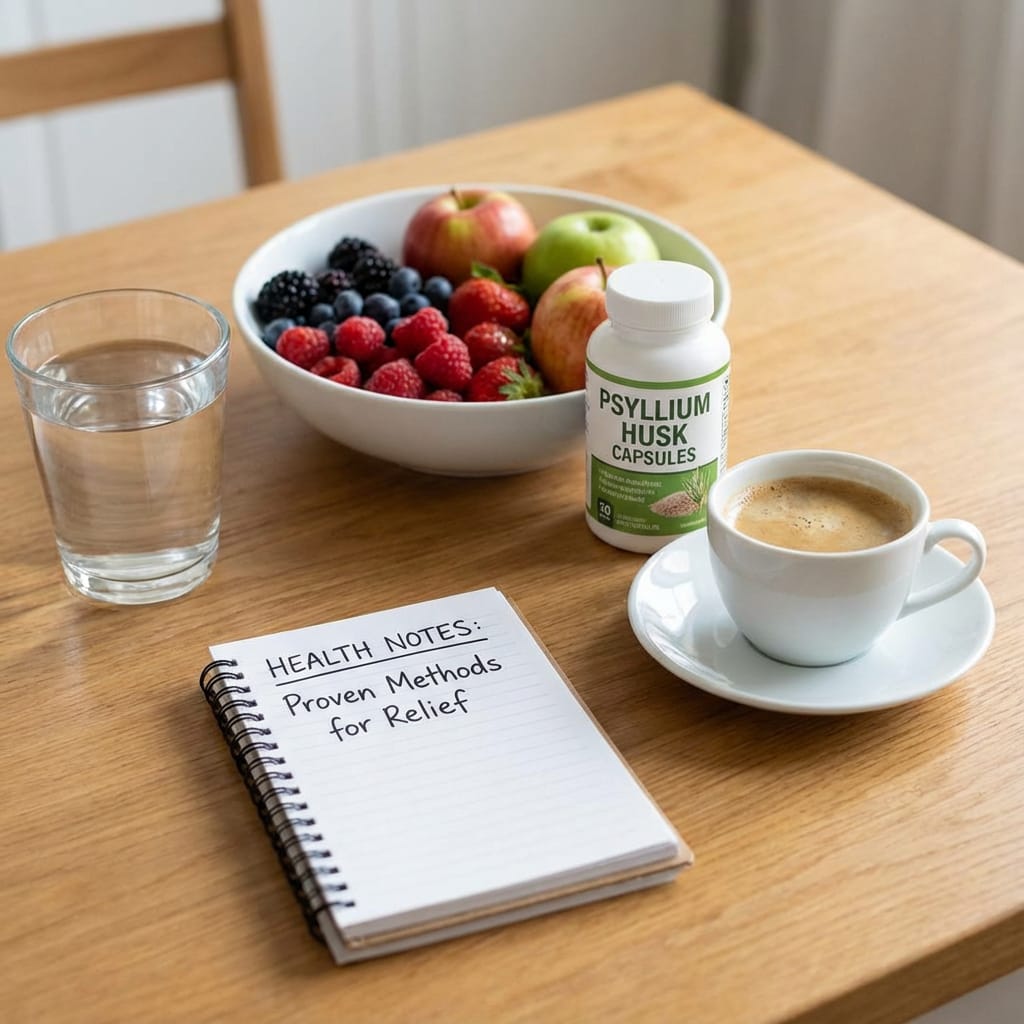
Constipation affects millions of people worldwide, leaving them uncomfortable, bloated, and desperately seeking relief. Whether you’re dealing with occasional constipation or need to encourage bowel movements before an important event, understanding how can you make yourself poop safely and effectively is essential knowledge.
The truth is, there are numerous proven strategies to relieve constipation and stimulate a bowel movement, ranging from immediate solutions that work within minutes to natural methods that promote long-term bowel regularity. This comprehensive guide will walk you through evidence-based approaches, from quick relief techniques to lifestyle changes that prevent constipation from recurring. Diet and lifestyle changes are key methods for easing constipation and maintaining regular bowel movements.
Before attempting any method to make yourself poop, it’s important to understand that normal bowel frequency varies significantly between individuals. While some people have regular bowel movements three times daily, others naturally go every three days. Eating habits are one of the factors that influence bowel movement frequency and regularity. The key is recognizing changes from your personal baseline, especially when accompanied by discomfort or excessive straining.
Introduction to Constipation
Constipation is a widespread digestive issue that can disrupt your daily routine and overall well-being. It occurs when bowel movements become infrequent or difficult, often leading to discomfort, bloating, and a sense of incomplete evacuation. While almost everyone experiences constipation at some point, for some, it can become a chronic problem that affects quality of life.
Understanding constipation is the first step toward effective relief. The condition can be acute—lasting only a short time—or chronic, persisting for weeks or longer. Its severity varies from mild inconvenience to significant pain and distress. The digestive system relies on a delicate balance of dietary fiber, hydration, and regular movement to function smoothly. When this balance is disrupted, constipation can occur.
To relieve constipation and support a healthy digestive system, it’s important to focus on preventive strategies. Incorporating more dietary fiber, staying well-hydrated, and maintaining an active lifestyle are proven ways to keep your bowels moving regularly. Recognizing when constipation becomes a persistent issue is also crucial, as it may signal an underlying health concern that requires medical attention.
Understanding Bowel Movements
Bowel movements are a vital part of your body’s natural waste elimination process, reflecting the health of your digestive system. The digestive tract works tirelessly to break down food, absorb nutrients, and expel what’s left as stool. A normal bowel movement frequency can range from three times a day to three times a week, and what’s “normal” often depends on your individual habits, diet, and lifestyle.
The journey through the digestive system starts in the mouth and continues through the esophagus, stomach, small intestine, and large intestine. Each part of the digestive tract plays a role in processing food and moving waste toward elimination. When this process slows down or is disrupted, constipation can result.
Promoting bowel regularity is essential for preventing constipation. Eating a high-fiber diet, increasing your fluid intake, and staying physically active all help keep your digestive system running smoothly. These habits encourage regular bowel movements and support overall gut health. If you notice changes in your usual bowel movement pattern, it may be a sign to adjust your diet or lifestyle to prevent constipation from developing.
Causes of Constipation
Constipation can develop for many reasons, and understanding the root cause is key to finding effective constipation relief. One of the most common culprits is a diet low in fiber, which leads to harder, drier stools that are more difficult to pass. Inadequate fluid intake can also slow down the digestive tract, making constipation more likely. A sedentary lifestyle, certain medications, and underlying health conditions can further contribute to the problem.
Other factors, such as stress, hormonal changes, and structural issues within the digestive system, can also play a role. To treat constipation effectively, it’s important to identify and address these underlying causes. Simple changes—like increasing your fiber intake with whole grains, fruits, and vegetables, drinking more water, and engaging in regular exercise—can help relieve constipation and promote regular bowel movements.
Natural remedies, such as prune juice and fiber supplements like psyllium, are often effective in helping to relieve constipation and restore bowel regularity. Avoiding foods that can worsen constipation, such as processed foods and excessive dairy, is also beneficial. If constipation persists despite these efforts, consulting a healthcare provider is recommended. They can help you develop a personalized plan to manage constipation and maintain a healthy digestive system, ensuring you get the support you need for long-term gut health.
Quick Relief Methods That Work in Minutes
When you need fast constipation relief, these immediate techniques can help stimulate a bowel movement within 15 to 60 minutes. If you’re looking for ways to have a bowel movement quickly, these methods work by either softening stool directly or triggering the natural reflexes that promote bowel movements.
Glycerin Suppositories
Glycerin suppositories provide one of the fastest ways to encourage bowel movements, typically working within 15-20 minutes. These over-the-counter suppositories work by drawing water into the rectum, which softens stool making it easier to pass while simultaneously stimulating the rectal muscles to contract.
To use a suppository effectively, lie on your side and gently insert the suppository about one inch into the rectum. Remain lying down for a few minutes to prevent the suppository from slipping out. The lubricating action helps soften stool while the glycerin creates an osmotic effect that draws water into the intestinal walls.
Proper Toilet Positioning
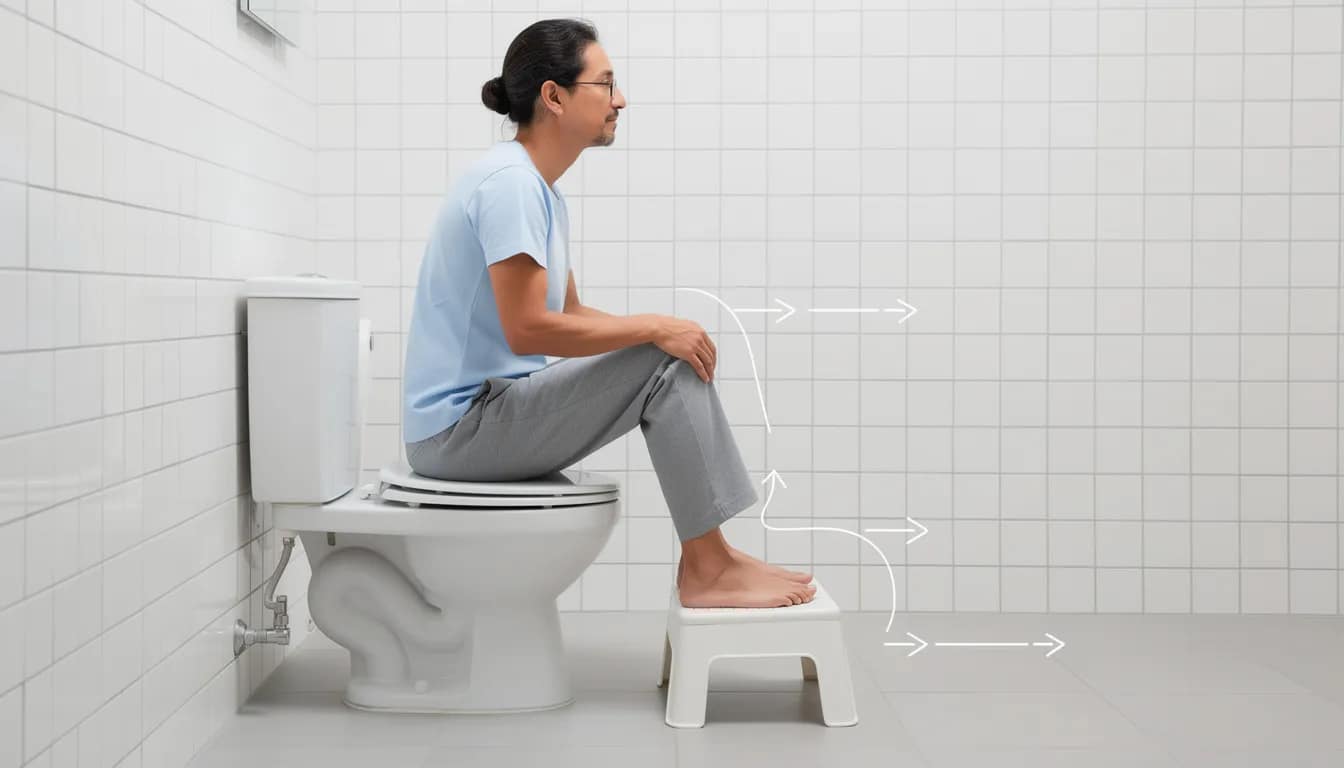
Your positioning on the toilet can significantly impact your ability to pass stool comfortably. The squatting position naturally aligns the rectum for optimal stool passage and reduces excessive straining. While modern toilets don’t allow for true squatting, you can simulate this position by placing a small stool under your feet.
Elevating your knees above hip level straightens the anorectal angle, allowing stool to move more easily through the digestive tract. This simple adjustment can make the difference between struggling with a bowel movement and having natural, effortless elimination.
Warm Water Enema
For severe constipation, a warm water enema can provide immediate relief, though this method should be used cautiously and not as a regular solution. Enemas work by introducing fluid directly into the rectum, which softens hard stool and stimulates the urge to defecate.
Use only plain warm water or a commercially prepared enema solution. The warm water helps relax the intestinal walls while adding moisture to soften stool. However, frequent enema use can disrupt your body’s natural elimination processes and electrolyte balance.
Perineal Massage and Pressure Points
Gentle massage of the perineum (the area between the anus and genitals) can activate pressure points that stimulate bowel movements. Apply gentle, circular pressure to this area for several minutes while sitting on the toilet. This technique works by triggering nerve pathways that encourage the defecation reflex.
Some people also find success with gentle pressure applied to the lower abdomen, following the path of the colon from right to left. This external massage can help move gas and stool through the digestive system.
Deep Breathing and Relaxation
Stress and tension can significantly inhibit your ability to have a bowel movement. Deep breathing exercises while on the toilet help relax the pelvic muscles and reduce the anxiety that often accompanies constipation.
Practice slow, deep breaths through your nose, allowing your abdomen to expand fully. This relaxation response can help override the stress response that often interferes with normal digestive function. Avoid excessive straining, as this can worsen constipation and lead to other health issues.
Natural Foods and Drinks for Bowel Movement Stimulation
Natural dietary approaches offer safe, effective ways to encourage bowel movements while providing additional nutritional benefits. These methods help you poop naturally, avoiding the need for medication and supporting your body’s natural digestive processes. These foods work through various mechanisms, including adding fiber, drawing water into the intestines, and stimulating digestive tract motility.
High-Fiber Foods That Work Fast
Dietary fiber is fundamental for maintaining regular bowel movements and can help relieve constipation within 6 to 24 hours. However, the type and preparation of fiber-rich foods can significantly impact their effectiveness. It is important to eat enough fiber daily to maintain digestive health and prevent constipation, as insufficient fiber intake can lead to irregular bowel movements.
Prunes and Prune Juice
Prunes are perhaps nature’s most effective natural laxative. As a type of dried fruit, prunes contain high levels of sorbitol, a sugar alcohol that draws water into the intestines and stimulates bowel movement within 6-8 hours. Additionally, prunes provide both soluble fibre and insoluble fiber, which add bulk to stool and promote regular bowel movements.
A typical serving of 6-8 prunes contains about 6 grams of fiber and significant amounts of sorbitol. Many people find that drinking prune juice provides faster results than eating whole prunes, as the concentrated sorbitol acts more quickly on the digestive system.
Kiwi Fruits with Skin
Kiwi fruits contain actinidin, a unique enzyme that promotes movement in the upper gastrointestinal tract by efficiently breaking down proteins. Eating 2-3 kiwis with the skin on provides both this beneficial enzyme and a substantial amount of fiber that helps form well-formed, soft stool.
Research suggests that regular kiwi consumption can significantly improve stool frequency and reduce straining in people who are regularly constipated. The combination of fiber, natural enzymes, and high water content makes kiwi particularly effective for constipation relief.
Stewed Apricots and Dried Fruits
Stewed apricots with brown sugar create a gentle, tasty remedy that’s rich in fiber and natural sugars that have mild laxative effects. Like prunes, apricots are a type of dried fruit and contain sorbitol, though in lower concentrations. The cooking process breaks down the fruit fibers, making them easier to digest while concentrating the beneficial compounds.
Other dried fruits like figs, dates, and raisins offer concentrated fiber and natural sugars that help soften stool and encourage bowel movements. These fruits also provide potassium and other nutrients that support overall digestive health.

Whole Grains for Bulk and Movement
Whole grains like oats, quinoa, and brown rice add significant bulk to stool while providing both soluble and insoluble fiber. Brown rice is particularly effective because it contains more fiber than white rice and helps form well-formed stool that’s easier to pass. Wheat bread and whole wheat bread are also excellent sources of dietary fiber, and choosing whole wheat options can further enhance fiber intake and support digestive health.
Oatmeal makes an excellent breakfast choice for promoting bowel regularity. The beta-glucan fiber in oats forms a gel like substance in the digestive tract, which helps soften stool while adding beneficial bulk. Starting your day with a bowl of oatmeal topped with prunes or berries provides a powerful combination for digestive health.
Liquids That Stimulate Bowel Movements
Proper fluid intake is crucial for preventing constipation and encouraging bowel movements. Increasing fluid intake helps prevent stool from becoming too hard and difficult to pass.
Morning Lemon Water
Drinking warm water with half a lemon first thing in the morning can help trigger the natural gastrocolic reflex that stimulates bowel movements. The warmth helps relax the digestive tract, while the citric acid may stimulate digestive juices and promote gut motility.
This simple remedy works best on an empty stomach and can be particularly effective when combined with other natural methods. The vitamin C in lemon also supports overall digestive health and immune function.
Coffee’s Colonic Stimulation
Drinking coffee, particularly hot, caffeinated coffee, stimulates colonic contractions and increases the urgency to defecate in many people. Coffee triggers the release of hormones that stimulate the digestive tract, often leading to a bowel movement within 30 minutes of consumption.
However, coffee affects people differently. While some find it reliably triggers bowel movements, others may experience increased anxiety or digestive upset. If you don’t regularly drink coffee, start with a small amount to assess your body’s response.
Herbal Teas for Natural Relief
Senna tea acts as a natural stimulant laxative, working within 6-12 hours to stimulate intestinal contractions. Senna contains compounds called sennosides that irritate the intestinal lining, promoting movement through the digestive system.
Other beneficial herbal teas include ginger tea, which reduces pressure on the lower intestines and helps with cramping, and fennel tea, which acts as a mild natural laxative by increasing gastric enzymes in the digestive system.
Broths and Clear Soups
Clear broths and soups add moisture to stool while being gentle on the digestive system. The warmth of soup can stimulate the gastrocolic reflex, while the liquid content helps prevent dehydration that contributes to constipation.
Vegetable broths also provide electrolytes and nutrients that support overall digestive function. The combination of warmth, liquid, and gentle nutrition makes soup an excellent choice when you’re experiencing constipation.
Daily Hydration Goals
Drinking water is essential for relieving constipation and maintaining regular bowel movements. Drinking approximately 2.5 liters of water daily helps keep stool soft and prevents the hardening that makes bowel movements difficult. Dehydration is one of the most common causes of occasional constipation, particularly in hot weather or during illness.
Spread your fluid intake throughout the day rather than drinking large amounts at once. This approach ensures consistent hydration and supports the body’s natural digestive processes.
Prunes and Prune Juice
Prunes are a well-known natural remedy for constipation due to their high fiber and sorbitol content. Prune juice lacks the fiber found in dried prunes, but it is still effective because its high sorbitol content draws water into the intestines and stimulates bowel movements. Both prunes and prune juice can help promote regularity, but whole prunes provide the added benefit of dietary fiber.
Over-the-Counter Solutions for Constipation Relief
When natural methods aren’t sufficient, over-the-counter options provide reliable constipation relief. Taking a fiber supplement can be a quick and effective way to increase dietary fiber intake and help relieve constipation. Understanding the different types of laxatives and how they work helps you choose the most appropriate option for your situation.
Laxative Types and How They Work
Different types of laxatives work through various mechanisms and have different timelines for effectiveness. Choosing the right type depends on your specific needs and the severity of your constipation.
Stimulant Laxatives
Stimulant laxatives like bisacodyl force intestinal contractions within 6-12 hours by directly irritating the intestinal walls. These medications are effective for moderate to severe constipation but should be used sparingly to avoid dependence.
Common stimulant laxatives include senna tablets and bisacodyl suppositories. While effective, these can cause cramping and should not be used regularly without medical supervision, as they may interfere with your body’s natural elimination patterns.
Osmotic Laxatives
Osmotic laxatives like polyethylene glycol work by drawing water into the colon over 2-3 days, softening stool and increasing volume. These medications are generally gentler than stimulant laxatives and can be used more frequently for chronic constipation.
Polyethylene glycol is tasteless and can be mixed with any beverage, making it convenient for daily use. It works gradually to restore normal stool consistency without causing urgent, cramping sensations.
Stool Softeners
Stool softeners such as docusate sodium work by reducing surface tension, allowing water to penetrate hard stool for easier passage. These are particularly useful when you need to avoid straining, such as after surgery or during pregnancy.
Stool softeners typically take 1-3 days to show full effect and work best when combined with adequate fluid intake. They’re among the gentlest over-the-counter options and rarely cause side effects.
Fiber Supplements
Fiber supplements like psyllium husk add bulk to stool and promote regular movements by absorbing water in the intestines. Unlike rapid-acting laxatives, fiber supplements help establish long-term bowel regularity.
Psyllium forms a gel-like substance in the digestive tract that helps normalize stool consistency. It’s important to take fiber supplements with plenty of water to prevent them from causing additional constipation.
Magnesium Supplements
Magnesium citrate supplements provide a natural laxative effect by drawing water into the intestines and stimulating muscle contractions. Magnesium works relatively quickly, often producing results within 6-8 hours.
These supplements are generally safe for occasional use, but people with kidney problems should consult a healthcare provider before using magnesium-based laxatives. Start with the lowest recommended dose to assess your body’s response.

Physical Techniques and Positioning
Physical approaches to encouraging bowel movements work by optimizing your body’s natural elimination mechanics and stimulating the digestive tract through movement and positioning.
Optimal Positioning Strategies
The squatting position has been used throughout human history for defecation and remains the most physiologically efficient way to eliminate waste. This position straightens the anorectal angle, allowing stool to pass more easily without excessive straining.
Using a toilet stool to elevate your knees above hip level simulates the natural squatting posture while using a modern toilet. This simple adjustment can transform difficult bowel movements into comfortable, complete elimination.
Lean slightly forward while maintaining the elevated knee position, and avoid holding your breath or straining excessively. Allow gravity and your body’s natural reflexes to do the work.
Abdominal Massage Techniques
Gentle abdominal massage following the path of the colon can help stimulate movement and encourage stool to progress through the digestive system. Start at your right lower abdomen and massage upward, then across under your ribcage, and finally down the left side.
Use circular, clockwise motions with gentle but firm pressure. Spend 5-10 minutes performing this massage, particularly effective when done first thing in the morning or about an hour after meals when the gastrocolic reflex is most active.
This technique is particularly helpful for people with slow-transit constipation or those who feel like stool is “stuck” in their colon.
Exercise and Movement
Light exercise like a brisk 10-minute walk increases blood flow to digestive organs and stimulates natural peristalsis, the wavelike contractions that move stool through the intestines. Physical activity also helps reduce stress, which can contribute to constipation.
Even gentle movement can be effective. Simple stretching, walking around your home, or doing household chores can help stimulate your digestive system when you’re feeling constipated.
Regular physical activity is one of the most effective long-term strategies for maintaining bowel regularity and preventing chronic constipation.
Yoga Poses for Digestive Health
Specific yoga poses can aid intestinal movement and help relieve constipation. Child’s pose helps compress the abdomen and stimulate the digestive organs, while gentle twisting positions massage the internal organs and promote movement.
The wind-relieving pose (lying on your back and hugging your knees to your chest) can help move trapped gas and stimulate bowel movements. Hold these poses for 30 seconds to several minutes, breathing deeply and allowing your body to relax.
These gentle movements work best when combined with other natural approaches and should never be forced or cause pain.

Lifestyle Changes for Long-Term Regularity
Sustainable bowel regularity comes from consistent lifestyle habits that support your digestive system’s natural rhythms. These changes help prevent constipation and reduce the need to actively try to make yourself poop.
Establishing a Consistent Routine
Creating a consistent toilet routine at the same time daily, preferably after meals, helps train your body to have predictable bowel movements. The gastrocolic reflex is strongest after eating, particularly in the morning, making this an ideal time for elimination.
Set aside 10-15 minutes after breakfast to sit on the toilet, even if you don’t feel an immediate urge. This routine helps establish a pattern that your body will begin to follow naturally over time.
Avoid rushing or forcing movements during this time. Instead, focus on relaxation and allow your body’s natural processes to work. Consistency is more important than immediate results.
Gradual Fiber Increase
Most people consume far less fiber than recommended, with only about 3% of the population meeting daily fiber requirements. Women need approximately 25 grams of fiber daily, while men require about 30 grams to maintain optimal digestive health.
Increase your daily fiber intake gradually by 5-10 grams per week to prevent digestive upset like gas and bloating. Add high fiber foods like whole grain bread, legumes, fruits, and vegetables to each meal rather than making dramatic changes all at once.
High fibre foods work best when combined with adequate fluid intake. Each gram of fiber needs about 3 grams of water to function properly in your digestive system.
Regular Physical Activity
Incorporating 30 minutes of walking or other moderate exercise into your daily routine significantly speeds intestinal transit time and promotes regular bowel movements. Exercise doesn’t need to be intense—consistent, gentle movement is often more beneficial than sporadic vigorous activity.
Regular activity helps maintain the muscle tone needed for effective elimination and reduces stress levels that can contribute to chronic constipation. Find activities you enjoy and can maintain consistently rather than forcing yourself into unpleasant exercise routines.
Even simple activities like taking the stairs instead of elevators, parking further away, or doing household tasks more vigorously can contribute to better digestive health.
Stress Management and Relaxation
Chronic stress significantly impacts digestive function and can contribute to both constipation and irregular bowel habits. The gut-brain connection means that mental tension directly affects intestinal function.
Developing effective stress management techniques through meditation, deep breathing, regular sleep schedules, or relaxing hobbies can dramatically improve bowel regularity. Even 10-15 minutes of daily relaxation can positively impact your digestive health.
Consider the environmental factors in your bathroom as well. A calm, private space without distractions (like phones or reading materials) allows you to focus on your body’s natural signals and promotes more effective elimination.
Dietary Habits and Hydration
Avoid foods that commonly contribute to constipation, including processed foods high in fat and low in fiber, excessive dairy products, and foods with artificial ingredients that can disrupt digestive function.
Focus on eating foods that promote bowel regularity: whole grains, fresh fruits, vegetables, legumes, and foods with natural prebiotics that feed beneficial gut bacteria. Fibrous vegetables like broccoli, Brussels sprouts, and leafy greens are particularly effective.
Limit alcohol consumption, as excessive alcohol leads to dehydration and slower digestion. If you drink alcohol, increase your water intake proportionally to maintain proper hydration levels.

When to Seek Medical Attention
While most constipation episodes can be safely managed at home, certain situations require professional medical evaluation to rule out serious underlying conditions and ensure appropriate treatment. Persistent constipation may be a sign of an underlying health condition that requires medical attention.
Red Flag Symptoms
Constipation lasting more than 3 weeks despite home remedies requires doctor evaluation, as this may indicate underlying health conditions that need medical treatment. Chronic constipation can be a symptom of thyroid disorders, diabetes, neurological conditions, or structural problems in the digestive tract.
Severe abdominal pain, vomiting, or blood in stool needs immediate medical care, as these symptoms may indicate bowel obstruction, inflammatory conditions, or other serious problems that require urgent intervention.
If you’re unable to pass gas along with constipation, this may indicate a bowel obstruction, which is a medical emergency. Don’t attempt home remedies in this situation—seek immediate emergency care.
Chronic Constipation Management
People who are regularly constipated may have underlying conditions that require prescription medication or specialized treatment approaches. Conditions like irritable bowel syndrome with constipation (IBS-C), pelvic floor dysfunction, or slow-transit constipation often need medical management.
Your healthcare provider can prescribe stronger medications, recommend specialized therapies like biofeedback for pelvic floor problems, or order tests to identify underlying causes of chronic constipation.
Don’t rely exclusively on over-the-counter laxatives for long-term management without medical supervision, as some types can cause dependency or mask serious underlying conditions.
Special Considerations
Pregnancy-related constipation is common due to hormonal changes and pressure from the growing uterus, but many standard treatments aren’t safe during pregnancy. Always discuss constipation with your healthcare provider to ensure safe options for both mother and baby.
Certain medications commonly cause constipation as a side effect, including opioid pain medications, some antidepressants, iron supplements, and calcium channel blockers. If you suspect your medication is causing constipation, consult your prescribing physician about alternatives or preventive measures.
Older adults are particularly susceptible to constipation due to decreased mobility, medication effects, and age-related changes in digestive function. They may need specialized approaches and closer medical monitoring when treating constipation.
Finding the Right Healthcare Professional
If you experience chronic digestive issues, consider consulting a gastroenterologist who specializes in digestive tract disorders. These specialists can perform advanced testing and provide specialized treatments not available through general practitioners.
Keep a symptom diary tracking your bowel movements, diet, medications, and other symptoms to help your healthcare professional understand your condition and develop an effective treatment plan.
Don’t feel embarrassed about discussing bowel problems with medical professionals—constipation is an extremely common condition, and healthcare providers are experienced in addressing these issues professionally and effectively.
Conclusion
Understanding how can you make yourself poop safely and effectively involves recognizing that different approaches work for different people and situations. From immediate relief methods like suppositories and proper positioning to long-term strategies involving dietary changes and lifestyle modifications, you have numerous options to address constipation.
The most effective approach often involves starting with gentle, natural methods and gradually progressing to more intensive treatments if needed. Simple changes like increasing your fiber intake, drinking more water, establishing a consistent routine, and incorporating light exercise can dramatically improve your bowel regularity and reduce the need for emergency interventions.
Remember that occasional constipation is normal, but persistent problems warrant medical evaluation to ensure you receive appropriate care and rule out underlying conditions. By combining the immediate relief techniques and long-term prevention strategies outlined in this guide, you can develop a comprehensive approach to maintaining healthy, regular bowel movements and improving your overall digestive health.
Whether you’re dealing with temporary constipation or looking to improve your long-term bowel regularity, the evidence-based methods in this guide provide safe, effective options to help you achieve comfortable, natural elimination.