
You could be eating the world’s most picture-perfect salad—organic greens, heirloom tomatoes, the works—and still walking away with a fraction of the nutrients you think you’re getting.
Here’s the uncomfortable truth: your body doesn’t care about what’s on your plate. It only cares about what actually makes it through your intestinal wall and into your bloodstream. Once absorbed, these nutrients enter systemic circulation, which delivers them throughout your body for energy, storage, and vital functions. And that journey from fork to cell? It’s where most of us are quietly losing the game.
The good news is that improving nutrient absorption doesn’t require a complete dietary overhaul, expensive supplements, or giving up foods you love. It’s about working smarter with what you’re already eating. Small tweaks to how you prepare, combine, and consume your food can turn an average meal into one that actually delivers.
Let’s fix this.
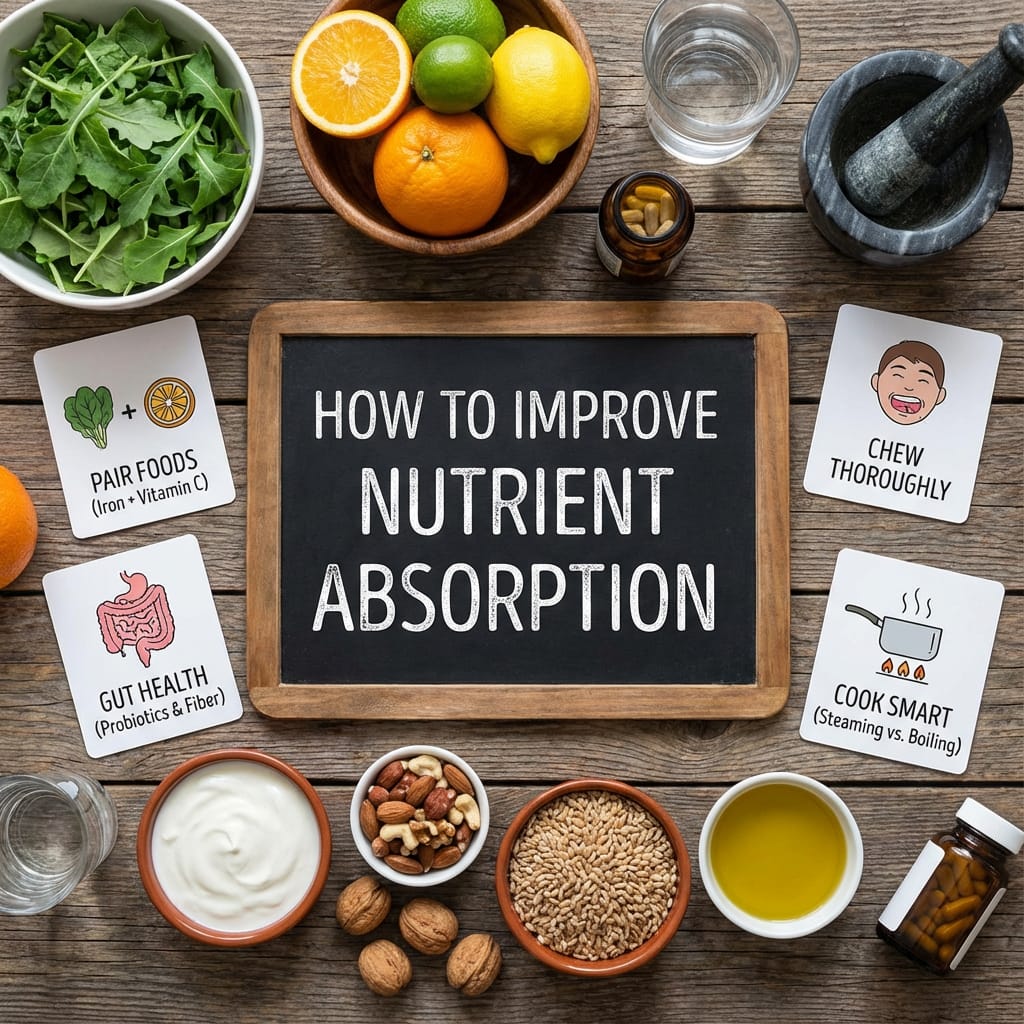
Fast Tips: How to Improve Nutrient Absorption Right Away
Before we get into the science (don’t worry, we’ll keep it digestible—pun intended), here’s what you need to know: most nutrients are absorbed in the small intestine, and that process depends heavily on your gut health, the food combinations you choose, and even how you cook your dinner.
Think of your digestive system as a sophisticated extraction facility. The machinery works best when everything is properly prepared, the right chemicals are present, and nothing is gumming up the works. When any of these factors are off, you’re essentially flushing vitamins and minerals down the toilet. Literally.
Here are quick wins you can implement starting today:
- Chew your food thoroughly — aim for 15-30 chews per bite to mechanically break down food and activate saliva enzymes
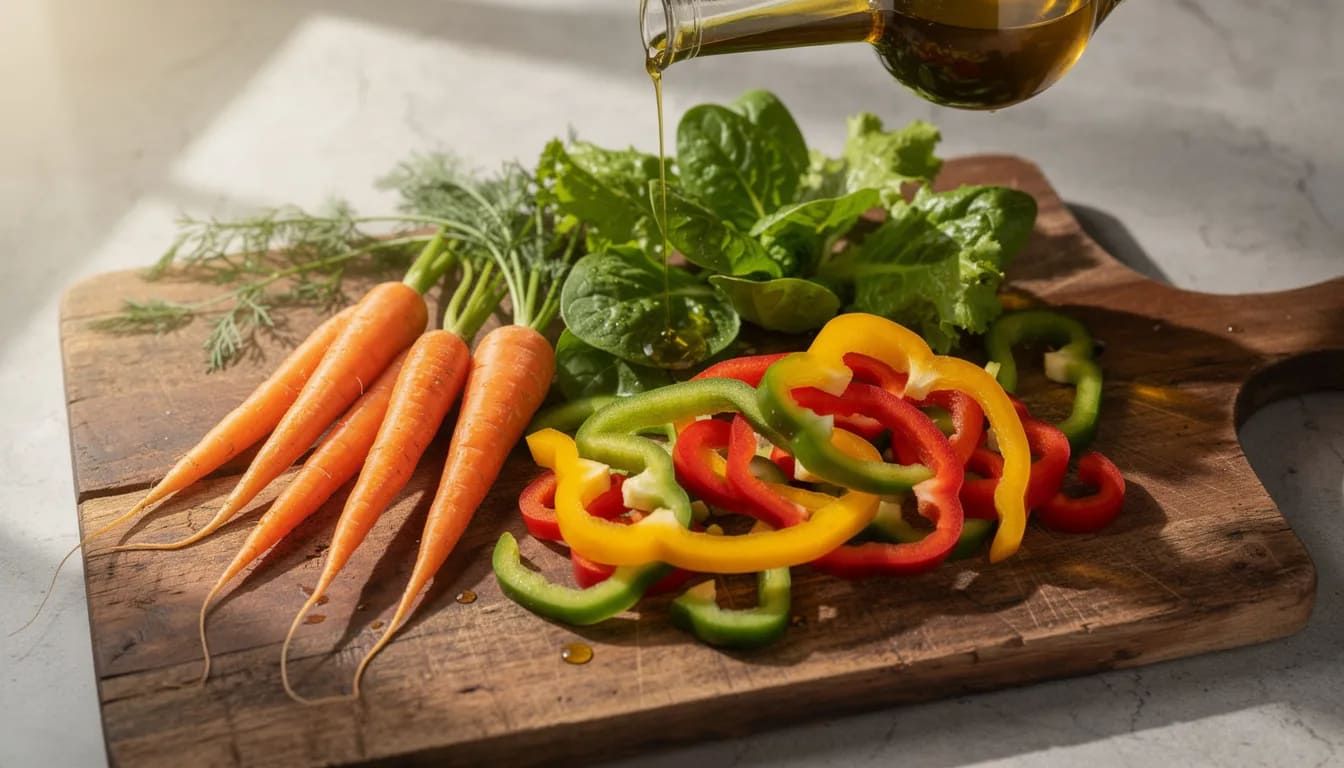
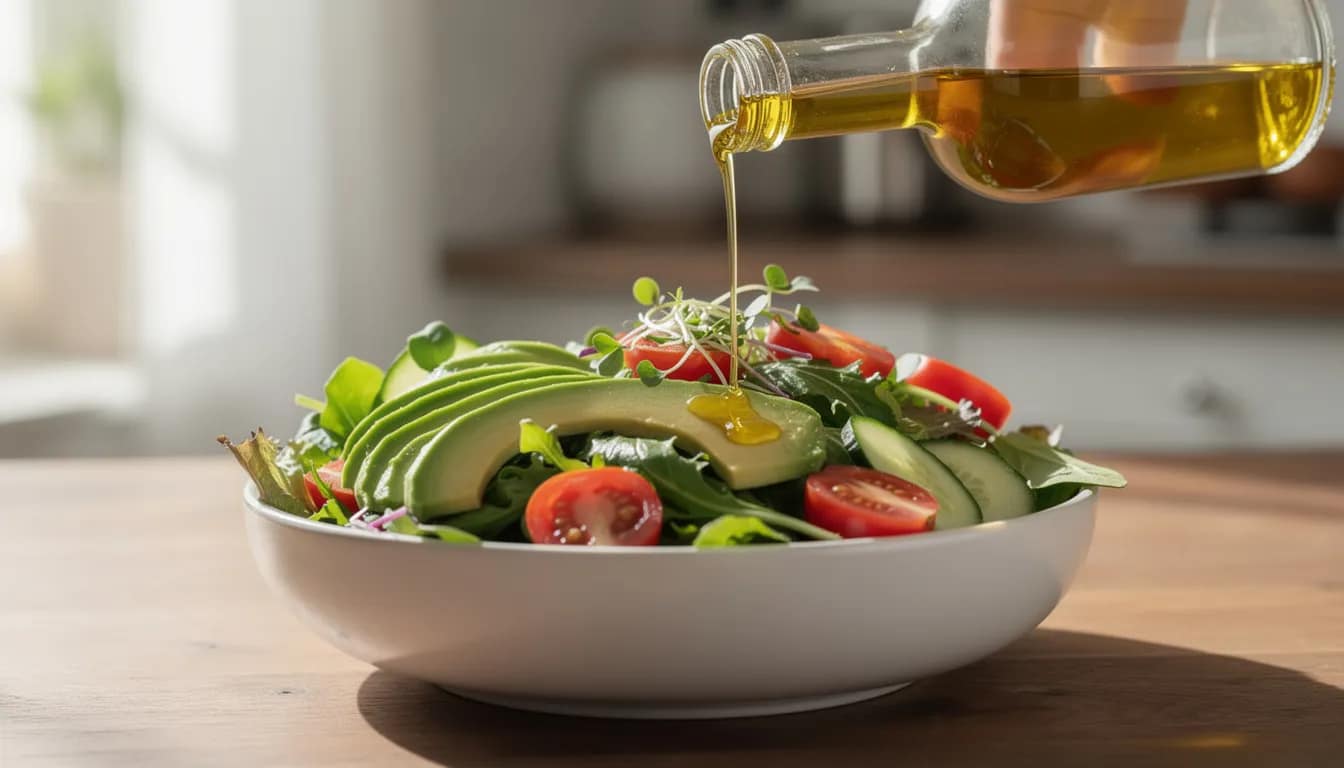
- Add healthy fats to vegetables — drizzle olive oil on salads or roast veggies with avocado oil to absorb fat soluble vitamins
- Pair iron-rich plant foods with vitamin C — squeeze lemon on spinach or add bell peppers to bean dishes
- Stay hydrated throughout the day — water helps dissolve nutrients and keeps things moving
- Don’t always peel your produce — skins contain concentrated fiber and micronutrients
- Soak or sprout grains and legumes — reduces compounds that block mineral absorption
- Choose steaming over boiling — preserves water-soluble vitamins that would otherwise leach into cooking water
Most people who consistently apply these habits notice improvements within 2-4 weeks: more stable energy levels, fewer bloating episodes, and better overall digestion. Your body is remarkably good at telling you when it’s finally getting what it needs.
How Digestion and Nutrient Absorption Work
To improve something, it helps to understand how it actually works. Your digestive tract is essentially a 30-foot processing plant that transforms a sandwich into cellular fuel. But digestion and absorption are two different things—and confusing them is where many people go wrong.
Digestion is the breakdown process: mechanically (chewing, churning) and chemically (enzymes, stomach acid) reducing food into smaller molecules. Absorption is what happens after—those broken-down nutrients crossing from the intestinal lumen into your blood vessels or lymphatic system, then traveling to cells throughout your body. These absorbed nutrients are essential for cellular repair, maintenance, and overall health.
Here’s the journey your food takes:
- Mouth: Chewing breaks food into smaller particles while saliva introduces digestive enzymes (like amylase) that start breaking down carbohydrates and some fats. This is step one, and rushing through it compromises everything downstream.
- Stomach: Gastric acid (hydrochloric acid) and pepsin break down proteins into smaller polypeptides. The acidic environment also helps solubilize minerals like iron, calcium, and magnesium—making them available for absorption later. This churning creates a semi-liquid mixture called chyme.
- Small intestine: This is where the magic happens. The inner surface is covered with tiny finger-like projections called villi and even tinier microvilli, creating a surface area roughly the size of a tennis court. Here, pancreatic enzymes complete the breakdown of carbohydrates, proteins, and fats. Amino acids, fatty acids, vitamins and minerals, and simple sugars cross into the bloodstream or lymphatic system through various transport mechanisms. Animal products such as eggs, dairy, fish, meat, and poultry are important sources of fat-soluble vitamins and heme iron, which are efficiently absorbed in the small intestine.
- Large intestine: By the time food reaches here, most essential nutrients have already been absorbed. The large intestine’s main job is reclaiming water and electrolytes, plus hosting the gut microbiota that produces short chain fatty acids and synthesizes certain vitamins like vitamin K.
- Bile’s role: Your liver produces bile, stored in the gallbladder and released through bile ducts into the small intestine. Bile acids emulsify dietary fats into tiny droplets (micelles), dramatically increasing the surface area for fat-digesting enzymes. Without adequate bile, fat malabsorption occurs, taking vitamins A D E and K down with it.
The key takeaway? If any step in this chain is compromised—poor chewing, low stomach acid, damaged intestinal lining, insufficient bile—your ability to absorb nutrients suffers regardless of how healthy your diet looks on paper.
Factors Affecting Nutrient Absorption
Nutrient absorption isn’t just about what you put on your plate—it’s about how well your body can break down and actually use those nutrients. Think of your digestive system as a high-tech processing plant, where every step needs to run smoothly for you to get the full benefit from your food.
First up: digestive enzymes. These specialized proteins, produced by your mouth, stomach, pancreas, and small intestine, are responsible for breaking down carbohydrates, proteins, and fats into their smallest, most absorbable forms. Without enough digestive enzymes, even the healthiest foods can pass through your system without delivering their full nutritional punch.
Stomach acid is another unsung hero. It not only helps unravel proteins but also makes minerals like iron and calcium more available for absorption. If your stomach acid is too low (a common issue as we age or with certain medications), you might not absorb essential nutrients as efficiently.
Your gut health also plays a starring role. Beneficial bacteria in your digestive tract help break down plant foods, produce short chain fatty acids, and even synthesize certain vitamins. A healthy gut microbiota supports a strong intestinal barrier, making it easier for nutrients to cross into your bloodstream.
Diet and Lifestyle Tips to Maximize Nutrient Absorption
Here’s where things get practical. Small, daily habit changes can significantly enhance how many nutrients you actually extract from your meals. We’re not talking about radical interventions—just strategic adjustments that work with your body’s natural processes.
Proper nutrient absorption supports virtually everything your body does: energy production, immune cells fighting off infections, muscle repair after exercise, hormone balance, and long-term protection against chronic diseases. When absorption is optimized, you may notice fewer afternoon energy crashes, faster recovery from workouts, better skin and hair, and reduced immunity issues.
The strategies that follow fall into several categories:
- Combining foods wisely to enhance (or avoid hindering) nutrient uptake
- Optimizing cooking and preparation methods
- Protecting and supporting gut health
- Addressing hydration and lifestyle factors
One important note: these tips are evidence-informed but not a substitute for medical evaluation. If you’re experiencing persistent symptoms like chronic diarrhea, unintentional weight loss, or ongoing gastrointestinal distress, please see a healthcare provider before assuming diet tweaks will solve the problem.
Let’s break down each strategy.
Add Healthy Fats to Vegetables
Fat isn’t the enemy—it’s the vehicle. Vitamins A, D, E, and K are fat soluble, meaning they literally cannot be absorbed without dietary fat present in your meal. Eating a beautiful spinach salad with fat-free dressing? You’re leaving much of the vitamin K and beta-carotene sitting in your digestive tract, unabsorbed.
Here’s how to make fat work for you:
- Vegetables to pair with fat: Carrots, sweet potatoes, kale, spinach, broccoli, tomatoes, and any orange or dark green vegetables are rich in fat-soluble vitamins and carotenoids
- Healthy fat sources: Olive oil, avocado, nuts (almonds, walnuts), seeds (sunflower, pumpkin), eggs, and oily fish like salmon
Animal products such as eggs, dairy, fish, meat, and poultry are rich sources of fat-soluble vitamins and heme iron, which are efficiently absorbed by the body.
- Practical pairings:
- Roasted carrots and sweet potatoes tossed in olive oil before baking
- Spinach salad topped with avocado slices and sunflower seeds
- Steamed broccoli drizzled with extra-virgin olive oil and a squeeze of lemon
- Sautéed leafy greens in a bit of butter or coconut oil
Supplement timing tip: If you take fat-soluble vitamin supplements (A, D, E, or K), take them with a meal containing at least 5-10 grams of healthy fat rather than on an empty stomach. That morning vitamin D capsule with just coffee? It’s not being absorbed optimally.
Combine Prebiotics and Probiotics to Support Gut Health
Your gut microbiota isn’t just along for the ride—it’s actively involved in making nutrients available to you. Beneficial bacteria ferment fiber into short chain fatty acids (especially butyrate) that nourish your intestinal lining and support the intestinal barrier. A healthy gut means better absorption of virtually everything.
Probiotics are live good bacteria found in fermented foods:
- Yogurt with live active cultures
- Kefir
- Kimchi
- Sauerkraut (refrigerated, not shelf-stable)
- Miso
- Tempeh
Prebiotics are the fibers that feed these beneficial bacteria:
- Oats
- Bananas (especially slightly green ones)
- Onions and garlic
- Leeks and asparagus
- Jerusalem artichokes
Synergistic combinations to try:
- Plain yogurt with sliced banana and oats for breakfast
- Miso soup with leeks as a light lunch
- Kimchi served alongside brown rice and stir-fried vegetables
- Kefir smoothie with a small amount of raw honey
Consistency matters more than quantity. Eating fermented foods most days of the week for at least 3-4 weeks will do more for your gut health than occasionally consuming large amounts. Think steady drip, not fire hose.
Chew Thoroughly and Eat More Mindfully
This one sounds almost too simple to matter. It’s not. Thorough chewing is the single most underrated factor in digestion, and most people swallow their food practically whole.
When you chew properly, you’re doing three things: mechanically breaking food into smaller particles (more surface area for enzymes), mixing food with saliva containing digestive enzymes like amylase, and signaling your stomach and pancreas to prepare their own necessary enzymes and acid.
Practical chewing guidance:
- Put your utensils down between bites—this simple act naturally slows you down
- Aim for 10-15 chews for softer foods, 20-30 for denser foods like meat or raw vegetables
- Food should be liquefied or paste-like before you swallow
- If you can still identify what you’re eating by texture, you haven’t chewed enough
Mindful eating habits:
- Minimize distractions during meals—TV, phones, and laptops pull attention away from eating
- Take at least 15-20 minutes to finish a main meal
- Notice when you start feeling satisfied, not stuffed
- Eat sitting down at an actual table when possible
Your digestive system evolved to work with food that was thoroughly processed by teeth before it hit the stomach. Modern eating habits—rushing through meals, eating while distracted—bypass this critical first step.
Keep the Peel When Safe
Here’s a dirty little secret: the parts of produce most people throw away often contain the highest concentration of nutrients. Peeling your apples, potatoes, and cucumbers means discarding significant amounts of fiber, vitamins, and antioxidants.
Specific examples:
- Potato skins: Contain most of the potato’s fiber and a significant portion of its iron, vitamin C, and potassium
- Apple skins: Provide the majority of the fruit’s fiber and contain quercetin, a powerful antioxidant
- Cucumber skins: Rich in vitamin K and contain more fiber than the watery flesh
- Carrot peels: Contain concentrated beta-carotene
Produce to eat with skins intact (when properly washed):
- Potatoes and sweet potatoes
- Apples, pears, and peaches
- Cucumbers and zucchini
- Carrots
- Eggplants
Safety considerations:
- Wash all produce thoroughly under running water, using a vegetable brush for items like potatoes and carrots
- Consider buying organic for high-skin-intake items if budget allows
- Peel imported waxed fruits or items with visible residue
- People with certain digestive conditions or food intolerance issues may need to limit tough peels that are difficult to break down
Stay Properly Hydrated
Water is the unsung hero of digestion. It dissolves nutrients, supports enzyme function, helps form the mucus layer protecting your intestinal lining, and keeps food moving smoothly through your gastrointestinal tract. Dehydration leads to constipation, sluggish digestion, and reduced nutrient extraction.
Hydration guidelines:
- Aim for approximately 2-3 liters of fluid daily from beverages and water-rich foods (adjust based on climate, activity level, and body size)
- Drink water regularly throughout the day rather than chugging large amounts at once
- Have small sips before and during meals—this aids digestion without diluting stomach acid significantly
- Include water-rich foods like cucumbers, watermelon, oranges, and soups
Signs of adequate hydration:
- Pale yellow urine (not dark or completely clear)
- Regular bowel movements without straining
- Moist lips and mouth
Note: People with heart conditions, kidney disease, or liver diseases should follow their clinician’s specific fluid recommendations, which may differ from general guidelines.
Choose Cooking Methods That Preserve Nutrients
Heat, water, and time are the three enemies of certain nutrients. Water-soluble vitamins—especially vitamin C and B vitamins—are particularly vulnerable to cooking losses. The method you choose can mean the difference between a nutrient-dense meal and expensive colored water.
Why cooking method matters:
- Water-soluble vitamins leach into cooking water during boiling
- High heat degrades vitamin C and some B vitamins
- Prolonged cooking time increases all types of nutrient loss
- Some nutrients (like lycopene in tomatoes) actually become MORE available with cooking
Best methods for nutrient preservation:
Method | Best For | Why It Works |
|---|---|---|
Steaming | Broccoli, green beans, carrots, spinach | Minimal water contact, shorter cooking time |
Gentle stir-frying | Mixed vegetables, leafy greens | Quick cooking, fat aids absorption of fat-soluble nutrients |
Roasting | Root vegetables, cruciferous vegetables | No water leaching, caramelization adds flavor |
Microwaving | Most vegetables | Short cooking time, minimal water needed |
If you must boil:
- Use as little water as possible
- Cut vegetables into larger chunks (less surface area exposed)
- Keep the lid on to reduce cooking time
- Save the cooking liquid for soups, stews, or sauces—those leached nutrients aren’t gone, just relocated
Use Soaking and Sprouting to Reduce Anti-Nutrients
Plant foods are incredible sources of vitamins and minerals, but they come with a catch: anti-nutrients. Phytic acid (phytate), found in grains, beans, nuts, and seeds, binds to minerals like iron, zinc, magnesium, and calcium, forming insoluble complexite that your body cannot absorb.
This doesn’t mean you should avoid these foods—they’re nutritional powerhouses. It means you can use traditional preparation methods to reduce phytic acid and unlock more of their mineral content.
Soaking techniques:
- Dried beans and lentils: Soak in warm water for 8-12 hours, discard the soaking water, rinse thoroughly, then cook. This can reduce phytic acid by 50% or more.
- Nuts (almonds, walnuts, cashews): Soak for 4-8 hours, then dry at low heat in the oven or dehydrator. These “activated” nuts are gentler on digestion.
- Grains (rice, oats): Soak overnight in water with a splash of acidic medium (lemon juice or apple cider vinegar), rinse, then cook.
Sprouting options:
- Sprouted lentils and mung beans are easy to make at home or buy pre-sprouted
- Sprouted grain breads (like Ezekiel bread) use grains that have been germinated, reducing anti-nutrients
- Sprouting also increases certain B vitamins and makes protein absorption more efficient
These aren’t complicated processes—our ancestors did them for thousands of years without even knowing why they worked. Now we know: it’s all about freeing up the minerals.
Combine Foods Carefully for Better (or Worse) Absorption
Food combinations can either supercharge nutrient uptake or sabotage it. Understanding a few key interactions helps you make strategic choices without overcomplicating every meal.
Synergistic combinations (nutrients that help each other):
- Vitamin C + non-heme iron: Ascorbic acid (vitamin C) converts plant iron from a poorly absorbed form (Fe³⁺) to a readily absorbed form (Fe²⁺). This is especially important for vegetarians relying on plant foods for iron.
- Add bell peppers or tomatoes to bean dishes
- Squeeze lemon over lentil soup
- Serve iron-fortified cereal with a small glass of orange juice or citrus fruits alongside
- Include strawberries with spinach in a salad
- Fat + fat-soluble vitamins: As discussed earlier, vitamins A D E and K require fat for absorption
- Vitamin D + calcium: Vitamin D upregulates calcium transport proteins in the intestine, making calcium absorption significantly more efficient
Competitive combinations (nutrients that interfere with each other):
- Calcium + iron/zinc/magnesium: Large amounts of dairy products consumed with iron-rich foods can significantly reduce iron absorption. The effect is dose-dependent—a splash of milk in coffee is fine, but a large glass of milk with an iron-rich meal isn’t ideal.
- Tannins + iron: Coffee and tea (especially black tea) contain compounds that bind iron. Avoid drinking these with iron-rich meals if you’re concerned about iron status.
Practical advice: Space calcium-rich foods and iron-rich meals by a couple of hours when possible. This is particularly relevant for people at higher risk of iron deficiency—menstruating women, vegetarians, people with certain foods sensitivities, and anyone whose doctor has noted low iron levels.
Don’t Discount Frozen Produce
Fresh isn’t always best. This might be the most counterintuitive tip here, but it’s backed by solid science.
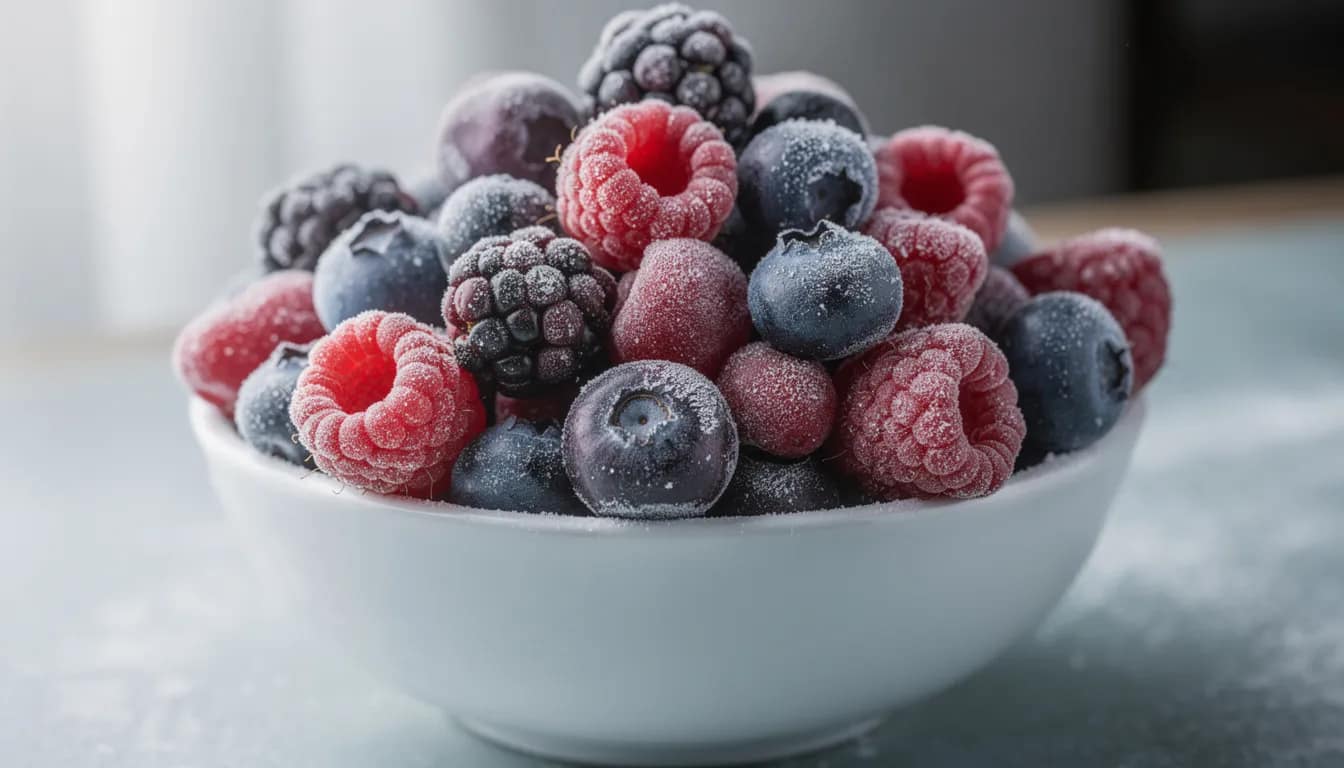
Frozen fruits and vegetables are typically harvested at peak ripeness—when nutrient content is highest—and flash-frozen within hours. This rapid freezing locks in vitamin C, B vitamins, and antioxidants. Compare this to “fresh” produce that may be:
- Harvested early (before peak ripeness) to survive shipping
- Transported for days or weeks
- Sitting under grocery store lights, degrading light-sensitive nutrients
- Stored in your fridge for another week before you eat it
Frozen produce winners:
- Berries: Frozen blueberries, strawberries, and raspberries retain antioxidants beautifully and are perfect for smoothies
- Spinach: Frozen spinach is often more nutrient-dense than wilted “fresh” spinach that’s been sitting around
- Peas: Flash-frozen immediately after harvest, maintaining sweetness and nutrients
- Mixed vegetables: Budget-friendly, always available, no prep work
Smart shopping tips:
- Choose plain frozen produce without added sauces, sugar, or salt
- Check ingredient lists—it should just be the vegetable/fruit
- Cook frozen vegetables lightly (steam or quick sauté) rather than boiling to mush
- Use frozen berries in smoothies, oatmeal, or thawed over yogurt
This is good news for your wallet and your nutritional status. Stock that freezer.
Common Nutrient Deficiencies
Even with the best intentions, nutrient deficiencies can sneak up on anyone. There are plenty of reasons why your body might not be getting—or absorbing—all the essential nutrients it needs. Sometimes it’s about what you eat, but often it’s about how your body processes those foods.
When Poor Nutrient Absorption May Be a Medical Issue
Everything we’ve discussed so far addresses lifestyle and dietary factors that affect nutrient absorption in otherwise healthy people. But sometimes, despite doing everything right, absorption remains impaired. This is when general malabsorption becomes a medical concern requiring clinical evaluation.
Malabsorption refers to a reduced ability of the intestines to absorb nutrients despite adequate dietary intake. It can affect all nutrients broadly or specific ones selectively—for example, isolated B12 malabsorption, fat malabsorption, or carbohydrate malabsorption like lactose intolerance.
Symptoms that warrant medical review:
- Persistent diarrhea lasting more than 2-3 weeks
- Pale, greasy, or floating stools (steatorrhea—a sign of unabsorbed fat)
- Unintentional weight loss without changes to diet or exercise
- Chronic fatigue that doesn’t improve with rest
- Hair loss or brittle nails
- Easy bruising (possible vitamin K deficiency)
- Recurrent infections or reduced immunity
- Abdominal pain, bloating, or cramping after meals
- Muscle wasting or weakness
Common underlying conditions:
- Celiac disease: An autoimmune reaction to gluten that damages intestinal villi, causing broad malabsorption. Strict gluten avoidance allows healing.
- Inflammatory bowel disease: Crohn’s disease and ulcerative colitis cause inflammation that impairs absorption, particularly in affected intestinal segments
- Chronic pancreatitis: Reduces production of necessary enzymes for digesting fats, proteins, and carbohydrates
- Lactose intolerance: Insufficient lactase enzyme prevents proper digestion of dairy products, causing symptoms but typically not serious nutritional deficiency
- SIBO (small intestinal bacterial overgrowth): Bacteria compete for nutrients and damage the mucosal lining
- Post-surgical states: Bariatric surgery and intestinal resections physically reduce absorptive surface area
Diagnostic approaches: To diagnose malabsorption, doctors may use blood tests (checking for anemia, vitamin levels, inflammatory markers), stool tests (measuring fat content, checking for pathogens), breath tests (for lactose intolerance or SIBO), and imaging or endoscopy to visualize the digestive tract.
If you recognize yourself in these symptoms, lifestyle adjustments alone won’t be enough. Get evaluated.
How to Work With Professionals to Improve Absorption
If you’ve tried the strategies above and still experience digestive issues, or if you have symptoms suggesting malabsorption, working with healthcare professionals can help identify and address the root cause. This isn’t about being “sick enough” to need help—it’s about getting personalized guidance when general advice isn’t cutting it.
What a healthcare provider can offer:
- Identification of underlying conditions through appropriate testing
- Review of current medications that may affect stomach acid, gut motility, or nutrient status (PPIs, metformin, and certain antibiotics are common culprits)
- Referral to specialists (gastroenterologists) when needed
- Prescription treatments when conditions like celiac disease, IBD, or pancreatic insufficiency are diagnosed
What a registered dietitian or nutritionist can offer:
- Meal planning that optimizes food combinations for your specific needs
- Guidance on spacing supplements and medications to avoid interactions
- Adjustments to fiber, fat, and other nutrients based on your digestive tolerance
- Support for elimination diets if food intolerance is suspected
Potential treatment approaches:
- Medical therapy for diagnosed conditions (gluten-free diet for celiac disease, enzyme replacement for pancreatic insufficiency)
- Targeted dietary supplements—iron, B12, vitamin D, calcium—based on documented deficiencies
- Stepwise dietary changes to identify trigger foods and relieve symptoms
- Probiotics or antibiotics for dysbiosis or SIBO
Pro tip: Keep a simple food and symptom diary for 1-2 weeks before your appointment. Note what you eat, when you eat it, and any symptoms that follow (bloating, pain, bowel changes, energy levels). This gives clinicians concrete data to work with rather than vague reports that are harder to interpret.
Wrapping Up: Turning Meals Into Absorbable Nutrition
Here’s the bottom line: you’re not just what you eat—you’re what you actually absorb.
The most pristine healthy diet in the world means nothing if your body can’t extract and use the nutrients. The good news? You now have concrete strategies to shift the odds in your favor. Chew thoroughly. Add healthy fats to your vegetables. Support your gut microbiota with fermented foods and prebiotic fibers. Stay hydrated. Choose cooking methods that preserve nutrients. Combine certain foods strategically while spacing others.
You don’t need to implement everything at once. Pick one or two changes to start with this week—maybe drizzling olive oil on your roasted vegetables, or adding bell peppers to your next bean dish. Build from there. Small, consistent changes compound over time.
Even without radical dietary overhauls, optimizing how you absorb nutrients can enhance your energy, strengthen your immune system, support bone health, and protect your overall health over months and years. It’s one of those rare cases where small effort yields outsized returns.
And if digestive symptoms persist despite your best efforts? That’s not failure—it’s information. See a professional, get evaluated, and find out what’s actually going on. Your body is trying to tell you something.
Now go eat something nutritious. And for the love of your intestines, chew it properly.