

Over 16% of adults worldwide struggle with chronic constipation, a condition often rooted in impaired gut motility. Your digestive system orchestrates an incredible feat every day—moving food through over 25 feet of gastrointestinal tract via coordinated muscle contractions. When this complex process slows down, the results can be uncomfortable, painful, and significantly impact your quality of life.
Constipation-predominant IBS is a common subtype of irritable bowel syndrome, characterized by slow gut motility and unique microbiota features, including altered fermentation profiles and increased methane production.
Gut motility refers to the coordinated muscular activity that propels and mixes contents throughout the gastrointestinal tract, from esophagus to rectum. This isn’t simply about speed—it’s a highly organized sequence of motor patterns that vary by region and digestive state. When functioning optimally, your digestive system maintains healthy motility through intricate interactions between the enteric nervous system, gut microbiota, hormones, and lifestyle factors. Understanding risk factors for impaired gut motility is important for prevention and effective management.
The good news? Research reveals multiple evidence-based strategies to improve gut motility naturally. From specific dietary modifications to targeted exercise routines, this comprehensive guide provides actionable solutions backed by scientific evidence. Whether you’re dealing with irritable bowel syndrome, functional constipation, or simply want to optimize your digestive health, these proven strategies can help restore healthy bowel movements and enhance overall gut function.
Quick Start Guide: 5 Immediate Ways to Boost Gut Motility Today

Sometimes you need relief fast. These five evidence-based strategies can help stimulate your digestive tract within hours to days:
Take a 20-minute walk after each meal to stimulate intestinal contractions. Physical movement activates the parasympathetic nervous system and promotes gastrointestinal transit through mechanical stimulation. Research shows post-meal walking increases gastrocolic reflexes and can reduce whole gut transit time by up to 12 hours.
Drink 16-20 ounces of warm water upon waking to trigger the gastrocolic reflex. This morning routine stimulates motility-enhancing hormones and helps initiate the natural urge to have bowel movements. The warmth enhances the effect by promoting blood flow to internal organs.
Eat 2-3 prunes or 1 kiwifruit daily for natural motility-enhancing compounds. Prunes contain 6g fiber and 14.7g sorbitol per 100g serving, creating osmotic effects that increase fecal weight. Kiwifruit increases small bowel water content and contains unique enzymes that support digestion.
Practice deep breathing for 5 minutes before meals to activate the autonomic nervous system’s “rest and digest” mode. This simple technique switches your body from sympathetic stress response to parasympathetic activation, optimizing conditions for healthy gastrointestinal motility.
Add 1 tablespoon of ground flaxseed to breakfast for an immediate fiber boost. Flaxseed provides both soluble and insoluble fiber, plus beneficial omega-3 fatty acids that support digestive health. Start gradually to prevent digestive upset.
Understanding Gut Motility: What Moves Your Digestive System
To effectively improve gut motility, it’s essential to understand how your digestive tract actually works. Gastrointestinal motility is far more complex than food simply “moving through” your system.
Peristalsis: Your Digestive Highway
Peristalsis consists of coordinated muscle contractions that push food through the digestive tract in wave-like motions. The muscular wall of the alimentary canal contains two main layers: an inner circular layer and an outer longitudinal layer. These smooth muscles work as a synchronized unit, with electrical impulses spreading across large regions to produce coordinated contractions.
At the cellular level, muscle contractions depend on calcium-dependent mechanisms. When calcium enters muscle cells, it activates enzymes that allow actin-myosin crossbridge cycling, creating the actual muscle contraction that propels food forward.
The Enteric Nervous System: Your “Second Brain”
The enteric nervous system contains over 500 million neurons—more than in the spinal cord. This complex network embedded in your gut wall serves as the primary regulator of gut motility, operating independently of your brain while maintaining constant communication through the gut brain axis.
The ENS integrates sensory input from stretch receptors and chemical sensors, then orchestrates appropriate motor responses. It can detect the volume, consistency, and chemical composition of intestinal contents, adjusting motility patterns accordingly. Gut motility is regulated by multiple control mechanisms, including neural systems like the enteric, central, and autonomic nervous systems, as well as hormonal pathways and feedback loops that coordinate digestive function.
Understanding Transit Times
Normal whole gut transit time ranges from 30-40 hours in healthy adults, with significant individual variation. In research studies, these values are often established using healthy controls as a baseline for comparison. Here’s how it breaks down:
- Stomach: 1-4 hours depending on meal composition
- Small intestine: 2-6 hours for most nutrients
- Colon: 12-48 hours for final processing, with the distal colon playing a key role in the final processing of stool; motility in this region affects stool consistency and characteristics.
Slow transit constipation occurs when whole gut transit time exceeds 70+ hours, often indicating dysfunction in the autonomic nervous system or intestinal muscle contractions.
Migrating Motor Complexes: Nature’s Cleaning Crew
Between meals, your digestive system employs migrating motor complexes (MMCs)—powerful contractions that sweep residual food particles and bacteria from the stomach through the small intestine. These “housekeeping waves” occur every 90-120 minutes during fasting periods and are crucial for preventing bacterial overgrowth.
Disrupted MMC patterns contribute to motility disorders and small intestinal bacterial overgrowth, highlighting why regular eating schedules and adequate fasting periods support healthy motility.
GI Motility Disorders and Their Impact
Gastrointestinal (GI) motility disorders are conditions that disrupt the normal movement of food, fluids, and gases through your digestive system. When gut motility is impaired, the coordinated muscle contractions that propel contents through the GI tract become irregular or sluggish, leading to a range of uncomfortable and sometimes debilitating symptoms. These can include difficulty swallowing, persistent nausea, vomiting, abdominal pain, bloating, and noticeable changes in bowel movements such as constipation or diarrhea.
One of the most common motility disorders is irritable bowel syndrome (IBS), which affects millions of people worldwide. IBS is characterized by recurring abdominal pain, bloating, and unpredictable bowel habits—ranging from constipation to diarrhea or a mix of both. Chronic constipation, another prevalent motility disorder, often results from slow transit through the colon and can significantly impact daily life, causing discomfort and frustration.
The causes of GI motility disorders are varied. Impaired gut motility can stem from dysfunction in the enteric or autonomic nervous system, which controls the digestive tract’s muscle contractions. Pelvic floor dysfunction is another contributing factor, especially in cases where the muscles involved in bowel movements do not coordinate properly. These disorders can also be influenced by stress, hormonal changes, and even certain medications.
Recognizing the symptoms and underlying causes of GI motility disorders is crucial for effective management. If you experience persistent abdominal pain, irregular bowel movements, or symptoms that interfere with your quality of life, it’s important to seek professional evaluation. Early intervention can help restore healthy gut motility and prevent complications associated with chronic constipation, IBS, and other motility disorders.
Dietary Strategies to Enhance Gut Movement
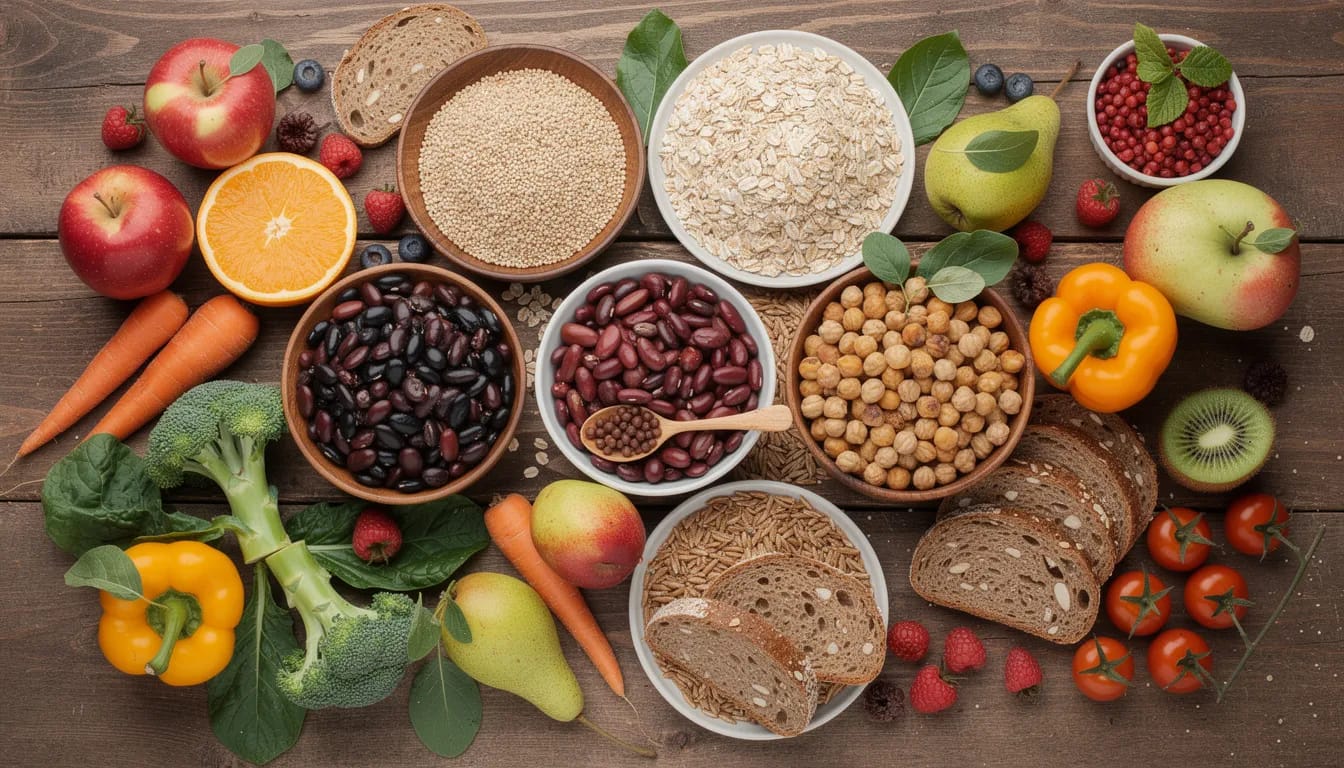
Dietary modifications are a key part of constipation treatment according to clinical guidelines, with increased fiber intake and specific food choices often recommended to improve gut motility.
Your diet profoundly impacts gut motility through multiple mechanisms: providing bulk for mechanical stimulation, feeding beneficial gut bacteria, and supplying compounds that directly stimulate intestinal contractions. Vitamin C, an essential micronutrient, also supports digestive health and may positively influence bowel function.
High-Fiber Foods That Stimulate Motility
Dietary fiber serves as the foundation for healthy gut motility, but not all fiber works the same way. Understanding the differences helps optimize your approach.
Soluble Fiber: The Gel Former Soluble fiber absorbs water and forms gel-like substances that soften stool and slow nutrient absorption. Top sources include:
- Oats: 4g per cup, containing beta-glucan that feeds beneficial bacteria
- Apples with skin: 4.4g per medium fruit, plus pectin for stool consistency
- Beans and lentils: 6-8g per half-cup serving
- Chia seeds: 10g per ounce, expanding to create bulk
Insoluble Fiber: The Bulk Provider Insoluble fiber adds bulk to stool and speeds transit through the colon by stimulating stretch receptors that trigger peristaltic contractions:
- Whole wheat bran: 12g per half-cup
- Leafy greens: 2-4g per cup of spinach, kale, or arugula
- Nuts and seeds: 3-4g per ounce
- Vegetables with skins: Potatoes, cucumbers, tomatoes
Optimal Fiber Intake Strategy Research supports gradually increasing fiber intake to 25-35g daily for women and men respectively. Sudden increases can cause bloating and gas, so add 5g per week until reaching your target.
Food Source | Serving Size | Fiber Content | Motility Benefit |
|---|---|---|---|
Prunes | 3 medium | 3g | Sorbitol + fiber combo |
Raspberries | 1 cup | 8g | High insoluble fiber |
Artichoke | 1 medium | 10g | Prebiotic inulin |
Split peas | 1/2 cup cooked | 8g | Resistant starch |
Pear with skin | 1 medium | 6g | Pectin + insoluble |
Avocado | 1/2 medium | 7g | Healthy fats + fiber |
Quinoa | 1 cup cooked | 5g | Complete protein + fiber |
Motility-Boosting Fruits and Natural Compounds
Beyond basic fiber content, certain fruits contain unique compounds that specifically enhance gastrointestinal motility through biochemical mechanisms. Increasing intake of these fruits can also alter the relative abundance of beneficial gut bacteria, which may contribute to improved motility.
Prunes: The Gold Standard Prunes contain the perfect combination of fiber, sorbitol, and phenolic compounds. Clinical studies show that consuming 50g daily (about 6 prunes) increases fecal weight and decreases gut transit time more effectively than psyllium fiber alone. The 14.7g sorbitol per 100g creates osmotic effects, drawing water into the intestines.
Kiwifruit: Nature’s Digestive Aid Two kiwifruits daily have been shown to increase bowel movement frequency and reduce whole gut transit time in people with chronic constipation. Kiwis contain actinidin, a unique enzyme that enhances protein digestion and stimulates motility throughout the digestive tract.
Raisins: Concentrated Transit Support Research demonstrates that 50g raisins daily for 4 weeks decreased gut transit time by an average of 12 hours compared to placebo. Raisins provide concentrated fiber, potassium, and natural sugars that support healthy muscle contractions.
Stone Fruits for Osmotic Effect Fruits high in sorbitol create gentle osmotic laxative effects:
- Apples: 0.5g sorbitol per 100g
- Pears: 2.1g sorbitol per 100g
- Peaches: 0.9g sorbitol per 100g
- Apricots: 0.8g sorbitol per 100g
Start with small portions as sorbitol can cause digestive upset in sensitive individuals.
Hydration and Electrolyte Balance
Proper hydration forms the foundation for healthy stool consistency and smooth intestinal transit. Dehydration leads to harder stools that are difficult to pass, while optimal fluid intake keeps intestinal contents moving efficiently.
Optimal Hydration Protocol
- Morning: 16-20 ounces warm water upon waking
- Daily baseline: 8-10 glasses (64-80 ounces)
- Exercise addition: Extra 16 ounces per hour of physical activity
- Meal timing: Room temperature water with meals, avoiding large amounts that might dilute digestive enzymes
Magnesium: The Motility Mineral Magnesium acts as a natural osmotic laxative by drawing water into the intestines and relaxing smooth muscles. Research supports 200-400mg daily, preferably from magnesium oxide for laxative effects or magnesium glycinate for better absorption with less digestive upset.
Electrolyte Balance for Muscle Function Proper intestinal contractions require balanced electrolytes:
- Potassium: 3,500mg daily from bananas, potatoes, leafy greens
- Sodium: Moderate intake to maintain fluid balance
- Calcium: Works with magnesium for proper muscle contraction
Timing matters—warm liquids in the morning stimulate the gastrocolic reflex more effectively than cold beverages.
Exercise and Physical Activity for Better Gut Movement

Physical activity provides one of the most effective non-pharmaceutical approaches to improve gut motility. Exercise enhances gastrointestinal transit through multiple mechanisms: increased blood flow to digestive organs, mechanical stimulation of intestinal contents, and activation of the parasympathetic nervous system.
Cardiovascular Exercise for Systemic Benefits Research consistently shows that regular moderate exercise reduces constipation symptoms and decreases whole gut transit time. The optimal prescription includes:
- 150 minutes moderate-intensity exercise weekly (brisk walking, swimming, cycling)
- Daily 20-minute post-meal walks to stimulate the gastrocolic reflex
- Consistency over intensity—regular moderate activity beats sporadic intense workouts
Studies demonstrate that sedentary individuals who begin walking 30 minutes daily experience improvements in stool frequency within 2-4 weeks.
Targeted Exercises for Digestive Stimulation Specific movements provide direct mechanical stimulation to the digestive tract:
Yoga Poses for Motility:
- Child’s Pose: Gentle compression of abdominal organs
- Wind-Relieving Pose: Brings knees to chest to massage intestines
- Seated Spinal Twist: Wrings out digestive organs
- Cat-Cow Stretch: Mobilizes the spine and massages abdominal contents
Core Strengthening: Strong abdominal muscles support proper defecation mechanics. Include planks, modified crunches, and pelvic tilts in your routine.
Pelvic Floor Exercises for Evacuation Pelvic floor dysfunction contributes to constipation in up to 50% of people with chronic symptoms. Strengthening these muscles improves coordination:
- Kegel exercises: Contract pelvic floor muscles for 5 seconds, relax for 5 seconds
- Frequency: 10 repetitions, 3 times daily
- Progressive training: Gradually increase hold time to 10 seconds
Abdominal Massage Technique Daily abdominal massage following the path of the colon can mechanically stimulate motility:
- Start at right lower abdomen (ascending colon)
- Move up to below right ribs
- Cross to left side (transverse colon)
- Move down left side (descending colon)
- Use firm, circular motions for 5-10 minutes daily
This technique mimics the natural direction of colonic contractions and can reduce transit time when practiced consistently.
Stress Management and Sleep Optimization
The gut brain axis creates a bidirectional communication highway between your digestive system and central nervous system. Chronic stress and poor sleep significantly impact gut motility through hormonal and neural pathways.
Understanding Stress-Motility Connections Chronic stress activates the sympathetic nervous system, which inhibits digestive function while promoting the “fight or flight” response. Stress hormones like cortisol slow gastric emptying and reduce intestinal contractions, contributing to decreased gut transit time and constipation symptoms.
Conversely, acute anxiety may accelerate motility in some people, leading to diarrhea-predominant symptoms. This explains why many individuals with irritable bowel syndrome ibs experience alternating constipation and diarrhea patterns related to stress levels.
Evidence-Based Stress Reduction Techniques Research demonstrates that specific stress management practices can normalize gastrointestinal motility:
Meditation and Mindfulness:
- 10 minutes daily meditation reduces cortisol levels and activates parasympathetic tone
- Progressive muscle relaxation before meals enhances digestive function
- Mindful eating practices improve vagal nerve stimulation
Breathing Techniques:
- Deep diaphragmatic breathing for 5 minutes before meals activates the “rest and digest” response
- 4-7-8 breathing pattern: Inhale 4 counts, hold 7, exhale 8 to stimulate vagal tone
- Box breathing: Equal counts for inhale, hold, exhale, hold to balance autonomic nervous system
Sleep Optimization for Circadian Rhythm Gastrointestinal motility follows circadian patterns, with colonic mass movements most frequent in the morning hours. Disrupted sleep patterns interfere with these natural rhythms.
Sleep Hygiene for Motility:
- 7-9 hours nightly to maintain hormonal balance
- Consistent sleep schedule to support circadian digestive rhythms
- Morning light exposure to regulate melatonin and cortisol patterns
- Evening routine that promotes parasympathetic activation
Studies show that shift workers experience higher rates of functional constipation, highlighting the importance of regular sleep patterns for healthy motility.
Probiotics and Gut Microbiome Support

Your gut microbiota play a crucial role in regulating gut motility through the microbiota-gut-brain axis. These trillions of microorganisms communicate with your enteric nervous system, produce motility-enhancing compounds, and maintain the biochemical environment necessary for healthy intestinal contractions. Gut microbiota composition is also linked to metabolic health, including conditions like metabolic syndrome.
A healthy microbiome can support regular bowel movements and prevent constipation. Certain interventions that improve microbiota balance can also lead to reduced gut transit time, resulting in softer stools and better overall bowel function.
Evidence-Based Probiotic Strains
Not all probiotics affect motility equally. Research identifies specific strains with proven benefits for gastrointestinal transit and constipation symptoms. Human studies investigating these probiotic strains have demonstrated their effects on gut motility, gut microbiota, and related gastrointestinal outcomes.
Clinically Proven Strains:
Bifidobacterium lactis BB-12:
- Dosage: 10-50 billion CFU daily
- Research: Reduces whole gut transit time by 12-18 hours
- Mechanism: Produces short chain fatty acids that stimulate colonic contractions
Lactobacillus casei Shirota:
- Dosage: 6.5-13 billion CFU daily
- Benefits: Increases stool frequency and improves stool consistency
- Duration: Effects typically seen after 4-8 weeks of consistent use
Bifidobacterium animalis subsp. lactis DN-173 010:
- Clinical evidence: Accelerates gut transit in healthy adults and those with functional constipation
- Added benefits: May reduce abdominal pain and bloating
Probiotic Implementation Strategy: Start with 10 billion CFU daily and gradually increase based on tolerance. Allow 4-8 weeks to assess effectiveness, as beneficial bacteria need time to colonize and establish metabolic activity.
Fermented Food Sources:
- Kefir: 1 billion CFU per cup, plus bioactive peptides
- Yogurt with live cultures: 100 million to 1 billion CFU per serving
- Sauerkraut: 1-10 million CFU per tablespoon
- Kimchi: Diverse bacterial strains plus beneficial compounds from vegetables
Prebiotic Foods That Feed Beneficial Bacteria
Prebiotics serve as fuel for beneficial gut bacteria, enabling them to produce metabolites that enhance motility. The most effective prebiotics are non-digestible fibers that reach the colon intact. Findings from in vitro study have demonstrated that certain prebiotics can stimulate the growth of beneficial bacteria and increase metabolite production.
Top Prebiotic Sources:
Food Source | Prebiotic Content | Primary Benefits |
|---|---|---|
Jerusalem artichoke | 16g inulin per cup | Feeds bifidobacteria |
Garlic | 1.8g inulin per clove | Anti-inflammatory effects |
Onions | 1.3g inulin per medium onion | Supports immune cells |
Asparagus | 2-3g inulin per cup | Promotes SCFA production |
Bananas (green) | 5g resistant starch per medium | Butyrate production |
Oats | 4g beta-glucan per cup | Feeds beneficial bacteria |
Short Chain Fatty Acid Production: When beneficial bacteria ferment prebiotic fibers, they produce short chain fatty acids including butyrate, propionate, and acetate. These compounds:
- Stimulate colonic muscle contractions through receptor activation
- Reduce intestinal inflammation that can impair motility
- Support healthy microbiome diversity
- Enhance barrier function of the intestinal lining
Optimal Prebiotic Strategy: Consume 5-10g prebiotic fiber daily from whole food sources. Start gradually to prevent gas and bloating as your microbiome adapts to increased fermentation.
Resistant Starch Benefits: Resistant starch acts as a powerful prebiotic that specifically promotes butyrate production:
- Cooked and cooled potatoes: 1.9g per medium potato
- Green bananas: 5g per medium banana
- Cooked and cooled rice: 1.2g per half cup
The cooling process creates resistant starch structures that beneficial bacteria preferentially ferment.
Natural Supplements and Herbal Remedies
Targeted supplementation can provide additional support for individuals whose motility doesn’t respond adequately to dietary and lifestyle changes alone. These evidence-based options work through various mechanisms to support digestion and enhance gastrointestinal transit.
Magnesium: The Multifaceted Mineral Magnesium affects gut motility through multiple pathways: osmotic effects, smooth muscle relaxation, and nervous system support.
Forms and Dosing:
- Magnesium oxide: 200-400mg daily for laxative effects
- Magnesium glycinate: 200mg daily for better absorption with less digestive upset
- Magnesium citrate: 150-300mg daily for moderate laxative effect
Start with lower doses and increase gradually. Take with food to minimize gastric irritation, and maintain consistent timing for best results.
Digestive Enzymes for Enhanced Breakdown Digestive enzyme supplementation can improve nutrient breakdown and reduce undigested food particles that may slow transit.
Key Enzyme Types:
- Lipase: Breaks down fats that may slow gastric emptying
- Protease: Enhances protein digestion
- Amylase: Improves carbohydrate breakdown
- Dosing: Take with meals for 2-4 weeks to assess effectiveness
Aloe Vera: Anti-Inflammatory Support Inner leaf aloe vera gel provides anti-inflammatory compounds that may reduce intestinal inflammation contributing to slow motility.
- Dosage: 50-200mg daily of standardized inner leaf extract
- Timing: Between meals to avoid interference with digestion
- Caution: Avoid whole-leaf preparations which may cause cramping
Herbal Prokinetics Traditional herbs with modern research support:
Ginger (Zingiber officinale):
- Active compounds: Gingerols and shogaols stimulate gastric emptying
- Dosage: 1g daily divided into 2-3 doses
- Form: Fresh ginger tea, capsules, or powdered root
Peppermint Oil:
- Mechanism: Antispasmodic effects on smooth muscle
- Dosage: 0.2ml enteric-coated capsules 2-3 times daily
- Timing: Between meals to prevent heartburn
The Importance of a Healthy Immune System
A robust immune system is essential for maintaining optimal gut function and regulating gut motility. The immune system acts as a guardian for your digestive tract, protecting it from infections and minimizing inflammation that can disrupt the smooth movement of food and waste. When the immune system is functioning well, it helps prevent conditions like irritable bowel syndrome (IBS) and chronic constipation, both of which are often linked to impaired gut motility.
Immune cells, such as T cells and macrophages, play a direct role in supporting a balanced gut microbiota—the community of beneficial bacteria that reside in your digestive system. These immune cells help keep harmful bacteria in check and foster an environment where beneficial microbes can thrive. This balance is vital, as a healthy gut microbiota produces short chain fatty acids, which serve as an energy source for the cells lining your colon and help regulate gut motility.
Chronic inflammation in the gut, often triggered by an overactive or imbalanced immune response, can lead to impaired gut motility and contribute to symptoms of IBS and chronic constipation. By supporting your immune system, you can help reduce inflammation and promote smoother, more regular bowel movements.
Diet plays a key role in immune and gut health. Consuming a variety of whole grains, fruits, and vegetables provides the nutrients and dietary fiber needed to nourish both your immune cells and your gut microbiota. This, in turn, supports the production of short chain fatty acids and helps maintain healthy gut motility. Prioritizing a nutrient-rich, plant-forward diet is a powerful way to keep your immune system strong and your digestive system functioning properly.
Lifestyle Habits That Support Healthy Motility
Small daily habits compound over time to create significant improvements in digestive function. These evidence-based practices work synergistically with dietary and supplement approaches.
Establishing Regular Meal Patterns Your digestive system thrives on routine. Regular meal timing helps maintain the natural circadian rhythms of gastrointestinal motility.
Optimal Meal Timing:
- Eat every 3-4 hours to maintain digestive rhythm without overwhelming the system
- Consistent breakfast time to stimulate morning colonic mass movements
- Largest meal midday when digestive fire is strongest
- Light evening meal 3 hours before bedtime
This pattern supports natural migrating motor complexes between meals while ensuring adequate nutrition throughout the day.
Creating Effective Bathroom Habits Many people with constipation symptoms inadvertently worsen their condition through poor bathroom habits.
Evidence-Based Practices:
- Respond promptly to defecation urges—delaying leads to rectal desensitization
- Schedule bathroom time 20-30 minutes after breakfast when gastrocolic reflex is strongest
- Proper positioning: Elevate feet on small stool to optimize rectoanal angle
- Adequate time: Allow 5-10 minutes without straining or forcing
Mindful Eating for Digestive Optimization How you eat affects gut motility as much as what you eat.
Mindful Eating Practices:
- Chew thoroughly: 20-30 chews per bite to initiate proper enzyme release
- Eat without distractions: Focus on food rather than screens or stress
- Moderate portions: Overeating can slow gastric emptying and transit
- Gratitude practice: Brief moment of appreciation activates parasympathetic response
Avoiding Motility Disruptors Common substances and practices that impair healthy gut function:
Dietary Disruptors:
- Excessive alcohol: Disrupts ENS function and dehydrates intestinal contents
- Processed foods: Low fiber and additives may alter gut microbiota
- Artificial sweeteners: Some sugar alcohols can cause digestive upset
- High fat foods: Slow gastric emptying when consumed in large quantities
Medication Considerations: Certain medications can significantly slow motility:
- Opioids: Bind to receptors in the digestive tract
- Anticholinergics: Block nervous system signals
- Iron supplements: Can cause constipation in some individuals
- Calcium channel blockers: May affect smooth muscle function
Work with healthcare providers to optimize necessary medications while supporting digestive health.
Common Mistakes that Can Disrupt Gut Motility
Many everyday habits can unintentionally disrupt gut motility and contribute to digestive discomfort. One of the most common mistakes is consuming a diet high in processed foods and low in dietary fiber. Processed foods often lack the nutrients and fiber needed to support a healthy gut microbiota, leading to impaired gut motility and irregular bowel movements. Without enough fiber, stool can become hard and difficult to pass, increasing the risk of constipation and abdominal pain.
Eating too quickly or not chewing food thoroughly can also put extra strain on your digestive system. When food isn’t properly broken down, it can slow down the digestive process and lead to bloating or discomfort. Additionally, excessive intake of caffeine or alcohol can irritate the digestive tract and disrupt the natural rhythm of gut contractions.
Chronic stress is another major factor that can negatively impact gut health. Stress alters the balance of the gut microbiota and can trigger inflammation, both of which are linked to impaired gut motility. Over time, unmanaged stress can contribute to symptoms like constipation, abdominal pain, and irregular bowel movements.
To improve gut motility and support overall digestive health, it’s important to adopt healthy habits. Focus on eating a diet rich in dietary fiber from whole foods, chew your food slowly and mindfully, and limit processed foods, caffeine, and alcohol. Incorporate regular exercise, such as walking or jogging, to stimulate intestinal contractions and promote regularity. Practicing stress management techniques like meditation, yoga, or deep breathing can help reduce the impact of chronic stress on your digestive system. Finally, ensure you’re getting adequate sleep each night, as rest is essential for gut repair and healthy motility. By avoiding these common mistakes and prioritizing gut-friendly habits, you can help keep your digestive system functioning smoothly.
When to Seek Professional Help
While lifestyle interventions help many people improve gut motility, certain symptoms warrant medical evaluation to rule out underlying conditions requiring specific treatment.
Red Flag Symptoms Requiring Immediate Attention:
- Blood in stool: May indicate inflammatory bowel disease, diverticulitis, or other serious conditions
- Unexplained weight loss: Could suggest malabsorption, inflammatory conditions, or systemic disease
- Severe abdominal pain: Especially if accompanied by fever, vomiting, or inability to pass gas
- Complete constipation: No bowel movements or gas for several days
- Progressive worsening: Symptoms that continue deteriorating despite intervention
When Lifestyle Changes Aren’t Enough If symptoms persist after 4-6 weeks of consistent dietary and lifestyle modifications, professional evaluation becomes important. This timeline allows adequate time for interventions to take effect while preventing prolonged suffering.
Diagnostic Approaches for Motility Disorders Healthcare providers may recommend specific tests to evaluate gut function:
Comprehensive Stool Analysis:
- Assesses: Digestive enzyme function, inflammation markers, microbiome composition
- Benefits: Identifies specific deficiencies or imbalances affecting motility
Anorectal Manometry:
- Measures: Pressure and coordination of anal sphincter and pelvic floor muscles
- Identifies: Pelvic floor dysfunction contributing to evacuation difficulties
Colonic Transit Studies:
- Method: Tracks radiopaque markers or wireless capsule through digestive system
- Determines: Specific regions of delayed transit (gastric, small bowel, or colonic)
Breath Tests for SIBO:
- Detects: Small intestinal bacterial overgrowth that may impair motility
- Method: Measures hydrogen and methane gases after consuming specific sugars
Food Sensitivity Testing:
- Identifies: Foods that may trigger inflammation and slow motility
- Approaches: Elimination diets, IgG testing, or specialized panels
Functional Medicine Approach Many practitioners now take comprehensive approaches that address root causes rather than just symptoms:
- Detailed history: Including stress, sleep, medications, and family history
- Nutritional assessment: Evaluating micronutrient status and absorption
- Hormonal evaluation: Thyroid function, cortisol patterns, and sex hormones
- Toxic load assessment: Heavy metals or environmental toxins affecting nervous system function
This approach often uncovers multiple contributing factors that, when addressed together, lead to more sustainable improvements in gut function.
Creating Your Personal Gut Motility Action Plan

Sustainable improvements in gut motility require a systematic approach that builds healthy habits gradually while allowing your digestive system to adapt. This 30-day implementation plan provides a structured framework for long-term success.
Phase 1: Foundation Building (Days 1-7) Start with the most fundamental changes that provide immediate benefits with minimal disruption.
Daily Protocol:
- Morning: 16-20 ounces warm water upon waking
- Movement: 20-minute walk after each meal
- Hydration: Track total fluid intake, aiming for 8-10 glasses daily
- Sleep: Establish consistent bedtime and wake time
Tracking Tools: Create a simple log recording:
- Bowel movement frequency: How many per day
- Bristol Stool Scale rating: 1-7 scale for stool consistency
- Energy levels: 1-10 scale to monitor overall well-being
- Bloating or discomfort: Note timing and severity
Phase 2: Dietary Optimization (Days 8-14) Layer in dietary changes gradually to prevent digestive upset while building sustainable habits.
Week 2 Additions:
- Fiber increase: Add 5g daily through whole food sources
- Probiotic foods: Include 1 serving fermented foods daily
- Prebiotic emphasis: Focus on Jerusalem artichoke, garlic, onions in meals
- Meal timing: Establish regular eating schedule every 3-4 hours
Sample Daily Menu:
- Breakfast: Oatmeal with ground flaxseed and berries
- Snack: Apple with almond butter
- Lunch: Large salad with beans and olive oil dressing
- Snack: Kefir smoothie with banana
- Dinner: Grilled salmon with roasted vegetables and quinoa
Phase 3: Advanced Strategies (Days 15-21) Add targeted interventions based on your individual response to foundational changes.
Customization Options:
- Supplements: Begin magnesium (start with 200mg) if dietary changes insufficient
- Probiotics: Add specific strains if fermented foods don’t provide adequate benefits
- Stress management: Implement 10-minute daily meditation or breathing exercises
- Exercise variety: Include yoga poses or core strengthening beyond walking
Phase 4: Fine-Tuning and Optimization (Days 22-30) Adjust protocols based on your tracking data and individual responses.
Assessment Questions:
- Are you having 1-3 well-formed bowel movements daily?
- Has bloating or abdominal discomfort decreased?
- Do you feel more energetic and less sluggish after meals?
- Are you sleeping better and feeling less stressed?
Long-Term Success Strategies:
- Monthly reviews: Assess what’s working and what needs adjustment
- Seasonal adaptations: Modify approach based on activity levels and food availability
- Stress management: Develop resilience practices for challenging periods
- Support systems: Consider working with functional medicine practitioners for complex cases
Troubleshooting Common Challenges:
Increased Gas or Bloating:
- Slow down fiber increases to 2-3g per week
- Focus on soluble fiber sources initially
- Consider digestive enzyme supplementation temporarily
Inconsistent Results:
- Review stress levels and sleep quality
- Assess medication interactions
- Consider food sensitivity testing
Plateaued Progress:
- Increase physical activity intensity
- Add resistance training for core strength
- Explore targeted probiotic strains
Remember that sustainable improvements in gastrointestinal motility typically require 4-8 weeks of consistent implementation. Be patient with your body as it adapts to new patterns while celebrating small improvements along the way.
Your digestive system has remarkable capacity for healing and optimization when given the proper support through nutrition, movement, stress management, and consistent healthy habits. By following this evidence-based approach and listening to your body’s responses, you can restore healthy motility and enjoy improved digestive health for years to come.
Start implementing these strategies today, beginning with the simple foundation practices and gradually building toward the comprehensive approach that works best for your individual needs. Your gut—and your overall well-being—will thank you for the investment in long-term digestive health.