

Your gut microbiome houses over 100 trillion microorganisms, and among these microscopic residents, lactobacillus stands out as one of your most valuable allies. These beneficial bacteria work around the clock to protect your digestive health, support your immune system, and keep harmful bacteria in check.
But here’s the challenge: lactobacillus typically represents less than 1% of your gut microbiota in Western populations, making it a low-abundance but high-impact player in your intestinal ecosystem. When lactobacillus levels drop due to antibiotics, stress, or poor diet choices, you might experience digestive issues, weakened immunity, and increased susceptibility to gastrointestinal diseases.
The good news? Recent research reveals specific, science-backed methods to increase lactobacillus in your gut. This comprehensive guide presents 12 evidence-based strategies that can boost your lactobacillus levels, improve digestive health, and create a thriving environment for these probiotic bacteria to flourish.
Quick Ways to Boost Lactobacillus Levels
When you need to increase lactobacillus quickly, these four immediate actions deliver the fastest results based on clinical research and microbiome studies.
Consume fermented dairy products like natural yogurt with live cultures and kefir daily. It’s essential to select products that specifically state they contain active or live cultures, as these ensure the presence of beneficial microorganisms needed for gut health. Choose yogurt brands labeled “Live & Active Cultures” containing specific lactobacillus strains such as L. acidophilus and L. bulgaricus. Kefir provides an even more potent dose with 10-40 billion colony forming units per serving and multiple lactobacillus strains including the unique L. kefiri found nowhere else in nature.
Eat unpasteurized fermented vegetables such as raw sauerkraut and kimchi. These fermented foods contain naturally occurring lactobacillus plantarum and other lactic acid bacteria that survive stomach acid and colonize your intestinal tract. The key is choosing unpasteurized versions, as the pasteurization process kills the live bacteria you need.
Take targeted probiotic supplements containing Lactobacillus acidophilus, L. plantarum 299v, or L. rhamnosus. Research shows that oral supplementation with specific lactobacillus strains can measurably increase gut levels. In mouse studies, L. rhamnosus administration resulted in significantly higher lactobacillus abundance with statistical significance (p = 3e-5), demonstrating that probiotic supplements can robustly boost lactobacillus populations.
Include prebiotic fiber sources like Jerusalem artichokes, garlic, and onions to feed existing lactobacilli. These prebiotic foods contain inulin and other non-digestible carbohydrates that selectively nourish lactobacillus while starving harmful bacteria. Jerusalem artichokes pack 2-4 grams of inulin per 100-gram serving, making them one of nature’s most potent prebiotic sources.

Best Fermented Foods for Lactobacillus Growth
Fermented foods serve as natural delivery vehicles for live lactobacillus strains while providing the acidic environment these probiotic bacteria need to thrive. The fermentation process creates lactic acid and other metabolites that support lactobacillus colonization in your gut. Fermented cabbage, such as sauerkraut and kimchi, is a traditional probiotic food that supports gut health by delivering beneficial bacteria, vitamins, and minerals.
Yogurt and Kefir Products
Choose yogurts labeled “Live & Active Cultures” containing verified lactobacillus strains. Look for specific mentions of L. acidophilus, L. bulgaricus, and L. casei on ingredient lists. Brands like Fage, Chobani, and Two Good undergo third-party testing to confirm their probiotic content meets label claims.
Regular cow’s milk yogurt, especially when made from raw or unpasteurised milk, contains a diverse microbiota including beneficial lactic acid bacteria that support gut health. Pasteurised cow’s milk yogurt still offers probiotic benefits, but raw versions may provide a broader range of naturally occurring microbes. Greek yogurt made from cow’s milk concentrates these numbers even higher, typically containing 1-10 billion CFUs per serving. For lactose intolerance sufferers, the live cultures in yogurt help break down lactose, making it more digestible than regular dairy products.
Kefir surpasses yogurt in probiotic potency, delivering 10-40 billion CFUs per 8-ounce serving along with multiple lactobacillus strains including L. kefiri. Traditional kefir grains create a more diverse microbial profile than commercial kefir powders. Water kefir and coconut kefir provide dairy-free alternatives while maintaining substantial probiotic content. Kefir made from goat’s milk is also a potent probiotic source, containing beneficial bacteria and yeast, and is often suitable for those with lactose intolerance.
Fermented Vegetables
Raw sauerkraut contains L. plantarum and L. brevis – two lactobacillus strains specifically adapted to the cabbage fermentation environment. Fermented cabbage, such as sauerkraut and kimchi, is a traditional probiotic food made by fermenting cabbage with salt, resulting in a product rich in probiotics, vitamins, and minerals that support gut health. The vast majority of commercial sauerkraut undergoes pasteurization, which eliminates beneficial bacteria. Look for refrigerated brands or make your own using finely shredded cabbage and sea salt.
Kimchi provides L. kimchii and L. sakei, lactobacillus strains unique to Korean fermentation. This popular Japanese seasoning – actually Korean – delivers additional health benefits through garlic, ginger, and other vegetables that contain prebiotic compounds supporting lactobacillus growth.
Traditional pickles fermented in salt brine (not vinegar) contain beneficial lactobacilli. The acidic environment created during fermentation inhibits harmful bacteria while promoting healthy bacteria proliferation. Avoid shelf-stable pickles made with vinegar, as these lack live cultures.
Fermented Soy and Other Foods
Unpasteurized tempeh contains L. plantarum alongside beneficial fungi that support gut colonization. Tempeh, miso, and natto are all examples of fermented soy products, which are valued for their probiotic benefits and nutritional contributions to a healthy diet. This fermented soybean product provides complete proteins while delivering live probiotics. Fermenting soybeans involves specific bacteria or fungi that develop beneficial probiotics, supporting gut health and enhancing the nutritional value of these foods. Look for tempeh in the refrigerated section, as shelf-stable versions undergo processing that kills active cultures.
Miso paste combines L. acidophilus with Aspergillus oryzae for daily consumption. Add miso to soups, salad dressings, or marinades, but avoid boiling to preserve live cultures. The fermentation process creates amino acids and enzymes that enhance digestive health.
Not all yogurt or fermented milk products contain sufficient live bacteria. Cottage cheese and aged cheeses with live cultures provide additional lactobacillus sources, though concentrations vary significantly between brands and preparation methods.
Kombucha delivers 1-10 billion CFUs per 8-ounce serving along with beneficial yeasts. While primarily known for acetobacter and yeast cultures, many fermented foods like kombucha also contain lactobacillus species that contribute to overall gut health.
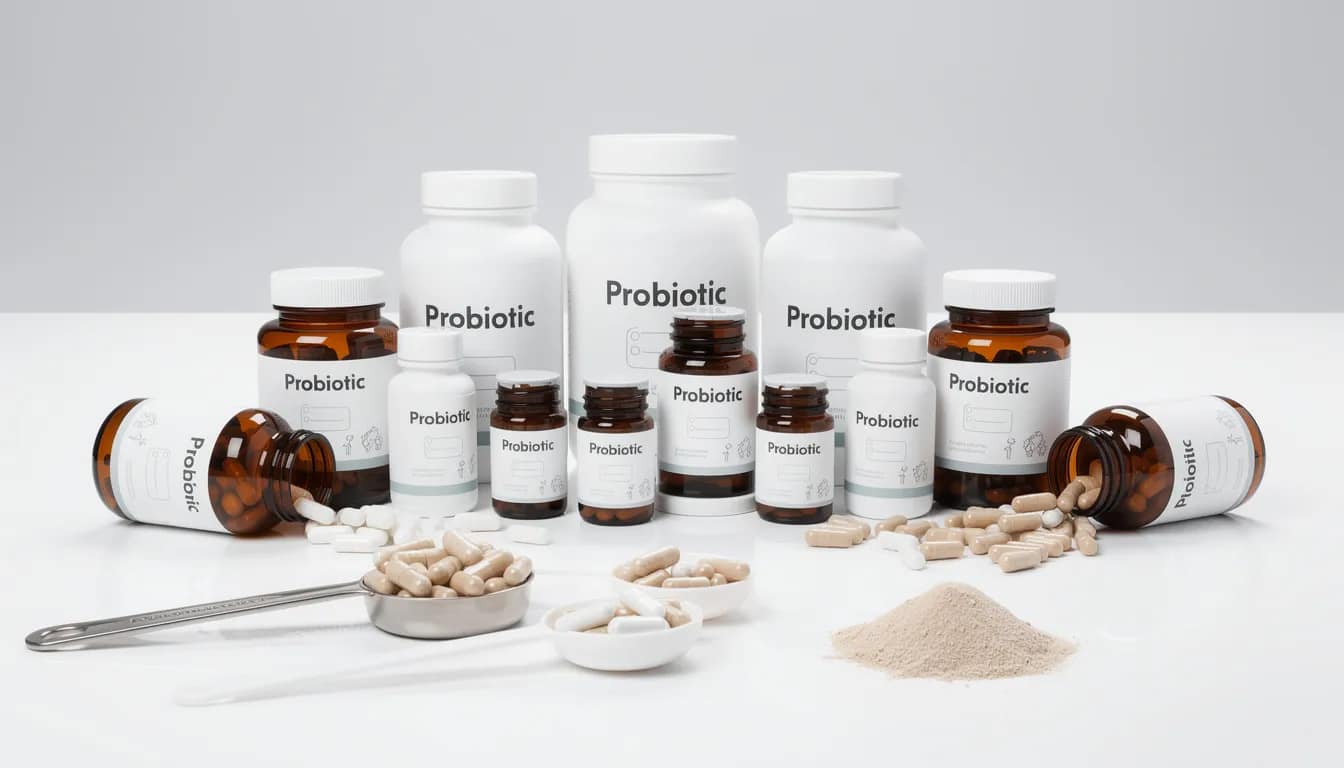
Probiotic Supplements for Targeted Lactobacillus Increase
Probiotic supplements offer precise control over lactobacillus strain selection and dosage, allowing targeted interventions based on specific health goals. Clinical research demonstrates that specific lactobacillus strains provide distinct health benefits when taken in therapeutic doses. For example, strains like Lactobacillus acidophilus, Lactobacillus rhamnosus, and Lactobacillus reuteri are recognized for their effectiveness. Lactobacillus reuteri, in particular, has been shown to support both gut and vaginal health by helping to prevent infections and balance the microbiota.
Best Lactobacillus Strains and Dosages
L. acidophilus: 1-10 billion CFUs daily for digestive health. This foundational strain helps maintain healthy pH levels in the small intestine and supports lactose digestion. Multiple randomized controlled trials show L. acidophilus supplementation improves symptoms in irritable bowel syndrome patients.
L. plantarum 299v: 10 billion CFUs for IBS and immune support. This specific strain demonstrates superior survival through stomach acid and bile salts compared to other lactic acid bacteria. Clinical trial data shows L. plantarum 299v reduces gastrointestinal symptoms and supports immune system function.
L. rhamnosus GG: 10-40 billion CFUs for antibiotic recovery. Research proves this strain helps restore gut microbiota diversity after antibiotic treatment. Hospital studies show patients with higher lactobacillus abundance, particularly L. rhamnosus, experience reduced colonization by multidrug-resistant bacteria.
Multi-strain formulas combining 5-10 lactobacillus species for diversity. Several strains working together create synergistic effects that single-strain supplements cannot achieve. The lactobacillus genus includes multiple species that occupy different ecological niches in your digestive tract.
Look for dietary supplements with third-party testing certificates and CFU guarantees through expiration dates. Many fermented foods and probiotic supplements lose potency over time without proper storage and quality control measures.
Prebiotic Foods That Feed Lactobacillus
Prebiotics serve as selective fertilizers for beneficial bacteria, providing nutrients that lactobacillus can utilize while starving harmful bacteria. This targeted feeding approach proves more sustainable than relying solely on probiotic supplementation.
High-Prebiotic Fiber Sources
Jerusalem artichokes: 2-4g inulin per 100g serving. These tubers pack the highest inulin concentration of any commonly available food. Start with small portions (1-2 ounces daily) to avoid digestive discomfort as your gut microbiota adapts to increased fiber intake.
Garlic and onions: 1-17% inulin content by weight. Raw garlic contains higher prebiotic concentrations than cooked, though both forms support lactobacillus growth. Incorporate garlic and onions into your daily diet through cooking, salad dressings, or raw preparations.
Green bananas and plantains: resistant starch for lactobacillus feeding. Unripe bananas contain resistant starch that reaches the colon intact, where lactobacillus and other lactic acid bacteria ferment it into beneficial short-chain fatty acids. As bananas ripen, resistant starch converts to simple sugars, reducing prebiotic value.
Chicory root, dandelion greens, and asparagus for oligofructose. These vegetables provide oligofructose, a prebiotic compound that specifically promotes lactobacillus growth. Dandelion greens can be added to salads, while chicory root extract appears in some prebiotic supplements.
Combining prebiotic foods with probiotic foods or dietary supplements creates synbiotic effects that enhance lactobacillus colonization. Time prebiotic consumption with probiotic intake to maximize beneficial bacteria survival and growth.
Lifestyle Factors That Support Lactobacillus Colonization
Beyond diet, environmental and behavioral factors significantly influence lactobacillus abundance and activity in your gut. These evidence-based lifestyle modifications create optimal conditions for friendly bacteria to thrive while protecting against factors that harm beneficial bacteria populations.
Avoiding Lactobacillus Disruptors
Minimize unnecessary antibiotic use – takes 3-6 months to restore levels. Broad-spectrum antibiotics eliminate lactobacillus along with pathogenic bacteria. When antibiotics are medically necessary, take lactobacillus-containing probiotics during and after treatment to accelerate microbiome recovery.
Reduce artificial sweeteners like sucralose and aspartame that inhibit growth. Research demonstrates that artificial sweeteners alter gut microbiota composition and reduce beneficial bacteria abundance. More research continues to emerge showing negative effects on intestinal microbiome diversity.
Limit processed foods with preservatives that kill beneficial bacteria. Food preservatives designed to prevent bacterial spoilage also eliminate probiotic bacteria in your gut. Focus on whole foods and minimize consumption of heavily processed products with extensive ingredient lists.
Manage stress through meditation or exercise – cortisol reduces lactobacillus. Chronic stress elevates cortisol levels, which directly suppresses lactobacillus growth while promoting harmful bacteria proliferation. A systematic review and meta analysis confirm that stress management techniques improve gut microbiome diversity.
Optimizing Gut Environment
Maintain stomach pH between 1.5-3.5 for proper lactobacillus survival. While stomach acid kills many bacteria, lactobacillus strains demonstrate acid tolerance that allows passage to the intestines. Avoid prolonged use of proton pump inhibitors unless medically necessary, as they may alter gut microbiota composition.
Get 7-9 hours sleep to support microbiome circadian rhythms. Your gut microbiota follows daily rhythms that align with sleep-wake cycles. Sleep deprivation disrupts these patterns and reduces beneficial bacteria populations, including lactobacillus species.
Stay hydrated with 8-10 glasses water daily for mucus membrane health. Adequate hydration maintains the protective mucus layer where lactobacillus adheres and colonizes. Dehydration reduces mucus production and creates less favorable conditions for probiotic bacteria establishment.
Exercise 150 minutes weekly to increase microbial diversity. Regular physical activity promotes gut microbiota diversity and increases abundance of beneficial bacteria. Exercise also reduces inflammation and supports overall digestive health through improved circulation and stress reduction.

Potential Interactions and Side Effects
Look, probiotic foods and supplements with lactobacillus are pretty darn safe for most of us regular humans, but let’s talk about what you actually need to know so you don’t end up surprised. If you’re generally healthy and decide to add some live probiotic goodness to your life—think yogurt, kefir, or those fancy fermented veggies—you’re probably not gonna run into any major drama beyond your gut doing a little “wait, what’s happening here?” dance. Sure, you might get some temporary bloating, gas, or that mild “my stomach feels weird” sensation while your gut microbiota figures out how to party with all these new beneficial bacteria. But here’s the thing: these effects usually peace out within a few days as your digestive system gets with the program.
Now, if you’ve got a weakened immune system, some underlying health stuff going on, or you’re popping certain medications, we need to pump the brakes a bit. Probiotics—yep, even the lactobacillus ones—can mess around with immunosuppressant drugs or antibiotics, potentially making them work differently or cranking up your infection risk. And in super rare cases (we’re talking lottery ticket rare), some people might have allergic reactions or more serious complications like bloodstream infections, especially if their immune system is already having a rough time.
Here’s your game plan: always chat with a healthcare pro before you start any new probiotic supplement, especially if you’re dealing with a chronic illness, expecting a baby, or taking prescription meds. If you start experiencing persistent or gnarly side effects after diving into probiotic foods or supplements, just stop and get some medical advice. By staying smart and taking it slow, you can totally enjoy all the awesome health benefits of probiotics without any nasty surprises showing up to crash the party.
Lactobacillus and Vaginal Health
Look, nobody’s talking about this at your girls’ night out, but lactobacillus isn’t just some fancy science word your doctor throws around—it’s basically your vagina’s best friend and bodyguard all rolled into one. These little bacterial heroes, especially the rockstar strains like Lactobacillus acidophilus and Lactobacillus rhamnosus, are working overtime down there creating the perfect acidic environment by pumping out lactic acid. Think of it as your vagina’s personal bouncer system—keeping the riffraff bacteria out and maintaining that delicate balance that prevents you from dealing with the nightmare that is bacterial vaginosis or those itchy yeast infections that make you want to crawl out of your own skin.
Here’s what nobody tells you: supporting your vaginal health is way easier than you think, and it starts with actually enjoying your food. We’re talking about loading up on probiotic-packed goodies like yogurt, kefir, or those fermented soy products that your health-obsessed friend keeps raving about. These foods are basically sending reinforcements to your vaginal militia—keeping those lactobacillus populations thriving in both your gut and your lady parts. And if you’re thinking “I need backup,” a quality probiotic supplement with lactobacillus strains might just be your secret weapon for maintaining that perfectly balanced vaginal ecosystem.
But wait, there’s more (and this is where it gets interesting). Beyond munching on the right foods, you’ve got simple lifestyle hacks that keep your beneficial bacteria happy: decent hygiene without going overboard, breathable fabrics instead of synthetic torture chambers, and not popping antibiotics like candy unless you absolutely need them. And here’s what nobody talks about—when your vaginal flora is balanced, it’s connected to everything else: your immune system gets stronger, your digestive health improves, and you might even kiss irritable bowel syndrome goodbye. By prioritizing lactobacillus through smart food choices and supplements, you’re not just preventing infections—you’re setting yourself up for the kind of overall well-being that makes you feel unstoppable.
Scientific Evidence and Health Benefits
Recent clinical research reveals compelling evidence for lactobacillus supplementation and dietary interventions in treating various health conditions. Understanding these mechanisms helps explain why increasing lactobacillus produces measurable health improvements.
Lactobacillus species produce lactic acid through carbohydrate fermentation, creating an acidic environment that inhibits pathogenic bacteria growth. This acidification effect proves particularly important in preventing colonization by harmful bacteria such as multidrug-resistant Enterobacteriaceae and Clostridioides difficile.
A significant study published in Nature Communications demonstrated that lactobacillus administration promotes expansion of butyrate-producing bacteria in the gut. These secondary effects prove crucial – lactobacillus supports other beneficial bacteria that produce short-chain fatty acids essential for digestive health. The research showed lactobacillus treatment increased specific bacterial genera and elevated butyrate levels while decreasing nutrients that support pathogenic bacteria.
Clinical trials consistently show lactobacillus probiotics improve symptoms in irritable bowel syndrome patients. The probiotic properties of specific strains like L. plantarum and L. rhamnosus help relieve symptoms including bloating, abdominal pain, and irregular bowel movements. These improvements typically appear within 2-4 weeks of consistent supplementation.
Lactobacillus strains also support vaginal health by maintaining healthy vaginal flora. The genus lactobacillus beijerinck produces lactic acid that maintains vaginal pH and prevents overgrowth of harmful microorganisms. This connection between gut and vaginal health demonstrates the systemic effects of increasing lactobacillus populations.
Research on bone health reveals that certain lactobacillus strains may support calcium absorption and bone density. While more research is needed, preliminary studies suggest probiotic bacteria influence mineral metabolism through vitamin production and inflammatory pathway modulation.
Additionally, raw cow’s milk contains higher levels of certain vitamins, including vitamin C, compared to pasteurized milk. This increased vitamin C content in raw milk may offer additional nutritional benefits that support gut health.
Measuring Your Progress
Tracking lactobacillus increases requires attention to both subjective symptoms and objective measures. Understanding normal timelines helps set realistic expectations for gut microbiome improvements.
Digestive symptoms to track: reduced bloating, improved bowel movements. Most people notice initial digestive improvements within 3-7 days of increasing lactobacillus through fermented foods or probiotic supplements. Consistent bowel movements, reduced gas production, and decreased abdominal discomfort indicate positive changes in gut microbiota composition.
Stool testing options for microbiome analysis before/after interventions. Direct measurement of lactobacillus abundance requires specialized testing through companies offering gut microbiome analysis. These tests identify specific bacterial strains and provide quantitative data on lactobacillus levels relative to other microorganisms in your digestive system.
Expected timeline: initial changes in 3-7 days, full colonization in 2-4 weeks. Research shows that probiotic bacteria appear in stool samples within days of supplementation, but stable colonization requires consistent intake over several weeks. Dietary changes supporting lactobacillus growth show similar timelines for measurable effects.
Professional consultation recommendations for persistent issues. If digestive issues persist despite implementing these evidence-based strategies, consult healthcare providers specializing in gastroenterology or functional medicine. Persistent gastrointestinal symptoms may indicate underlying conditions requiring medical evaluation beyond basic lactobacillus supplementation.
Monitor your body’s response to different lactobacillus sources and adjust accordingly. Some individuals respond better to fermented foods, while others see greater improvements with targeted probiotic supplements containing specific lactobacillus strains.
The human health benefits of increased lactobacillus extend beyond digestive improvements to immune system support, mood regulation through the gut-brain connection, and protection against various diseases. By implementing these 12 science-backed methods consistently, you’re investing in long-term gut health and overall well-being.
Start with one or two approaches that fit easily into your daily routine – perhaps eating yogurt with active cultures and adding garlic to your meals. As these become habits, gradually incorporate additional strategies like targeted probiotic supplements and stress management techniques. Your gut microbiome will thank you with improved digestive health, stronger immunity, and better overall health.