
Struggling with bowel movements is more common than you might think. Whether you’re dealing with occasional constipation, chronic constipation, or simply want to optimize your bathroom routine, you may sometimes feel bloated—a common symptom people experience when struggling with bowel movements. Understanding proper technique can make a significant difference in your digestive health and overall well-being.
This comprehensive guide covers everything you need to know about how to poop effectively, from proper positioning and dietary strategies to when you should seek help from a healthcare provider. By implementing these evidence-based techniques, you can establish regular bowel movements and prevent constipation from disrupting your daily routine.
Understanding Normal Bowel Movements
Concerning patterns that may indicate digestive issues include sudden changes in frequency, persistent difficulty passing stool, blood in stool, or other symptoms like persistent abdominal pain. Constipation can sometimes be caused by an underlying medical condition, such as diverticular disease or bowel cancer, though these are less common.
Bowel Movement Health
Maintaining healthy bowel movements is essential for keeping your digestive system running smoothly and preventing uncomfortable constipation symptoms. When your digestive tract functions well, you’re less likely to experience digestive issues such as bloating, excessive straining, or irregularity. Regular bowel movements help your body efficiently eliminate waste, supporting overall health and well-being.
A key factor in bowel movement health is your daily fiber intake. Consuming enough fiber from foods like whole grains, fibrous vegetables, and leafy greens adds bulk to your stool and helps it move more easily through the digestive tract. This not only helps relieve constipation but also supports the natural rhythm of your digestive system, making it easier to maintain regular bowel movements.
Fiber acts like a gentle broom for your intestines, sweeping waste along and preventing it from becoming hard or difficult to pass. By including a variety of high-fiber foods in your diet, you can reduce your risk of constipation and other symptoms such as feeling bloated or experiencing discomfort during elimination. Whole grains and fibrous vegetables, in particular, are excellent choices for promoting digestive health and keeping your bowels moving regularly.
If you notice changes in your bowel habits or develop symptoms of constipation, consider increasing your fiber intake gradually and paying attention to the types of foods you eat. Supporting your digestive tract with the right nutrition is one of the most effective ways to prevent constipation and maintain a healthy, comfortable daily routine.
Proper Positioning and Technique
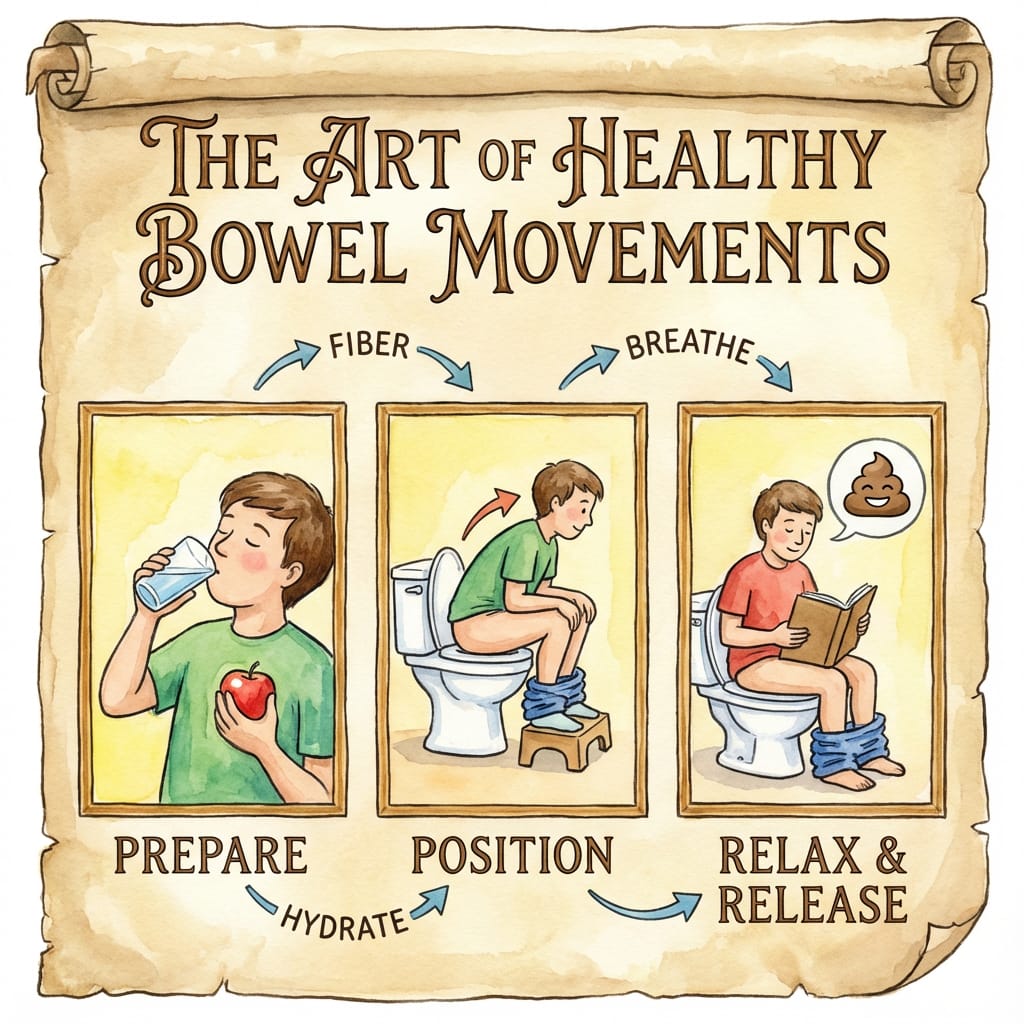
Proper toilet positioning significantly impacts your ability to have comfortable, complete bowel movements. The key is creating a squatting position that aligns your rectum and pelvic floor muscles for optimal function.
Use a small footstool to elevate your feet 6-9 inches while sitting on the toilet. This elevation creates a more natural squatting position by bringing your knees higher than your hips. This positioning straightens the anorectal angle from approximately 90 degrees to nearly 0 degrees, facilitating easier passage of stool mass through the anal canal.
Lean slightly forward and relax your abdominal muscles rather than tensing them. Many people mistakenly believe they need to push forcefully, but gentle coordination works more effectively. Take deep breaths and allow your pelvic floor muscles to relax naturally while maintaining the proper forward-leaning posture.
Avoid excessive straining, which can lead to hemorrhoids, anal fissures, or other complications. Instead of holding your breath and pushing hard, practice gentle pushing coordinated with deep breathing. This technique stimulates the vagus nerve and promotes natural peristaltic contractions in your intestines.

Here’s the step-by-step technique for optimal positioning:
- Place a footstool 6-9 inches high in front of the toilet
- Sit normally on the toilet seat with feet flat on the footstool
- Ensure your knees are higher than your hip level
- Lean slightly forward, keeping your back straight
- Rest your forearms on your thighs for support
- Breathe deeply and allow your body to relax
- When ready, coordinate gentle pushing with exhaling
This positioning takes advantage of your body’s natural anatomy and the way your rectum and pelvic floor muscles are designed to function during defecation.
Establishing a Healthy Toilet Routine for Regular Bowel Movements
Developing consistent bowel habits requires establishing regular times for bathroom visits and responding appropriately to your body’s natural signals. The most effective approach involves timing your visits around your digestive system’s natural rhythm.
Set regular times for bathroom visits, ideally 15-30 minutes after meals when the gastrocolic reflex is most active. This reflex triggers contractions in your large intestine when food enters your stomach, making it an optimal time to attempt a bowel movement. Many people find morning particularly effective, especially after drinking water and eating breakfast.
Allow yourself 10-15 minutes in the bathroom without rushing or distractions. Avoid bringing your phone or reading material that might cause you to lose focus on the task. This dedicated time helps your nervous system recognize the bathroom as a place for elimination rather than entertainment or multitasking.
Never delay the urge when you feel it, as this can lead to constipation. When your rectum fills and signals the need to defecate, respond within a reasonable timeframe. Consistently ignoring these signals teaches your body to suppress the natural reflex, making future bowel movements more difficult.
Practice deep breathing exercises to stimulate your parasympathetic nervous system and aid digestion. Slow, deep breathing activates the vagus nerve, which promotes digestive function and helps coordinate the muscular contractions necessary for effective elimination.

Building consistent bathroom habits involves:
- Visiting the toilet at the same times daily, regardless of immediate urges
- Creating a calm, unrushed environment
- Responding promptly to natural urges rather than delaying
- Incorporating relaxation techniques like deep breathing
- Maintaining realistic expectations about timing and success
Remember that establishing new bowel habits takes time. Be patient with your body as it adapts to new routines, and don’t become discouraged if results aren’t immediate.
Dietary Strategies and High Fiber Foods for Easy Bowel Movements
Diet plays a crucial role in maintaining regular bowel movements and preventing constipation. The foundation of digestive health involves consuming adequate fiber, staying properly hydrated, and choosing foods that support healthy gut function.
Consume 25-30 grams of fiber daily for women and 30-38 grams for men. This fiber intake helps form well-formed stool by adding bulk and retaining moisture in the digestive tract. Gradually increase your fiber intake over 2-3 weeks to allow your digestive system to adjust and minimize gas or bloating.
Include both soluble fiber and insoluble fiber in your diet for optimal digestive function. Soluble fiber, found in oats, apples, and beans, dissolves in water to form a gel-like consistency that helps regulate stool formation. Insoluble fiber from whole grains and fibrous vegetables adds bulk and promotes movement through the intestines.
Drink 7-8 glasses (approximately 1.8 liters) of water daily to soften stool and support proper hydration throughout your digestive system. Make sure to drink plenty of water each day, as this helps soften stool and improve digestion. Drinking enough water is essential for preventing constipation and also supports the effectiveness of dietary fiber for regular bowel movements. Adequate water intake prevents your large intestine from absorbing too much moisture from waste material, which can lead to hard stool that’s difficult to pass.
Eat prunes or drink prune juice, which contains sorbitol, a natural sugar alcohol that triggers bowel movements by drawing water into the intestines. Just 3-4 prunes or a small glass of prune juice can provide effective constipation relief for many people within 6-12 hours.
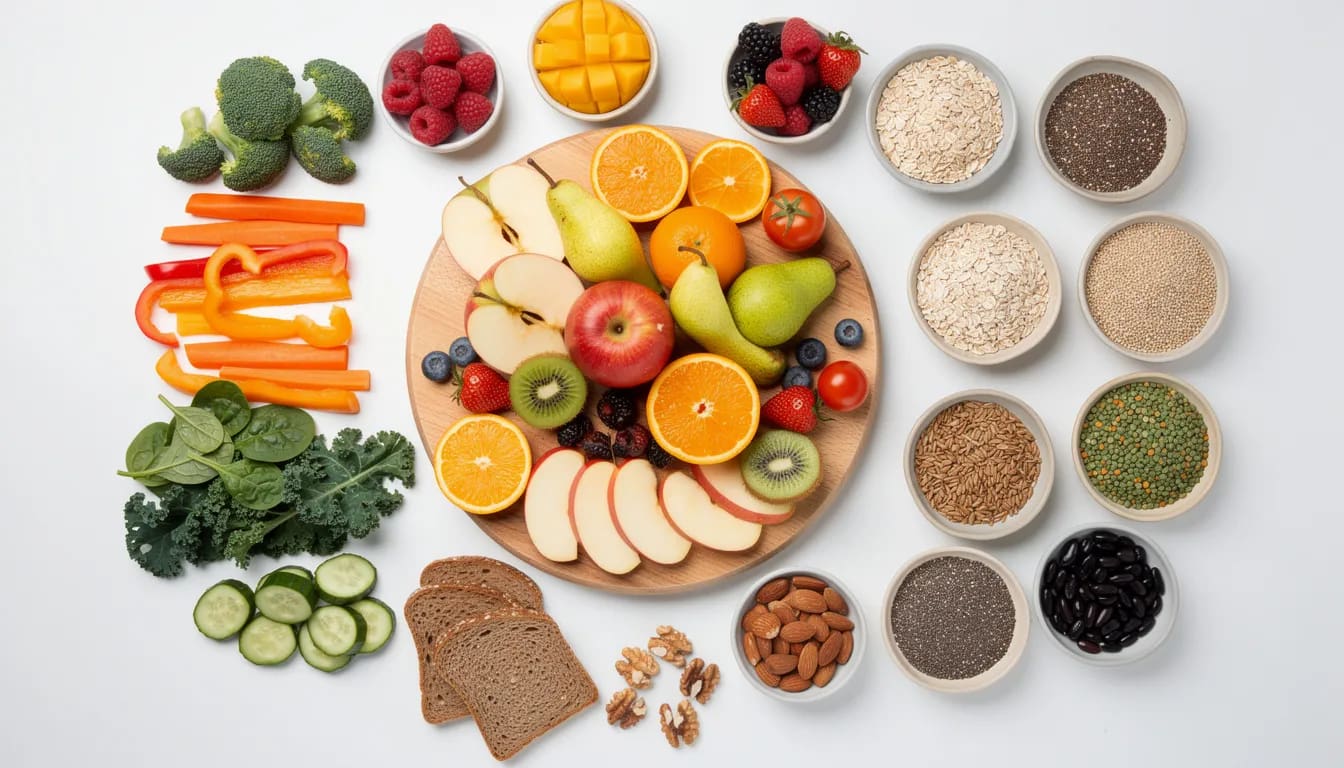
Specific foods that promote healthy bowel movements:
High fiber foods to emphasize:
- Leafy greens like spinach and kale
- Whole grain bread and whole grains like quinoa and brown rice
- Fibrous vegetables such as broccoli, Brussels sprouts, and artichokes
- Fruits with edible skins like apples and pears
- Legumes including beans, lentils, and chickpeas
Foods to limit for better digestive health:
- Processed meats which are low in fiber and high in preservatives
- Refined grains that lack beneficial fiber
- High-fat fried foods that slow digestive transit
- Dairy products if you’re lactose intolerant
- Excessive amounts of red meat
Beverages that support bowel function:
- Warm water, especially first thing in the morning
- Herbal teas like ginger or peppermint
- Clear liquids that maintain hydration
- Prune juice for its natural laxative effect
Timing your eating matters as much as what you eat. Eating foods at regular intervals supports your digestive tract’s natural rhythm and promotes more predictable bowel movements.
When You’re Having Difficulty Pooping
When constipation strikes, several immediate strategies can help stimulate bowel movements and provide fast constipation relief. There are various ways to treat constipation, including lifestyle changes, home remedies, and medical interventions. The key is addressing both the physical and physiological factors that may be causing the difficulty.
Drink a large glass of warm water immediately upon waking to stimulate bowel movement within 30 minutes. Warm water helps activate your digestive system after the overnight fasting period and can trigger the gastrocolic reflex more effectively than cold liquids.
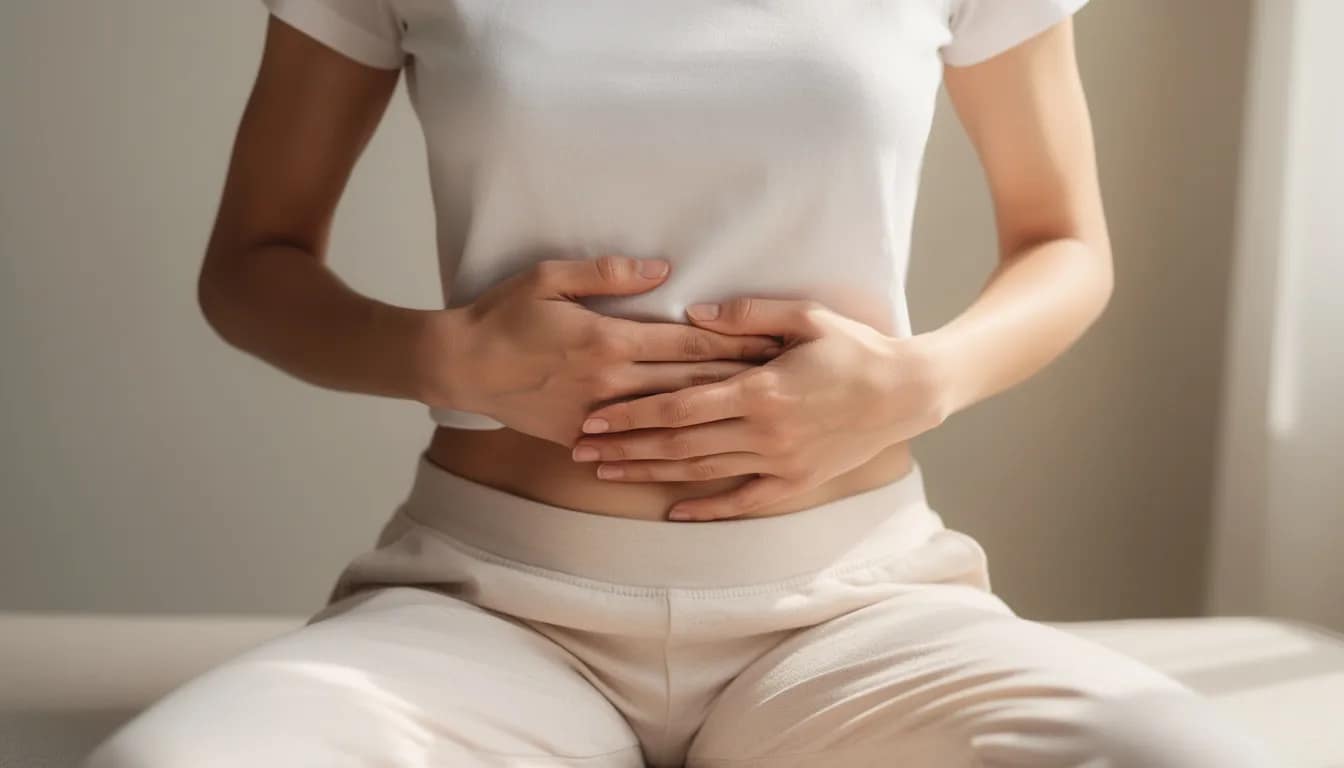
Try gentle abdominal massage using circular motions around your navel. Start at your right lower abdomen and move clockwise, following the path of your large intestine. Apply gentle pressure for 5-10 minutes to encourage peristaltic contractions and movement of intestinal contents.
Consider over-the-counter stool softeners like docusate sodium (Colace) for hard stool that’s difficult to pass. Stool softeners work by allowing more water to be absorbed into the stool mass, making it softer and easier to eliminate. These medications typically take 12-72 hours to show effects.
Use fiber supplements to add bulk if your dietary fiber intake has been insufficient. Products containing psyllium husk or methylcellulose can help form properly shaped stool while adding the bulk necessary for your intestines to grip and move waste effectively. Start with small doses and increase gradually.
For severe constipation lasting more than 2-3 days, osmotic laxatives like polyethylene glycol work within 2-3 days by drawing water into the colon. These work more quickly than fiber supplements but should be used occasionally rather than as a daily routine.
Step-by-step troubleshooting for constipation:
- Immediate relief (within hours):
- Drink 16-20 oz of warm water
- Perform abdominal massage for 10 minutes
- Assume proper toilet position and attempt elimination
- Same-day interventions:
- Take a daily walk to stimulate blood flow to the digestive system
- Try a warm bath to relax pelvic floor muscles
- Consume prunes or prune juice
- 24-48 hour solutions:
- Begin stool softener as directed on package
- Increase fiber intake through high fiber foods
- Ensure adequate hydration with 8+ glasses of water daily
- If constipation persists beyond 3 days:
- Consider osmotic laxative like polyethylene glycol
- Avoid stimulant laxatives unless recommended by healthcare provider
- Schedule appointment with medical professional
Remember that certain medications, medical conditions like ulcerative colitis, and lifestyle factors can contribute to constipation symptoms. Address underlying causes alongside immediate relief strategies.
Exercise and Lifestyle Factors
Physical activity and lifestyle modifications significantly impact your digestive system and can prevent constipation while promoting regular bowel movements. Even modest increases in activity level can improve bowel function within days.
Take a 10-15 minute daily walk to stimulate bowel function through increased blood flow to your digestive organs. Walking promotes peristaltic contractions in your intestines and can help move stool mass through your system more effectively. Many people find that morning walks before breakfast are particularly beneficial.
Practice yoga poses specifically designed to aid digestion, such as child’s pose, spinal twists, and gentle forward folds. These positions massage your internal organs and can help relieve gas while promoting movement through your digestive tract. Hold each pose for 30-60 seconds and breathe deeply throughout.
Manage stress through relaxation techniques, as chronic stress directly affects bowel movements by disrupting the gut-brain connection. Stress hormones can slow digestive transit time and contribute to constipation. Regular meditation, deep breathing exercises, or progressive muscle relaxation can help maintain healthy digestive function.
Maintain a consistent sleep schedule to support your digestive system’s natural rhythm. Your intestines are most active during certain periods of your circadian cycle, and irregular sleep patterns can disrupt these natural rhythms. Aim for 7-9 hours of sleep nightly with consistent bedtime and wake times.

Simple exercises that promote regularity:
Daily movement routine:
- 10-15 minute morning walk
- Gentle stretching upon waking
- Stair climbing when possible instead of elevators
- Light housework or gardening activities
Yoga poses for digestive health:
- Child’s pose (Balasana) – 1-2 minutes
- Seated spinal twist – 30 seconds each side
- Wind-relieving pose (Pawanmuktasana) – 30 seconds each knee
- Cat-cow stretches – 10 repetitions
Stress management techniques:
- 5-10 minutes of deep breathing daily
- Progressive muscle relaxation before bed
- Mindfulness meditation during bathroom visits
- Regular sleep schedule regardless of weekend vs. weekday
Hot weather can contribute to dehydration and constipation, so increase your fluid intake during summer months or when exercising. Similarly, travel, changes in daily routine, or dietary modifications can temporarily affect your bowel habits.
The connection between physical activity and digestive health extends beyond immediate effects. Regular exercise helps maintain healthy body weight, improves circulation, and supports the muscular coordination necessary for effective elimination.
When to Seek Medical Help
While occasional constipation is normal and usually resolves with dietary changes and lifestyle modifications, certain symptoms warrant professional medical evaluation to rule out underlying digestive issues or medical conditions.
Seek immediate medical attention if you experience no bowel movement for more than 3 days despite trying home remedies. This could indicate faecal impaction, a serious condition where hard stool becomes stuck in the rectum and requires professional intervention to resolve safely.
Contact your healthcare provider for severe abdominal pain, blood in stool, or sudden changes in your typical bowel habits. These symptoms can indicate various medical conditions ranging from inflammatory bowel disease to structural abnormalities that require proper diagnosis and treatment.
Chronic constipation lasting more than 2 weeks despite consistent dietary changes, adequate hydration, and lifestyle modifications needs professional evaluation. Your healthcare provider can assess for underlying causes and recommend appropriate treatments, including prescription medications if necessary.
Signs of fecal impaction require immediate medical intervention and include liquid stool leaking around hard stool, severe abdominal cramping, nausea, and the inability to pass stool despite feeling the urge. This condition is more common in elderly adults, people with mobility limitations, or those taking certain medications.
Symptoms in older adults or those with dementia that include confusion, behavioral changes, or agitation alongside constipation may indicate serious complications. Constipation can contribute to delirium or worsen existing cognitive conditions in vulnerable populations.

Red flag symptoms requiring immediate medical attention:
Emergency situations:
- Severe pain with rigid, distended abdomen
- Vomiting with inability to pass stool or gas
- Blood in stool accompanied by dizziness or weakness
- Signs of dehydration with prolonged constipation
Schedule prompt appointment for:
- Chronic constipation unresponsive to dietary changes
- Alternating diarrhea and constipation patterns
- Unintended weight loss with constipation
- Family history of colon cancer with new bowel changes
Medication-related constipation:
- New constipation after starting prescription medications
- Opioid-induced constipation requiring specialized management
- Supplements like calcium polycarbophil causing unexpected reactions
- Iron supplements causing severe constipation despite proper dosing
Your healthcare provider can evaluate for underlying medical conditions such as hypothyroidism, diabetes, or neurological disorders that commonly cause constipation. They may recommend specific tests, prescription treatments, or referral to a gastroenterologist for specialized care.
Don’t hesitate to discuss bathroom habits with your medical team. These conversations are routine for healthcare providers and essential for maintaining your digestive health and overall well-being.
Remember that making dietary changes, staying hydrated, and maintaining regular physical activity prevents most constipation episodes. However, persistent digestive issues deserve professional evaluation to ensure you receive appropriate care and avoid complications.
Conclusion
Learning how to poop effectively involves understanding your body’s natural processes and supporting them through proper positioning, consistent routines, and healthy lifestyle choices. By implementing the techniques outlined in this guide – from using a small footstool and leaning forward to consuming adequate fiber and staying hydrated – you can establish regular bowel movements and prevent constipation from disrupting your daily life.
Remember that developing new bowel habits takes patience and consistency. Start by incorporating one or two changes at a time, such as drinking more water upon waking or adding more fiber to your diet gradually. Your digestive system needs time to adjust to modifications, so don’t expect immediate results.
If you continue experiencing difficulty despite implementing these strategies, don’t hesitate to consult with your healthcare provider. They can help identify any underlying issues and recommend additional treatments to help you find relief from persistent constipation symptoms.
Take action today by choosing one technique from this guide to implement immediately – whether it’s positioning yourself properly on the toilet, scheduling regular bathroom times, or increasing your daily water intake. Your digestive health impacts your overall well-being, and these simple changes can make a significant difference in how you feel every day.