
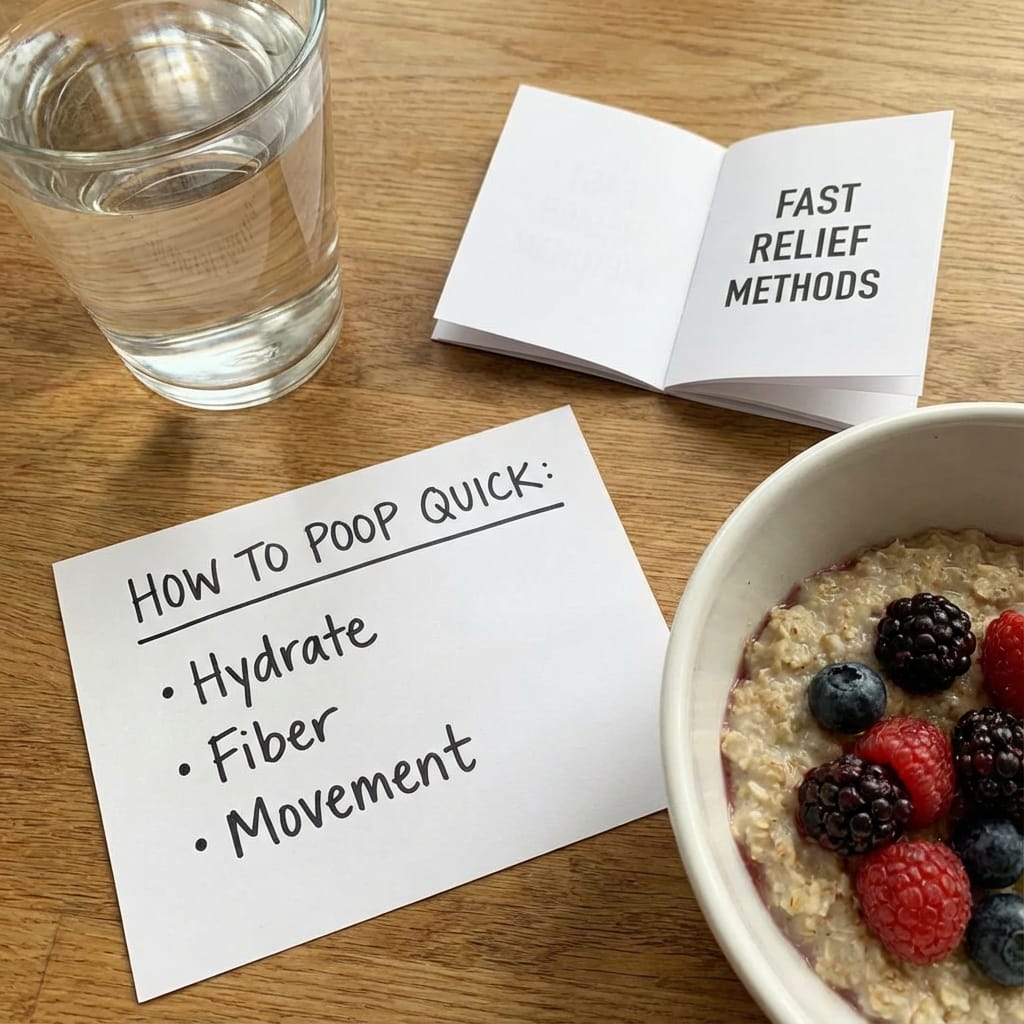
When you’re dealing with constipation and need to relieve constipation quickly, every minute can feel like an eternity. Whether you’re experiencing occasional constipation or dealing with more persistent issues, finding fast constipation relief becomes a top priority that affects your comfort and daily routine.
Constipation affects approximately 16% of adults worldwide, and the need for quick solutions is more common than you might think. While regular bowel movements typically occur anywhere from three times per week to three times per day, when you’re constipated, your digestive system needs immediate support to encourage bowel movements and restore normal function.
This comprehensive guide will walk you through proven methods to help you poop naturally and achieve bowel movement quickly, ranging from techniques that work within minutes to slightly longer approaches that can provide relief within hours. We’ll cover everything from simple hydration strategies and diet changes to over-the-counter solutions and constipation remedies, ensuring you have multiple options to treat constipation based on your specific situation and comfort level.

Quick Methods to Relieve Constipation Quickly (15-30 Minutes)
The fastest way to stimulate a bowel movement often involves combining multiple approaches that work synergistically to promote bowel regularity. These methods target different aspects of the digestive process and can provide relief within 15-30 minutes when used correctly.
Drink 8-16 ounces of warm water on an empty stomach to activate your gastrocolic reflex, which naturally stimulates colon contractions. Warm water is particularly effective because it helps relax the muscles in your digestive tract while increasing blood flow to the intestinal area. The temperature should be comfortably warm, not hot, to avoid irritating your digestive system.
Use the squatting position by placing a footstool under your feet while on the toilet, elevating your knees above your hips. Research from Ohio State University Medical Center found that 71% of participants experienced faster bowel movements when using this position, which straightens the anorectal angle and makes it easier to pass stool. The optimal height is 6-9 inches, which mimics the natural squatting posture humans used for thousands of years.
Perform gentle abdominal massage in clockwise circles for 5-10 minutes, following the path of your large intestine. This technique is also known as colonic massage and is used to stimulate bowel movements by manually encouraging stool to move through the colon. Start at your right lower abdomen, move up toward your ribs, across to the left side, and down toward your pelvis. Apply gentle but firm pressure, as this technique can help move stool through the digestive tract and stimulate natural peristalsis.
Consider a glycerin suppository if oral methods aren’t providing relief. These work by drawing water into the rectum and lubricating the stool, typically producing results within 15-20 minutes. Glycerin suppositories are considered one of the safest quick-relief options and don’t cause dependency when used occasionally.
Practice deep diaphragmatic breathing to stimulate the vagus nerve, which plays a crucial role in digestive function. Breathe slowly and deeply, expanding your belly rather than your chest, for 3-5 minutes. This technique helps activate the parasympathetic nervous system, which promotes digestive activity and can help relax the pelvic floor muscles.
Fastest Working Natural Remedies to Relieve Constipation
Natural remedies often provide a gentler approach to constipation relief while still delivering relatively quick results. These options work with your body’s natural processes and typically have fewer side effects than pharmaceutical interventions.
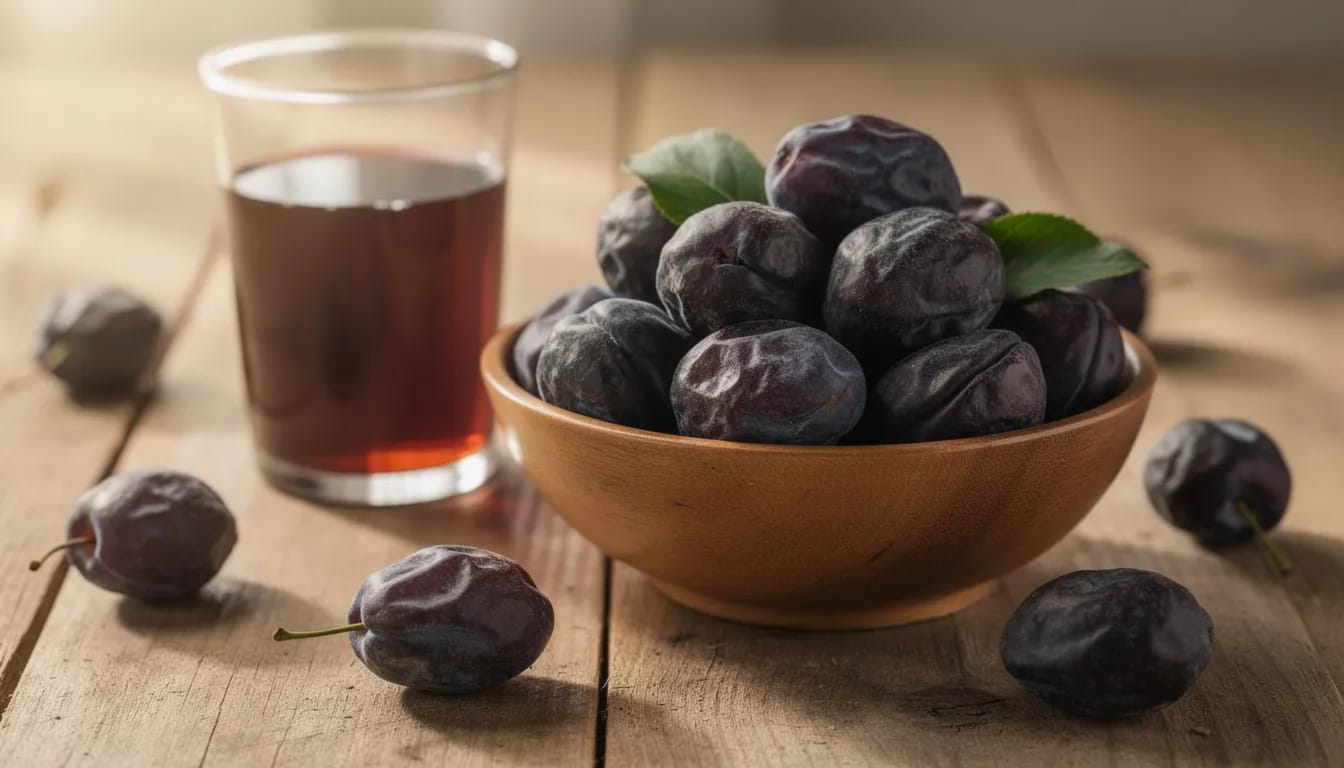
Prune juice containing natural sorbitol acts as an osmotic laxative, drawing water into the colon to soften stool and stimulate bowel movements. Drink 4-8 ounces on an empty stomach for the fastest results. The high concentration of sorbitol in prune juice makes it more effective than eating whole prunes for quick relief, typically working within 30-60 minutes. Prune juice is a popular choice for those looking to poop instantly due to its strong natural laxative effects.
Hot coffee or caffeinated tea can stimulate colon contractions within 30-60 minutes due to caffeine’s effect on the digestive system. Studies show that about 29% of people experience the urge to defecate within 20 minutes of drinking coffee. The combination of caffeine and warm liquid triggers the gastrocolic reflex, making this one of the most reliable natural methods for many people.
Warm lemon water with olive oil combines hydration with natural lubricating properties. Mix the juice of half a lemon with 1 tablespoon of olive oil in 8 ounces of warm water and drink on an empty stomach. The citric acid can stimulate digestive juices, while the oil helps lubricate the digestive tract. This remedy typically works within 30-60 minutes.
Apple juice serves as a gentler alternative to prune juice, containing natural sorbitol and pectin that can help soften stool and promote regularity. Drink 6-8 ounces of pure apple juice (without added sugars) for a milder laxative effect that usually works within 1-3 hours. Apple juice is also commonly used by those who want to poop instantly, thanks to its natural ingredients that promote rapid relief.
These natural remedies work by either stimulating gut motility, drawing water into the intestines, or lubricating the digestive tract. The key to their effectiveness lies in consuming them on an empty stomach when possible, as this maximizes their contact with the digestive system and triggers stronger reflex responses.
Immediate Physical Techniques
Physical techniques can provide immediate assistance by improving positioning, stimulating blood flow, and encouraging natural bowel movement through mechanical means. These methods are particularly effective when combined with other approaches.
Proper toilet positioning involves more than just using a footstool. Sit with your knees elevated 6-9 inches above your hips, lean slightly forward with your elbows resting on your knees, and allow your abdominal muscles to bulge outward slightly. This position straightens the anorectal angle from approximately 90 degrees to 126 degrees, making evacuation significantly easier and reducing the need for excessive straining.
Perineal massage involves applying gentle pressure to the area between your anus and genitals for 1-2 minutes. Use your fingertips to apply steady, gentle pressure while breathing deeply. This technique can help stimulate the nerves that control bowel movements and may help relax the external anal sphincter, making it easier to pass stool.
Light walking or marching in place for 5-10 minutes can stimulate gut motility through the natural movement of your torso and the gentle jarring motion that helps move stool through the colon. Even gentle movement increases blood flow to the digestive organs and can trigger the natural reflexes that promote bowel movements.
Advanced abdominal massage technique requires a specific pattern for maximum effectiveness. Begin at your right lower abdomen (over the cecum), apply firm but comfortable pressure, and slowly move upward toward your right ribs. Then move across your upper abdomen to the left side and down toward your left pelvic area. Complete this circuit 10-15 times, spending about 30 seconds on each section.
Each technique should be performed slowly and mindfully, paying attention to your body’s responses. If you feel increased urgency or cramping, these are positive signs that the techniques are working to stimulate your digestive system.
Over-the-Counter Stool Softeners and Quick Solutions
When natural methods aren’t sufficient, several over-the-counter (OTC) laxatives can provide reliable relief within predictable timeframes. Understanding the differences between these products helps ensure you choose the most appropriate option for your situation.
Magnesium citrate works as an osmotic laxative by drawing water into the intestines, typically providing relief within 30 minutes to 6 hours. Take 1-2 tablespoons (15-30ml) with 8 ounces of water on an empty stomach. Start with the lower dose, as magnesium citrate can be quite effective and may cause cramping if you take too much too quickly.
Bisacodyl suppositories provide targeted relief by stimulating the rectal wall directly, usually working within 15-60 minutes. Insert the suppository as directed, then try to retain it for at least 15 minutes to allow it to dissolve and take effect. This option is particularly useful when oral medications haven’t been effective or when you need very quick relief.
Stimulant laxatives like senna work by directly stimulating nerve endings in the colon to increase contractions. These typically work within 6-12 hours when taken orally, making them better for planned relief rather than immediate needs. Use these sparingly, as regular use can lead to dependency and reduced natural bowel function.
Fleet enemas provide immediate relief within 5-15 minutes when other methods have failed. The pre-packaged saline solution helps soften hard stool while the volume helps stimulate evacuation. Mineral oil enemas are another option, especially for severe constipation, as the oil lubricates and eases stool passage. However, mineral oil should be used with caution due to potential risks like irritation or aspiration. These should be reserved for situations where other methods haven’t worked, as they can be uncomfortable and should not be used regularly.
Important safety considerations: Always read and follow package directions carefully. Don’t exceed recommended doses, and avoid using multiple laxative products simultaneously unless directed by a healthcare provider. If you have kidney problems, heart conditions, or take medications, consult your healthcare provider before using magnesium-based products.
Emergency Relief Methods
When standard methods haven’t provided relief and you’re experiencing significant discomfort, emergency techniques may be necessary. These methods should be used cautiously and only when other approaches have failed.
Glycerin or bisacodyl suppositories become the preferred option when oral methods are ineffective. Glycerin suppositories work purely through lubrication and drawing water into the rectum, while bisacodyl suppositories add a stimulant effect. For severe constipation, bisacodyl suppositories may be more effective, typically working within 15-45 minutes.
Saline enemas using 4-6 ounces of lukewarm water with 1 teaspoon of salt can provide relief when suppositories aren’t sufficient. The solution should be body temperature to avoid cramping. Lie on your left side, insert the enema tip gently, and slowly introduce the solution. Try to retain it for 5-10 minutes before evacuating. This method typically works within 5-15 minutes.
Manual evacuation techniques should only be considered in extreme situations and preferably with medical guidance. If you must attempt this, use a gloved, well-lubricated finger to gently break up hard stool that’s visible at the anal opening. Never force this process, as it can cause injury to delicate rectal tissues.
When to seek immediate medical attention instead of continuing with home remedies: severe abdominal pain, nausea and vomiting, blood in stool, fever, no bowel movements for more than 4-5 days, or if you experience other symptoms such as severe pain, bleeding, or any additional concerning issues. These symptoms may indicate fecal impaction or other serious conditions requiring professional intervention.
Safety precautions for emergency methods include using proper lubrication, maintaining sterile conditions, never forcing any procedure, and stopping immediately if you experience severe pain or bleeding. Emergency methods should never become routine solutions, as they can disrupt normal bowel function if overused.

Hydration and Constipation
Staying well-hydrated is one of the most effective and natural ways to relieve constipation and support regular bowel movements. When your body gets enough fluids, it helps keep stool soft and easier to pass, reducing the risk of constipation and making each trip to the bathroom more comfortable. On the other hand, dehydration can cause your colon to absorb extra water from waste, resulting in hard, dry stool that is difficult to pass and may lead to excessive straining.
For fast constipation relief and to promote bowel regularity, aim to drink at least 8-10 glasses of water each day. This is especially important if you’re increasing your fiber intake or taking a fiber supplement, as fiber needs water to add bulk and softness to stool. Without enough fluid intake, even a high fiber diet can backfire, making constipation worse instead of better.
In addition to plain water, clear broths, herbal teas, and low-sugar juices can all contribute to your daily fluid intake. Warm liquids, such as a mug of warm water or herbal tea, can be particularly soothing and may help stimulate your digestive tract to encourage bowel movements. However, it’s best to limit sugary drinks and excessive caffeine, as these can actually dehydrate your body and make constipation more difficult to treat.
If you’re regularly constipated or have an underlying health condition like irritable bowel syndrome, your healthcare provider may recommend a combination of increased fluid intake, dietary changes, and possibly stool softeners or a fiber supplement to help relieve constipation quickly and maintain regular bowel movements. For many people, simply making hydration a daily habit—alongside eating high fiber foods like whole grains, leafy greens, and fibrous vegetables—can prevent constipation and support a healthy digestive system.
Remember, hydration is a cornerstone of constipation relief. By making sure you drink enough water every day, you’ll help your body process dietary fiber more effectively, keep your stool soft and easier to pass, and promote long-term bowel regularity. Combined with other healthy habits, staying hydrated is a simple yet powerful way to treat constipation and keep your digestive system running smoothly.
Expected Timeframes for Different Methods
Understanding realistic timeframes helps you choose the most appropriate method based on how quickly you need relief and plan accordingly for different situations.
Immediate relief (5-20 minutes): Suppositories, enemas, and positioning changes fall into this category. Glycerin suppositories typically work within 15-20 minutes, bisacodyl suppositories within 15-45 minutes, and enemas within 5-15 minutes. Proper toilet positioning can provide immediate improvement in your ability to evacuate, though it may not initiate a bowel movement if you don’t already feel the urge.
Quick relief (30-60 minutes): Warm liquids, coffee, light exercise, and abdominal massage typically work within this timeframe. Warm water on an empty stomach often produces results within 30-45 minutes, while coffee may work slightly faster in caffeine-sensitive individuals. Physical activity and massage techniques usually require 15-30 minutes of consistent application to show effects.
Moderate relief (2-6 hours): Oral laxatives, magnesium supplements, and high-dose fiber with adequate water typically work within this window. Magnesium citrate usually produces results within 2-4 hours, while osmotic laxatives like polyethylene glycol may take 4-6 hours. Natural remedies like prune juice often fall into the 1-3 hour range.
Longer-term relief (6-24 hours): Dietary changes, increased hydration, and lifestyle adjustments work within this timeframe and provide more sustainable solutions. Consuming enough fiber and aiming for more fiber in your daily diet are essential for regularity. Fiber works by adding bulk to stool, making it easier to pass. Eating fiber rich foods such as fruits, vegetables, whole grains, nuts, and seeds helps promote digestion and prevent constipation. Insoluble fiber, found in foods like wheat bran, whole wheat, and many vegetables, acts as roughage to add bulk and speed up movement through the gut. Soluble fiber, present in oats, beans, apples, and citrus fruits, forms a gel that softens stool and supports easier passage. A low fiber diet is a common cause of constipation, so increasing fiber intake or using wheat bran as a supplement can be beneficial. For those who struggle to get enough fiber from food alone, dietary supplements are available, but should be used with caution and ideally under medical guidance. Establishing regular eating and bathroom schedules may take several days to normalize bowel patterns.
Method | Expected Relief Time | Safety Level | Best Used When |
|---|---|---|---|
Warm water | 30-45 minutes | Very Safe | First attempt |
Coffee | 20-60 minutes | Safe | Morning routine |
Suppositories | 15-45 minutes | Safe | Quick relief needed |
Magnesium citrate | 2-6 hours | Moderate | Planned relief |
Enemas | 5-15 minutes | Use sparingly | Emergency only |
What to Avoid When Seeking Quick Relief
Certain approaches can worsen constipation or create additional health problems, making it important to know what to avoid when you’re seeking quick relief.
Avoid straining forcefully on the toilet, as this can cause hemorrhoids, anal fissures, and even contribute to pelvic organ prolapse over time. Excessive straining also increases intra-abdominal pressure, which can be dangerous for people with cardiovascular conditions. Instead, focus on relaxing and allowing natural reflexes to work while using proper positioning.
Don’t overuse stimulant laxatives, as this can lead to dependency where your colon becomes unable to function normally without chemical stimulation. Using stimulant laxatives more than 2-3 times per week can disrupt the natural nerve function in your digestive system and actually worsen chronic constipation over time.
Avoid excessive fiber without adequate water, as this can create a concrete-like mass in your intestines that’s even harder to pass. If you’re increasing dietary fiber for constipation relief, you must simultaneously increase your fluid intake by drinking plenty of liquids, especially drinking water, to at least 8-10 glasses daily. Adding fiber without sufficient hydration—particularly without drinking water—often makes constipation worse.
Never use very hot water or harsh substances like soap, hydrogen peroxide, or other non-medical products in enemas, as these can damage the delicate lining of your digestive tract and cause chemical burns or infections. Stick to body-temperature water with appropriate additives like salt or commercial enema solutions.
Common mistakes that worsen constipation include ignoring the natural urge to defecate, which can lead to stool becoming harder and more difficult to pass. Delaying bathroom visits repeatedly trains your body to suppress natural reflexes. Also, avoid suddenly increasing fiber intake dramatically, as this can cause bloating and gas that may temporarily worsen discomfort.
When Quick Methods Don’t Work for Chronic Constipation
Sometimes constipation becomes severe enough that home remedies aren’t sufficient, and recognizing when to seek professional help is crucial for preventing serious complications.
Signs of fecal impaction requiring medical intervention include the inability to pass stool despite feeling the urge, leakage of liquid stool around a hard mass, severe abdominal pain, and bloating that doesn’t improve with any home treatments. Fecal impaction occurs when hard, dry stool becomes stuck in the rectum or colon and cannot be evacuated naturally.
Red flag symptoms that require immediate medical attention include severe abdominal pain that doesn’t improve, persistent nausea and vomiting, blood in your stool or around the anus, fever accompanying constipation, and sudden changes in bowel habits lasting more than a few days. These symptoms may indicate serious underlying conditions that require prescription medication or other medical interventions.
Timeline for seeking medical help: If you haven’t had a bowel movement for 3-4 days and home remedies aren’t working, it’s time to contact your healthcare provider. Don’t wait longer than 5-7 days without a bowel movement, as this significantly increases the risk of complications and may require more invasive treatments.
What doctors can do includes manual disimpaction under controlled conditions, prescription medications like lubiprostone for irritable bowel syndrome, stronger osmotic laxatives, or specialized procedures to remove impacted stool safely. Medical professionals can also evaluate for underlying health conditions that may be causing chronic constipation and develop long-term treatment plans.
Prevention strategies to avoid future episodes requiring emergency relief include establishing regular meal times to promote natural bowel rhythms, maintaining healthy eating habits with adequate fiber intake (25-35 grams daily) and plenty of fluids, exercising regularly to stimulate gut health, and not ignoring natural urges to defecate. When increasing fiber, remember that soluble fiber absorbs water and forms a gel that slows digestion, helping to regulate bowel movements and support smoother digestive processes. Maintaining a healthy balance of gut bacteria, such as by including probiotics in your diet, also supports digestive health and regularity. Creating a consistent bathroom routine, especially after meals when the gastrocolic reflex is strongest, helps maintain regular bowel movements and prevents the need for emergency interventions.
Understanding when to transition from home treatment to professional care protects your overall health and prevents constipation from becoming a chronic, difficult-to-treat condition. Regular communication with your healthcare provider about bowel habits helps ensure that occasional constipation doesn’t develop into a more serious digestive system problem requiring ongoing medical management.
Learning how to poop quick involves understanding your body’s natural processes and having multiple strategies available for different situations. Start with the safest, most natural approaches like proper hydration and positioning, then progress to other methods if needed. Remember that while quick relief is important, developing long-term habits that prevent constipation is equally valuable for your digestive health and overall quality of life.