
Over 4 million Americans struggle with chronic constipation, spending countless minutes straining in bathrooms every morning. If you’re tired of digestive discomfort and irregular bowel movements, gastroenterologist Dr. Gina Sam’s viral morning routine might be the solution you’ve been searching for.
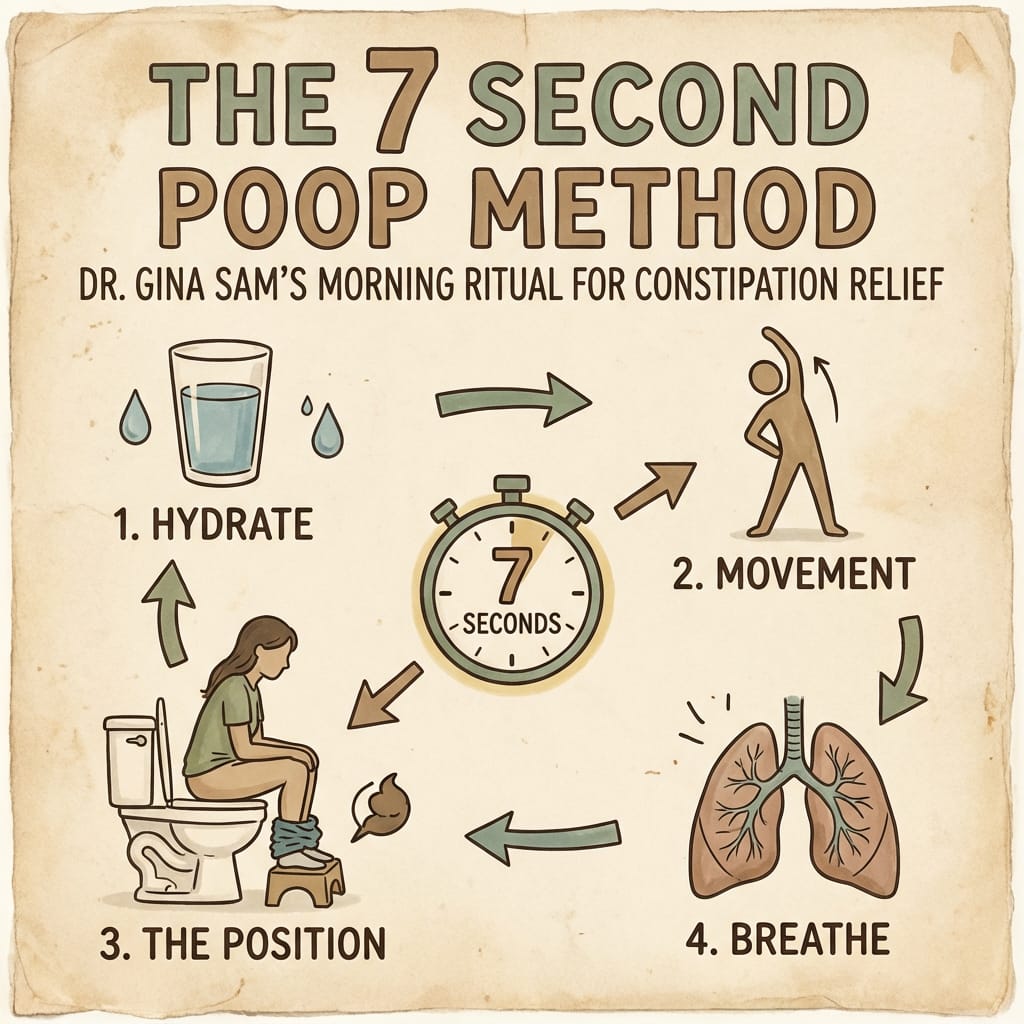
The 7 second poop method isn’t about achieving lightning-fast bowel movements in literally seven seconds. Instead, it’s a quick morning ritual that takes just minutes to set up your digestive system for more efficient, comfortable elimination. This science-backed approach combines four key elements: warm water intake, gentle stretches, deep breathing exercises, and optional apple cider vinegar supplementation.
Dr. Sam’s method gained massive popularity on social media platforms, with millions of people sharing their success stories. The appeal lies in its simplicity—no expensive supplements, no complicated equipment, just a structured morning routine that works with your body’s natural digestive rhythms.
What is the 7 Second Poop Method?

Dr. Gina Sam, a board-certified gastroenterologist specializing in digestive disorders, developed this morning routine to help people achieve regular bowel movements without medication. The “7 seconds” refers to how quickly you can initiate the routine, not the duration of your bathroom visit.
The method consists of four main components performed immediately upon waking:
- Hydration Protocol: Drinking 8 ounces of warm water, optionally with apple cider vinegar
- Movement Sequence: Performing specific yoga poses targeting the abdominal area to encourage healthy digestion and bowel movements
- Breathing Exercises: Deep diaphragmatic breathing to activate the parasympathetic nervous system and encourage regular bowel movements
- Timing Consistency: Maintaining the same morning ritual daily to train your digestive system
Unlike many viral health trends that lack scientific foundation, this poop method aligns with established principles of digestive health. The routine leverages your body’s natural gastrocolic reflex—the urge to have a bowel movement after eating or drinking—which is strongest in the morning hours.
The beauty of this approach lies in its accessibility. You don’t need special equipment or expensive supplements. Everything required is already available in your home, making it an ideal solution for busy professionals and anyone seeking to improve their digestive health naturally.
The Science Behind the Method
Understanding why the 7 second poop method works requires examining how each component affects your digestive system. Research supports the individual elements that make this morning routine effective for promoting regular bowel movements.
Gastrocolic Reflex Stimulation
When you drink warm water immediately after waking, you activate the gastrocolic reflex. This physiological response occurs when your stomach stretches, sending signals to your colon to increase motility. Studies show that warm water is particularly effective at stimulating this reflex compared to cold beverages.
Research published in gastroenterology journals indicates that individuals consuming 25 grams of daily fiber combined with 1.5-2 liters of fluid intake experienced significantly improved constipation relief. The morning hydration component of Dr. Sam’s method capitalizes on this proven hydration-fiber synergy.
Yoga and Intestinal Motility

The gentle stretches and yoga poses incorporated in this method aren’t arbitrary choices. Clinical studies have demonstrated that specific yoga poses can improve intestinal motility and reduce constipation severity. The wind relieving pose (Pawanmuktasana) creates gentle abdominal compression that mechanically stimulates the colon.
These yoga poses also help relax the muscles of the rectal area, reducing straining and making elimination easier.
Research involving participants with chronic constipation showed that regular yoga practice improved stool frequency and reduced straining. The poses work by increasing blood flow to digestive organs and providing gentle massage to the intestinal tract.
Vagus Nerve Activation
Deep breathing exercises play a crucial role in digestive health through vagus nerve stimulation. The vagus nerve controls the parasympathetic nervous system—your body’s “rest and digest” mode. When activated, it increases digestive enzyme production and promotes healthy gut motility.
Studies on heart rate variability, a marker of vagal tone, show that controlled breathing exercises enhance parasympathetic activity. This translates to improved digestive function and more regular bowel movements. Stress and anxiety, which suppress the vagus nerve, are common contributors to constipation.
Acetic Acid Benefits
Apple cider vinegar contains acetic acid, which may support digestion by improving gastric emptying and enhancing stomach acid production. While research on apple cider vinegar for constipation specifically is limited, studies suggest it may help with overall digestive health when used appropriately.
Step-by-Step Instructions
Success with the 7 second poop method depends on consistent execution and proper technique. Perform this routine immediately upon waking, before checking your phone or consuming caffeine, to maximize its effectiveness.
Morning Hydration Protocol
Step 1: Prepare Your Water
- Fill an 8-ounce glass with warm (not hot) water
- Water temperature should be comfortable to drink quickly—around room temperature to slightly warm
- Avoid ice-cold water, which can shock your digestive system
Step 2: Optional Apple Cider Vinegar Addition
- Add 1-2 teaspoons of raw, unfiltered apple cider vinegar to your water
- Always dilute the vinegar—never consume it straight
- Stir thoroughly to ensure proper mixing
- Start with 1 teaspoon if you’re new to adding apple cider vinegar
Step 3: Drink Immediately
- Consume the entire glass within 2-3 minutes of waking
- Drink at a comfortable pace—don’t chug it aggressively
- This timing is crucial for maximizing the gastrocolic reflex
Remember to drink plenty of water throughout the day to support digestive health and promote regular bowel movements.
Movement and Stretching Sequence

Wind Relieving Pose (Pawanmuktasana)
- Lie on your back on a comfortable surface
- Bring your right knee toward your chest
- Hold for 30 seconds while breathing normally
- Repeat with your left knee
- Finally, bring both knees to chest for 30 seconds
- This pose helps release trapped gasses and stimulates colon movement
Gentle Spinal Twist
- Remain lying on your back
- Bring your knees to chest, then lower them to your right side
- Keep your shoulders flat on the ground
- Hold for 15-20 seconds, then repeat on the left side
- This movement massages internal organs and promotes digestive flow
Modified Child’s Pose
- Sit back on your heels
- Fold forward, extending your arms in front of you
- Rest your forehead on the ground or a pillow
- Hold for 30-45 seconds while focusing on deep breathing
- This pose calms the nervous system and encourages parasympathetic activation
Breathing Technique Protocol
The breathing component is essential for activating your body’s rest and digest response. Practice this technique during and after your movement sequence:
- Inhale slowly through your nose for 4 counts
- Hold your breath gently for 4 counts
- Exhale through your mouth for 6 counts
- Repeat this cycle 5-8 times
- Focus on breathing into your belly rather than your chest
This breathing pattern stimulates the vagus nerve and shifts your body away from morning stress responses that can inhibit digestive function.
The Second Poop Phenomenon
If you’ve ever noticed the urge for a second bowel movement shortly after your first, you’re not alone—this is known as the “second poop phenomenon.” Many people who adopt the 7 second poop method as part of their morning routine report this experience, and it’s actually a positive sign that your digestive system is responding well to the new habits.
The second poop phenomenon occurs when your body, after being gently stimulated by warm water, deep breathing, and targeted stretches, is able to fully activate the natural movement of your bowels. This process helps release trapped gasses and encourages the colon to complete its job, resulting in a second, often more complete, bowel movement. For those struggling with chronic constipation, this can mean a significant decrease in uncomfortable symptoms and a boost in overall digestive health.
Regular bowel movements are a key indicator of a healthy digestive system. By following the 7 second poop method, you’re not just aiming for a single morning elimination—you’re supporting your body’s ability to move stool efficiently and consistently. The gentle stimulation from this method can help your body “wake up” and finish the digestive process, making it easier to pass stool without straining.
Experiencing a second poop is a sign that your gut is responding to improved hydration, increased blood flow, and the release of trapped gasses. Over time, this can lead to fewer episodes of constipation, less bloating, and a more predictable bathroom schedule. If you notice this happening after starting the method, consider it a win for your digestive health and a step toward more regular, comfortable bowel movements.
Benefits and Expected Results

Most people following the 7 second poop method consistently report improvements within 3-7 days. However, individual results vary based on the severity of constipation and overall digestive health.
Immediate Benefits (Within First Week)
- Reduced straining during bowel movements
- Softer stool consistency due to improved hydration
- More predictable timing of morning bowel movements
- Decreased bloating and abdominal discomfort
- Better overall hydration status throughout the day
Long-term Improvements (2-4 Weeks)
- Established morning routine that supports digestive health
- Reduced risk of hemorrhoids and anal fissures from chronic straining
- Improved energy levels from better elimination
- Enhanced mind-body connection through mindful morning practices
- Potential weight management support through improved digestion
The 7 second poop method and its components are relevant strategies for improving digestive health and managing constipation. The method works best when combined with adequate fiber intake and regular physical activity. Many healthcare professionals recommend this approach as a first-line treatment for functional constipation before considering medication options.
Timeline for Optimal Results
Week 1: Focus on consistency and proper technique. You may notice softer stools and less straining.
Week 2: Most people develop a natural urge for morning bowel movements around the same time daily.
Week 3-4: Full benefits typically manifest, including reliable morning elimination and reduced digestive discomfort.
Remember that this method targets lifestyle-related constipation rather than underlying medical conditions. If you don’t see improvement after two weeks of consistent practice, consult with a healthcare provider to rule out other causes.
Apple Cider Vinegar: Usage and Precautions

Apple cider vinegar serves as an optional enhancement to the basic 7 second poop method. While not essential for success, many people find adding apple cider vinegar improves their results.
How ACV Supports Digestion
Acetic acid in apple cider vinegar may stimulate digestive enzyme production and improve gastric emptying. Some research suggests it can help balance stomach pH and support beneficial gut bacteria growth. However, the evidence for constipation relief specifically remains limited.
Proper Usage Guidelines
- Maximum daily dosage: 2 tablespoons, always diluted
- Start with 1 teaspoon to assess tolerance
- Use raw, unfiltered varieties with “the mother” for potential probiotic benefits
- Never consume undiluted apple cider vinegar
- Drink through a straw to protect tooth enamel
Who Should Avoid ACV
Certain individuals should skip the apple cider vinegar component entirely:
- People with acid reflux or gastroesophageal reflux disease (GERD)
- Those with stomach ulcers or gastritis
- Individuals taking diabetes medications (ACV can affect blood sugar)
- Anyone with severe dental problems or enamel erosion
- People on blood thinning medications
Safe Alternatives
If you cannot tolerate apple cider vinegar, consider these alternatives:
- Lemon juice in warm water (1-2 teaspoons)
- Plain warm water with a pinch of sea salt
- Herbal teas like ginger or peppermint
- Simply stick to warm water alone—the method still works effectively
Who Should Try This Method
The 7 second poop method works best for specific populations and types of digestive issues. Understanding whether you’re an ideal candidate helps set realistic expectations.
Ideal Candidates
- Adults experiencing occasional constipation (less than 3 bowel movements per week)
- Busy professionals seeking efficient morning routines
- Travelers dealing with schedule-related digestive disruption
- People preferring natural approaches over pharmaceutical interventions
- Individuals with mild to moderate functional constipation
Those Who Benefit Most The method proves most effective for lifestyle-related constipation caused by:
- Insufficient hydration
- Sedentary work environments
- Irregular sleep schedules
- High stress levels affecting digestion
- Poor morning routines lacking structure
Integration with Existing Treatments
This morning routine typically complements other constipation treatments well. Many healthcare providers recommend it alongside:
- Fiber supplementation programs
- Probiotic regimens
- Regular exercise routines
- Stress management techniques
- Dietary modifications
Always consult your healthcare provider before making significant changes to existing medication regimens or treatment plans.
Special Considerations for Different Groups
Seniors: May need modified yoga poses or shorter holds due to mobility limitations Pregnant Women: Should avoid certain stretches and consult their doctor before adding apple cider vinegar Athletes: Often see enhanced results due to already active lifestyles Shift Workers: May need timing modifications but can still benefit from the core principles
Limitations and When to Seek Medical Help

While the 7 second poop method helps many people, it’s not a cure-all for serious digestive disorders. Recognizing its limitations and knowing when to seek professional medical advice is crucial for your health and safety.
Warning Signs Requiring Immediate Medical Attention
Stop the method and contact a healthcare professional immediately if you experience:
- Severe abdominal pain that doesn’t resolve
- Blood in your stool or black, tarry stools
- Sudden changes in bowel habits lasting more than a few days
- Persistent nausea or vomiting
- Unexplained weight loss
- Fever accompanying digestive symptoms
These symptoms may indicate serious underlying conditions requiring professional evaluation and treatment.
When the Method Isn’t Sufficient
Chronic constipation lasting longer than three months often requires comprehensive medical evaluation. The 7 second poop method may not address:
- Structural abnormalities in the digestive tract
- Hormonal imbalances affecting digestion
- Medication side effects causing constipation
- Neurological conditions impacting gut motility
- Inflammatory bowel diseases
- Pelvic floor dysfunction
Expected Timeline for Improvement
If you don’t notice any improvement after two weeks of consistent daily practice, this suggests the need for a functional medicine approach or medical evaluation. Persistent constipation despite lifestyle modifications often indicates underlying issues requiring professional diagnosis.
If you have concerns about your digestive health or if symptoms persist, talk to your doctor or healthcare professional to discuss your situation and get personalized advice.
Integration with Medical Treatment
The method can typically be used alongside most medical treatments for constipation. However, always inform your healthcare provider about any new routines you’re implementing, especially if you’re taking medications for digestive disorders or other health conditions.
Common Mistakes and Troubleshooting
Success with the 7 second poop method depends on proper execution and consistency. Avoid these common errors that can reduce effectiveness or cause discomfort.
Water Temperature Errors Using water that’s too hot can shock your digestive system and potentially cause nausea. Conversely, ice-cold water may not effectively trigger the gastrocolic reflex. Aim for warm, comfortable temperature—similar to what you’d use for drinking tea.
Timing Inconsistencies The method works best when performed immediately upon waking, before your body activates stress responses from checking phones, emails, or rushing into daily activities. Even a 15-minute delay can reduce effectiveness by allowing cortisol and other stress hormones to suppress digestive function.
Rushing Through Movements Each yoga pose and stretch should be performed mindfully, not rushed. Quick, aggressive movements don’t provide the gentle massage your digestive organs need. Focus on slow, controlled movements with attention to breathing patterns.
Apple Cider Vinegar Overuse Starting with too much apple cider vinegar or using it undiluted commonly causes stomach upset, nausea, or acid reflux. Begin with just 1 teaspoon diluted in 8 ounces of water, and increase gradually only if well-tolerated.
Inconsistent Practice Sporadic implementation won’t yield results. Your digestive system needs time to adapt and establish new patterns. Missing multiple days breaks the rhythm you’re trying to create.
Troubleshooting Common Issues
Issue: Nausea after drinking warm water Solution: Reduce water temperature, drink more slowly, or try room temperature water initially
Issue: No urge to have bowel movements after a week Solution: Increase fiber intake gradually, ensure adequate daily fluid consumption, add gentle abdominal massage
Issue: Poses feel uncomfortable or cause pain Solution: Modify positions for your comfort level, use pillows for support, or consult a yoga instructor for alternatives
Enhancing Results with Lifestyle Changes
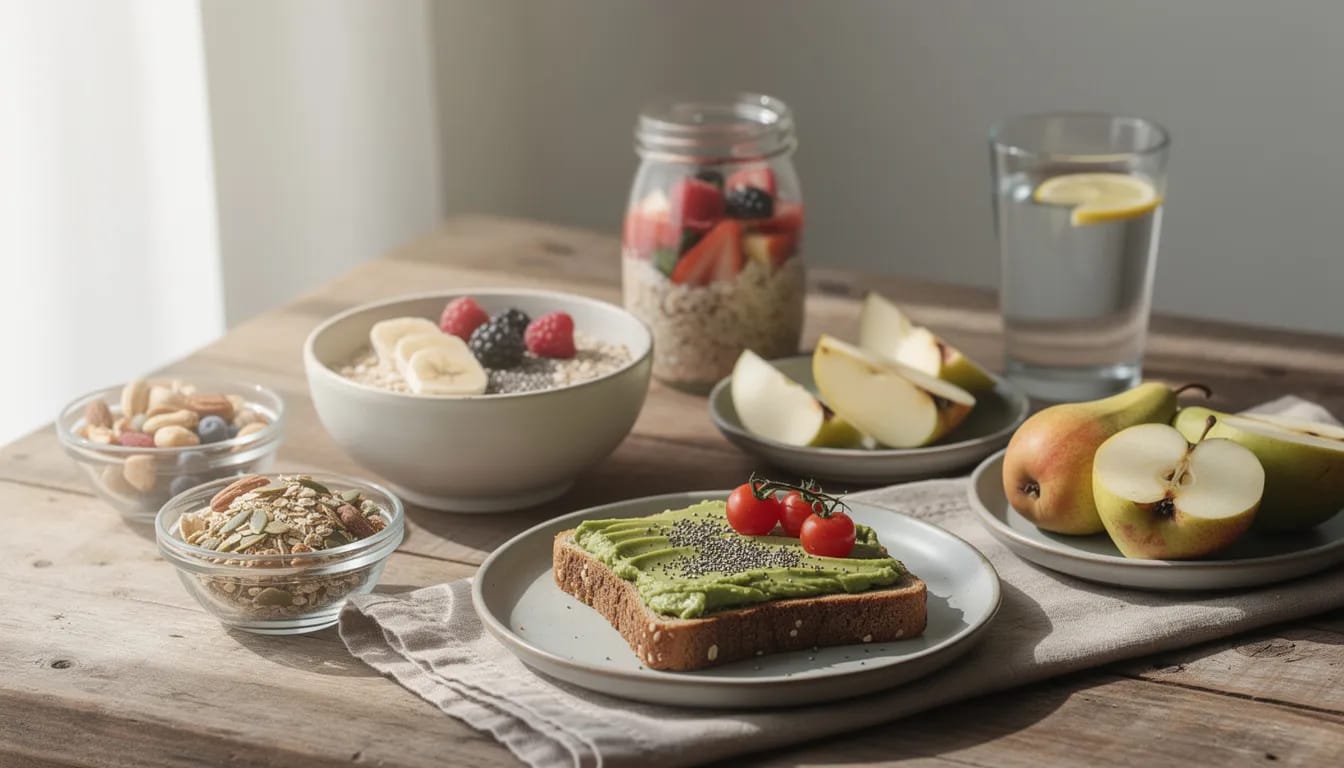
The 7 second poop method works best as part of a comprehensive approach to digestive health. These additional strategies can significantly enhance your results and support long-term digestive wellness.
Dietary Modifications
Gradually increase your daily fiber intake to 25-35 grams through whole food sources:
- Breakfast: Add ground flaxseed or chia seeds to oatmeal (3-5g fiber)
- Lunch: Include legumes like black beans or lentils (7-8g fiber per half cup)
- Dinner: Choose whole grains like quinoa or brown rice (3-4g fiber per serving)
- Snacks: Eat fresh fruits with skin, raw vegetables, or nuts
Remember to increase fiber gradually over 2-3 weeks to avoid bloating or gas. Always pair increased fiber intake with adequate fluid consumption—aim for at least 8-10 glasses of water daily.
Optimal Toilet Positioning
Your body position during bowel movements significantly affects ease and completeness of elimination:
- Use a footstool to elevate your knees above hip level
- This creates a squatting position that straightens the rectum
- Lean slightly forward to reduce straining
- Avoid staying seated for extended periods—if nothing happens within 10 minutes, try again later
Exercise Recommendations
Beyond the morning routine, regular physical activity supports healthy digestion:
- Daily walks of 20-30 minutes stimulate intestinal motility
- Yoga classes 2-3 times per week enhance flexibility and stress reduction
- Core strengthening exercises support abdominal muscle function
- Swimming provides low-impact full-body movement that aids digestion
Sleep and Stress Management
Quality sleep and techniques that reduce stress play crucial roles in digestive health and regular bowel movements:
- Maintain consistent sleep schedules to support circadian digestive rhythms
- Practice relaxation techniques like meditation or deep breathing throughout the day to help reduce stress
- Limit caffeine and alcohol, which can disrupt sleep and digestive function
- Consider stress-reduction activities like reading, gentle music, or aromatherapy
Frequently Asked Questions
Can you do this method multiple times per day?
The 7 second poop method is designed as a once-daily morning ritual. Performing it multiple times may lead to excessive water intake or digestive overstimulation. If you feel the need for additional digestive support throughout the day, focus on staying hydrated, eating fiber-rich foods, and taking short walking breaks.
How long before seeing results?
Most people notice initial improvements in stool consistency and reduced straining within 3-7 days of consistent practice. Full benefits, including regular morning bowel movements, typically develop within 2-4 weeks. Remember that individual results vary based on baseline digestive health and consistency of practice.
Can I adapt the method during travel?
Absolutely. The method’s simplicity makes it travel-friendly:
- Bring apple cider vinegar in small containers if desired
- Perform modified poses on hotel room floors or beds
- Maintain the warm water and breathing components even if space is limited
- Try to wake up at consistent times despite schedule changes
Are there medication interactions?
The method itself rarely interacts with medications. However, apple cider vinegar can affect blood sugar levels and may interact with diabetes medications or blood thinners. Always consult your healthcare provider about any new routine if you take prescription medications.
Is it safe during pregnancy and breastfeeding?
Pregnant women should modify the yoga poses to avoid deep abdominal compression and consult their healthcare provider before adding apple cider vinegar. The warm water and gentle breathing components are generally safe. Breastfeeding mothers can typically perform the full routine, but should discuss any concerns with their doctor.
What if I have acid reflux?
People with acid reflux should skip the apple cider vinegar component entirely and may need to use room temperature rather than warm water. The yoga poses and breathing exercises typically help with acid reflux by promoting proper digestion and reducing stress.
Tips for Success
For best results with the 7 second poop method, try these tips: stay consistent with your morning routine, drink enough water, eat a fiber-rich diet, and practice the recommended breathing and yoga poses daily. Listen to your body and make adjustments as needed for your comfort and digestive health.
Alternative Approaches for Stubborn Cases
When the basic 7 second poop method doesn’t provide sufficient relief after consistent practice, consider these additional strategies to enhance digestive function.
Additional Yoga Poses
Cat-Cow Pose: Start on hands and knees, alternate between arching and rounding your spine. This gentle movement massages abdominal organs and promotes spinal flexibility.
Seated Spinal Twist: Sit cross-legged, place one hand behind you for support, twist gently to one side while breathing deeply. Hold for 30 seconds each side to stimulate digestive organs.
Happy Baby Pose: Lie on your back, bring knees toward chest, and hold the outsides of your feet. Rock gently side to side to massage the lower back and stimulate digestion.
Abdominal Massage Techniques
Gentle abdominal massage can complement the morning routine:
- Place both hands on your lower abdomen
- Apply gentle pressure and move in clockwise circles
- Start with small circles around the navel, gradually expanding
- Spend 3-5 minutes massaging after your yoga sequence
- Focus on areas that feel tense or uncomfortable
Timing Modifications for Different Schedules
Shift Workers: Perform the routine 30-60 minutes after waking, regardless of time of day. Your body will adapt to the new schedule with consistency.
Early Commuters: Prepare warm water the night before in a thermos. Perform breathing exercises and modified poses even while getting ready.
Variable Schedules: Focus on maintaining the sequence order rather than exact timing. The key is consistency in the routine structure.
When to Consider Functional Medicine Evaluation
If digestive issues persist despite 4-6 weeks of consistent practice and lifestyle modifications, consider comprehensive evaluation for root causes:
- Food sensitivities or allergies affecting digestion
- Small intestinal bacterial overgrowth (SIBO)
- Thyroid dysfunction impacting metabolism
- Heavy metal toxicity affecting gut health
- Chronic stress or trauma affecting the gut-brain axis
A functional medicine approach examines these underlying factors through specialized testing and personalized treatment protocols. This comprehensive evaluation can identify specific imbalances that simple lifestyle changes cannot address.
Working with a healthcare professional who understands both conventional and functional medicine approaches ensures you receive appropriate treatment for complex or persistent digestive issues while maintaining the beneficial aspects of Dr. Sam’s morning routine.
The 7 second poop method represents an excellent starting point for improving digestive health naturally. When combined with proper nutrition, regular exercise, stress management, and professional guidance when needed, it can be part of a comprehensive approach to optimal digestive wellness.
Remember that sustainable digestive health requires patience, consistency, and sometimes professional support. Start with this simple morning routine, track your progress, and don’t hesitate to consult with a healthcare provider if you need additional assistance achieving regular, comfortable bowel movements.