
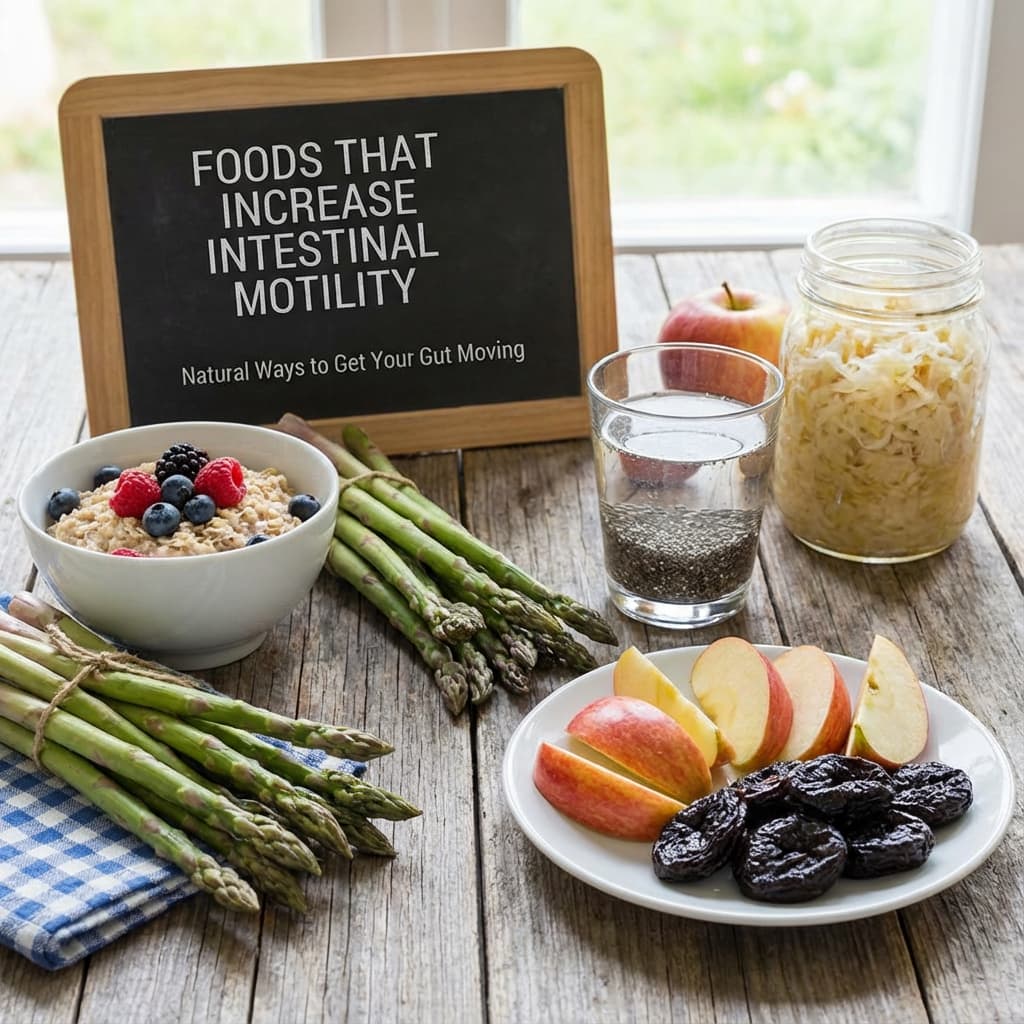
Feeling like your digestive system has hit the brakes and everything’s moving at the speed of molasses? You’re definitely not alone. When your gut decides to take an unscheduled vacation, it affects everything from your energy levels to your mood. The good news? Your kitchen might already hold the keys to getting things moving again.
Intestinal motility – basically how well your digestive tract moves food through your system – can be dramatically improved with the right foods (often referred to as ‘good foods’ for digestion, as they help promote healthy digestion and prevent issues like constipation). We’re talking about natural, scientifically-backed options that work with your body’s own mechanisms to restore healthy digestive function and get you back to feeling like yourself again.
Top Foods That Boost Intestinal Motility
Let’s cut straight to the chase. Here are the heavy hitters when it comes to what foods increase intestinal motility:
The Quick-Win List:
- Prunes – Nature’s most famous gut motivator, packed with sorbitol and fiber
- Kiwifruit – Clinical studies show 2-4 daily can significantly improve bowel movements
- Apples – The pectin and fiber combo that feeds your gut bacteria perfectly
- Leafy greens – Spinach, kale, and arugula add bulk and essential nutrients
- Whole grains – Oats, brown rice, and quinoa provide sustained digestive support
- Legumes – Beans and lentils are fiber powerhouses that fuel good bacteria
Fresh ginger is also a good source of nutrients and dietary fiber, and can be included in your diet to support intestinal motility.
Each of these foods works through different mechanisms. Prunes contain sorbitol, a natural sugar alcohol that draws water into your intestines, while kiwifruit has unique enzymes that help break down proteins and increase gut water content. Leafy greens provide both soluble and insoluble fiber, creating the perfect bulk for muscle contractions to work with.
Understanding Intestinal Motility and Digestive Movement
Think of intestinal motility as your digestive system’s transportation network. It’s the coordinated wave-like muscle contractions (called peristalsis) that push food through your entire gastrointestinal tract – from your stomach all the way through your small intestine and large intestine.
When this system works smoothly, you barely notice it. But when it slows down, you definitely feel it: bloating, constipation, that uncomfortable “stuck” sensation, and sometimes even digestive problems that affect your whole day. Chronic constipation has also been associated with an increased risk of colorectal cancer, according to some studies, highlighting the importance of managing motility to reduce this risk.
Several factors influence how well your gut moves things along. Physical activity helps stimulate these muscle contractions, while stress can literally freeze your digestive system in its tracks. Adequate hydration is crucial because fiber needs water to do its job effectively. And then there’s diet – the foods you choose can either support healthy gut bacteria and smooth transit, or slow everything down to a crawl.
The connection between what you eat and how well your digestive tract functions is actually pretty fascinating. When you consume fiber rich foods, they feed the good bacteria in your gut, which produce short-chain fatty acids that directly stimulate intestinal motility. It’s like giving your digestive system the fuel it needs to keep moving.
Fiber-Rich Foods for Enhanced Gut Movement
Here’s where things get interesting. Not all fiber is created equal, and understanding the difference can be a game-changer for your digestive health. Much research has been conducted on the effects of dietary fiber on gut microbiota, motility, and constipation, highlighting its importance for digestive health.
Soluble fiber dissolves in water to form a gel-like substance. It’s what you find in oats, apples, and beans. This type of fiber ferments in your colon, feeding healthy gut bacteria and producing those beneficial short-chain fatty acids we mentioned.
Insoluble fiber doesn’t dissolve in water – it’s the stuff that adds bulk to your stool and helps everything move through your digestive system more efficiently. Think vegetable skins, wheat bran, and nuts.
Your target? About 25-38 grams of dietary fiber daily, but here’s the key: increase gradually. Jump from 10 grams to 35 grams overnight, and you’ll be dealing with gas, bloating, and potentially worse digestive problems than you started with.
Types of Fiber and Their Role in Gut Motility
When it comes to keeping your digestive system humming along like a well-oiled machine, here’s the thing nobody tells you: not all fiber is created equal. There are two main players in this game—soluble and insoluble fiber—and each one has its own special superpower when it comes to keeping your gut happy and your bathroom visits… let’s say, more predictable.
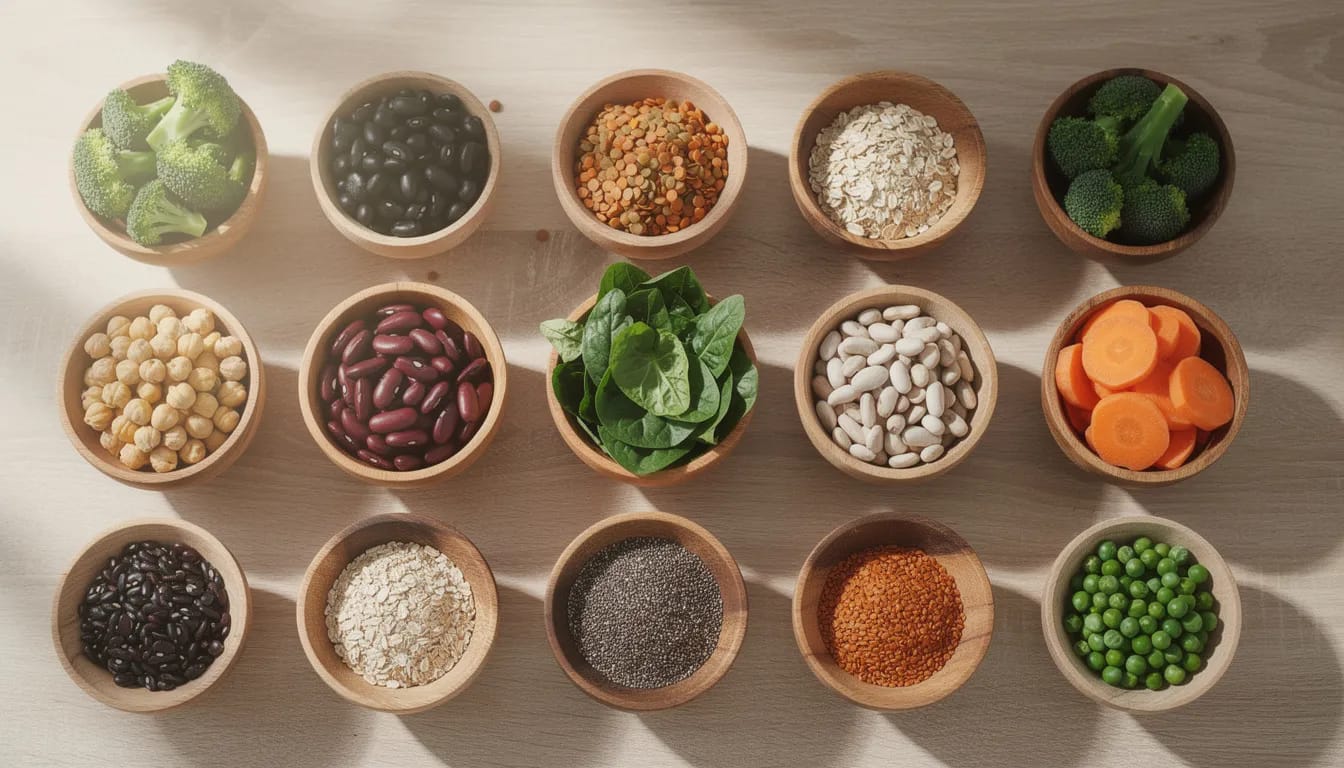
Soluble fiber is the smooth operator you’ll find hanging out in leafy greens, apples, citrus fruits, and whole grains. This clever little guy dissolves in water and turns into this gel-like substance in your digestive tract (think of it as nature’s internal lubricant, but way less weird than that sounds). That gel slows things down just enough to give your body the VIP treatment for nutrient absorption while making your stools softer and way easier to pass. If you’re dealing with irritable bowel syndrome or you’re tired of feeling like a bloated balloon animal, soluble fiber is your new best friend. Plus, it’s basically a five-star meal for your good gut bacteria, keeping your microbiome balanced and your digestive system running like clockwork.
Insoluble fiber, on the flip side, is the no-nonsense type that doesn’t mess around with dissolving in water. You’ll find this tough cookie in brown rice, whole grains, and pretty much every vegetable that’s good for you. Insoluble fiber is like that friend who gets stuff done—it adds bulk to your stool and helps everything move through your digestive highway more efficiently. This is your secret weapon against chronic constipation and those frustrating days when nothing seems to be happening down there. By getting those colon muscles contracting like they’re supposed to, insoluble fiber keeps your whole digestive operation active and running smoothly.
Here’s where it gets good: you need both types of fiber working together for a truly happy gut. Think of them as the ultimate digestive dream team. Fiber doesn’t just support your good bacteria—it’s like hiring a security team that protects you from all sorts of digestive drama like constipation, irritable bowel syndrome, and even inflammatory bowel disease. When your gut bacteria are well-fed with fiber, they’re basically throwing a party and producing all these beneficial compounds that keep your digestive tract in championship form.
Now, let’s talk about the supporting cast that makes this whole show work even better. Physical activity and staying hydrated aren’t just nice-to-haves—they’re absolutely essential for keeping things moving. Regular movement is like giving your digestive muscles a personal trainer, stimulating them to do their job properly. And drinking enough water? That’s what lets fiber work its magic, softening everything up and making your bathroom visits less of a wrestling match and more of a gentle farewell.
To really maximize your digestive game, you want to load up on a variety of fiber-rich foods like leafy greens, whole grains, fruits, and vegetables. These powerhouses aren’t just fiber superstars—they’re also packed with vitamins, minerals, and antioxidants that’ll have your whole body thanking you. Meanwhile, those high-fat, low-fiber diets full of fried foods and red meat? They’re basically putting your gut in slow motion and setting you up for a world of digestive frustration.
Here’s the bottom line: make fiber your daily sidekick, keep moving that body of yours, and stay hydrated. Do this consistently, and you’ll be giving your gut everything it needs to perform at peak levels. These small, totally doable changes can completely transform your digestive health, leaving you feeling lighter, more energized, and ready to absolutely crush whatever the day throws at you. Your gut will thank you, and honestly, so will everyone who doesn’t have to wait for you to finish your bathroom marathon anymore.
Fruits That Stimulate Intestinal Movement
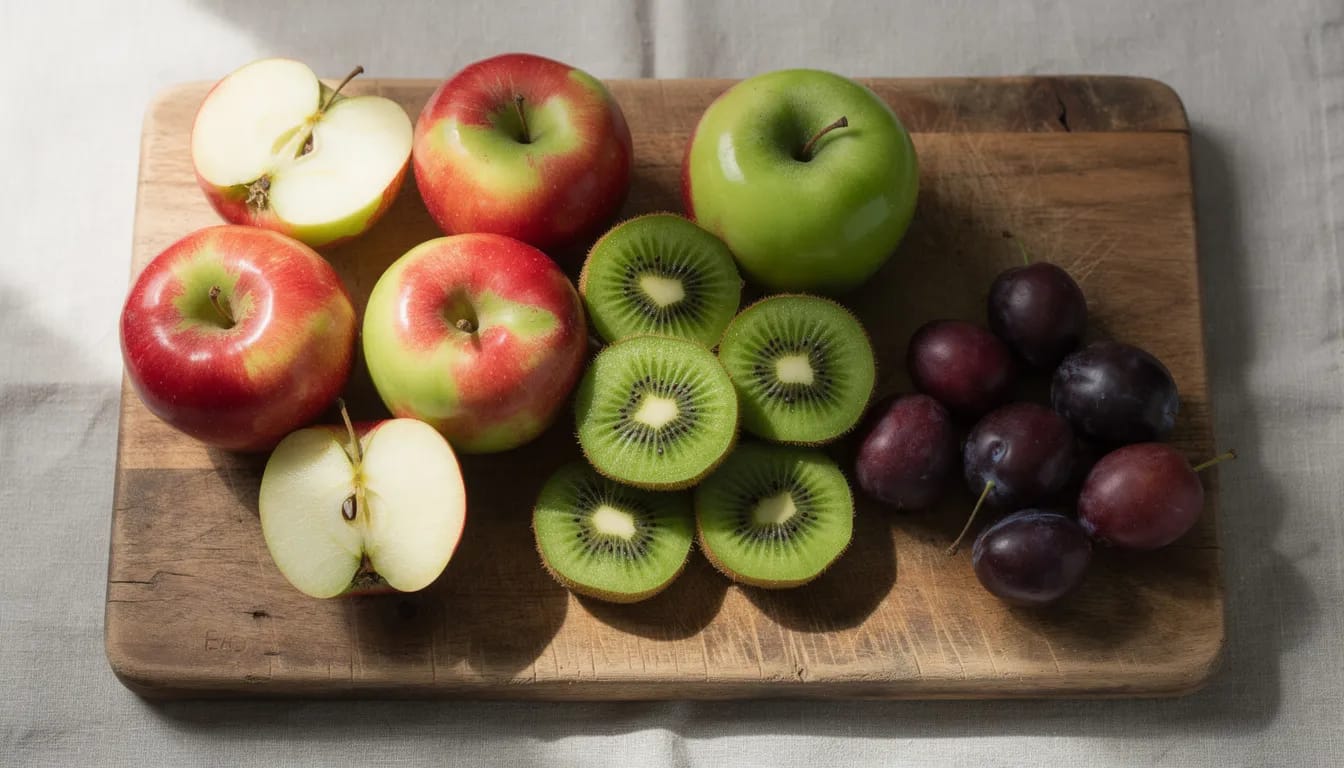
Prunes deserve their reputation as digestive superstars. They contain about 6 grams of fiber per half-cup serving, plus sorbitol – a natural sugar alcohol that acts like a gentle osmotic laxative. Clinical studies consistently show that prunes increase fecal weight and improve bowel movement frequency, making them one of the most reliable natural options to relieve constipation.
Kiwifruit is having a moment in digestive research, and for good reason. Studies using 2-4 kiwifruits daily showed significant increases in small bowel water content and softer stools. The fruit contains actinidin, an enzyme that may help with protein digestion, plus about 3 grams of fiber per fruit.
Apples bring pectin to the party – a type of soluble fiber that feeds beneficial gut bacteria. The saying “an apple a day” might need updating to “an apple with the skin on keeps constipation away.” Apple fiber isolate has been shown to reduce gut transit time in human studies.
Citrus fruits like oranges and grapefruits provide both soluble and insoluble fiber, plus vitamin c. Orange extract specifically has shown evidence of reducing gut transit time in research studies.
Berries – blueberries, raspberries, blackberries – are loaded with polyphenols and fiber. These compounds support the ideal gut microbiome by encouraging the growth of good bacteria that produce those gut-moving short-chain fatty acids.
Vegetables for Better Gut Transit
Leafy greens like spinach, kale, and arugula are nutritional powerhouses that also happen to be excellent for gut motility. They provide both types of fiber, essential minerals like magnesium (which has its own mild laxative effect), and they’re low in fermentable compounds that might cause gas in sensitive individuals.
Cruciferous vegetables – broccoli, Brussels sprouts, cabbage – are high fiber foods that also support overall gut health through their sulfur-containing compounds. These vegetables can help reduce bloating once your digestive system adjusts to them.
Root vegetables like sweet potatoes and carrots offer a nice balance of both fiber types. Sweet potatoes are particularly interesting because they contain resistant starch when cooled after cooking, which acts like a prebiotic for your gut bacteria.
Fermented vegetables deserve special mention. Sauerkraut (fermented cabbage) and kimchi don’t just provide fiber – they deliver beneficial probiotics that can directly support healthy digestive function and regular bowel movements.
Grains and Legumes for Digestive Health
The difference between whole grains and refined carbohydrates when it comes to gut motility is dramatic. White bread and other refined options have been stripped of their fiber and nutrients, while whole grains like oats, brown rice, and quinoa maintain their digestive benefits.
Oats contain beta-glucan, a particularly effective type of soluble fiber that forms a gel in your digestive tract and feeds beneficial bacteria. Studies show that oat-based porridges can improve both gut bacteria composition and motility.
Brown rice provides more fibre than its white counterpart, plus resistant starch that reaches your colon intact to feed good bacteria.
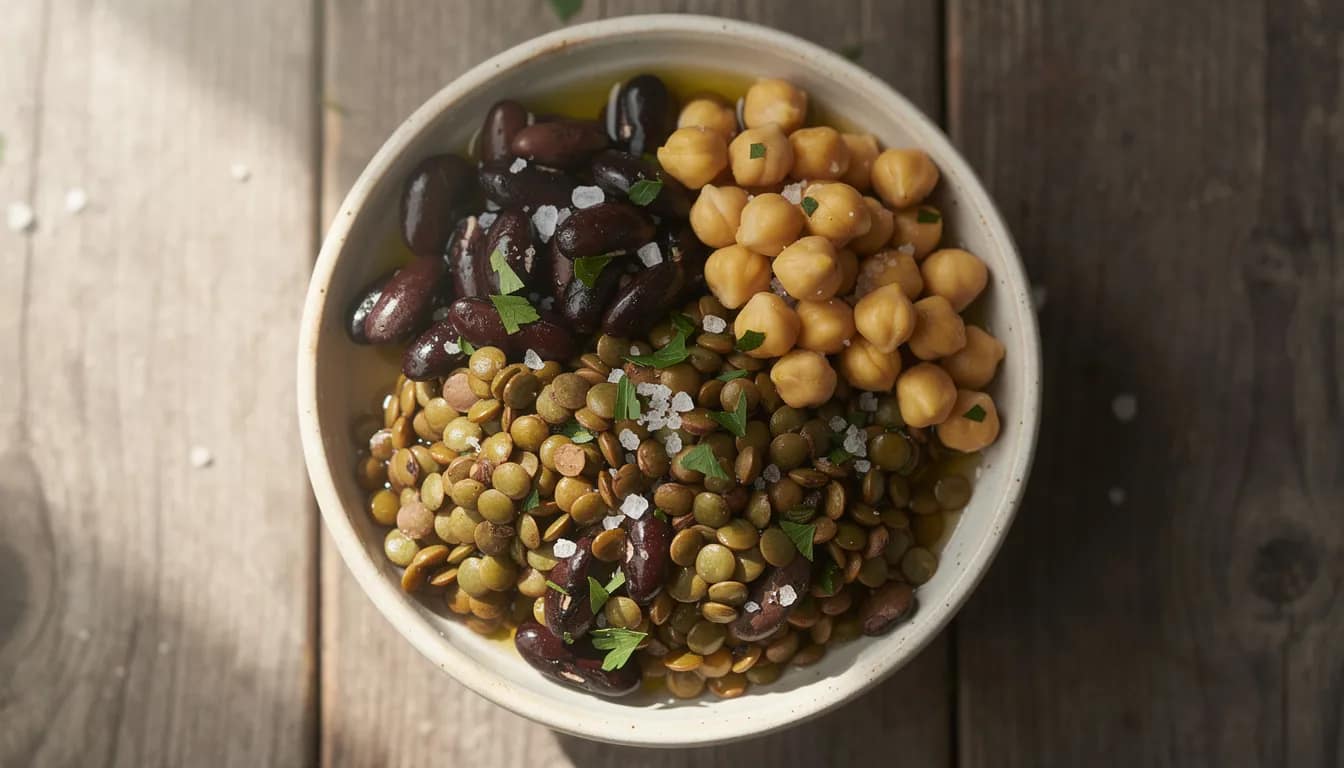
Legumes – beans, lentils, chickpeas – are absolute fiber powerhouses. A cup of cooked black beans delivers about 15 grams of fiber. They’re rich in both soluble and insoluble fiber, plus they provide protein that doesn’t come with the potential digestive-slowing effects of high fat foods.
The key with legumes is starting small if you’re not used to them. Begin with a quarter-cup serving a few times a week and gradually increase to prevent digestive discomfort.
Natural Compounds That Boost Gut Movement
Understanding what’s actually happening at the cellular level can help you make smarter food choices. Several natural compounds work together to keep your digestive system humming along.
Sorbitol is found naturally in stone fruits like prunes, apples, and pears. It’s a sugar alcohol that your body absorbs slowly, creating an osmotic effect that draws water into your intestines. This softens stool and stimulates movement. The research on prunes consistently shows this mechanism in action.
Polyphenols are plant compounds found in fruits, vegetables, tea, and coffee that support gut health in multiple ways. They encourage the growth of beneficial bacteria while discouraging harmful ones, and they may directly influence muscle contractions in the digestive tract.
Resistant starch acts like a prebiotic, feeding the good bacteria in your large intestine. You’ll find it in cooled potatoes, green bananas, and certain grains. When these bacteria ferment resistant starch, they produce short-chain fatty acids that directly stimulate gut motility.
Prebiotics are essentially food for your beneficial gut bacteria. Foods rich in prebiotics include onions, garlic, asparagus, and Jerusalem artichokes. These compounds help maintain the ideal gut microbiome that supports healthy digestive function.
Beverages and Liquids for Intestinal Motility
Hydration isn’t just about drinking water – though that’s crucial too. Specific beverages can actively support intestinal motility through various mechanisms.
Water is non-negotiable. Fiber needs adequate hydration to work properly. Without enough fluid intake, increasing fiber can actually worsen constipation. Aim for about 8-10 cups daily, more if you’re increasing your fiber intake.
Coffee is probably the most famous gut-stimulating beverage, and there’s solid science behind its reputation. Coffee stimulates muscle contractions throughout the digestive tract, often triggering bowel movements within 30 minutes of consumption. Both caffeinated and decaffeinated versions can be effective.
Prune juice offers a concentrated dose of sorbitol and fiber without requiring you to chew through multiple prunes. About 4-8 ounces can provide relief for many people with chronic constipation.
Warm beverages in general can help stimulate gut motility. The temperature itself seems to trigger digestive reflexes. Herbal teas like ginger tea can be particularly effective.
Apple juice provides some of the same benefits as whole apples, though with less fiber. It’s often better tolerated than prune juice by people who find that too intense.

Probiotics and Fermented Foods for Gut Health
The fermentation process that creates fermented foods also produces beneficial bacteria that can directly support intestinal motility. These aren’t just trendy health foods – there’s real science showing how probiotics influence gut movement.
Yogurt with live cultures provides beneficial bacteria that can help maintain regular bowel movements. Look for varieties that list specific probiotic strains like Lactobacillus or Bifidobacterium on the label. Greek yogurt also provides protein and has been shown to support overall gut health.
Kefir is like yogurt’s more diverse cousin, containing a wider variety of probiotic strains. Studies suggest that kefir may be particularly effective for digestive issues, including irritable bowel syndrome.
Kombucha and other fermented beverages offer probiotics in liquid form. They’re often easier to digest than dairy-based options for people with sensitivities.
Miso and tempeh provide probiotics along with plant-based protein. Miso soup can be particularly soothing for the digestive system while delivering beneficial bacteria.
The key is consistency. Having fermented foods regularly – ideally daily – seems to provide more benefits than occasional consumption.
Herbs and Spices That Enhance Digestion
Don’t underestimate the power of your spice rack. Certain herbs and spices have been used for centuries to support digestive health, and modern research is backing up much of this traditional wisdom.
Ginger is probably the most well-researched digestive spice. It accelerates gastric emptying – basically helping your stomach move food into your small intestine more quickly. Fresh ginger, ginger tea, or even crystallized ginger can be effective.
Peppermint works by relaxing intestinal muscles, which might seem counterintuitive, but it actually helps reduce spasms and allows for smoother movement through the digestive tract. Peppermint tea is particularly soothing.
Fennel seeds have been used traditionally to reduce gas and bloating. They contain compounds that may help relax digestive muscles and support overall gut health.
Turmeric offers anti-inflammatory benefits that support digestive health. Chronic inflammation can interfere with normal gut motility, so including anti-inflammatory spices in your diet can be helpful for maintaining healthy digestive function.
Foods to Limit for Better Intestinal Motility
Just as certain foods can help get things moving, others can slow down your digestive system or interfere with gut health. Understanding what to limit can be just as important as knowing what to add.
High fat foods, particularly processed and fried foods, can significantly slow gastric emptying and intestinal transit. Your digestive system has to work much harder to break down fats, and high fat meals can delay stomach emptying for hours.
Refined carbohydrates like white bread, pastries, and sugary snacks provide little fiber and can actually feed harmful gut bacteria. They’re so called “empty calories” that don’t support healthy digestive function.
Excessive dairy can be problematic for people with lactose sensitivity, leading to gas, bloating, and altered bowel movements. Even those without full lactose intolerance may find that large amounts of dairy slow things down.
Red meat and other high-protein, low-fiber foods can contribute to slower transit times, especially when they make up a large portion of your diet without adequate fiber intake to balance them out.
Fizzy drinks and carbonated beverages can contribute to gas and bloating, and the artificial sweeteners in diet versions can have laxative effects in some people, creating unpredictable digestive responses.
Practical Tips for Implementing Gut-Friendly Foods
Making changes to support intestinal motility doesn’t require a complete dietary overhaul overnight. In fact, gradual changes are much more likely to be sustainable and less likely to cause digestive upset.
Start small and build gradually. If you’re currently eating low-fiber foods, don’t jump immediately to 35 grams of fiber daily. Increase by about 5 grams per week to give your digestive system time to adapt.
Time your changes strategically. Begin new fiber-rich foods on days when you’ll be home and comfortable, just in case your system needs time to adjust.
Pair fiber increases with adequate hydration. For every additional serving of high fiber foods, add an extra glass of water to your daily intake.
Keep a simple food diary. Note which foods seem to help your digestion and which ones don’t agree with you. Individual responses to certain foods can vary significantly.
Consider food combinations. Pairing lean meat with plenty of vegetables ensures you’re getting protein without sacrificing digestive support. Adding a small serving of fermented foods to meals can boost beneficial bacteria.
Physical activity matters too. Even a 10-minute walk after meals can help stimulate gut motility and support digestion.
Don’t ignore other factors like stress management and sleep quality. Chronic stress can literally freeze your digestive system, while poor sleep disrupts the hormones that regulate gut function.
When dealing with persistent digestive problems or symptoms of inflammatory bowel disease, irritable bowel syndrome, or other medical conditions, it’s important to work with a registered dietitian or healthcare provider rather than trying to self-treat through diet alone.
Sample Daily Menu for Improved Intestinal Motility
Putting it all together, here’s what a gut-friendly day of eating might look like:
Breakfast Options:
- Steel-cut oats topped with sliced kiwifruit, ground flaxseed, and a handful of berries
- Greek yogurt with prunes and chopped walnuts
- Smoothie with spinach, apple, ginger, and kefir
Lunch Combinations:
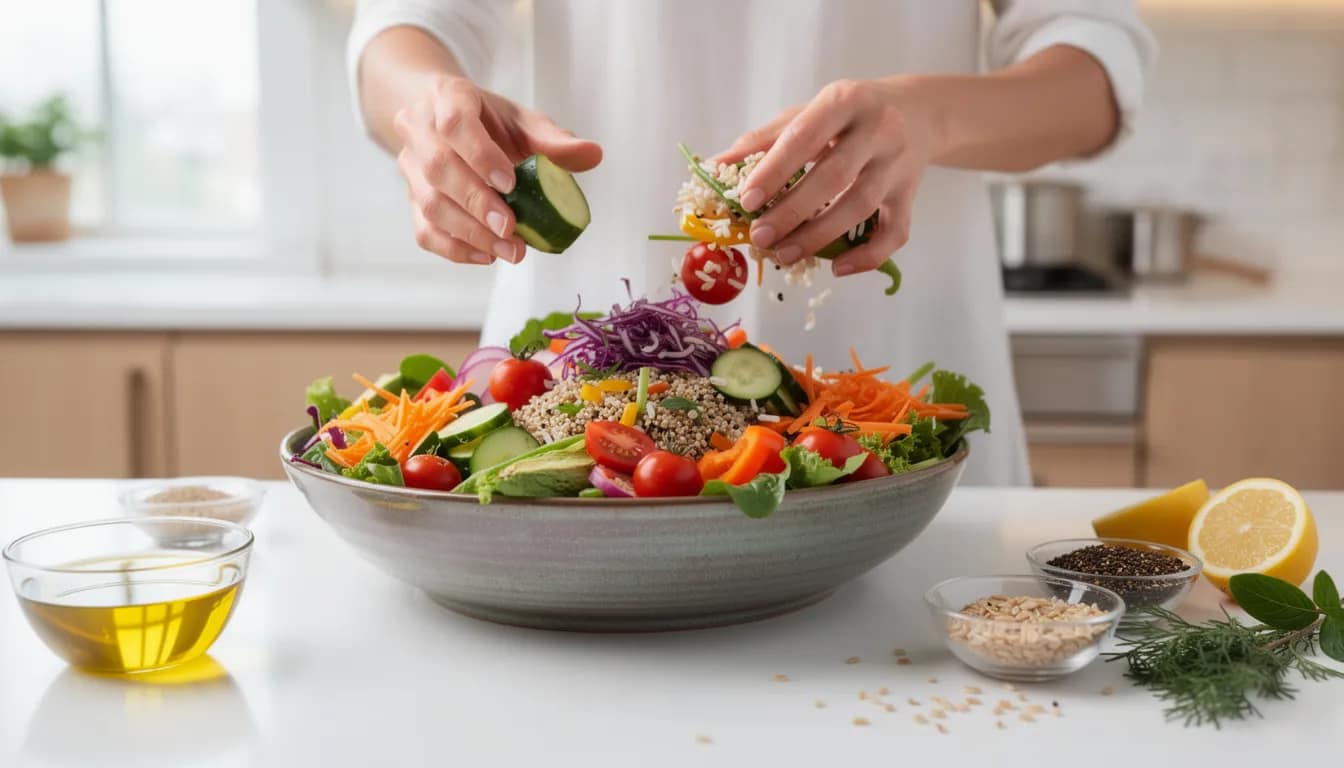
- Large salad with mixed greens, chickpeas, avocado, and olive oil dressing
- Lentil soup with a side of sauerkraut
- Brown rice bowl with roasted vegetables and a serving of fermented kimchi
Dinner Ideas:
- Grilled fish with steamed broccoli and quinoa
- Bean and vegetable chili with a small portion of whole grain bread
- Stir-fried vegetables with tofu over brown rice, seasoned with ginger and turmeric
Healthy Snacks:
- Apple slices with almond butter
- Small handful of dried fruits and nuts (watch portions to prevent constipation from too much fat)
- Herbal tea with a few squares of dark chocolate
Hydration Schedule:
- Start the day with warm water or herbal tea
- Continue with water throughout the day, aiming for clear or pale yellow urine
- Include prune juice or apple juice if needed for additional support
- End with caffeine-free herbal tea in the evening
The goal isn’t to eat every single gut-supporting food every day, but rather to include several good sources of fiber, probiotics, and gut-supporting nutrients regularly. Pay attention to how your body responds and adjust accordingly.
Remember: increasing intestinal motility naturally takes time. Give your digestive system 1-2 weeks to adapt to dietary changes before expecting significant improvements. Some people notice changes within days, while others may need several weeks of consistent dietary adjustments to see the full benefits.
Start with one or two changes that seem most appealing to you, and build from there. Your gut – and your overall sense of well-being – will thank you for the attention to these details that make such a difference in daily comfort and energy levels.