
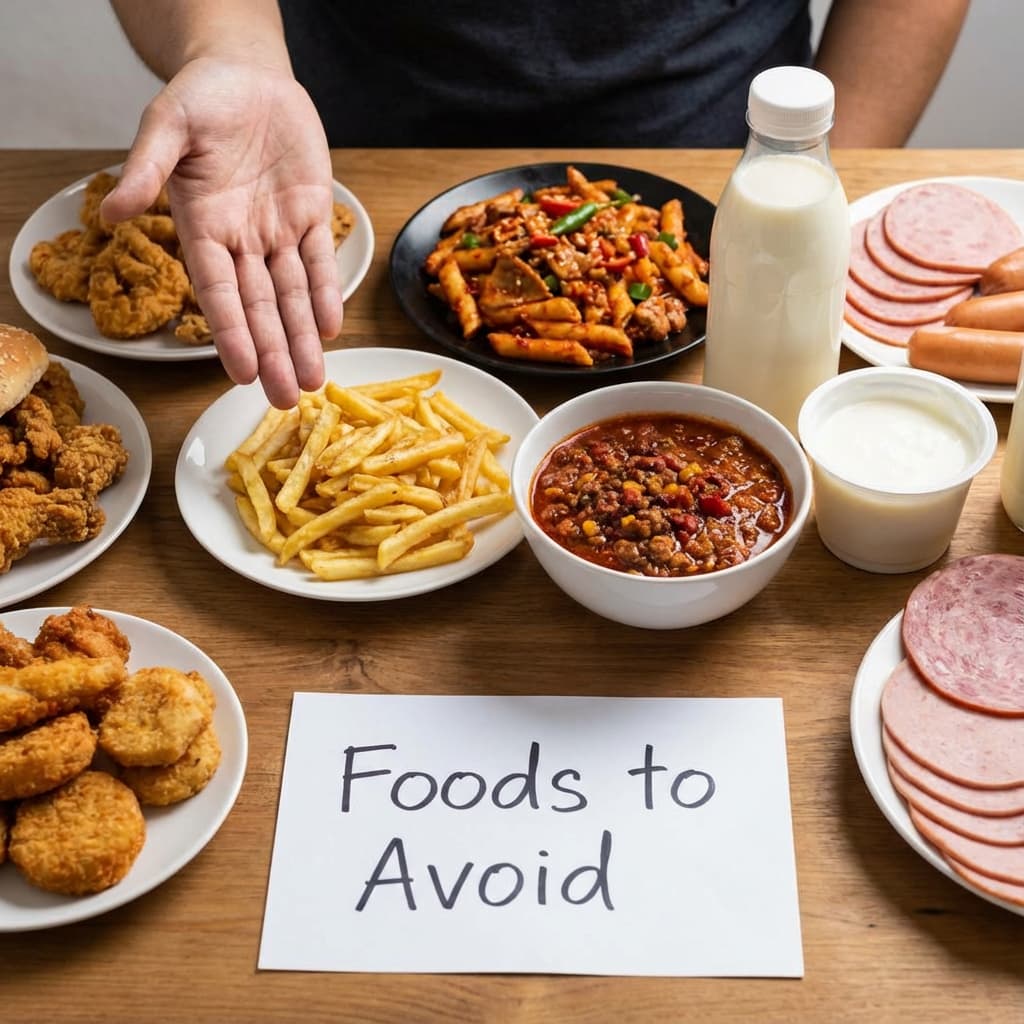
So your digestive system has been staging a rebellion. Maybe it’s the bloating that makes you look six months pregnant after lunch. Maybe it’s the gas that could clear a room. Or maybe it’s that urgent bathroom sprint that has become way too familiar.
Here’s the thing: what you eat matters more than almost anything else when it comes to digestive health. If you have a digestion problem, being careful with your diet is essential to prevent symptoms from getting worse.
And while everyone’s gut is a unique snowflake of sensitivity, certain foods show up on the “worst offenders” list again and again. The worst foods for digestive health—like ultra-processed foods, added sugars, and processed oils—can negatively impact your gut microbiome and should be avoided to support better digestion.
This guide breaks down exactly what foods to avoid if you have gastrointestinal problems—and what to eat instead so you’re not stuck living on plain rice and sadness. And remember, other foods beyond fried items, such as heavy cream, butter, and fatty meats, can also be high in fat and difficult to digest.
Overview: Key Foods That Worsen Common GI Symptoms
Let’s cut straight to it. Whether you’re dealing with heartburn, gas, bloating, diarrhea, or constipation, certain foods consistently make things worse. The goal here is to give you patterns to work with, not a prison sentence for your palate.
The major food categories to limit or avoid:
- Deep-fried and greasy foods (French fries, fried chicken, doughnuts)
- Ultra-processed foods with long ingredient lists
- Very high-fat meals (fatty red meat, cream sauces, buttery pastries)
- Spicy dishes with chili peppers and hot sauce
- Caffeine sources (coffee, energy drinks, strong tea)
- Alcohol (wine, beer, spirits)
- Acidic fruits (citrus, tomatoes)
- Chocolate
- Most dairy products
- Artificial sweeteners and sugar alcohols
- Corn and raw cruciferous vegetables like Brussels sprouts
Individual tolerance varies wildly. What destroys one person’s gut might be totally fine for another. Someone with irritable bowel syndrome will react differently than someone with acid reflux or inflammatory bowel disease.
And here’s the important disclaimer: if you’re dealing with chronic digestive problems, this article isn’t a substitute for actual medical care. See a gastroenterologist for a proper assessment and tailored plan. Self-diagnosing from the internet only gets you so far.

Understanding Gut Bacteria
Your gut is basically running a massive underground city with trillions of tiny workers—we’re talking about your gut bacteria, or as the science nerds call it, the gut microbiome! These microscopic little champions are basically the unsung heroes of your belly, working their butts off 24/7 to demolish your food, steal all the good nutrients for you, and even cook up vitamins your body desperately needs. When these bacterial buddies are living their best life and keeping things balanced, you get to enjoy that sweet, sweet smooth digestion without all the drama—no bloating, no gas explosions, no “why does my stomach hate me” moments!
But holy moly, when things go completely sideways—scientists call this fancy mess “dysbiosis” but let’s just call it “gut chaos”—that’s when your digestive system turns into a total nightmare! You’re suddenly dealing with bloating that makes you look six months pregnant, gas that could power a small aircraft, random stomach rebellion, and bathroom habits that make absolutely zero sense. It’s like your gut bacteria decided to throw the world’s worst house party and forgot to invite the good guys!
So how do you get these microscopic troublemakers back on your team? Feed those suckers exactly what they’re craving! Load up on fiber-packed superstars like fruits, vegetables, and whole grains—this stuff is basically premium fuel for your gut’s favorite residents, helping the good guys multiply like crazy and completely bulldoze the jerks causing all your problems. Throw in some fermented food wizardry like yogurt or kefir (basically probiotic power-ups), and you’re giving your gut the ultimate VIP treatment! The more you shower your digestive system with this good stuff, the better it gets at keeping you comfortable and saying “absolutely not” to those miserable symptoms that make you want to hide under a blanket!
Deep-Fried and Greasy Foods
Deep-frying does something almost magical to food—it makes everything delicious and everything harder to digest. When you submerge foods in hot oil, you’re dramatically increasing fat content and creating compounds that your digestive tract has to work overtime to process.
Fried foods slow stomach emptying significantly. Research shows high-fat meals can literally double your digestion time. That means food sits in your stomach longer, creating pressure that pushes acid upward (hello, heartburn) and sending signals to your gut that can trigger cramping and loose stools in IBS sufferers.
Where these hide in everyday American life:
Situation | Common Culprits |
|---|---|
Drive-through runs | Fries, chicken nuggets, fish sandwiches |
Bar appetizers | Wings, mozzarella sticks, onion rings |
Game day | Fried everything, nachos loaded with fatty toppings |
Late-night cravings | Fast-food value meals, doughnuts |
The fix isn’t necessarily eliminating these forever. Try baking, grilling, or air-frying instead. An air-fried chicken tender can scratch that itch without wrecking your stomach. And if you absolutely must have the real thing, smaller portions eaten earlier in the day give your body more time to deal with the digestive discomfort.
Ultra-Processed and High-Sugar Foods
“Ultra-processed” sounds like a term invented by people who want to ruin your fun, but it’s a real category with real consequences for your gut. These are foods with ingredient lists that read like a chemistry textbook: packaged snacks, instant noodles, frozen entrées, sugary breakfast cereals, candy bars, and those “healthy” yogurts with more sugar than a candy bar. These ultra-processed foods are among the worst foods for digestive health because they negatively impact the gut microbiome.
The problem with refined carbohydrates and added sugars is threefold:
- They cause rapid blood sugar spikes and crashes
- They feed the wrong gut bacteria, disrupting your microbiome
- They can cause gas and bloating as your body struggles to process them
Studies show processed foods can reduce gut bacteria diversity by about 30%. Your healthy gut bacteria need fiber and whole foods to thrive—dump a bunch of high-fructose corn syrup on them and watch the balance tip toward the troublemakers.
Sneaky sources to watch for:
- Chips and soda with lunch (a double whammy)
- Packaged pastries in the office break room
- Energy bars marketed as “meal replacements”
- Sweetened coffee drinks from your favorite café
- “Low-fat” foods that compensate with added sugar
Start reading labels. Look for added sugars hiding under names like sucrose, corn syrup, dextrose, and maltose. The simpler the ingredient list, the happier your gut will be. People with GI issues should generally avoid processed and fried foods, spicy dishes, excessive dairy if intolerant, caffeine, alcohol, artificial sweeteners, and highly acidic or sugary items.
Very High-Fat Foods (Beyond Frying)
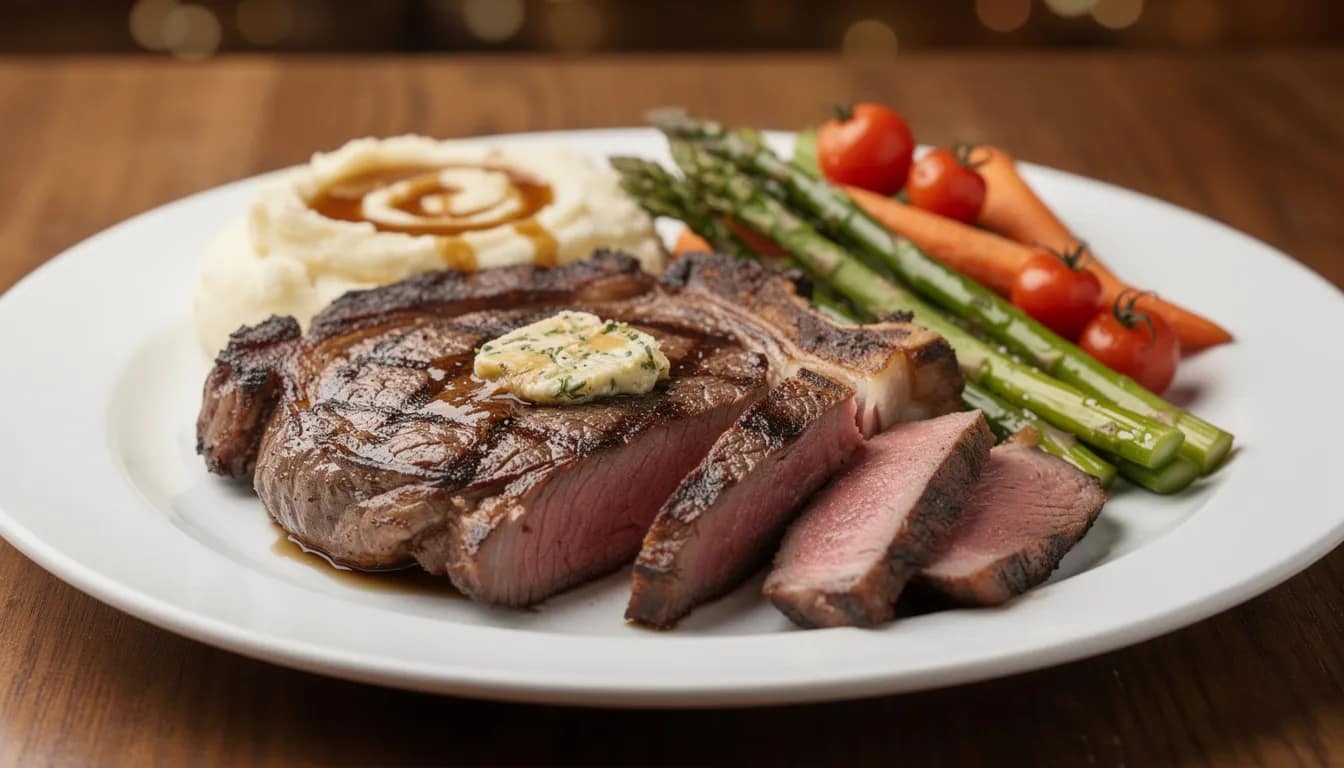
Not all fats are villains. Olive oil, avocado, and fatty fish are genuinely good for you. The problem is large, heavy, high-fat meals that overwhelm your digestive system all at once. In addition to fried foods, other foods like heavy cream, butter, and fatty meats can also be high in fat and difficult to digest.
Foods to limit when your gut is sensitive:
- Large portions of fatty red meat (ribeye, brisket, prime rib)
- Sausage and bacon in generous amounts
- Heavy cream sauces (Alfredo, I’m looking at you)
- Extra-cheesy pizza with all the toppings
- Full-fat ice cream in bowl-sized portions
- Buttery pastries and croissants
If you’ve had gallbladder surgery or deal with chronic pancreatitis, fatty foods become even more problematic. Your body literally can’t handle the fat load the way it used to, leading to stomach pain, nausea, and urgent bathroom trips.
The solution isn’t fat-free everything. It’s about smaller portions, leaner cuts, and spreading your fat intake throughout the day rather than consuming it all in one massive dinner. A reasonable portion of steak with vegetables digests very differently than a 16-ounce ribeye with loaded baked potato and creamed spinach.
Spicy Foods and Chili Peppers
Hot sauce enthusiasts, this one’s going to sting (pun intended). Spicy foods containing capsaicin—the compound that makes chili peppers hot—can irritate your stomach lining and trigger acid production that worsens GERD, gastritis, and ulcer symptoms.
Capsaicin activates TRPV1 receptors in your digestive system, essentially setting off alarm bells that tell your body something irritating is happening. This can lead to:
- Increased acid production
- Burning abdominal pain
- Worsened heartburn and reflux
- Motility changes that affect bowel habits
Very spicy Mexican, Indian, Thai, and Korean dishes are common triggers. That doesn’t mean you have to eat bland food forever—mild seasoning is usually tolerated just fine. The issue is the “extra hot” challenge levels.
Practical tips for spice lovers:
- Don’t lie down for 2-3 hours after eating spicy meals
- Test your tolerance by gradually reducing spice levels
- Avoid spicy foods late at night when reflux is worse
- Consider anti-inflammatory spices like turmeric or ginger instead of straight heat
Coffee, Caffeine, and Carbonated Drinks
Your morning coffee might be non-negotiable, but it’s worth understanding what it does to your digestive system. Caffeine relaxes the lower esophageal sphincter—the valve that keeps stomach acid where it belongs—allowing acid to creep back up into your esophagus.
Coffee also stimulates bowel motility. For some people, that’s a feature, not a bug. For those with diarrhea-predominant IBS, it can mean urgent, unpredictable bathroom trips.
Carbonated beverages bring their own issues. All those bubbles have to go somewhere, and that somewhere is usually expanding your stomach, increasing gas, and putting pressure on that same sphincter. Whether it’s cola, sparkling water, or soft drinks, carbonation means more bloating.
Drink | Issues |
|---|---|
Coffee | Acid production, sphincter relaxation, bowel stimulation |
Energy drinks | High caffeine plus carbonation—double trouble |
Soda | Sugar, carbonation, caffeine (in many varieties) |
Sparkling water | Bloating gas from carbonation |
Better alternatives:
- Half-caf or decaf coffee if you can’t quit entirely
- Herbal teas (ginger tea is actually good for digestion)
- Still water (boring but effective)
- Noncaffeinated electrolyte drinks when you’re dealing with diarrhea or vomiting
Drink plenty of water throughout the day—dehydration makes constipation worse and doesn’t help anything else either.
Alcohol
Alcohol irritates your entire GI tract, from your esophagus all the way to your colon. It disrupts the gut barrier, messes with your microbiome, and dehydrates you—which makes both diarrhea and constipation worse.
How different types of alcohol affect digestion:
- Wine: Acidic, relaxes esophageal sphincter, triggers reflux
- Beer: Carbonated and often causes diarrhea
- Spirits: Concentrated irritation to stomach lining, especially on an empty stomach
Combining alcohol with NSAIDs (like ibuprofen) is particularly rough on your stomach. And drinking during active flares of gastritis, ulcers, IBD, or pancreatitis? That’s asking for trouble.
The recommendation here is straightforward: limit how often and how much you drink. During flares, consider cutting it out entirely until things calm down. And definitely discuss safe limits with your doctor if you have chronic digestive issues.
Acidic Fruits and Tomato Products
Here’s an annoying truth: oranges, grapefruits, lemons, limes, and tomatoes are packed with nutrients and vitamin C. They’re legitimately healthy for most people. But if you have reflux or ulcers, that acidity becomes a problem.
Common culprits to limit:
- Orange juice at breakfast (especially on an empty stomach)
- Tomato sauce on late-night pizza
- Tomato-based chili and pasta sauces
- Citrus-heavy smoothies
- Lemonade and limeade
The acidity irritates an already-sensitive esophagus and stomach, especially when consumed first thing in the morning or close to bedtime.
Better fruit options for sensitive stomachs:
- Bananas (nature’s antacid, basically)
- Melons (cantaloupe, honeydew)
- Peeled apples and pears
- Berries in moderation
If you love tomato sauce, look for low-acid versions or try adding a pinch of baking soda during cooking to neutralize some acidity.
Chocolate
I’m sorry to be the bearer of bad news here. Chocolate—beloved, comforting chocolate—contains compounds that relax the lower esophageal sphincter and can speed up intestinal transit in some people.
For reflux sufferers, this means more heartburn. For those with sensitive bowels, it can mean diarrhea or cramping after indulging.
The worst scenarios:
- Late-night chocolate desserts before lying down
- Large hot chocolates with whipped cream
- Frequent candy snacks throughout the day
- Rich chocolate cake after a heavy dinner
The solution isn’t necessarily zero chocolate forever. Try limiting portion sizes, avoiding it late in the evening, and tracking your symptoms in a food diary to see if it’s actually one of your triggers. Some people with digestive issues tolerate small amounts just fine.
Dairy Products and Lactose-Containing Foods
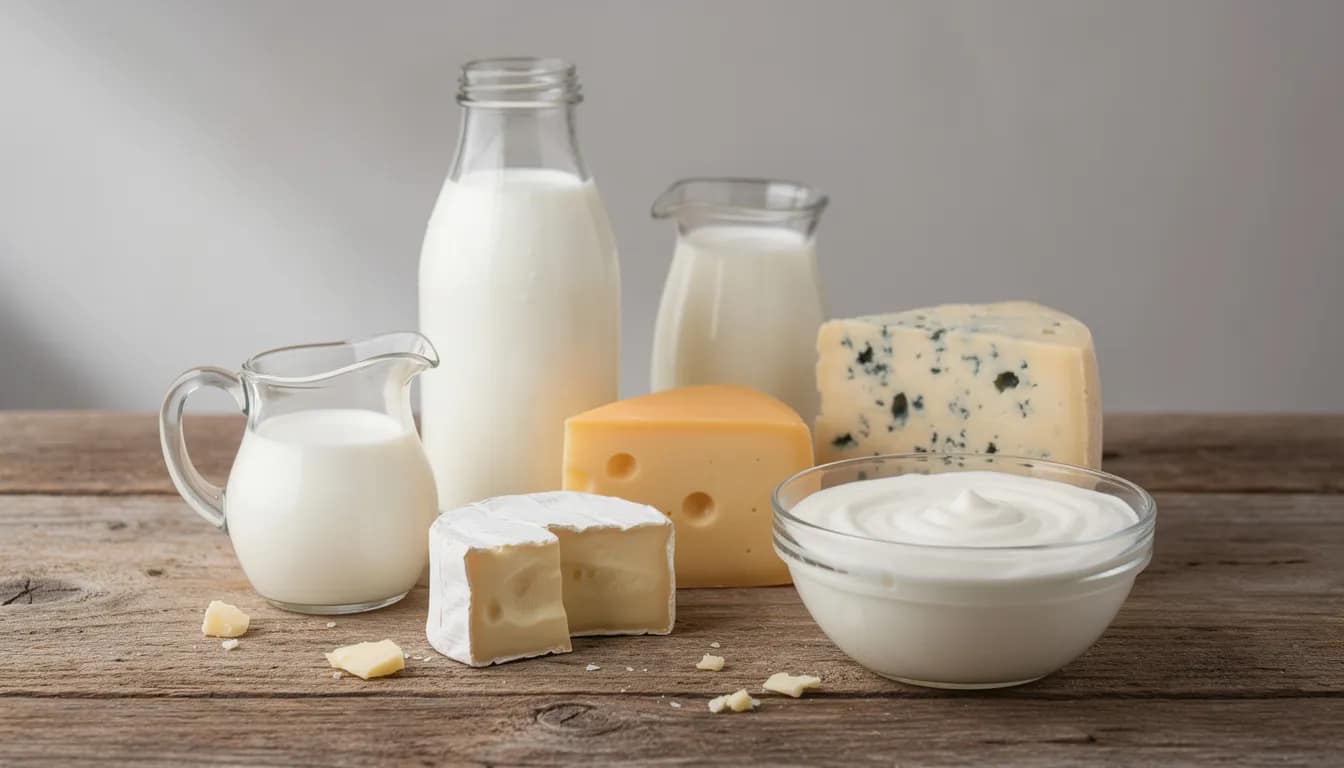
Lactose intolerance affects somewhere between 65-70% of adults globally, with rates varying by ethnicity (68% in Asian populations versus about 5% in Northern Europeans). When you’re lactose intolerant, undigested lactose ferments in your gut, causing gas, bloating, abdominal pain, and diarrhea.
Common high-lactose foods:
- Regular cow’s milk
- Soft cheeses (ricotta, cottage cheese)
- Ice cream and milkshakes
- Cream-based soups
- Coffee drinks made with whole milk
Even if you’re not formally lactose intolerant, very high-fat dairy products can worsen digestive symptoms during flares—like after a stomach bug or during an IBS episode.
Gentler alternatives:
Instead of… | Try… |
|---|---|
Regular milk | Lactose free milk or oat milk |
Soft cheese | Hard aged cheeses (lower lactose) |
Ice cream | Coconut-based frozen desserts |
Cream in coffee | Lactase enzyme drops before dairy |
Yogurt with live cultures is often tolerated better because the bacteria have already broken down some of the lactose. Just watch out for added sugars and artificial sweeteners in flavored varieties.
Artificial Sweeteners and Sugar Alcohols
“Sugar-free” sounds like a digestive win, but artificial sweeteners and sugar alcohols can actually make gastrointestinal symptoms worse, especially in people with IBS.
There’s an important distinction:
- Non-nutritive sweeteners: Aspartame, sucralose, saccharin—very low calorie, found in diet sodas and many “light” products
- Sugar alcohols: Sorbitol, mannitol, xylitol, erythritol, maltitol—found in sugar-free gums, candies, protein bars, and diabetic-friendly snacks
Sugar alcohols are poorly absorbed and ferment in your gut, causing bloating, cramping, and diarrhea. Those “warning: excess consumption may cause laxative effects” labels exist for a reason.
Some research suggests certain artificial sweeteners may alter gut microbiome balance, though this is still being studied.
Label-reading tips:
- Look for anything ending in “-ol” (sorbitol, xylitol, etc.)
- Check “sugar-free” products carefully
- Protein bars and diabetic snacks are common sources
If you need sweetness without the digestive issues, small amounts of regular sugar, stevia, or monk fruit may be better tolerated. Ironic, but sometimes real sugar is gentler than the alternatives.
Corn, Raw Vegetables, and Very High-Fiber Foods During Flares
Fiber is generally excellent for digestive health—it feeds beneficial gut bacteria, promotes regular bowel movements, and supports overall gut health. But timing matters.
When you’re in the middle of a GI flare, have intestinal strictures, or have a very sensitive bowel, high-fiber foods can actually worsen symptoms. The bacteria in your gut ferment fiber, producing gas. Normally that’s fine. During a flare, it’s misery.
Problematic during flares:
- Corn (especially whole kernels and popcorn)
- Raw broccoli, cabbage, and Brussels sprouts
- Large salads with tough raw vegetables
- Big grain-and-bean bowls
- Fiber rich foods in large quantities
Better approaches during sensitive periods:
- Cook vegetables until soft (steaming or roasting helps)
- Peel skins when possible
- Choose soluble fiber (oatmeal, bananas) over insoluble (raw veggies, bran)
- Introduce fiber gradually as symptoms improve
- Consider brown rice over harder-to-digest grains
The goal is eventually getting back to a high-fiber diet with whole grains, fruits, and vegetables. But during acute symptoms, gentler is better.
Reducing Inflammation in the Digestive Tract
Your digestive tract turning into a war zone every time you eat? Yeah, we’ve all been there – where every meal feels like playing Russian roulette with your stomach, and you’re never quite sure if you’ll end up doubled over in pain, bloated like a balloon, or producing enough gas to power a small vehicle. Those sneaky culprits? Fried foods, processed junk, and anything spicy enough to make you question your life choices. They’re basically inflammation’s best friends, and they’re throwing a party in your gut that nobody invited them to.
But here’s the good news – you can totally crash that inflammation party with the right foods, and it’s way easier than you think. Omega-3 powerhouses like salmon, chia seeds, and walnuts are basically your digestive system’s bodyguards, swooping in to calm things down. Then you’ve got your antioxidant squad – think leafy greens, berries, and oats – working overtime to give your digestive tract the equivalent of a spa day. And water? Don’t even get me started on water. It’s like having a personal cleanup crew flushing out all the troublemakers and keeping the peace. Simple, but absolutely game-changing.
Now here’s what nobody talks about enough – stress is literally sabotaging your entire digestive game. Chronic stress is like that toxic friend who makes everything worse, ramping up inflammation and turning your stomach into a hot mess. But plot twist: you can totally outsmart it with stupidly simple tricks like meditation, deep breathing, or some gentle yoga that makes your body go “ohhhh, we’re chilling now.” Get your food game right, tell stress to take a hike, and suddenly your digestive system transforms from enemy territory into your best ally. Your gut will thank you, and honestly, so will everyone else in your life.
Staying Hydrated for Digestive Health
Look, water might seem boring as hell, but it’s basically the unsung hero of your entire digestive situation. You know that feeling when your stomach is doing weird things and you can’t figure out why? Half the time, you’re just dehydrated and your poor digestive system is trying to work with what feels like concrete mix instead of actual food. Staying properly hydrated is like giving your gut the lubricant it desperately needs to keep things flowing instead of turning your intestines into some kind of traffic jam from hell.
Here’s the thing nobody talks about – you actually need around eight glasses of water daily, and yeah, I know that sounds like you’ll be living in the bathroom, but stick with me here. The cool part is that you can totally cheat the system with foods that are basically water bombs in disguise. Cucumbers, watermelon, oranges – these guys are like nature’s sneaky hydration delivery service that also happen to taste amazing. But here’s where people screw up: they’re chugging soda and coffee thinking they’re hydrating when really they’re doing the exact opposite. Those carbonated and caffeinated troublemakers are actually stealing water from your system and making your digestive drama even worse.
And if dairy makes your stomach throw an absolute tantrum every time you look at a glass of milk, just switch to lactose-free or plant-based alternatives already – your gut will literally thank you by stopping its rebellion. The bottom line is this: treat hydration like the digestive superpower it actually is, choose foods and drinks that work WITH your system instead of against it, and watch your digestive health transform from a daily mystery into something that actually works the way it’s supposed to.
Healthy Alternatives to Processed Foods
Are you tired of grabbing what looks like “food” from the grocery store, only to discover your gut feels like it’s been hijacked by a sugar-and-sodium demolition crew? Processed foods are literally everywhere, and they’re packed with enough added sugars, sodium, and mystery preservatives to turn your digestive system into a very unhappy place. But here’s the thing nobody talks about… swapping out those processed nightmares for whole, unprocessed options is basically like giving your gut a first-class upgrade instead of cramming it into the middle seat next to a crying baby.
So what does this gut-friendly makeover actually look like? Ditch those packaged snacks and refined grains – they’re not doing you any favors. Instead, let’s talk about the good stuff: whole grains like brown rice, quinoa, and whole-wheat bread that actually make your body go “oh THAT’S what we’re supposed to eat!” Fill your plate with a colorful variety of fruits and vegetables because your fiber intake needs a serious boost, and your healthy gut bacteria are basically throwing a party every time you feed them right. Add some lean proteins – think poultry, fish, and legumes – along with healthy fats like olive oil and avocado, and boom, you’ve got yourself a gut-friendly feast that doesn’t taste like cardboard.
And here’s the thing about food labels… always check for hidden sugars and preservatives lurking in there like nutritional ninjas trying to sabotage your progress. Look for products with simple, recognizable ingredients – if you can’t pronounce it, your gut probably doesn’t want it either. Feeling overwhelmed? A registered dietitian can help you create a personalized plan that actually fits your life and supports your digestive health without making you feel like you’re eating rabbit food. Trust me, making these small changes is going to have a big impact on how you feel – both in your gut and everywhere else. Your digestive system will thank you, and you’ll wonder why you waited so long to treat it right!
Other Common Triggers to Consider (Based on Your Diagnosis)
Beyond the general list, certain conditions have their own specific trigger foods.
For IBS:
The low-FODMAP diet, developed by Monash University researchers, has shown 50-75% symptom reduction in IBS patients. Common high-FODMAP triggers include:
- Onions and garlic
- Beans and lentils
- Wheat products
- Certain fruits (apples, pears, watermelon)
- Honey and high-fructose corn syrup
A registered dietitian can guide you through a proper low-FODMAP elimination and reintroduction process.
For GERD:
- Large meals eaten late at night
- Mint (relaxes the sphincter)
- High-fat snacks before bed
- Lying flat soon after eating
For IBD, celiac disease, or chronic pancreatitis:
- Gluten (for celiac)
- Alcohol
- Very fibrous foods during flares
- High-fat meals
These conditions require more careful, individualized restriction with professional guidance.
Practical Tips: How to Adjust Your Diet Without Feeling Deprived
Sustainable changes beat perfection every time. You don’t need to overhaul your entire diet overnight—small swaps can significantly reduce ibs symptoms and other digestive symptoms within a few weeks.
The “crowd out” strategy:
Instead of focusing on what you can’t eat, add more of the right foods that support digestion:
Instead of… | Try… |
|---|---|
Raw vegetables | Cooked vegetables until soft |
Sugary cereal | Oatmeal with banana |
Fried chicken | Grilled or baked chicken |
Soda | Water or herbal tea |
Refined grains like white bread | Whole grains in tolerated amounts |
Heavy cream sauce | Olive oil-based sauce |
Other practical strategies:
- Keep a 1-2 week food and symptom diary with specific dates and times
- Eat smaller, more frequent meals rather than huge ones
- Chew thoroughly—digestion starts in your mouth
- Don’t lie down for 2-3 hours after larger meals
- Avoid eating when stressed (stress literally slows your digestive system)
- Consume foods that support gut health like fermented vegetables and yogurt with live cultures
The body adapts. Give changes a few weeks before deciding whether they’re working.
When to See a Doctor or Gastroenterology Specialist
Dietary changes can help a lot, but they’re not a substitute for medical evaluation when something’s genuinely wrong.
Red-flag signs that need medical attention:
- Unintentional weight loss
- Blood in stool or black/tarry stools
- Vomiting blood
- Severe or nighttime abdominal pain
- Difficulty swallowing
- Iron-deficiency anemia
- Symptoms lasting longer than 4-6 weeks
- Fever with GI symptoms
If you have a family history of colorectal cancer, celiac disease, or IBD, discuss earlier screening with a specialist. Your immune system and digestive system are connected in ways that sometimes require professional investigation.
A gastroenterologist can order appropriate testing—endoscopy, colonoscopy, breath tests for lactose intolerance or bacterial overgrowth—and help create a tailored nutrition plan that accounts for your specific diagnosis.
Your gut is trying to communicate with you. Those digestive problems? They’re signals, not sentences. The foods you eat either calm things down or fire things up.
Start small. Pick one category from this list that shows up frequently in your diet—maybe fried foods, maybe that daily soda habit—and experiment with eliminating or reducing it for two weeks. Track what happens.
And if symptoms persist or get worse? Don’t suffer through it. See a specialist who can figure out what’s actually going on and get you on a path to feeling better.
Your digest-everything-without-thinking-about-it days might be behind you. But eating well without constant upset stomach? That’s absolutely still on the table.