

Quick answer: the worst foods for your gut microbiome
Let’s cut to the chase. Different foods can have a significant impact on gut health—some promote a healthy gut microbiome, while others can harm gut bacteria and increase disease risk. The foods doing the most damage to your digestive system are the ones you probably already suspect: ultra-processed foods, refined sugars, fried foods, alcohol, and processed meats. These aren’t just “unhealthy” in a vague, hand-wavy way—they actively mess with your gut bacteria, inflame your intestinal lining, and set you up for a lifetime of digestive issues.
To protect gut health, avoid processed foods, excessive sugar, artificial sweeteners, fried items, and too much red meat, as these can disrupt beneficial gut bacteria, cause inflammation, and slow digestion. The foods listed below are those that, when consumed in excess, can negatively affect your gut by disrupting the balance of beneficial bacteria, causing inflammation, and slowing digestion.
Here are the 15 worst offenders:
- Sugary drinks – regular cola, sweet tea, caramel frappuccinos
- High-sugar foods – frosted doughnuts, packaged cookies, candy bars
- Artificial sweeteners – diet soda, sugar-free gum
- Sugar alcohols – sugar-free mints, many keto protein bars
- Refined grains – white bread, instant white rice, plain crackers
- Fast food and ultra-processed meals – frozen chicken nuggets, boxed mac and cheese
- Fried foods – french fries, onion rings, corn dogs
- Trans fats – some shelf-stable pastries, certain microwave popcorns
- Processed meats – bacon, hot dogs, deli bologna
- Highly processed red meat and meat analogues – fast-food burgers, heavily processed plant-based nuggets
- High-sodium convenience foods – instant ramen, salty chips
- Alcohol – especially binge drinking and sugary cocktails
- Ultra-sweetened yogurts and smoothies – candy-topped yogurt cups, bottled fruit smoothies
- Emulsifier-heavy processed foods – some commercial ice creams, shelf-stable sauces
- Individual trigger foods – high-FODMAP foods like onions, garlic, and wheat for sensitive individuals
Stick around. Below, we’ll break down exactly why each of these foods is problematic and give you gut-friendly swaps that won’t leave you feeling deprived.
Understanding gut health and why these foods matter
When we talk about gut health, we’re really talking about three things: your gut microbiome (the trillions of bacteria, viruses, and fungi living in your digestive tract), your intestinal lining (the barrier that keeps the inside of your gut separate from your bloodstream), and the gut-brain axis (the two-way communication highway between your belly and your brain).
Your gut microbiome is like a bustling city of microbes, mostly hanging out in your colon. Diversity and balance are everything here—when you have a wide variety of beneficial gut bacteria doing their jobs, you digest food better, your immune system works properly, and your mood stays more stable. When things go sideways? That’s when the trouble starts. Certain foods and lifestyle factors can promote the growth of bad bacteria or harmful gut bacteria, which negatively impact gut health and may contribute to gastrointestinal problems or diseases.
The Western-style diet—which became dominant in the US after the 1970s—is strongly linked with lower microbiome diversity and more inflammation. We’re talking high in processed foods, refined sugar, and unhealthy fats, and painfully low in fiber. This isn’t a coincidence. The gut-brain axis means that when your gut is out of balance, you might notice anxiety, low mood, and that frustrating brain fog that makes you forget why you walked into the kitchen. Insoluble fiber, found in foods like beans and legumes, is a key component that supports digestive health by adding bulk to stool and promoting regularity.
Here’s how the worst foods damage your gut:
- They feed harmful bacteria and yeast, crowding out the good guys
- They increase intestinal permeability (aka “leaky gut”), letting bacterial products slip into your bloodstream
- They spike blood sugar, promoting inflammation throughout your body
- They reduce the protective mucus layer that shields your intestinal lining
The impact is cumulative over months and years, but here’s the good news: many people feel changes in bloating, gas, or bowel habits within days to weeks of changing their diet. Your gut is remarkably responsive.
The 15 worst foods and drinks for gut health
Individual tolerance varies—your neighbor might handle dairy like a champ while you’re doubled over after a glass of milk. But the categories below are consistently linked with poorer overall gut health in research. These aren’t just opinions; they’re patterns that show up again and again in studies involving thousands (sometimes millions) of people.
In addition to the foods discussed here, there are other foods—such as red meat and fried foods—that may also negatively impact gut health for some individuals, so it’s important to consider your own reactions and dietary needs.
Each section below covers the mechanisms, gives you specific examples you’ll recognize from your own kitchen or the drive-thru, and offers simple gut-friendly swaps.
1. Sugary drinks and sweetened coffees
Beverages like regular soda, sweet tea, energy drinks, and those elaborate coffeehouse creations deliver massive doses of rapidly absorbed sugar with zero fiber to slow things down. Your beneficial gut bacteria get nothing from this—the sugar is absorbed before it ever reaches them.
- Drinks sweetened with high fructose corn syrup (standard cola, many lemon-lime sodas, some sports drinks that became popular in the 1980s and 1990s) are strongly linked to gut dysbiosis and inflammation
- Daily intake of sugar-sweetened beverages is associated with higher risk of irritable bowel syndrome symptoms, fatty liver, and weight gain—all of which negatively affect gut health
- Examples: Regular Coca-Cola, sweetened bottled iced tea, large vanilla lattes with pumps of syrup and whipped cream
- Gut-friendly swaps: Water, sparkling water with a splash of 100% fruit juice, unsweetened tea or coffee, homemade electrolyte drinks with minimal added sugars
2. Foods high in added sugar (cakes, candy, pastries)
Added sugars—table sugar, corn syrup, and their many aliases—in baked goods, candy, and desserts can reduce beneficial bacteria and impair your intestinal barrier over time.
- Common high-sugar items: Frosted breakfast cereals, supermarket cakes and cupcakes, packaged cookies, chocolate bars, and chewy candies
- Frequent high-sugar intake feeds yeast and opportunistic bacteria, which can worsen gas, bloating, and diarrhea
- Ingredient labels often hide multiple sugars under different names: cane sugar, barley malt, dextrose, agave nectar, rice syrup
- Gut-friendly swaps: Fresh fruit with nuts, dark chocolate (70%+ cocoa), homemade baked goods sweetened lightly with dates or mashed banana
3. Artificial sweeteners in “diet” products
The main artificial sweeteners—aspartame, sucralose, saccharin, and acesulfame K—are everywhere in diet sodas, sugar-free gums, and “light” yogurts. They were supposed to be the guilt-free solution, but research tells a different story.
- Studies suggest these sweeteners can alter gut bacteria composition, sometimes decreasing beneficial species and promoting glucose intolerance—the very thing they’re supposed to prevent
- A UK study found that artificial sweeteners can promote pathogenic changes in certain gut bacteria
- Examples: Diet cola, sugar-free energy drinks, sugar-free chewing gum, low-calorie flavored yogurts
- Effects vary between people; some tolerate modest amounts fine, while others notice bloating or changes in bowel habits
- Alternatives: Water, unsweetened drinks, or small amounts of stevia or monk fruit (noting that research is still developing on these)
4. Sugar alcohols (polyols) in “low-carb” and keto snacks
Sugar alcohols like sorbitol, xylitol, mannitol, erythritol, and maltitol are the darlings of the “sugar-free” and keto food world. They’re in everything from protein bars to diabetic candies. The problem? They’re poorly absorbed in the small intestine.
- When these compounds reach your colon, they ferment and draw water into the digestive tract, causing gas, cramping, and diarrhea—especially in people with IBS
- Examples: Sugar-free mints, low-carb ice creams, many high-protein snack bars, diabetic candies
- Naturally occurring polyols in foods like apples, pears, mushrooms, and cauliflower can also trigger digestive symptoms in sensitive individuals
- Gut-friendly swaps: Snacks with minimal sweeteners, fresh fruit in tolerated portions, bars with small amounts of natural sugars instead of heavy polyol loads
5. Refined grains and high-glycemic starches
Refined grains have had their bran and germ stripped away, taking the fiber, vitamins, and minerals that feed your good bacteria along with them. What’s left? Fast-digesting processed carbs that spike blood sugar and leave your gut microbiome hungry.
- Foods to watch: Store-bought white bread, instant white rice, plain crackers, croissants, many boxed breakfast cereals introduced after the 1960s
- Because these are fully digested in the small intestine, almost nothing reaches the colon to nourish beneficial microbes
- Resistant starch hack: Cooling cooked potatoes, rice, or pasta (like in a salad) increases resistant starch that can support gut bacteria
- Gut-friendly swaps: Whole oats, quinoa, brown or wild rice, 100% whole grain bread, cooled starches in moderation
6. Fast food and ultra-processed meals
Ultra-processed foods are industrial formulations with multiple additives, flavor enhancers, emulsifiers, and ingredient lists that read like a chemistry exam. They’re far removed from whole foods.
- Common fast-food meals (burgers on white buns, fries, fried chicken sandwiches, pizza) combine refined carbohydrates, unhealthy fats, high sodium, and additives that harm gut balance
- Research links diets high in ultra-processed foods (often over 50% of calories in the US by the 2010s) with increased risk of IBS, IBD, and colorectal cancer
- Examples: Frozen breaded chicken nuggets, boxed macaroni dinners, instant noodles, many frozen pizzas
- It’s the combination effect (sugar + fat + salt + additives) that makes these so damaging, not just one ingredient
- Simple upgrades: Grilling or baking at home, choosing salad or grain bowls, minimizing drive-thru meals to occasional use
7. Fried foods and repeatedly heated oils
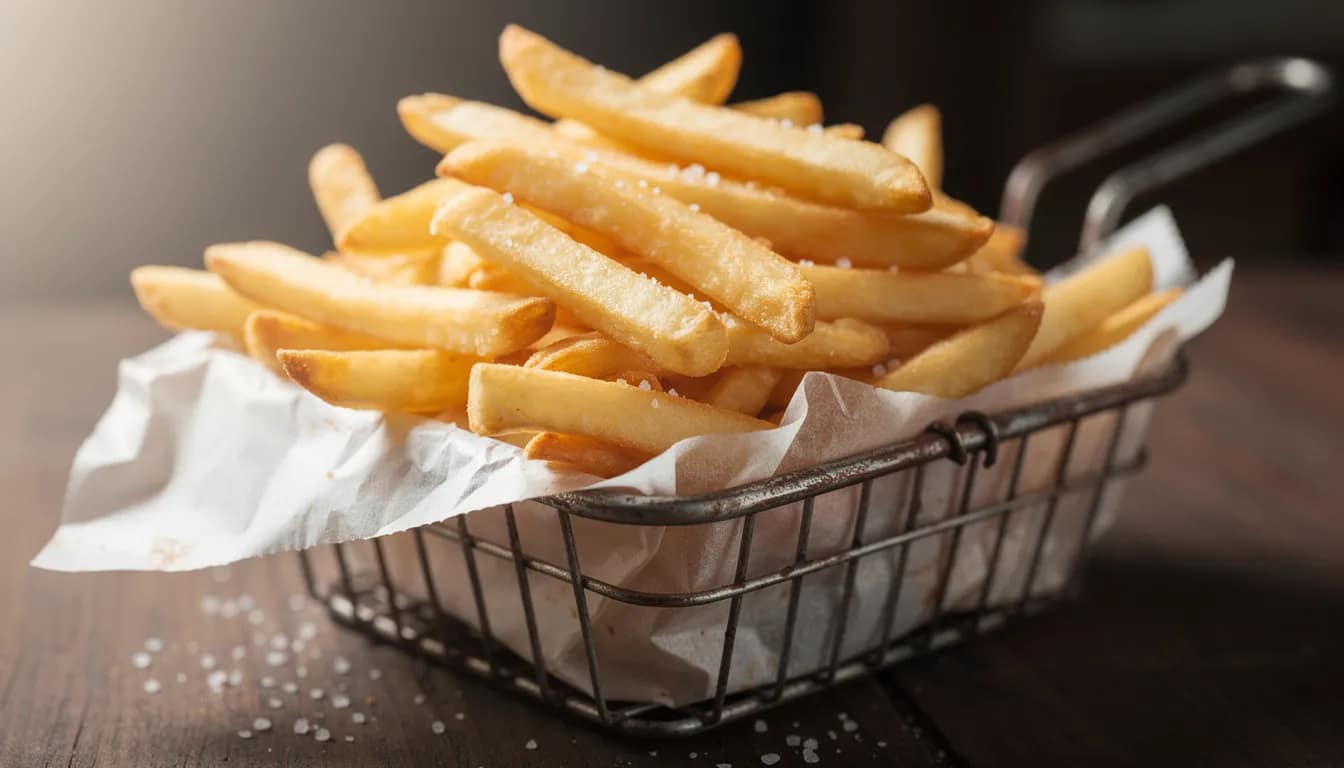
Deep-frying at high temperatures creates oxidation products and, in some cases, small amounts of trans fats that inflame the gut lining. That’s bad enough. But restaurants often reuse frying oil all day, multiplying the formation of harmful compounds.
- Concrete examples: French fries, onion rings, fried chicken, chicken-fried steak, corn dogs, doughnuts, mozzarella sticks
- A study summarized in Diabetes Care found that groups eating fried meat ended up with less diverse gut microbiota, impaired blood sugar balance, and higher inflammation levels
- Frequent fried-food intake is associated with less diverse gut flora and higher risk of metabolic disease
- Gut-friendly swaps: Baking, air frying, grilling, or pan-searing with stable oils like olive oil or avocado oil instead of deep-frying
8. Trans fats and heavily processed snack foods
Industrial trans fats (from partially hydrogenated oils) were widely used in margarines, baked goods, and fried snacks through the 1990s and 2000s. Regulations have reduced them, but they haven’t disappeared entirely—especially in some countries and older product formulations.
- Trans fats increase systemic inflammation, disrupt gut bacteria, and impair the intestinal barrier
- Example foods: Packaged cream-filled snack cakes, certain shelf-stable pastries, some microwavable popcorns with partially hydrogenated oils, some non-dairy coffee creamers
- Check labels for “partially hydrogenated oil” and avoid products that still contain it, even in small amounts
- Gut-friendly swaps: Nuts, seeds, plain popcorn popped in olive oil or avocado oil, minimally processed snacks like fruit and cheese
9. Processed meats (sausages, bacon, deli meats)
Processed meats are those preserved by smoking, curing, salting, or adding chemical preservatives like nitrites and nitrates. The WHO classifies these as Group 1 carcinogens for colorectal cancer risk—the same category as cigarettes.
- These fatty meats can alter gut bacteria, increase formation of carcinogenic compounds in the colon, and contribute to inflammation
- A 2023 review of 11 studies involving over 4.3 million people found that for every additional 100g of meat daily, people had a 38% higher risk of IBD
- Examples: Breakfast sausages, pepperoni on pizza, bologna, pre-packaged lunch meats
- Practical alternatives: Fish, poultry, beans, lentils, tofu, and occasional unprocessed lean meats
- If you currently eat processed meat daily, start by cutting frequency in half, then reduce further
10. Highly processed red meat and plant-based “meat” analogues
There’s a difference between a modest portion of unprocessed lean red meat and the highly processed meat products that dominate fast food menus—including many plant-based versions.
- Regular consumption of large portions of red meat, especially charred or grilled at high temps, has been associated with harmful changes in gut bacteria and higher colorectal cancer risk
- A 2019 study showed that red meat raises levels of TMAO (trimethylamine N-oxide), a molecule produced by gut bacteria that’s linked to higher risk of heart disease, heart attack, and stroke
- Many plant-based burgers and nuggets launched after 2015 are ultra-processed, containing additives, gums, flavorings, and refined oils that may irritate the gut
- Examples: Fast-food burgers, frozen plant-based chicken nuggets, heavily seasoned meat substitutes made mostly from isolates and oils
- Gut-friendly swaps: Whole-food proteins (beans, lentils, tempeh, eggs, fish, minimally processed tofu) and smaller, less-frequent servings of lean red meat if eaten
- Remember: “plant-based” does not automatically mean gut-friendly. Processing level matters.
11. High-sodium convenience foods and snacks
Excess sodium can alter gut bacteria and may worsen inflammation and blood pressure, indirectly harming overall digestive health. And modern convenience foods are absolutely loaded with it.
- Common high-sodium foods: Instant ramen, canned soups with >800 mg sodium per serving, frozen dinners, salty chips, pretzels, flavored crackers
- Heavily salted takeout (certain Chinese-American dishes or pizza chain meals) can easily exceed the recommended daily sodium intake (about 2,300 mg) in a single dish
- Strategies: Choose “low sodium” or “no salt added” versions, rinse canned beans and vegetables, flavor foods with herbs, garlic, lemon, and pepper blends instead of extra salt
- Shopping tip: Check sodium per serving and compare brands—the differences can be dramatic
- Focus on realistic reduction rather than absolute avoidance, especially if you’re used to packaged foods
12. Alcohol (beer, wine, spirits)
Alcohol can damage the intestinal lining, increase intestinal permeability, and alter the gut microbiome even at moderate intakes for some people. Heavy or binge drinking (4–5+ drinks in one occasion) is particularly harmful and linked with bacterial overgrowth and liver-gut axis disruption.
- Newer research suggests there may be no truly “safe” level of alcohol for gut and overall health, even though occasional light drinking is common
- Examples of problematic patterns: Weekend binge drinking, nightly multiple cocktails, large servings of beer, sugary mixed drinks
- Practical steps: Alcohol-free days each week, smaller pours, lower-alcohol options, or alcohol-free alternatives like kombucha (for those who tolerate fermented foods) and sparkling water
- Anyone with IBD, SIBO, or active gut symptoms may benefit from a trial period of no alcohol to assess impact
13. Ultra-sweetened and additive-heavy yogurts and smoothies
Not all yogurt and smoothies are gut-friendly. Many commercial products are closer to desserts than health foods, packed with sugar and additives that undermine any probiotic health benefits they claim to offer.
- Examples: Flavored yogurts with candy mix-ins, bottled smoothies with multiple fruit juices and added sugars, “drinkable yogurts” with minimal protein and lots of sweeteners
- These products can spike blood sugar and fail to deliver enough protein or live cultures to meaningfully promote gut health
- Better choices: Plain or lightly sweetened yogurt with “live and active cultures,” homemade smoothies using whole fruit, vegetables, and sources of fiber and protein
- Check labels for added sugars and long ingredient lists, even on products marketed as “gut healthy”
- Marketing claims can be misleading—simplicity is usually better for the gut microbiome
14. Emulsifier- and additive-heavy processed foods
Certain common additives—emulsifiers like polysorbate 80, carboxymethylcellulose, and carrageenan—may disturb gut bacteria and mucus layers according to animal and early human studies.
- Foods often containing these: Commercial ice creams, some plant milks, creamy salad dressings, shelf-stable sauces, many packaged baked goods
- The evidence is still evolving, but people with IBD, IBS, or sensitive guts may benefit from minimizing these additives
- Practical tip: Check labels for long lists of stabilizers and opt for brands with fewer, simpler ingredients (yogurt made only from milk and cultures, nut butter made from just nuts and salt)
- Overall diet pattern matters more than any single additive, so don’t panic—just be mindful
15. Individual trigger foods (high-FODMAP foods for sensitive guts)
Here’s where it gets personal. Some otherwise healthy foods—onions, garlic, apples, wheat, certain legumes—are high in FODMAPs and can trigger bloating, gas, or pain in people with irritable bowel syndrome or sensitive guts. High-FODMAP foods can also contribute to bowel issues, especially for those with IBS or other sensitive digestive conditions.
- FODMAPs are fermentable carbohydrates that beneficial gut bacteria love, but they can cause distress when the gut is hypersensitive or motility is altered
- High-FODMAP examples: Wheat-based breads, milk for those who are lactose intolerant, onions and garlic in sauces, stone fruits like peaches and plums, some sugar-free gums (polyols)
- These foods are NOT “bad” for everyone—they support healthy gut bacteria in many people but may be problematic in certain foods for certain conditions
- Consider working with a dietitian to try a structured low-FODMAP trial (typically 4–6 weeks) followed by reintroduction to identify personal triggers
- Caution: Long-term, overly restrictive eating patterns can actually harm your microbiome by reducing diversity
Common issues with gut health and practical solutions
Gut health problems are way more common than you’d think – and trust me, they show up in the most awkward ways! From that random bloating that makes you look six months pregnant after a sandwich, to the full-blown digestive chaos of irritable bowel syndrome (IBS), inflammatory bowel disease (IBD), and small intestine bacterial overgrowth (SIBO). At the bottom of this whole mess? Your gut bacteria have basically turned into that toxic friend group where the bad influences completely took over. This disaster (called dysbiosis, if you want to get fancy) happens when you’ve been feeding your gut a steady diet of processed junk, fried nonsense, artificial sweeteners, and other absolute worst foods for gut health. Add some stress, medications, and zero exercise, and boom – your digestive system is basically staging a revolt.
So what can you do to get your gut to stop acting like a moody teenager and actually work with you? Start with foods for gut health, and I mean really commit to this. Load up on fiber-rich foods like whole grains, fruits, and vegetables – think of these as the premium fuel your good bacteria have been desperately craving. Fermented foods like yogurt, kefir, and sauerkraut are basically probiotic party starters that crash the bad bacteria’s pity party and restore some actual balance to your gut. And those healthy fats from olive oil, nuts, and fatty fish? They’re not just reducing inflammation – they’re rolling out the red carpet for beneficial gut bacteria to move in and completely renovate the neighborhood.
Now here’s where you need to get ruthless – avoid the worst foods for gut health like they personally wronged you. Processed foods, fried disasters, and anything drowning in added sugars, refined carbs, and sketchy fats are basically feeding the bacterial bullies in your gut. They increase inflammation and turn your gut flora into a war zone. Swapping this garbage for whole foods and gut-friendly options isn’t just helpful – it’s life-changing in the most literal way possible.
Beyond food (because let’s be honest, life is more complicated than just eating), lifestyle stuff matters way more than anyone wants to admit. Managing stress through meditation, yoga, or even those regular walks you keep promising yourself can keep your gut-brain axis from completely losing its mind. Exercise is like that friend who shows up and just makes everything better – it regulates digestion and supports a diverse gut microbiome that actually knows what it’s doing.
Supplements can be total game-changers for some people, and honestly, why suffer unnecessarily? Probiotics (the live beneficial bacteria reinforcements) and prebiotics (the fiber that feeds your good bacteria like they’re prize-winning racehorses) can seriously support gut health, especially when life gets stressful or antibiotics have basically carpet-bombed your entire digestive system. Omega-3 fatty acids from fatty fish like salmon and sardines are inflammation-fighting superheroes that promote overall health in ways that’ll surprise you.
By making these practical changes – focusing on fiber-rich foods, fermented foods, healthy fats, and a balanced lifestyle that doesn’t make you want to scream – you can actually restore your gut health, get your digestive system to cooperate, and reduce the risk of digestive disorders that make life miserable. Remember, small consistent changes aren’t just adding up to big improvements – they’re completely transforming your relationship with your own body. And honestly? That’s worth celebrating.
What happens when your diet doesn’t support a healthy gut?
When you consistently eat the worst foods for gut health, you’re setting up a slow-burn situation. Chronic low-grade intestinal inflammation becomes the norm. Your gut microbiome loses diversity. And your intestinal barrier starts letting things through that should stay out.
Short-term symptoms you might notice:
- Bloating and excess gas
- Constipation, diarrhea, or both alternating
- Abdominal pain and cramping
- Heartburn and acid reflux
- Digestive symptoms after meals
Medium- to long-term risks:
- Higher likelihood of IBS and IBD flare-ups, including conditions like Crohn’s disease
- Non-alcoholic fatty liver disease
- Type 2 diabetes
- Colorectal cancer
- Increased cholesterol levels
Beyond the gut:
- Brain fog and difficulty concentrating
- Fatigue that doesn’t improve with sleep
- Mood changes, including anxiety and depression
- More frequent infections due to impaired immune function
One more thing: antibiotics (while sometimes medically necessary) can further disrupt the gut microbiome, making a gut-supportive diet especially important during and after antibiotic courses. The good news? Improvement is absolutely possible with gradual dietary change.
Better options: Foods that support gut health
To support gut health, focus on adding the top foods that nourish your digestive system, reduce inflammation, and help maintain a healthy microbiome.
The best strategy isn’t just removing harmful foods—it’s actively adding gut-nourishing options. Think of it as crowding out the bad with the good.
Key gut-supportive categories:
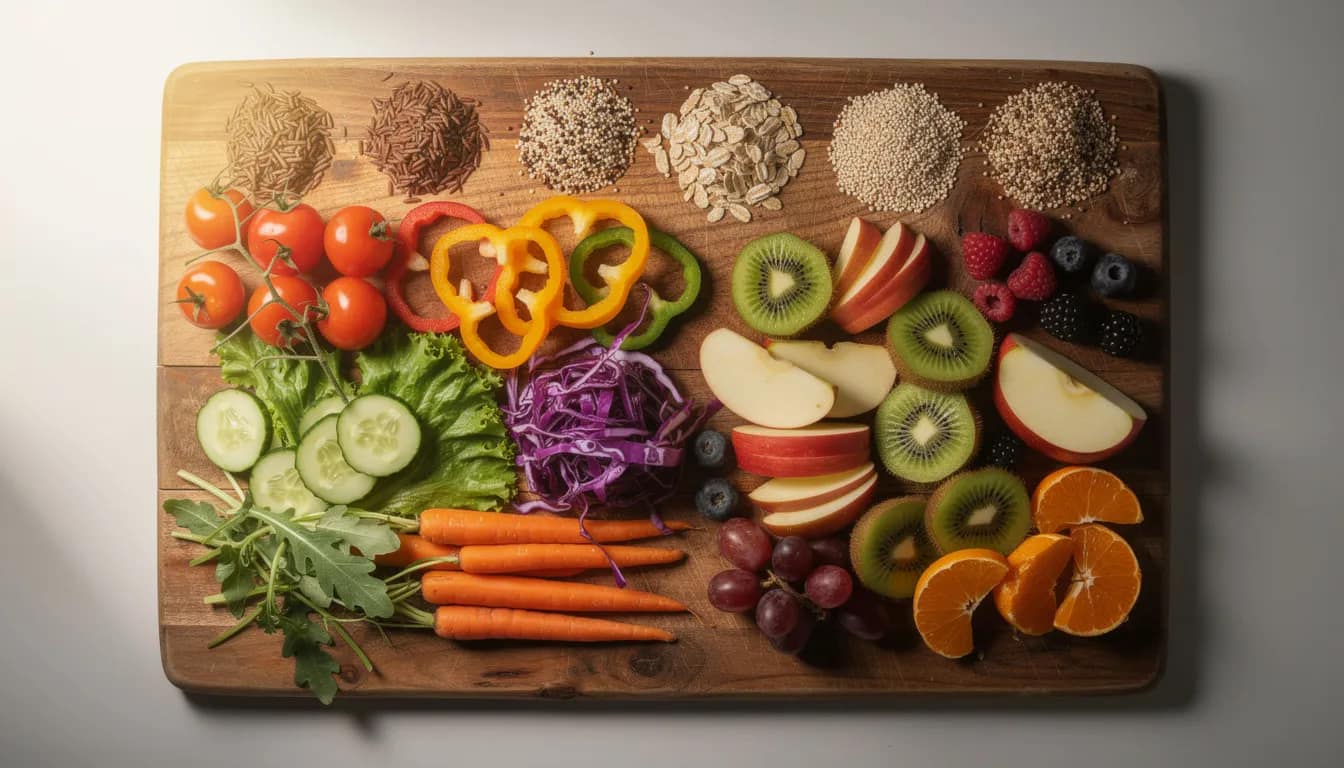
- Fiber rich foods: Beans, lentils, chickpeas, oats, barley, ground flaxseed—these feed your good bacteria and produce beneficial fatty acids. Plant-based foods rich in fiber provide the best fuel for a thriving gut.
- Variety of vegetables and fruits: Aim for different colors each week to maximize the range of nutrients and plant compounds
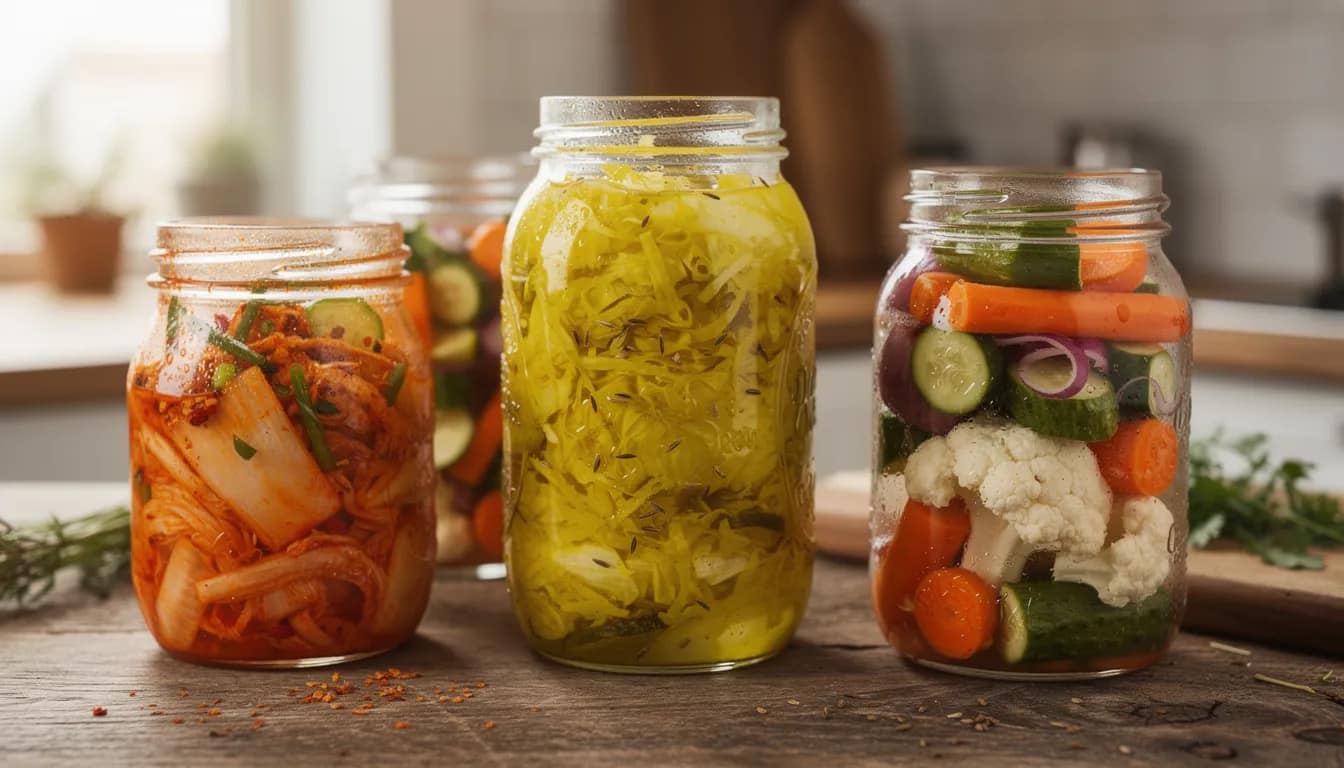
- Fermented foods with live cultures: Plain yogurt, kefir, sauerkraut, kimchi, miso, some kombuchas—these introduce beneficial bacteria directly
- Healthy fats: Extra-virgin olive oil, nuts, seeds, avocado—these support reduced risk of inflammation
- Omega-3-rich seafood: Salmon, sardines, mackerel, trout—these help reduce inflammation throughout the body
Prebiotic-rich foods (food for your good bacteria): Garlic, onions, leeks, asparagus, bananas, artichokes. Note that some are high-FODMAP, so sensitive readers may need to adjust portions or timing.
Fiber target: Aim for at least 25–30 grams of fiber per day for most adults. If you’re currently eating much less, increase slowly over 1–2 weeks to avoid bloating. Your gut bacteria need time to adjust to eating right foods.
Practical guide: How to gradually reduce gut-harming foods
Progress over perfection. Extreme, all-or-nothing diets rarely stick, and they can actually stress your body (and your gut) in the process.
Start small:
- Pick 1–2 categories from the worst foods list to work on each week
- Example: Swap soda for water this week, replace processed meat in sandwiches next week
Add before you subtract:
- Add a serving of vegetables and a source of fiber to one meal per day
- This naturally reduces room for ultra-processed foods without feeling like deprivation
Plan ahead:
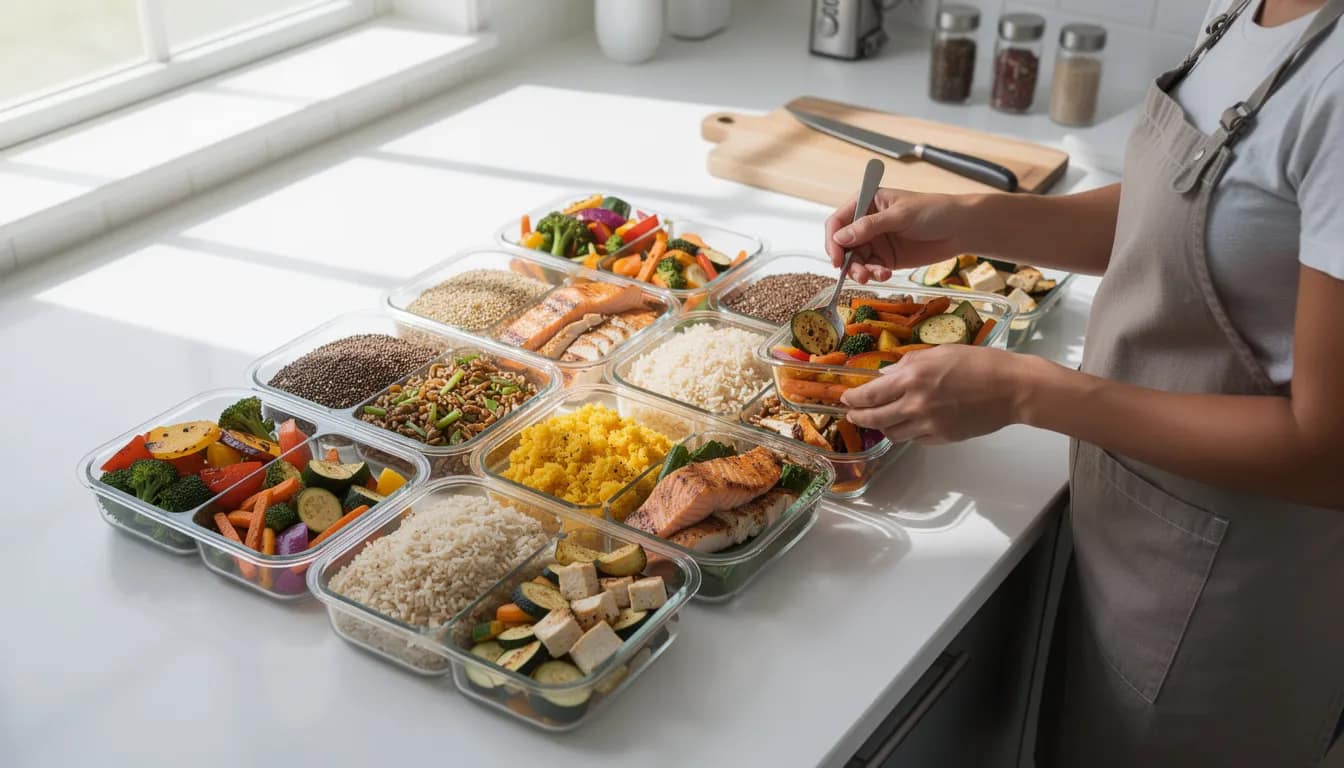
- Prep whole-grain salads on Sundays
- Roast a big batch of vegetables
- Cook a pot of beans or lentils to have gut-friendly options ready all week
Shopping strategies:
- Stick mostly to the perimeter of the grocery store (produce, proteins, dairy)
- Read ingredient lists—shorter is usually better
- Compare sugar and sodium between brands; the differences can be shocking
Keep gut-friendly snacks on hand:
- Fresh fruit
- Nuts and seeds
- Plain yogurt
- Hummus with vegetable sticks
When the right foods are convenient, you’re less likely to grab chips, candy, or hit the fast food drive-thru on an empty stomach.
When to seek professional help for gut symptoms
While dietary changes help many people improve digestion and reduce digestive issues, persistent or severe symptoms warrant medical evaluation. Your gut is trying to tell you something—sometimes it needs more than a diet overhaul.
Red-flag signs that need prompt attention:
- Unintentional weight loss
- Blood in stool
- Black or tarry stool
- Severe abdominal pain
- Fever with digestive symptoms
- Waking at night with diarrhea
Consider consulting a gastroenterologist or primary care clinician for:
- Ongoing bloating that doesn’t improve with dietary changes
- Alternating constipation and diarrhea
- Strong food fears affecting your quality of life
- Suspected digestive disorders like Crohn’s disease or ulcerative colitis
A registered dietitian specializing in GI health can help:
- Identify individual trigger foods (lactose, gluten, FODMAPs, histamine-rich foods)
- Guide you through elimination and reintroduction without overly restricting your diet
- Ensure you’re getting adequate nutrients while managing symptoms
One final tip: Track your symptoms alongside dietary changes over several weeks to spot patterns. Note what you ate, how you felt, and any lifestyle factors like stress or sleep. This information is gold when you do seek professional support.
Your gut didn’t get this way overnight, and it won’t heal overnight either. But every swap you make—every soda you skip, every vegetable you add—moves you in the right direction. The best and worst foods for your gut are now clear. The path to a healthy gut is in front of you.
Start with one category this week. Pick the easiest win. Your gut will thank you.
Conclusion and next steps for a healthier gut
Look, your gut is basically the CEO of your entire body – and right now, it’s probably running the show like a caffeinated squirrel on a sugar rush. This little digestive empire controls everything from whether you can actually digest that burrito to whether you wake up feeling like a human or a grumpy troll. Heck, it even decides if you’re going to be in a decent mood or spend the day feeling like someone stole your favorite coffee mug. The crazy part? You don’t need to flip your entire life upside down like some wellness guru – just make a few smart moves and watch your gut go from chaotic mess to well-oiled machine.
Here’s the deal: feed your gut the good stuff and it’ll treat you like royalty. We’re talking fiber-rich foods that make everything move like a dream, healthy fats that keep things smooth, and those magical little bacteria that are basically your gut’s best friends. Load up on fruits, veggies, whole grains, and lean proteins – you know, the stuff your grandmother probably told you to eat but you ignored because pizza existed. And here’s where it gets fun: fermented foods like yogurt, kefir, and sauerkraut are like sending in the special forces to kick out the troublemakers and restore order. Meanwhile, anything loaded with added sugars, refined carbs, and sketchy fats? That’s basically declaring war on your digestive system and wondering why everything feels like garbage afterward.