
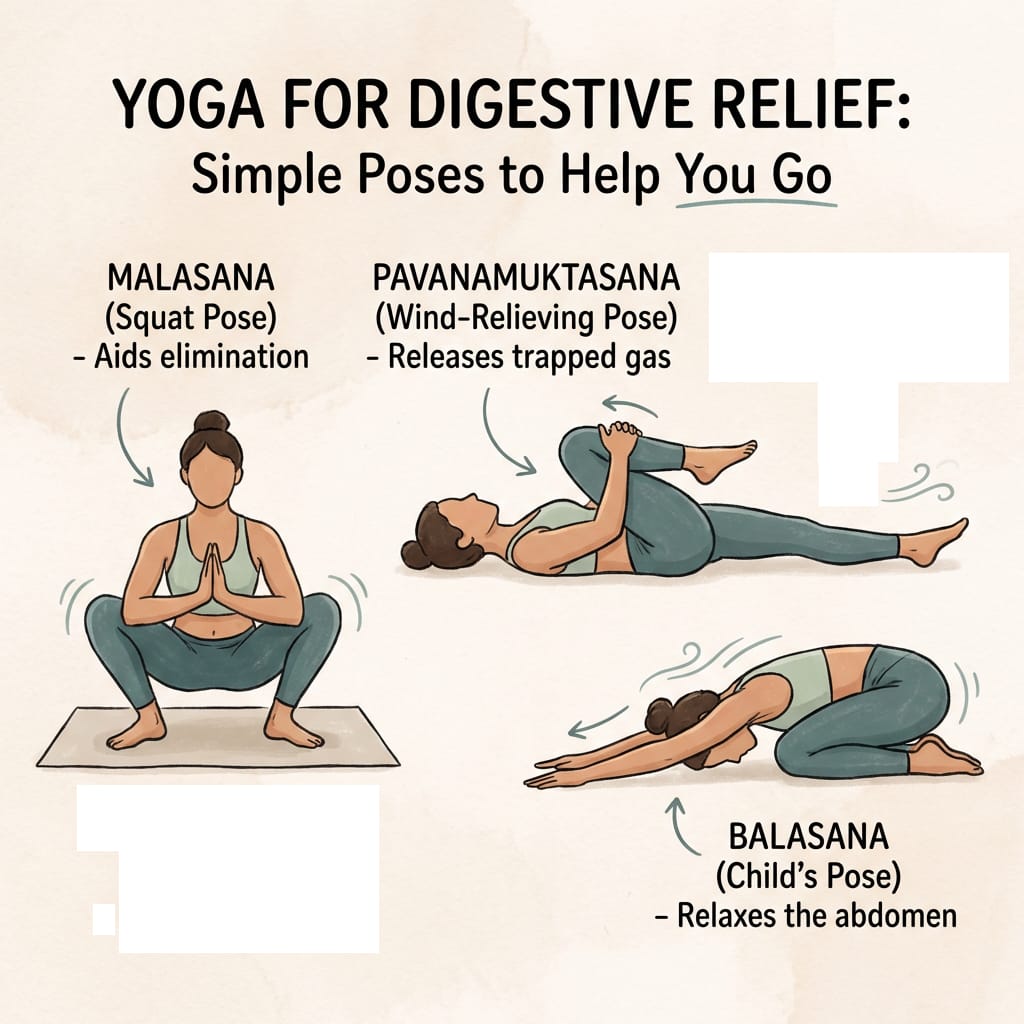
Ever been sitting there, waiting, hoping, maybe even bargaining with your digestive system while your legs slowly lose all feeling? Yeah, we’ve all been there. The good news is that certain yoga poses can actually help get things moving when you’re feeling stuck. These positions work by compressing your belly, massaging your internal organs, and signaling your body that it’s safe to let go.
Quick Answer: Best Yoga Positions to Help You Poop Fast
Let’s skip the suspense. If you need to pass stool and your body isn’t cooperating, these various yoga poses can help trigger a bowel movement in minutes. These poses can also ease constipation by gently stimulating your digestive system and promoting regularity.
Pose | How to Do It (Quick Version) | Hold Time |
|---|---|---|
Garland Pose (Malasana) | Deep squat, feet wide, hands in prayer position at chest | 30-60 seconds, repeat 2-3x |
Wind Relieving Pose | Lie on your back, hug one knee to chest, then switch sides | 5-10 breaths each side |
Child’s Pose | Kneel, sit back on heels, walk arms forward, rest forehead down | 1-3 minutes |
Seated Forward Fold | Sit with legs straight, fold forward from hips | 30-60 seconds |
Supine Spinal Twist | Lie flat, drop both knees to one side, arms in T-shape | 8-10 breaths each side |
For best results, breathe deeply and keep your belly relaxed. These poses activate your parasympathetic nervous system—the “rest and digest” mode—which tells your pelvic floor to chill out and let things happen.
One important note: Stop immediately if you feel pain. If constipation lasts more than a few days or you notice blood in your stool, seek medical advice right away.
How Yoga Positions Help You Poop
Here’s the thing nobody explained in health class: your body has a natural pooping position, and it’s definitely not sitting upright on a modern toilet at a 90-degree angle. Various yoga poses work because they mimic positions humans used for thousands of years before porcelain thrones became the standard.
When you fold forward, twist, or squat, you’re doing several helpful things at once. First, you’re creating abdominal compression that literally massages your digestive organs—your stomach, intestines, and colon get a gentle squeeze that encourages everything to move along. Twisting poses work like wringing out a washcloth, stimulating blood flow to your digestive tract and promoting peristalsis (those wave-like muscle contractions that push stool through your system).
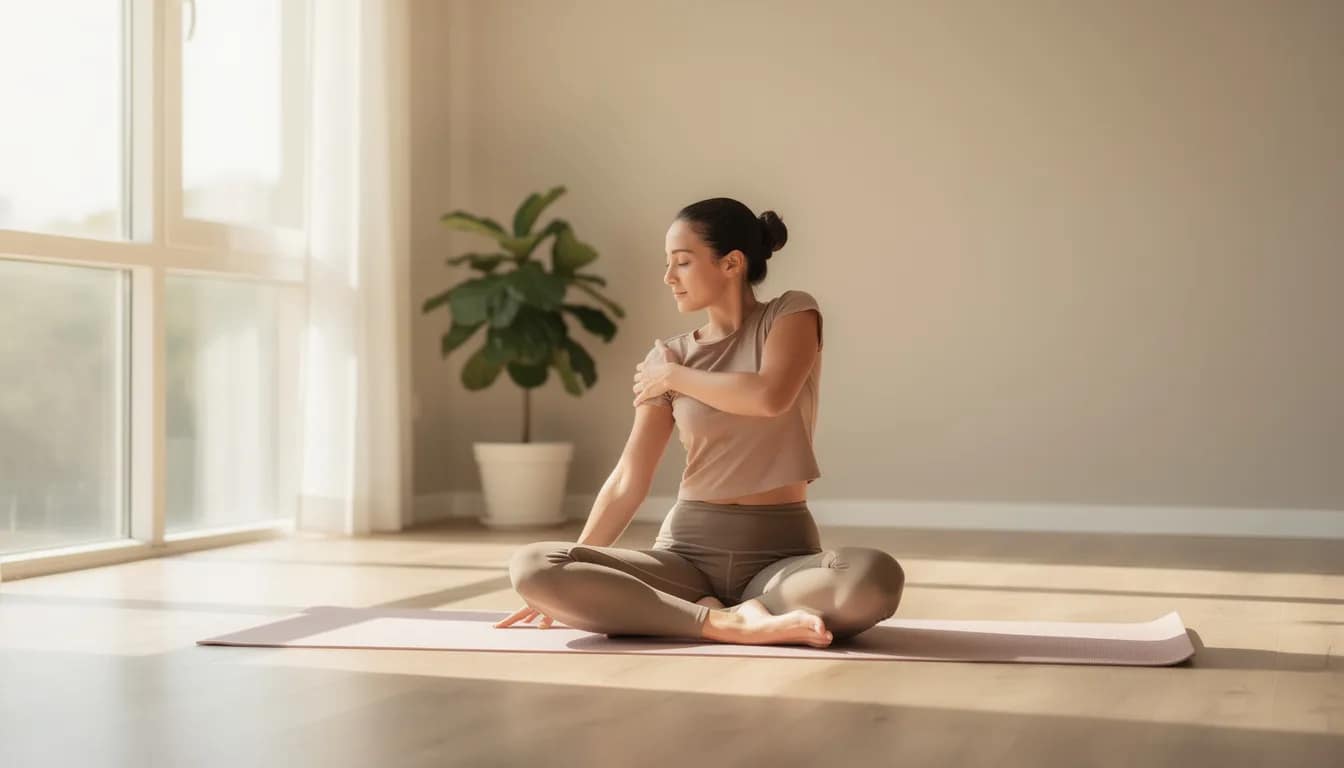
The magic really happens when you combine these positions with deep breathing. Slow, relaxed breaths activate your parasympathetic nervous system, which controls digestion. When you’re stressed or rushing, your body goes into “fight or flight” mode and literally freezes your gut. But calm breathing tells your system it’s safe to digest, process, and eliminate. One study on yoga practices for IBS patients found that 85.7% reported reduced constipation after incorporating these techniques—that’s not nothing.
Here’s the reality check: while many people feel the urge to go within minutes of practicing yoga, these positions aren’t a replacement for medical care if you’re dealing with chronic constipation or other symptoms. They’re a tool, not a cure-all.
Best Yoga Positions to Poop (Step-by-Step)
Time to get into the specifics. All of these poses can be done on a yoga mat, carpet, or even a folded blanket on your floor. Props like pillows and yoga blocks aren’t required but can make positions more comfortable, especially if you’re new to this.
Move slowly between poses. If you feel dizziness, sharp pain, or significant abdominal discomfort, stop and rest. This should feel like relief, not punishment.
Quick 5-10 minute “poop routine” sequence:
- Wind relieving pose (2 minutes)
- Supine twist (2 minutes total, both sides)
- Deep squat (1-2 minutes)
- Sit on toilet and breathe
Let’s break down each pose.
1. Deep Squat Pose (Malasana) – The “Toilet Upgrade” Position
There’s a reason much of the world still uses squat toilets: this position straightens your digestive tract and makes elimination significantly easier. The garland pose mimics this natural squatting position and can help you pass stool easily once you get to the bathroom.
Step-by-step instructions:
- Stand with feet slightly wider than hip-width apart, toes turned out about 45 degrees
- Bend your knees and slowly sink your hips down toward the floor into a deep squat
- Bring your chest toward your thighs and keep your torso upright as much as comfortable
- Place hands on the floor for balance, or bring them together in prayer position at your chest
- Let your elbows gently press against the insides of your knees to open your hips
Hold for 30-60 seconds, breathing slowly through your nose. With each exhale, relax your belly completely. Repeat 2-3 times.
This position works because it changes the angle of your rectum, reducing the kink that makes elimination harder when you’re sitting upright. Your core muscles naturally engage, creating gentle pressure that supports movement through your gut.
Modifications:
- Heels lifting off the floor? Stack books or a rolled towel under them
- Knee or ankle issues? Sit on a low stool or stack of yoga blocks instead
- Need balance help? Hold onto a wall or sturdy chair
2. Wind-Relieving Pose (Pawanmuktasana) – Gas & Bloating Relief
This pose is literally named for what it does. In Sanskrit, “Pawanmuktasana” translates to “wind-relieving pose,” and it’s been used for centuries to address digestive discomfort, trapped gas, and sluggish bowel movements.
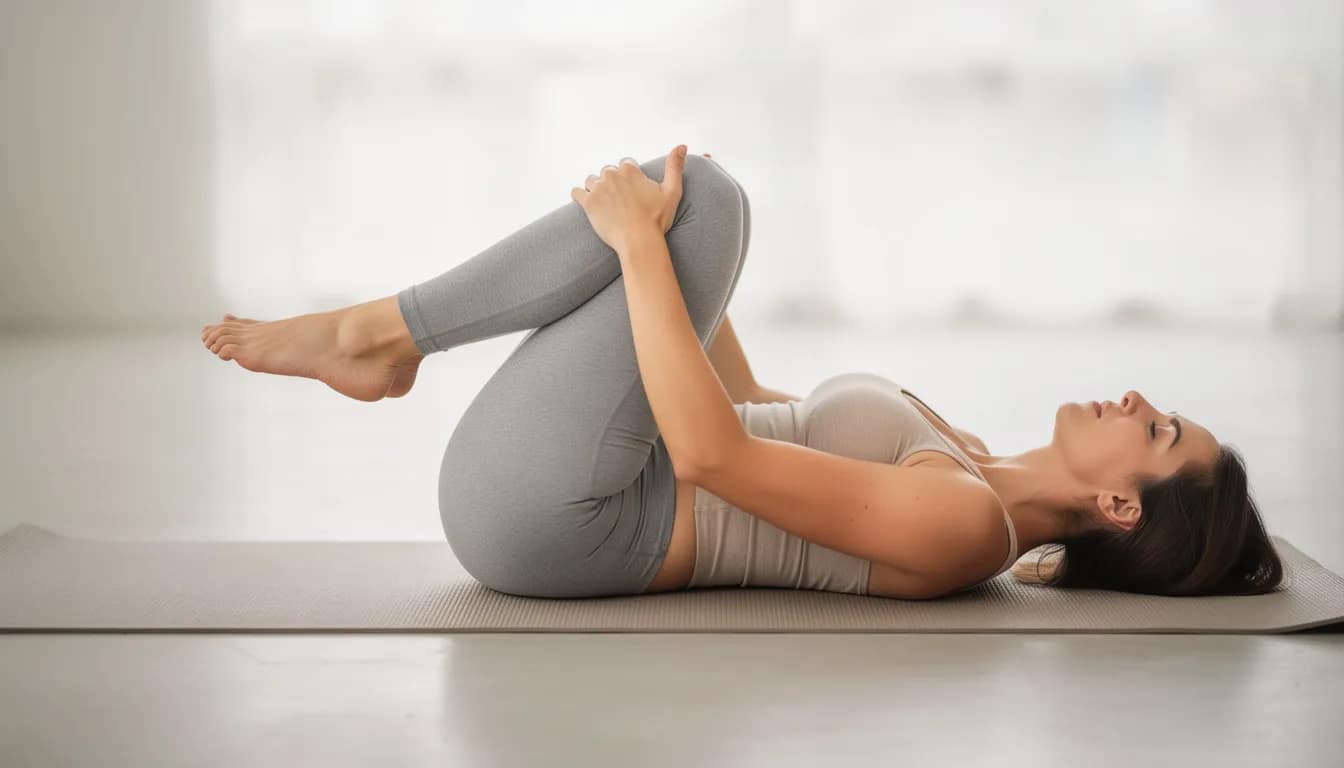
Step-by-step instructions:
- Lie on your back on your yoga mat with legs straight
- Bend your right knee and draw it toward your chest
- Clasp your hands over your shin, just below the knee
- Gently pull your right knee in while keeping your left leg straight (or slightly bent if that’s more comfortable)
- Hold for 5-10 slow breaths, then switch sides and repeat with the left leg
- Finish by hugging both knees toward your chest, rocking gently side to side
Hold each side for 5-10 breaths, then the double-knee version for 20-30 seconds.
The gentle compression of your lower belly and colon encourages movement of gas and stool. Many people report a strong urge to go shortly after this one—sometimes even during the pose (fair warning).
Tips:
- Place a folded blanket under your head if your neck feels strained
- If your lower back bothers you, keep the opposite leg bent with your right foot or left foot flat on the floor
- Avoid this position immediately after a large meal
3. Child’s Pose (Balasana) – Relaxing the Belly and Pelvic Floor
Child’s pose is a calming pose that does double duty: it relaxes your nervous system while gently compressing your abdominal muscles and digestive organs. If stress is contributing to your constipation (and it often is—stress literally slows your digestive system), this one’s especially helpful.
Step-by-step instructions:
- Kneel on your yoga mat with your big toes touching
- Open your knees as wide as comfortable—anywhere from together to mat-width apart
- Sit your hips back toward your heels
- Walk your arms forward and rest your forehead on the mat or a pillow
- Let your belly rest on or between your thighs
Hold for 1-3 minutes, breathing deeply into the back and sides of your ribcage. Feel your belly gently pressing against your thighs with each inhale.
This gentle forward fold signals your body that it’s safe to “let go.” The mild compression around your abdomen can ease cramping and support easier bowel movements by reducing stress and stimulating blood flow to your gut.
Modifications for knee sensitivity:
- Place a folded blanket between your calves and thighs
- Put a cushion under your knees
- Use a bolster or stack of pillows under your chest and head
4. Seated Forward Fold (Paschimottanasana) – Lengthening and Compressing the Gut
Forward folds are powerhouse poses for improving digestive health. This seated position stretches your entire back body while creating gentle pressure on your digestive organs. Research suggests holding for 30 seconds to a minute while you breathe deeply amplifies the digestive benefits.
Step-by-step instructions:
- Sit on your mat with legs straight in front of you
- Flex your feet (toes pointing toward the ceiling)
- Sit tall—imagine a string pulling the top of your head up
- Inhale to lengthen your spine
- Exhale and hinge forward from your hips (not your waist), reaching toward your feet
- Rest your hands wherever they land: thighs, shins, ankles, or feet
- Keep your spine long rather than rounding aggressively
Hold for 30-60 seconds, focusing on lengthening with each inhale and folding deeper with each exhale. Comfort matters more than how far you can fold forward.
This position gently presses your abdominal organs against your thighs, stimulating circulation and encouraging movement through your intestines.
Modifications:
- Bend your knees generously and place a pillow under your thighs
- Use a yoga strap around your feet if you can’t reach them
- Sit on a folded blanket to tilt your pelvis forward
5. Supine Spinal Twist – Massaging the Intestines
Twisting poses are like a massage for your insides. The supine spinal twist alternately compresses and releases different sections of your abdomen, stimulating blood flow and promoting peristalsis through your digestive tract.
Step-by-step instructions:
- Lie flat on your back with arms extended in a T-shape, palms down
- Draw both knees toward your chest
- Drop both knees to your right side, keeping shoulders flat on the floor
- Turn your head gently toward your left shoulder (if comfortable)
- Let gravity do the work—don’t force anything
- After 8-10 breaths, bring knees back to center and switch sides, dropping knees left and looking right
Hold each side for 8-10 slow breaths, keeping your upper body relaxed.
This gentle twist works as a natural massage for your intestines. The spinal twist action helps relieve bloating and can stimulate regular bowel movements, especially when practiced consistently.
Gentler options:
- Keep one leg straight and only cross the top leg over
- Place a pillow between or under your knees for support
- Don’t turn your head if it strains your neck
How to Use These Poses Before or On the Toilet
Some of these positions work best on your yoga mat before you head to the bathroom, while others (especially the squat) can be adapted right on the toilet.
Pre-bathroom routine (5-7 minutes):
- Start with 1-2 minutes of wind relieving pose
- Move into a supine twist (1 minute each side)
- Rest in child’s pose for 1-2 minutes
- Finish with a short deep squat
- Head to the bathroom
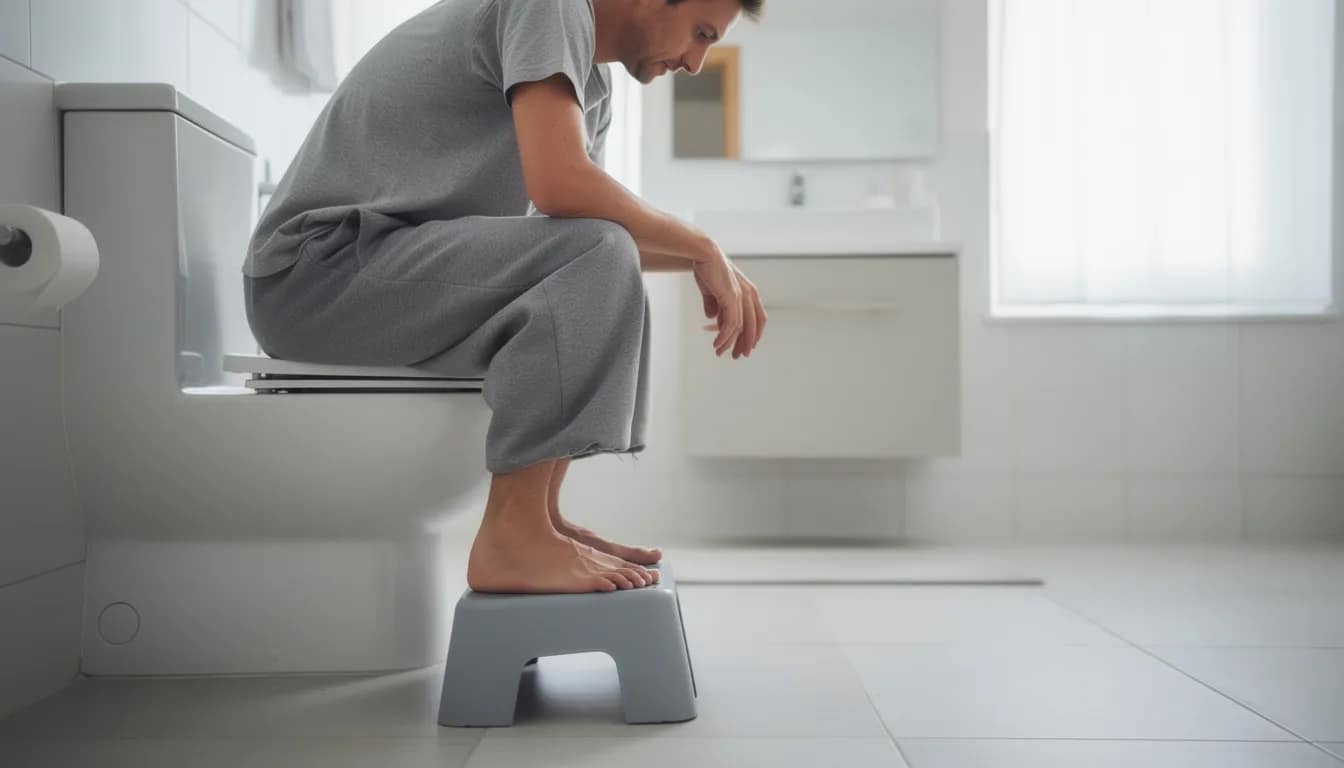
Toilet posture tips:
- Elevate your feet on a small stool, stack of books, or even a rolled-up towel
- Lean slightly forward with your forearms resting on your thighs
- This mimics the squat position and straightens your digestive tract
- Breathe slowly and deeply—no straining
Here’s what many people get wrong: they push hard and hold their breath. This actually tightens your pelvic floor and makes elimination harder. Instead, take a deep breath in, then exhale slowly while gently relaxing your belly. Let gravity and positioning do the work.
If nothing happens after 10-15 minutes, stand up, walk around, maybe do another round of twisting poses, and try again later. Forcing it can worsen hemorrhoids and pelvic floor dysfunction—not worth it.
Safety Tips and When to See a Doctor
These yoga poses to relieve constipation are generally safe for healthy adults, but common sense still applies.
Be cautious or avoid deep twists and intense abdominal compression if you have:
- Recent abdominal surgery
- Hernias
- Severe hemorrhoids
- Late pregnancy
- Known spinal issues or disc problems
- Acute abdominal pain
Stop immediately if you experience:
- Sharp pain anywhere
- Dizziness or lightheadedness
- Chest pain
- Worsening rectal bleeding
Contact a healthcare provider if:
- Constipation lasts more than 3-7 days
- You experience recurrent digestive issues
- You notice blood in your stool
- You have sudden weight loss
- You’re vomiting or have intense abdominal pain
- You notice other symptoms that concern you
These yoga positions are supportive tools, not substitutes for medical care. If you have underlying conditions like IBS, IBD, diabetes, or thyroid issues that affect bowel habits, work with your doctor to find the underlying cause and combine these practices with appropriate treatment.
Troubleshooting Common Issues
Even with the best yoga poses, sometimes your digestive system needs a little extra encouragement—or you might run into a few bumps along the way. If you’re practicing yoga to relieve constipation and things aren’t moving as smoothly as you’d hoped, don’t worry. Here’s how to troubleshoot the most common issues and get your gut health back on track.
Abdominal discomfort: If you feel pressure or discomfort in your belly during poses like the wind relieving pose or supine spinal twist, try making the movements gentler. Start by lying on your back on your yoga mat, bend your knees, and keep your feet flat. Bring your right knee toward your chest, holding it with your hands, and as you breathe deeply, guide your knee slightly toward your left shoulder. Keep your shoulders flat and only go as far as feels comfortable. Hold for a few breaths, then switch sides. This gentle twist can help alleviate constipation without straining your abdominal muscles.
Difficulty stimulating blood flow: Sometimes, your digestive system needs a little more encouragement. Incorporate various yoga poses that target the abdominal area, like the seated twist or a gentle lunge position. For a seated twist, sit with your legs straight, bend your knees, and bring your right foot to the outside of your left knee. Place your right hand behind you and your left elbow on the outside of your right knee, then gently twist your torso upright to the right. Breathe deeply, hold for a few breaths, and switch sides. These twisting poses help stimulate blood flow to your digestive organs and can support regular bowel movements.
Chronic constipation: If you’re struggling with ongoing constipation, yoga can help—but it’s also important to look for the underlying cause. Practicing yoga regularly, even just a few minutes a day, can improve your bowel habits and digestive health over time. Start with simple poses like child’s pose or a gentle twist, and as you build confidence, try more active poses like bow pose or crescent lunge twist. If constipation persists, seek medical advice to rule out any underlying health issues.
Breathing exercises: Never underestimate the power of deep breathing. When you breathe deeply, you activate your parasympathetic nervous system, which helps your digestive system relax and function better. Try lying flat on your back, legs straight, arms at your sides, and focus on slow, deep breaths—let your belly rise as you inhale and fall as you exhale. This simple practice can help reduce digestive discomfort and support immediate relief.
Increasing blood flow and relieving discomfort: Certain yoga poses, like garland pose and seated forward fold, are especially effective for increasing blood flow to your digestive system and easing abdominal tension. In garland pose, stand with your feet wide, bend your knees, and lower your hips into a deep squat, keeping your back straight and arms inside your legs. Hold for a few breaths, feeling the gentle stretch in your pelvic floor and the pressure on your abdominal organs.
Modifying or avoiding certain poses: If you notice that deep twists or specific positions make your symptoms worse, listen to your body. Avoid deep twists if you have abdominal discomfort, and instead, try a modified supine spinal twist by bringing both knees toward your chest and holding them gently. Always prioritize comfort and safety over depth or intensity.
Remember, yoga is a supportive tool for digestive health, not a replacement for medical care. If you experience persistent constipation, severe pain, or other concerning symptoms, seek medical advice. By combining regular yoga practice with healthy habits like staying hydrated and eating fiber-rich foods, you can prevent constipation, promote gut health, and enjoy more comfortable, regular bowel movements. With patience and consistency, you’ll find the right routine to keep your digestive system—and your whole body—feeling its best.
Simple Daily Routine to Keep You Regular
Prevention beats intervention every time. Here’s a realistic 10-15 minute daily plan that blends practicing yoga with basic lifestyle habits to prevent constipation and support gut health long-term.
Morning sequence (10 minutes total):
Step | Pose/Activity | Duration |
|---|---|---|
1 | Deep breathing in child’s pose | 2 minutes |
2 | Wind relieving pose (both sides + both knees) | 2-3 minutes |
3 | Gentle seated twist or supine twist | 2 minutes total |
4 | Supported deep squat | 1-2 minutes |
5 | Walk to bathroom | As needed |
Daily habits that support regular bowel movements:
- Drink a glass of warm water within an hour of waking
- Include fiber-rich foods: oats, beans, fruits, vegetables
- Take short walks during the day (movement stimulates your digestive system)
- Reduce stress through breathing exercises—even 2-3 minutes helps
Train your body’s rhythm: Pick a consistent “bathroom window” each day—ideally after breakfast when your gastrocolic reflex is naturally active. Use these yoga positions just before or during that time. Your body learns patterns, and consistency trains your bowel habits more than any single pose ever could.
The truth is, small consistent practices beat extreme fixes. You don’t need a 90-minute yoga class or a complete diet overhaul. A few minutes of the right positions, combined with reducing stress and staying hydrated, usually restores comfortable, predictable elimination over time.
Your gut will thank you. And so will everyone who’s been waiting outside the bathroom.